Are you an aspiring physician with a passion for cutting-edge cancer treatment and a desire to make a profound impact on patients’ lives? Then Radiation Oncology might be your calling. This dynamic medical specialty stands at the forefront of cancer care, utilizing advanced technology and sophisticated treatment strategies. However, the path to becoming a radiation oncologist, particularly navigating the highly competitive Radiation Oncology Residency Match, demands meticulous preparation and access to unparalleled resources.
This comprehensive guide unveils how the Student Doctor Network (SDN) serves as an indispensable ally for every hopeful candidate, offering a crucial edge in mastering the Residency Match. From understanding the field’s nuances to securing your dream residency slot, SDN provides the community, data, and insights necessary to transform your aspirations into reality.
To further refine your residency application and optimize your chances of success in the match, consider exploring resources like the comprehensive guides available on Job Board AI, which offers insights into the latest trends and application strategies.
Demystifying the Radiation Oncology Landscape and the Rad Onc Match
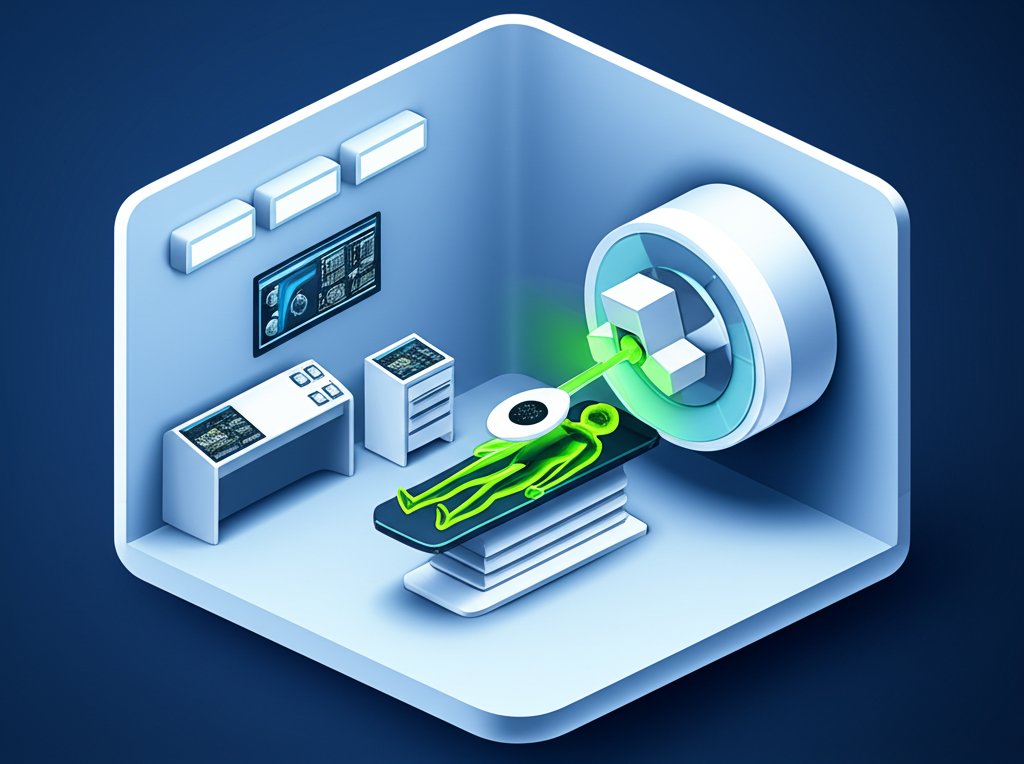
The field of Radiation Oncology is both intellectually stimulating and deeply rewarding. Radiation oncologists are highly specialized physicians who use radiation therapy to treat cancer. Their work involves a deep understanding of physics, biology, and clinical medicine, employing techniques like Stereotactic Radiosurgery (SRS), External Beam Radiation Therapy, and Brachytherapy to precisely target tumors while sparing healthy tissue.
The journey to specialize in this field culminates in the Radiation Oncology Residency program – a rigorous, multi-year training period. Securing a spot in one of these coveted programs requires navigating the Residency Match system, specifically the NRMP (National Resident Matching Program). For aspiring radiation oncologists, this is often referred to as the Rad Onc Match, and it presents unique challenges:
- Intense Competition: With a relatively smaller number of available positions compared to other specialties, the Rad Onc Match can be highly competitive. Preliminary ERAS data for recent years consistently shows a significant applicant-to-position ratio.
- Evolving Field: Radiation Oncology is continually advancing with new technologies and treatment paradigms. Applicants must demonstrate a keen awareness of these developments and a strong commitment to the specialty’s future.
- Holistic Application Review: Programs look beyond just test scores, seeking candidates with robust research experience, strong letters of recommendation, leadership qualities, and a genuine passion for patient care.
While official data from organizations like the AAMC’s Charting Outcomes in The Match provides valuable statistics, it often lacks the granular, real-time, and qualitative insights that can truly illuminate the path forward. This is precisely where the Student Doctor Network (SDN) becomes your essential guide.
Student Doctor Network (SDN): Your Pillar for the Radiation Oncology Residency Match
The Student Doctor Network (SDN) has long been recognized as a cornerstone resource for pre-medical and medical students. For those targeting a Radiation Oncology Residency, SDN offers a unique ecosystem of support, information, and community that can significantly enhance your Residency Match strategy.
Unparalleled Community and Peer Insights
SDN’s forums are vibrant hubs where thousands of current and aspiring healthcare professionals converge. For Radiation Oncology applicants, this means:
- Real-Time Discussions: Engage with students currently applying, residents in various programs, and even practicing radiation oncologists. These discussions provide invaluable, often unfiltered, perspectives on the application process, interview experiences, and program cultures.
- Qualitative Data: Beyond statistics, SDN offers narratives. Applicants share their experiences, including what they believe contributed to their success or challenges, offering a human element that data alone cannot capture. This is crucial for understanding the “soft factors” in the Rad Onc Match.
- Support Network: The match process can be isolating. SDN fosters a supportive community where you can share anxieties, celebrate successes, and receive encouragement from others who truly understand your journey.
Comprehensive Program Exploration and Candid Reviews
Choosing the right Radiation Oncology Residency program is paramount. SDN’s forums provide an unmatched platform for delving into specific program details:
- Program-Specific Threads: Many residency programs have dedicated threads where applicants can ask questions about the curriculum, research opportunities, patient volume, call schedules, and the overall learning environment directly from current residents.
- Culture and Fit: Gain insights into the “feel” of a program – is it research-heavy, clinically focused, academic, or community-based? This helps you assess whether a program’s culture aligns with your personal and professional aspirations.
- Interview Feedback: Applicants often share their interview experiences, including common questions, interview styles, and general impressions, which can be immensely helpful for preparing your own interviews.
Navigating the Rad Onc Job Market and Future Trends
Concerns about the future job market are prevalent among residents in any specialty. Radiation Oncology is no exception, with discussions often revolving around market saturation, the impact of AI, and evolving reimbursement models. SDN provides:
- Open Dialogue: A forum for discussing these anxieties candidly, sharing expert opinions, and exploring potential challenges and opportunities within the field.
- Stay Informed: Members often share articles, reports, and professional society updates regarding job market trends, helping you stay abreast of the dynamic landscape of Radiation Oncology. This foresight can influence your residency choices and career planning.
- Career Pathway Exploration: Learn about diverse career paths within Radiation Oncology, from academic medicine and research to private practice and industry roles.
Facilitating Mentorship and Professional Connections
Mentorship is a critical component of medical education and career development. SDN actively facilitates these connections:
- Direct Interaction: By engaging in forums, you can directly interact with residents and attending physicians who are often willing to offer advice, share their experiences, and sometimes even serve as informal mentors.
- Networking Opportunities: Beyond direct mentorship, active participation helps you build a network of peers and senior colleagues within the Radiation Oncology community, which can be invaluable throughout your career.
Mastering Your Radiation Oncology Residency Match: Leveraging SDN Effectively
While SDN is a treasure trove of information, maximizing its potential requires a strategic approach. Here are actionable tips to effectively use Student Doctor Network (SDN) for your Radiation Oncology Residency Match:
1. Active and Thoughtful Participation
Don’t be a passive observer. Engage constructively:
2. Targeted Searching and Information Curation
The sheer volume of information on SDN can be overwhelming. Develop efficient search strategies:
3. Critical Evaluation of Self-Reported Data
While SDN’s strength lies in its community-driven content, it’s crucial to approach information with a critical eye:
4. Preparing for the Rad Onc Interview
The interview is a make-or-break component of the Residency Match. SDN aids in preparation:
5. Strategic Program Ranking
The Rank Order List (ROL) is the final, critical step. SDN can inform your strategy:
Beyond the Match: SDN as a Lifelong Resource in Radiation Oncology
The utility of Student Doctor Network (SDN) extends far beyond securing a Radiation Oncology Residency. As you progress through residency and into practice, SDN continues to be a valuable professional development tool.
Staying Ahead in an Evolving Field
Radiation Oncology is a rapidly advancing specialty. New technologies and treatment protocols, such as advanced imaging techniques, proton therapy, and targeted radiation approaches, emerge regularly.
Professional Networking and Referrals
Your professional network is crucial. SDN allows you to maintain and expand it:
Advocacy and Shaping the Future
SDN provides a platform for collective voice and advocacy within the medical community:
Is Radiation Oncology Right for You? A Final Thought
The journey to becoming a radiation oncologist is challenging, demanding dedication, intellectual curiosity, and a profound commitment to cancer patients. But it is also immensely rewarding, offering the chance to innovate, heal, and lead in a critical area of medicine.
By leveraging the Student Doctor Network (SDN) alongside official resources, you gain a unique advantage. SDN provides the unparalleled community, deep insights, and practical advice necessary to understand the competitive landscape, craft a compelling application, and successfully navigate the Radiation Oncology Residency Match. Embrace the power of collective knowledge, engage proactively, and confidently pursue your aspirations in Radiation Oncology. Good luck on your path to mastering the match!
Frequently Asked Questions (FAQ)
Q1: How competitive is the Radiation Oncology Residency Match?
A1: The Radiation Oncology Residency Match is considered highly competitive. Historically, there are often more applicants than available positions, leading to a challenging environment for successful matching. Factors like research experience, strong letters of recommendation, and competitive board scores are increasingly important. For the most up-to-date statistics, consult the National Resident Matching Program (NRMP) data and discussions on Student Doctor Network (SDN).
Q2: What are the key components for a successful Rad Onc Match application?
A2: A strong Rad Onc Match application typically includes: competitive USMLE/COMLEX scores, a robust record of research (publications, presentations, research years), strong letters of recommendation (especially from radiation oncologists), clinical rotations in Radiation Oncology, leadership experience, and a compelling personal statement that articulates a genuine interest in the field. SDN forums offer insights into what specific programs prioritize.
Q3: How reliable is information on SDN for residency planning?
A3: Information on Student Doctor Network (SDN) is immensely valuable for residency planning due to its breadth of real-world experiences and candid discussions. However, it’s crucial to approach it with a critical eye. Much of the data is self-reported and anecdotal, so it should be cross-referenced with official sources (program websites, NRMP data, professional societies) and interpreted with caution, looking for broad consensus rather than isolated statements.
Q4: When should I start preparing for the Radiation Oncology Match?
A4: Preparation for the Radiation Oncology Residency Match should ideally begin early in medical school. This includes actively seeking out research opportunities in Radiation Oncology, pursuing relevant clinical rotations, building relationships with faculty for strong letters of recommendation, and consistently performing well academically. Engagement with Student Doctor Network (SDN) can also start early to help you understand the path ahead.
Q5: What is the role of research in a Radiation Oncology application?
A5: Research is a critical component of a strong Radiation Oncology application. Given the field’s technological advancements and evidence-based practice, programs highly value candidates with demonstrated research experience, including publications, presentations, and dedicated research years. This showcases your intellectual curiosity, analytical skills, and commitment to contributing to the field. Many SDN discussions highlight the increasing importance of research.
Q6: Can SDN help with interview preparation for Radiation Oncology Residency programs?
A6: Absolutely. Student Doctor Network (SDN) is an excellent resource for interview preparation. You can find threads dedicated to common interview questions, program-specific interview experiences, advice on crafting compelling answers, and insights into what programs look for in candidates. This qualitative feedback can be invaluable for refining your interview strategy and practicing your responses for a successful Residency Match.










