
The modern world craves beauty, functionality, and a deeper connection with nature. This escalating demand has propelled the landscaping business into a vibrant, multi-billion-dollar industry. However, transforming a passion for plants into a profitable, scalable, and truly sustainable enterprise requires more than just a green thumb; it demands strategic vision, design expertise, and a commitment to ecological principles. As a seasoned landscape architect with years of experience shaping outdoor spaces, I’ve witnessed firsthand the profound impact of integrating intelligent design with sustainable practices. This article unveils the architect’s growth secrets, offering a blueprint for landscaping businesses eager to dominate the market by embracing sustainable landscaping and achieving unparalleled success.
Foundational Pillars of a Thriving Landscaping Business
Building a resilient and profitable landscaping business starts with establishing robust foundational pillars. It’s not enough to simply offer services; you must define your unique value, understand your market deeply, and manage your finances with precision.
Market Opportunity & Niche Identification: Cultivating Your Specialty
The landscaping market is vast, but true success often lies in specialization. Are you targeting high-end residential clients seeking bespoke garden designs, commercial properties requiring large-scale maintenance, or perhaps public parks focused on native plant restoration? Identifying your niche allows you to tailor your services, marketing, and operational strategies effectively. Consider the growing demand for drought-tolerant landscapes in arid regions, edible gardens in urban areas, or therapeutic outdoor spaces for healthcare facilities. Specializing as a landscape architect for sustainable projects, for instance, can set your landscaping business apart from generalists. Research local demographics, property values, and existing competitor offerings to pinpoint underserved segments.
Beyond identifying your niche, understanding the broader industry landscape, including trends and statistics, is crucial, as detailed in this article about the fascinating facts about landscaping.
Building an Unshakeable Brand Identity: More Than Just a Logo
Your brand is the sum total of every interaction a client has with your landscaping business. It encompasses your company name, logo, website, service vehicles, and, most importantly, the quality and consistency of your work. For a sustainable landscaping business, your brand narrative should emphasize your commitment to eco-friendly practices, innovative designs, and long-term client value. Develop a compelling story that highlights your expertise, your passion for outdoor spaces, and how your services contribute to a healthier planet. Testimonials and a strong portfolio showcasing transformative landscaping projects are invaluable assets for reinforcing your brand’s authority and reliability.
Financial Acumen: Beyond the Bid to Lasting Profitability
Many landscaping business owners excel at the craft but struggle with the financial intricacies of scaling. Moving from a $200,000 to a $1 million business, as seen in industry discussions, requires diligent financial management. This means understanding your true costs (labor, materials, overhead), pricing services competitively yet profitably, and managing cash flow meticulously. Implement robust accounting software, track project profitability, and regularly analyze your balance sheet and income statements. Strategic investments in efficient equipment, advanced software, and employee training are crucial for long-term growth and maximizing your return on investment.
The Landscape Architect’s Edge: Design as a Growth Multiplier

A landscape architect brings a level of strategic thinking and artistic vision that elevates a landscaping business beyond mere maintenance or installation. This expertise is a significant differentiator, allowing you to command higher-value projects and solve complex site challenges.
Elevating Projects with Visionary Design Principles
At the heart of every truly remarkable outdoor space is a thoughtful design. As a landscape architect, you’re not just planting flowers; you’re shaping environments that enhance lives and ecosystems. This involves understanding principles of proportion, balance, harmony, and rhythm. It means considering how sunlight moves across a property, how water drains, how people will interact with the space, and how plants will mature over time. These principles guide the creation of landscaping that is not only beautiful upon completion but also endures and evolves gracefully.
Translating Client Dreams into Tangible Outdoor Spaces
One of the most valuable skills of a landscape architect is the ability to listen intently to client desires and translate abstract ideas into concrete, buildable plans. This involves developing detailed site analyses, creating conceptual designs, producing construction drawings, and selecting appropriate materials and plant palettes. By clearly visualizing and articulating the transformation of their outdoor spaces, clients gain confidence in your landscaping business and are more likely to invest in comprehensive, architecturally-driven solutions. This collaborative process ensures that the final landscaping project reflects both client aspirations and professional expertise.
Project Management Excellence: From Concept to Completion
A brilliant design is only as good as its execution. Effective project management is critical for ensuring landscaping projects are completed on time, within budget, and to the highest standards. This includes meticulous scheduling, coordinating skilled trades, managing material procurement, and rigorous quality control. For a landscaping business offering design-build services, the landscape architect often oversees this entire process, ensuring every detail aligns with the original vision. Clear communication with clients, suppliers, and your team is paramount to navigate challenges and deliver exceptional results.
Mastering Sustainable Landscaping Practices for Future-Proof Growth
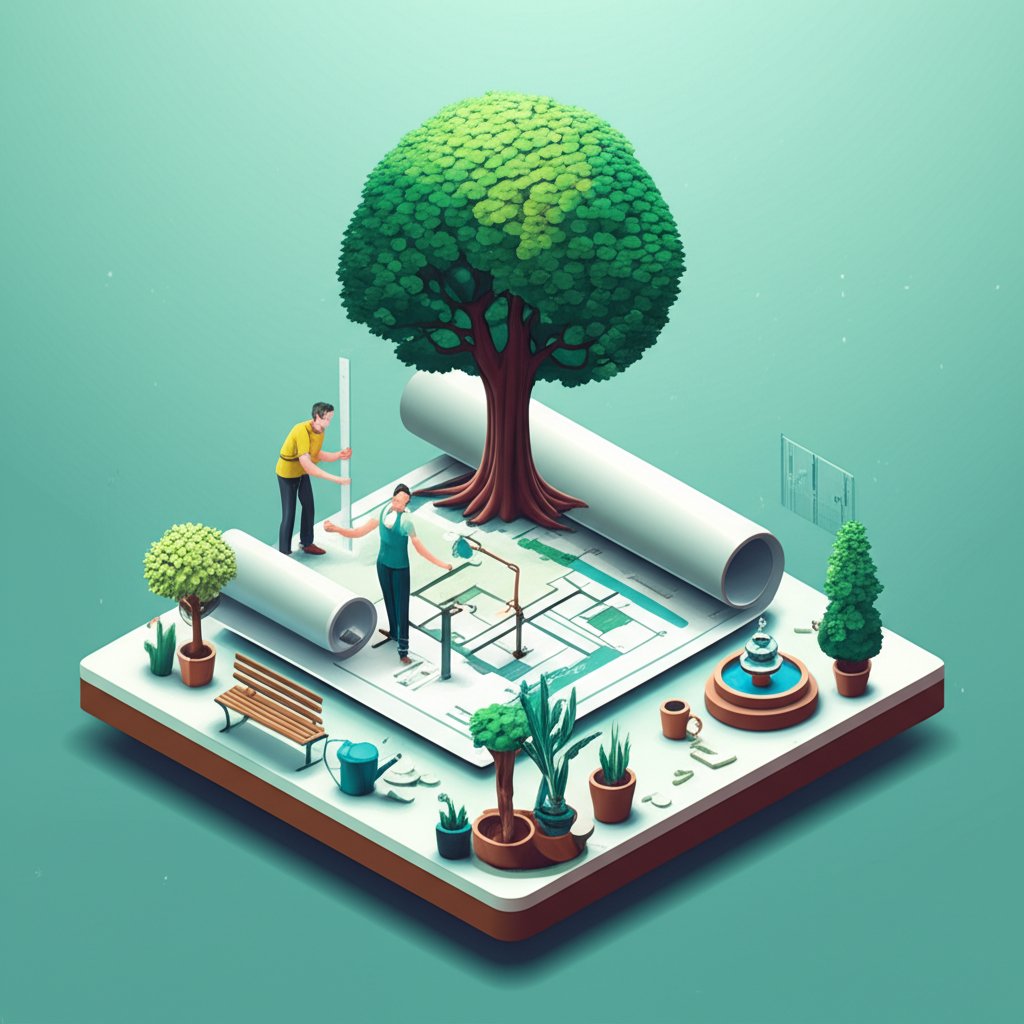
The shift towards sustainable landscaping is not just an environmental imperative; it’s a rapidly growing market segment. A landscaping business that genuinely embraces sustainability will find itself ahead of the curve, attracting eco-conscious clients and securing its place as an industry leader.
Eco-Conscious Design: Integrating Native Plants & Water Efficiency
The core of sustainable landscaping involves designing outdoor spaces that work with nature, not against it. This means prioritizing native plant species that are naturally adapted to the local climate, requiring less water, fertilizer, and pest control. Implementing xeriscaping principles, smart irrigation systems, and efficient rainwater harvesting techniques drastically reduces water consumption – a critical concern in many regions. As a landscape architect, you can design landscaping that is both aesthetically pleasing and significantly reduces a property’s ecological footprint.
Innovating with Green Infrastructure: Rain Gardens and Permeable Pavers
Beyond plant selection, sustainable landscaping incorporates green infrastructure solutions. Rain gardens are strategically designed depressions that capture and filter stormwater runoff, replenishing groundwater and preventing erosion. Permeable pavements allow water to seep through their surfaces, reducing impermeable areas and managing runoff. These innovative approaches not only serve an ecological function but also add unique design elements to outdoor spaces, making them more resilient and environmentally responsible. Offering these specialized services can be a major growth secret for a forward-thinking landscaping business.
Material Selection: Recycled, Local, and Low-Impact Solutions
The choice of materials profoundly impacts the sustainability of landscaping projects. Opt for locally sourced materials to reduce transportation emissions. Integrate recycled materials, such as reclaimed brick pavers for patios or recycled timber for pergolas, giving new life to old resources and minimizing waste. Consider permeable and non-toxic options for hardscaping. As a landscape architect, you specify materials, making you instrumental in guiding clients towards choices that align with sustainable landscaping principles, proving both eco-friendly and stylish.
Educating Clients on Long-term Environmental & Financial Benefits
Many clients are open to sustainable landscaping but may be unaware of its full benefits. It’s your role as the expert to educate them. Explain how native plants require less maintenance, how water-efficient systems save on utility bills, and how green infrastructure increases property value while benefiting the environment. Frame sustainable landscaping not just as an expense, but as a long-term investment that yields both ecological and financial returns. This approach builds trust and positions your landscaping business as a responsible and knowledgeable partner.
Scaling Your Landscaping Business: Strategies for Expansion
For a landscaping business looking to grow significantly, deliberate strategies for operational efficiency, team development, and technological adoption are essential. This is where the “growth secrets” truly come into play, moving your business from good to great.
Operational Efficiency: Systematizing for Growth
Growth without systems often leads to chaos. To scale effectively, every aspect of your landscaping business must be systematized. This includes standardized procedures for bidding, project execution, maintenance schedules, and client communication. Invest in well-defined workflows, clear roles and responsibilities for your team, and quality control checklists. Efficient operations reduce errors, improve productivity, and ensure consistent service delivery, allowing you to take on more projects without compromising quality.
Team Building & Talent Retention: Your Most Valuable Asset
Your team is the backbone of your landscaping business. Attracting, training, and retaining skilled professionals is paramount. The industry average of 11 employees per business highlights the need for effective team management. Foster a positive work environment, offer competitive wages and benefits, and provide opportunities for professional development, especially in areas like sustainable landscaping techniques or advanced landscape architect software. Empower your employees, recognize their contributions, and invest in their skills to build a loyal and highly capable workforce that drives your landscaping success.
Leveraging Technology: CRM, Design Software, Smart Irrigation
Technology is a powerful accelerator for growth. Customer Relationship Management (CRM) software helps manage client interactions, leads, and project history. Advanced landscape architect design software allows for quicker, more accurate plans and stunning 3D visualizations. GPS tracking for vehicles optimizes routes and time management. Smart irrigation systems, drone mapping for site analysis, and integrated project management platforms can dramatically improve efficiency, precision, and the overall client experience in your landscaping business. Embracing these tools is a crucial growth secret for modern firms.
Marketing & Sales: Attracting High-Value Clients
To scale, you need a consistent pipeline of high-value landscaping projects. Develop a multi-channel marketing strategy that includes a professional website, engaging social media content (showcasing your outdoor spaces), local SEO optimization, and perhaps even participation in home and garden shows. Highlight your sustainable landscaping expertise and landscape architect credentials. Build relationships with architects, builders, and real estate agents for referrals. Focus on conveying the unique value proposition of your landscaping business to attract clients willing to invest in quality and sustainability.
Crafting Exceptional Outdoor Spaces: Beyond Aesthetics
Ultimately, the goal of any landscaping business is to create truly exceptional outdoor spaces. This goes beyond surface-level beauty to deliver functional, enduring, and enriching environments.
Creating Functional & Experiential Zones
A well-designed outdoor space is more than a collection of plants; it’s a series of interconnected “rooms” or zones, each with a specific purpose. This could include an outdoor dining area, a tranquil reading nook, a vibrant play space for children, or a productive edible garden. As a landscape architect, you design these zones to flow seamlessly, cater to the client’s lifestyle, and maximize the utility and enjoyment of their property. Understanding how people will experience the landscaping is key to its success.
Integrating Hardscaping and Softscaping Seamlessly
The interplay between hardscaping (patios, walkways, walls, water features) and softscaping (plants, lawns, garden beds) is crucial for a cohesive design. A skilled landscape architect ensures these elements complement each other, using materials and forms that enhance the overall aesthetic while fulfilling functional requirements. For instance, a permeable patio (hardscaping) can lead to a rain garden (softscaping), showcasing a harmonious blend of form and sustainable landscaping function for outdoor spaces.
Seasonal Design and Year-Round Appeal
An exceptional outdoor space provides visual interest and enjoyment throughout the seasons. This involves selecting a diverse palette of plants with varying bloom times, fall foliage, and evergreen structures. Strategic placement of trees can offer summer shade and winter light. Thoughtful lighting design extends the usability and beauty of landscaping into the evening hours. Designing for year-round appeal ensures that your landscaping business delivers enduring value and client satisfaction.
Measuring Success: Client Satisfaction and Environmental Impact
True success in the landscaping business isn’t just about financial metrics; it’s also measured by deeply satisfied clients and the positive environmental impact of your work. Solicit feedback regularly and showcase successful projects, particularly those highlighting sustainable landscaping achievements. Document the ecological benefits of your designs, such as reduced water usage or increased biodiversity. These tangible results not only validate your landscape architect expertise but also become powerful marketing tools, reinforcing your reputation as a leader in creating remarkable and responsible outdoor spaces.
Conclusion
The landscaping business offers fertile ground for growth, especially when rooted in the principles of sustainability and guided by architectural vision. By embracing the growth secrets of strategic niche identification, robust financial management, visionary design, and consistent sustainable landscaping practices, any landscaping business can move beyond mere maintenance to create truly transformative outdoor spaces. Empower your team, leverage technology, and educate your clients, and you will not only outrank competitors but also cultivate a legacy of beauty, functionality, and environmental stewardship. Start implementing these architect’s growth secrets today, and watch your landscaping business flourish.
FAQ
How does a landscape architect contribute to a landscaping business?
A landscape architect provides critical expertise in design, planning, and project management. They create comprehensive plans for outdoor spaces, ensuring functionality, aesthetics, and sustainability. This specialized skill allows a landscaping business to secure higher-value projects, offer innovative solutions, and differentiate itself in the market, moving beyond basic services to truly transformative work.
What is sustainable landscaping and why is it important for outdoor spaces?
Sustainable landscaping involves designing and maintaining outdoor spaces in an environmentally responsible manner. This includes using native plants, water-efficient irrigation, permeable materials, and minimizing chemical inputs. It’s crucial because it conserves natural resources (water, energy), supports biodiversity, reduces pollution, and creates healthier, more resilient environments, offering long-term benefits to both property owners and the planet.
What are key challenges in scaling a landscaping business?
Scaling a landscaping business often presents challenges such as managing increased operational complexity, maintaining consistent quality across more projects, attracting and retaining skilled labor, securing capital for expansion, and effectively marketing to a broader client base. Overcoming these requires strong leadership, efficient systems, and strategic investment.
How can technology help a landscaping business grow?
Technology can significantly boost a landscaping business by enhancing efficiency and client engagement. Tools like CRM software streamline client management, landscape architect design software improves planning and visualization, smart irrigation systems optimize water usage, and project management platforms ensure smooth execution. These innovations save time, reduce costs, and elevate the overall service quality for outdoor spaces.
What are some initial steps to make a landscaping project more sustainable?
To make a landscaping project more sustainable, start by selecting native and drought-tolerant plants suitable for your local climate. Implement efficient irrigation methods like drip systems or smart controllers. Incorporate organic soil amendments instead of synthetic fertilizers, and consider using local, recycled, or permeable materials for hardscaping. Minimizing lawn areas and planting trees for shade can also contribute significantly.










