
San Basilio de Palenque, a name echoing with the defiant spirit of resilient ancestors, stands as a profound testament to freedom in the Americas. Nestled in the Montes de María region of Bolívar, Colombia, this vibrant village is not merely a historical site; it’s a living, breathing symbol of resistance, cultural preservation, and unwavering autonomy. Established in the 17th century by formerly enslaved Africans who courageously carved out their own destiny, Palenque Colombia history is the story of the continent’s first free town, predating the emancipation of many nations by centuries. This article delves into the extraordinary journey of San Basilio de Palenque, exploring its pivotal past, unique cultural heartbeat, global recognition, and enduring legacy that continues to inspire. Prepare to uncover a story where the pursuit of liberty reshaped destiny and forged a community unlike any other.
The Genesis of Freedom: Unpacking Palenque Colombia’s History
Understanding the historical context of Palenque reveals unique cultural traits, highlighting the community’s resilience and the preservation of their African heritage.
The narrative of Palenque Colombia history begins amidst the brutal realities of the transatlantic slave trade. Cartagena de Indias, a major port for enslaved Africans arriving in the Spanish colonies, became the staging ground for countless acts of cruelty. Yet, it also became the crucible for rebellion. From these unspeakable conditions, a movement for freedom emerged, fueled by the sheer will to survive and thrive.
Benkos Biohó: Architect of Liberty
At the heart of Palenque’s founding lies the legendary figure of Benkos Biohó. Originally from the Bijagos Islands (modern-day Guinea-Bissau), Biohó was captured, enslaved, and brought to Cartagena in the late 16th century. His indomitable spirit, however, refused to be broken. He led a series of successful escapes, gathering other runaways (known as cimarrones) and establishing a fortified settlement in the rugged, densely forested foothills of the Montes de María. This strategic location, naturally protected by its difficult terrain, made it an ideal refuge. The term “palenque” itself refers to these fortified settlements or “walled cities” built by escaped slaves throughout the Americas.
Biohó was not merely a leader of escapes; he was a brilliant strategist and diplomat. He organized his community with military precision, establishing a governance structure and even attempting to negotiate with the Spanish authorities. The cimarrones of San Basilio de Palenque became a formidable force, raiding plantations and liberating more enslaved people, continually challenging the colonial system. Their resistance was so effective that the Spanish Crown, facing sustained losses and unable to suppress the nascent community, was eventually forced to negotiate.
A Royal Decree for Freedom: The Birth of Autonomy
After years of skirmishes and failed attempts to recapture the Palenqueros, the Spanish Crown, in a landmark move, signed a “capitulation of peace” with Benkos Biohó’s community in 1603. This agreement acknowledged their freedom and granted them a degree of autonomy. While this initial peace was often precarious and Biohó himself was later captured and executed by the Spanish in 1621 (a betrayal that deeply etched itself into Palenquero memory), the seeds of freedom had been sown.
The struggle continued, but the resolve of the Palenqueros never faltered. Finally, in 1713, a Royal Decree formally recognized San Basilio de Palenque as a free town, granting its inhabitants self-governance and the right to live without fear of re-enslavement. This was an unprecedented achievement, marking San Basilio de Palenque as the first free town of Africans in the Americas – a beacon of hope and a profound victory over one of history’s darkest chapters. This extraordinary Palenque Colombia history demonstrates a resilience that defied the norms of the colonial era.
A Language Forged in Resistance: The Palenquero Tongue
One of the most remarkable aspects of Palenque Colombia and its enduring legacy is the Palenquero language. Far more than just a dialect, it is a uniquely preserved creole language that stands as a living monument to its ancestors’ struggle and cultural fusion.
The Linguistic Tapestry of Palenquero
Palenquero is a Spanish-based creole language, but its structure, grammar, and a significant portion of its vocabulary are rooted in various Western and Central African Bantu languages, such as Kikongo and Kimbundu. This unique linguistic blend evolved out of necessity and ingenuity. As people from diverse African ethnic groups found common refuge in Palenque, they created a new language that facilitated communication while simultaneously offering a subtle form of resistance and cultural cohesion against their oppressors.
Scholars continue to study Palenquero, uncovering fascinating insights into linguistic adaptation and survival. Its distinct features include a simplified verb conjugation system, unique phonetics, and a vocabulary that often retains African words for everyday objects, spiritual concepts, and familial terms. For instance, the word for “child” in Palenquero is “ngombe,” a term with clear African origins, while the verb “to eat” is “kumé,” derived from the Spanish “comer” but with a distinct Palenquero pronunciation.
Preserving a Precious Heritage
In the broader context of Colombia, Palenquero is an anomaly; it is the only Spanish-based creole language spoken in Latin America with such strong African linguistic roots. However, like many indigenous and minority languages worldwide, Palenquero faces challenges from globalization and the dominance of Spanish. For generations, speaking Palenquero was often discouraged outside the village.
Today, there are concerted efforts within San Basilio de Palenque to preserve and revitalize the language. Schools in the community now teach Palenquero alongside Spanish, ensuring that younger generations connect with their linguistic heritage. Elders play a crucial role, passing down stories, songs, and traditions in Palenquero, reinforcing its place as a cornerstone of Palenquero identity. Organizations and researchers work with the community to document and promote the language, emphasizing its importance not just to Palenque Colombia but as a global linguistic treasure.
The Rhythmic Soul of Palenque: Music, Dance, and Oral Traditions
The vibrant cultural life of San Basilio de Palenque pulsates with rhythms and melodies that speak volumes about its history, struggles, and triumphs. Music, dance, and oral traditions are not mere entertainment; they are the arteries through which the spirit of Palenque Colombia flows, connecting past with present and community with its roots.
Drums, Dances, and Deep Meanings
Palenque’s musical landscape is dominated by the powerful beat of its drums – tambores. The tambor alegre, llamador, and tambora (bass drum) form the rhythmic core, accompanying singing and dancing in nearly every social and ceremonial occasion. These instruments, direct descendants of African drumming traditions, are played with incredible skill and passion, creating a sound that is both intricate and deeply moving.
Distinct musical styles, such as bullerengue and son palenquero, are unique to the community. Bullerengue is often characterized by its call-and-response singing, vigorous drumming, and communal dancing, frequently performed by women. Son palenquero, a more structured and melodic style, incorporates elements of traditional Colombian cumbia and African rhythms, often featuring marimbas and clarinets alongside the drums. These genres narrate stories of everyday life, love, loss, resistance, and celebration, keeping Palenque Colombia history alive through song.
Dance is equally central to Palenquero identity, with movements that embody both grace and raw emotion. Dances like lumbalú, performed during funeral rites, are deeply spiritual and symbolically powerful, connecting the living with their ancestors. Other dances are joyful expressions of community, reinforcing social bonds and celebrating their unique heritage.
The Power of Oral Tradition
Beyond music and dance, oral traditions are the bedrock of cultural transmission in Palenque. Storytelling, proverbs, and traditional songs passed down through generations serve as invaluable historical archives. Elders, revered as custodians of knowledge, share tales of Benkos Biohó, the arduous journey to freedom, and the resilience of their people. These narratives, rich in detail and moral lessons, imbue younger generations with a profound sense of identity and pride in their Palenque Colombia history. This emphasis on oral transmission is one of the reasons UNESCO recognized their heritage as “intangible.”
Beyond Language and Song: Everyday Life and Cultural Preservation
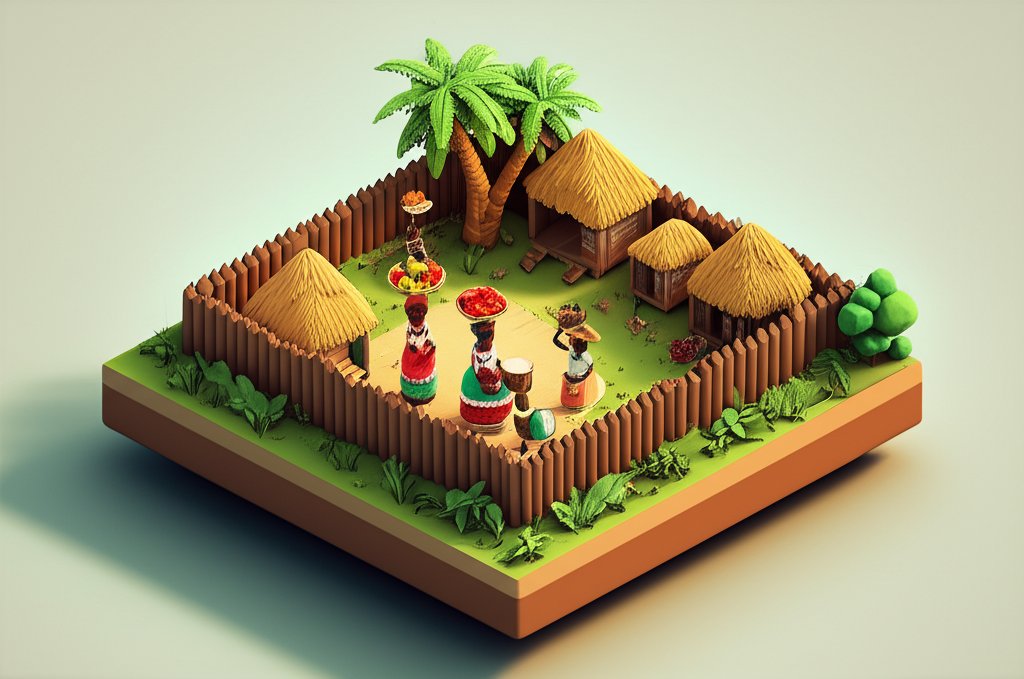
Life in Palenque Colombia is a vibrant tapestry woven with ancestral traditions, communal bonds, and a deep connection to its historical roots. The daily routines, social structures, and culinary practices are all reflections of a heritage meticulously preserved against the tides of time.
Culinary Delights: A Fusion of Flavors
Palenquero cuisine is a delicious testament to the community’s African heritage, blended with Caribbean and Colombian influences. Staples like coconut rice, fresh fish, and diverse root vegetables form the basis of many dishes. Traditional recipes, passed down through generations, are prepared with love and communal spirit. Iconic Palenquero dishes include:
- Cocadas: Sweet coconut candies, often sold by Palenqueras (women from Palenque) in cities like Cartagena, instantly recognizable by their vibrant traditional dresses.
- Pescado Frito con Arroz con Coco: Fried fish served with coconut rice, a staple of the coastal region.
- Mote de Queso: A rich cheese and yam soup, showcasing local produce.
- Arepas: Corn-based flatbreads, served in various forms.
These dishes are more than just food; they are an expression of identity, a link to the land, and a celebratory ritual of life in Palenque Colombia.
Social Structures and Spiritual Beliefs
The social fabric of Palenque is strong, characterized by close-knit family ties and communal support systems. The “Ma Kuagro” (or mayora) system is a unique social structure where groups of individuals, often from the same age cohort, form mutual aid societies. These Kuagros provide support in times of need, organize community events, and preserve traditional practices, reinforcing the collective spirit that has defined Palenqueros since their founding.
Spiritually, Palenque exhibits a fascinating syncretism. While Catholicism is widely practiced, it coexists with deeply rooted African spiritual traditions. Ancestor veneration is particularly significant, seen in rituals like lumbalú, where music, dance, and offerings honor the deceased and connect the community to the spirit world. These practices underscore the holistic approach to life, where the spiritual and material worlds are intertwined.
Modern Challenges and Enduring Resilience
Despite its rich heritage and global recognition, Palenque Colombia faces contemporary challenges. Economic opportunities can be limited, leading some younger Palenqueros to seek work in larger cities. The influences of modern media and globalization also pose risks to the preservation of traditional language and customs.
However, the community’s resilience, a trait inherited from their freedom-fighting ancestors, remains strong. Palenqueros are actively engaged in preserving their identity, leveraging tourism as a means to share their culture and create sustainable livelihoods, always on their own terms. The pride in their unique Palenque Colombia history and heritage is palpable, ensuring their traditions continue to thrive amidst a changing world.
Global Recognition and Enduring Legacy: UNESCO and Modern Palenque
The extraordinary story and vibrant culture of San Basilio de Palenque did not remain a local secret. Its significance as a bastion of African culture and a symbol of human freedom garnered international attention, culminating in a prestigious global acknowledgment.
UNESCO’s Masterpiece Designation
In 2005, the United Nations Educational, Scientific and Cultural Organization (UNESCO) declared San Basilio de Palenque a “Masterpiece of the Oral and Intangible Heritage of Humanity.” This designation is not merely an honorary title; it is a recognition of the community’s exceptional role in preserving African cultural traditions that are largely unique in the Americas.
The UNESCO recognition highlighted several key aspects of Palenque’s heritage:
This global acknowledgment brought increased visibility and resources, aiding the community in its efforts to preserve its invaluable heritage and ensure its transmission to future generations.
Palenque in the 21st Century
Today, San Basilio de Palenque continues to be a dynamic, living community fiercely proud of its identity. The Palenqueros, often described as warm and welcoming, embrace their role as custodians of a unique piece of human history. They actively participate in cultural exchange, welcoming visitors who come to learn about their enduring legacy of freedom.
The legacy of San Basilio de Palenque extends beyond its geographical boundaries. It serves as a powerful reminder of the human capacity for resistance, self-determination, and cultural survival in the face of unimaginable adversity. Its story resonates globally, inspiring discussions on human rights, cultural diversity, and the importance of preserving intangible heritage. The community of Palenque Colombia stands as a proof that freedom, once fought for, can be nurtured and celebrated across centuries.
Visiting San Basilio de Palenque: A Journey into Living History
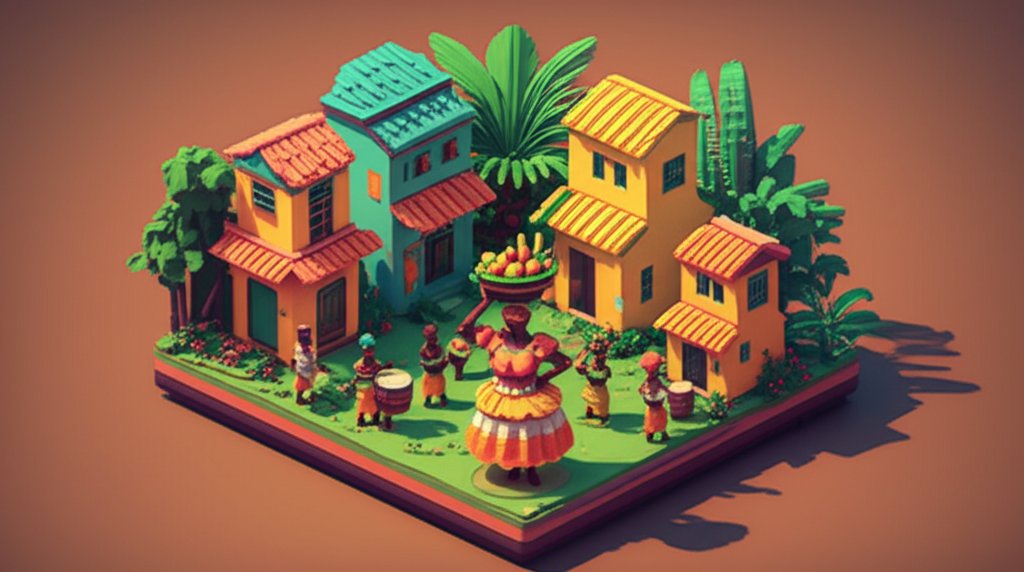
To truly appreciate the profound Palenque Colombia history and its vibrant culture, a visit to San Basilio de Palenque is an unforgettable experience. Located approximately 50-60 kilometers (30-37 miles) southeast of Cartagena, this pilgrimage into freedom’s past is both accessible and deeply rewarding.
Planning Your Journey from Cartagena
Reaching San Basilio de Palenque involves a relatively straightforward journey from Cartagena, with options catering to various preferences and budgets.
Step 1: Choose Your Transportation
- Bus/Colectivo: This is the most authentic and economical option. Head to the “Terminal de Transportes de Cartagena.” Look for buses or colectivos (shared vans) heading towards San Basilio de Palenque or Mahates (a nearby town from which you can easily find transport to Palenque). The journey typically takes 1.5 to 2 hours, offering scenic views of the Colombian countryside. Confirm schedules and prices directly at the terminal, as they can vary.
- Private Taxi/Driver: For a more direct and comfortable experience, hiring a private taxi or driver is an excellent choice, especially for groups. This offers flexibility in timing and stops. Negotiate the price beforehand to avoid surprises. The ride will generally be quicker, around 1 to 1.5 hours.
- Organized Tour: Several tour operators in Cartagena offer guided excursions to San Basilio de Palenque. This hassle-free option usually includes round-trip transportation, a knowledgeable local guide (highly recommended for cultural immersion), and sometimes meals or activities. Research reputable tour companies and compare their offerings.
Step 2: Immerse Yourself Upon Arrival
Upon entering San Basilio de Palenque, you’ll immediately feel its unique energy. The colorful homes, the sound of drums, and the warm smiles of the Palenqueros create an atmosphere unlike anywhere else.
Tips for a Meaningful Visit
- Hire a Local Guide: This is perhaps the most crucial tip. A local Palenquero guide will offer invaluable insights into the community’s history, language, and customs, providing a deeper, more respectful, and authentic experience. They can also facilitate interactions with community members.
- Respect Local Customs: Palenque is a living community, not a theme park. Dress modestly, ask permission before taking photos of people, and be mindful of local etiquette and traditions. Always approach with humility and an open heart.
- Support Local Businesses: Purchase artisan crafts, enjoy a traditional Palenquero meal, or buy a refreshing cocada from a local vendor. Your support directly contributes to the community’s economy and helps preserve its unique culture.
- Learn a Few Palenquero Phrases: Even a simple “Aba” (hello) or “Kumo?” (how are you?) will be greatly appreciated and show your respect.
- Consider an Overnight Stay: While day trips are popular, an overnight stay offers a deeper immersion into daily life, allowing you to experience the evening rhythms and connect more intimately with the community. Homestays are often available.
- Time Your Visit with the Festival de Tambores y Cantadoras: If possible, plan your trip for the annual Festival of Drums and Singers, usually held in October. This vibrant festival is the ultimate celebration of Palenquero music, dance, and culture, offering an unparalleled experience.
- Stay Hydrated and Protect from Sun: The climate can be hot and humid, so carry water and use sun protection.
A visit to San Basilio de Palenque is more than just a sightseeing trip; it’s an opportunity to bear witness to a remarkable chapter of human history, to connect with a thriving culture, and to celebrate the enduring power of the human spirit in its unwavering pursuit of freedom.
Conclusion: Palenque’s Unyielding Spirit
The story of San Basilio de Palenque, Colombia, is a powerful narrative woven from resistance, resilience, and unwavering hope. From the daring escapes led by Benkos Biohó to the formal recognition of its autonomy centuries ago, its Palenque Colombia history stands as a monumental achievement against oppression. Today, it remains a vibrant cultural beacon, where the unique Palenquero language, soul-stirring music, traditional dances, and communal spirit continue to thrive.
As the first free town in the Americas, and a UNESCO Masterpiece of Oral and Intangible Heritage, San Basilio de Palenque offers a profound lesson: that courage can forge freedom, and culture can endure through generations. It is a place where every drumbeat tells a story, every song echoes an ancestor’s cry for liberty, and every smile celebrates a legacy of self-determination. To experience Palenque Colombia is to witness the enduring power of the human spirit – an ultimate testament to freedom’s enduring legacy.
Frequently Asked Questions About Palenque Colombia
What is San Basilio de Palenque famous for?
San Basilio de Palenque is famous for being the first free town of formerly enslaved Africans in the Americas. It was founded in the 17th century by cimarrones (escaped slaves) led by Benkos Biohó, and its autonomy was formally recognized by the Spanish Crown in 1713. It is also renowned for preserving a unique Afro-Colombian culture, including the Palenquero creole language, distinct musical traditions, dances, and social structures.
Who was Benkos Biohó and what was his role in Palenque Colombia history?
Benkos Biohó was a legendary leader who played a pivotal role in the founding and early Palenque Colombia history. Originally from West Africa, he was enslaved and brought to Cartagena. He led a significant number of successful escapes, organizing the cimarrones into a formidable community in the Montes de María that could defend itself. His strategic leadership and negotiations ultimately led to the Spanish Crown granting autonomy to San Basilio de Palenque.
Where is Palenque located in Colombia?
San Basilio de Palenque is located in the Bolívar Department of Colombia, approximately 50 to 60 kilometers (30-37 miles) southeast of the city of Cartagena de Indias, within the Montes de María region.
What language is spoken in Palenque Colombia?
The primary language spoken in San Basilio de Palenque, alongside Spanish, is Palenquero. This is a unique Spanish-based creole language with strong linguistic roots in various West and Central African Bantu languages. It is the only Spanish-based creole language spoken in Latin America.
Can tourists visit Palenque Colombia?
Yes, tourists are welcome to visit San Basilio de Palenque. It offers a unique cultural immersion experience where visitors can learn about its extraordinary history, witness its vibrant traditions, enjoy local cuisine, and interact with the Palenquero community. Hiring a local guide is highly recommended for a respectful and enriching visit.
What does UNESCO recognition mean for Palenque Colombia?
In 2005, UNESCO declared San Basilio de Palenque a “Masterpiece of the Oral and Intangible Heritage of Humanity.” This recognition acknowledges the community’s exceptional value in preserving African cultural traditions, including its language, music, dance, oral histories, and social practices. It helps bring international attention and support for the preservation of this unique heritage.
Is Palenque in Colombia the same as the Mayan ruins of Palenque in Mexico?
No, these are two entirely different places. San Basilio de Palenque in Colombia is a living Afro-Colombian village famous for being the first free town of formerly enslaved Africans in the Americas. Palenque in Mexico, on the other hand, is an ancient Mayan city, famous for its archaeological ruins and temples, located in the state of Chiapas. While both bear the name “Palenque” (which generally means a fortified or palisaded place), their histories, cultures, and geographical locations are distinct.











2 thoughts on “Palenque Colombia History: Freedom’s Enduring Legacy”
Comments are closed.