The Black Sea, a vast and enigmatic expanse of water nestled between Europe and Asia, has captivated humanity for millennia. Far from being a mere geographical feature, it is a living archive, holding Black Sea secrets that weave together ancient myths, profound geological transformations, and the rise and fall of empires. Its unique characteristics have shaped coastal civilizations, most notably the mesmerizing city of Istanbul, a metropolis that stands as a shimmering testament to the sea’s enduring influence. This article embarks on an extraordinary journey to uncover the deep-seated Black Sea geology that formed this watery marvel and the rich Black Sea history that unfolded along its shores, revealing Istanbul’s pivotal role in this epic narrative. Prepare to delve into the mysteries beneath the waves and the stories etched into the very fabric of one of the world’s most historically significant regions.
The Black Sea: A Cradle of Civilizations and Enduring Mysteries
Often dubbed the “Pontus Euxinus” or “Hospitable Sea” by ancient Greeks, the Black Sea has always held a paradoxical allure. Its name, perhaps derived from its dark, stormy winters or the dark anoxic waters below a certain depth, only adds to its mystique. Bordered by Ukraine, Russia, Georgia, Turkey, Bulgaria, and Romania, this almost entirely landlocked body of water is a geographical wonder with a story spanning eons.
The depths of the Black Sea, shrouded in darkness and mystery due to its anoxic environment, share a curious connection with the allure of the color black itself, representing the unknown and the profound.
Unearthing the Black Sea Secrets: Anoxic Depths and Unique Ecosystems
One of the most profound Black Sea secrets lies in its extraordinary anoxic layer. Unlike most oceans and seas, approximately 90% of the Black Sea’s water column is devoid of oxygen (anoxic), making it the largest meromictic basin on Earth. This unique stratification, where a dense, salty bottom layer doesn’t mix with a fresher, oxygenated surface layer, is a result of its restricted connection to the Mediterranean through the narrow Bosphorus Strait.
This anoxic environment is a double-edged sword: it severely limits marine life in the deep, but it also creates an unparalleled preservation chamber. Ancient shipwrecks, some dating back thousands of years to the Roman, Byzantine, and Ottoman eras, are found remarkably intact in the oxygen-starved depths, their wooden hulls and cargo defying the decay that would occur in oxygen-rich waters. These underwater archaeological sites offer invaluable glimpses into Black Sea history, trade routes, and technological advancements of bygone eras, waiting to be fully explored.
Beyond the deep, the upper 10% of the Black Sea, known as the euphotic zone, teems with a unique and resilient ecosystem. Though less saline than the open ocean, it supports a diverse range of species, from various fish to dolphins and migratory birds. However, this delicate balance is vulnerable, as evidenced by the devastating impact of invasive species like the comb jellyfish in the late 20th century, which disrupted local fisheries and served as a stark reminder of the interconnectedness of marine environments.
Deep Dive into Black Sea Geology: From Ancient Tethys to Modern Dynamics
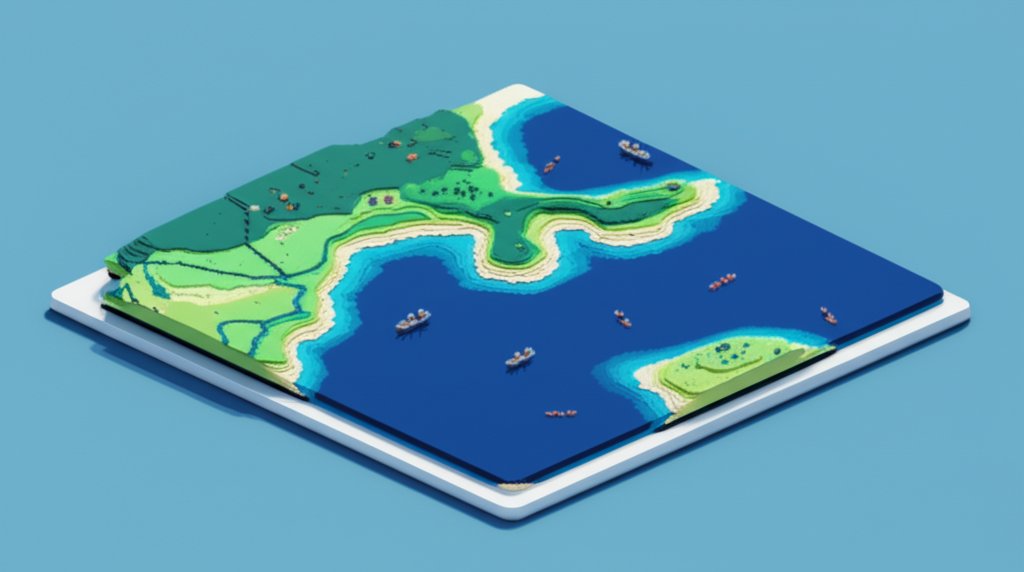
The Black Sea geology is a fascinating tale of continental shifts, ancient oceans, and dramatic environmental transformations. Its very existence is a testament to the dynamic forces that have shaped our planet over millions of years.
The Black Sea’s Ancient Origins: A Remnant of Tethys
Geological evidence suggests the Black Sea is a residual basin of the ancient Tethys Sea, an immense ocean that once separated the supercontinents of Laurasia and Gondwana. Around 250 to 50 million years ago, tectonic movements and the collision of the African and Eurasian plates began to close the Tethys, leaving behind smaller, isolated basins, including what would become the Black Sea.
The current shape of the Black Sea largely emerged during the late Paleocene Epoch. Structural upheavals, particularly in Anatolia, led to the gradual isolation of this basin from the wider ocean. This isolation caused its salinity to fluctuate dramatically over geological timescales, at times making it a freshwater lake and at others, a highly saline sea. This cyclical pattern of isolation and reconnection through waterways like the Bosphorus has profoundly influenced its unique geochemistry and biological makeup.
Formational Events and Meromictic Dynamics
The Black Sea geology is characterized by two deep basins – the Western Black Sea and Eastern Black Sea – separated by a central arch. These basins are underlain by thinned continental crust and oceanic crust, indicating significant rifting and subsidence events. The maximum depth of the Black Sea plunges to approximately 2,212 meters (7,257 feet), making these abyssal plains among the deepest in the world.
The Bosphorus Strait, a narrow and shallow waterway, is crucial to the Black Sea’s present-day meromictic state. Roughly 8,000 years ago, at the end of the last Ice Age, rising global sea levels caused the Mediterranean Sea to breach a land bridge, creating a catastrophic inflow into what was then a freshwater Black Sea lake. This “Black Sea Deluge” theory, sometimes linked to the biblical Noah’s Ark flood, led to the formation of the current two-layered system: a less dense, oxygenated surface layer fed by rivers (like the Danube, Dnieper, and Don) flowing into a denser, saline, anoxic bottom layer from the Mediterranean inflow. The slow circulation of these two layers means it takes an estimated 2,500 years for the Black Sea’s waters to complete a full cycle.
Seismic Activity and Tectonic Forces
Far from being a static body of water, the Black Sea basin is an active tectonic region. It lies within a complex zone of compressional tectonics, with ongoing seismic activity that shapes its ever-evolving landscape. Earthquakes are not uncommon, underscoring the powerful geological forces at play beneath its surface. These tremors contribute to the basin’s continued subsidence and influence the formation of its submarine canyons and continental slopes. Understanding these dynamic processes is vital for appreciating the Black Sea’s long-term geological evolution.
The Enduring Legacy: Black Sea History Through the Ages
The Black Sea history is a rich tapestry woven with threads of ancient myths, powerful empires, and crucial trade routes. Its strategic location at the crossroads of continents has made it a focal point for human migration, cultural exchange, and geopolitical struggle for millennia.
Ancient Mysteries and Early Civilizations
Archaeological discoveries point to early human settlements around the Black Sea basin, with some rocks found dating back over 540 million years. The region is steeped in myth, perhaps most famously associated with the Greek legend of Jason and the Argonauts, who sailed to Colchis (modern-day Georgia) in search of the Golden Fleece. This myth reflects early Greek maritime exploration and the allure of the Black Sea’s distant shores.
From the 8th to 6th centuries BCE, the Greeks established numerous colonies along the Black Sea coast, drawn by its fertile lands and rich fishing grounds. Cities like Sinope (modern-day Sinop, Turkey), Trebizond (Trabzon, Turkey), and Odessos (Varna, Bulgaria) became vital trading hubs, facilitating the exchange of grain, timber, gold, and slaves. These colonies connected the burgeoning Greek world with the diverse cultures of the hinterland, laying foundations for future empires.
Roman, Byzantine, and Ottoman Dominance
The Roman Empire later extended its influence over the Black Sea, incorporating many of its coastal regions into its vast dominion. The sea became a key artery for trade and military movements, connecting the imperial heartland with its eastern provinces.
With the division of the Roman Empire, the Eastern Roman (Byzantine) Empire, centered in Constantinople (modern-day Istanbul), inherited control of the Black Sea. For over a thousand years, the Byzantines expertly wielded their naval power and strategic control of the Bosphorus to dominate Black Sea trade. Spices, silks, and technologies flowed through its ports, enriching Constantinople and fostering unparalleled cultural synthesis. The Black Sea was effectively a Byzantine lake, vital for the empire’s economic and military strength.
The fall of Constantinople to the Ottoman Turks in 1453 marked a new chapter in Black Sea history. The Ottomans, mastering naval technology and land routes, solidified their control over most of the coastline, effectively transforming the Black Sea into an “Ottoman lake.” Ottoman fleets dominated its waters, protecting trade routes and projecting power. Istanbul’s strategic position at the mouth of the Bosphorus became even more critical, serving as the nerve center of a vast empire spanning three continents.
Modern Significance and Geopolitical Relevance
In more recent centuries, the Black Sea became a theater of rivalry between major powers, particularly the Russian and Ottoman Empires, and later the Soviet Union and NATO. Its warm-water ports remain strategically vital for trade, energy transport, and military access. Today, the Black Sea is a region of immense geopolitical importance, with its stability impacting global energy markets and international relations. Its shores continue to be a melting pot of cultures, histories, and natural wonders, forever tied to its deep past.
Istanbul: Gateway to Empires, Mirror to the Black Sea
No discussion of the Black Sea is complete without acknowledging the profound role of Istanbul. Perched on the Bosphorus Strait, the narrow waterway connecting the Black Sea to the Sea of Marmara and then the Mediterranean, Istanbul is not merely a city near the Black Sea; it is its gatekeeper, its most magnificent jewel, and its most eloquent chronicler.
For millennia, Istanbul (known historically as Byzantium and Constantinople) has leveraged its unparalleled geographical position. It controls the only maritime passage out of the Black Sea, making it a choke point of immense strategic and economic significance. Every ship entering or leaving the Black Sea must pass its shores, a fact that has shaped countless empires and trade networks. This unique status has ensured Istanbul’s continuous importance throughout Black Sea history.
The Bosphorus: Nature’s Bridge and Bottleneck
The Bosphorus Strait itself is a geological marvel. Formed by ancient river valleys and later inundated by rising sea levels, it is a testament to the dynamic Black Sea geology. This natural waterway is not just a shipping lane; it is a vibrant ecosystem and a cultural corridor. Daily, thousands of boats, from massive cargo ships to traditional fishing vessels and commuter ferries, traverse its waters, connecting continents and cultures, mirroring the historical ebb and flow of goods and ideas that have passed through this region for millennia.
The Bosphorus is also where the different salinities of the Black Sea and the Sea of Marmara meet, creating complex currents and a unique marine environment. This constant exchange of water is vital to the Black Sea’s hydrological cycle and its overall health, making Istanbul’s position environmentally, as well as historically, significant.
Istanbul’s Historical Tapestry: Beyond the Bosphorus
Istanbul is a city where every corner whispers tales of glorious pasts, a living museum of human achievement. Its historical landmarks offer a tangible connection to the empires that once commanded the Black Sea and beyond.
The Blue Mosque: A Masterpiece of Ottoman Splendor
Dominating the Istanbul skyline, the Sultan Ahmed Mosque, famously known as the Blue Mosque, is an enduring symbol of Ottoman architectural genius. Built in the early 17th century, its cascading domes and six slender minarets are breathtaking. Inside, thousands of hand-painted blue İznik tiles adorn the walls, creating an ethereal ambiance that changes with the sunlight filtering through its 200 stained-glass windows. Visiting the Blue Mosque is not just seeing a building; it is experiencing the spiritual and artistic zenith of the Ottoman Empire, an empire whose power was intrinsically linked to its control of the Black Sea’s vast resources.
Hagia Sophia: Where Empires Converged
Perhaps the most iconic structure in Istanbul, Hagia Sophia (Aya Sofya) is a testament to the city’s layered history. Originally built as a cathedral in the 6th century by the Byzantine Emperor Justinian I, it served as the patriarchal church of Constantinople for nearly a thousand years. After the Ottoman conquest, it was converted into a mosque, and later, a museum, before reverting to a mosque in 2020. Its colossal dome, intricate Byzantine mosaics, and towering Islamic calligraphy exist in harmony, reflecting centuries of religious and imperial shifts. Standing beneath its vast interior, one feels the weight of history, a place where two great civilizations left their indelible marks.
Topkapi Palace: The Heart of the Ottoman Empire
For nearly 400 years, Topkapi Palace served as the primary residence and administrative headquarters of the Ottoman sultans. This sprawling complex, with its opulent courtyards, lavish pavilions, and extensive gardens, offers an intimate glimpse into the lives of the imperial family and their vast bureaucracy. Visitors can explore the Harem, the Imperial Treasury with its priceless artifacts, and the kitchens that fed thousands. Topkapi Palace stands as a powerful reminder of the Ottoman Empire’s wealth and influence, much of which was facilitated by the strategic control of the Black Sea trade routes that converged at Istanbul.
Basilica Cistern: An Underground Marvel
Beneath the bustling streets of Istanbul lies the Basilica Cistern (Yerebatan Sarnıcı), a vast subterranean marvel built in the 6th century by Emperor Justinian I to supply water to the Great Palace. Walking among its 336 illuminated marble columns, reflecting in the shallow waters, is an otherworldly experience. Two columns are famously supported by Medusa heads, adding to the cistern’s mystique. This engineering feat highlights the advanced infrastructure of Byzantine Constantinople and its continuous need for resources, even in times of siege, reinforcing the city’s resilience and importance.
The Grand Bazaar and Spice Bazaar: Echoes of Ancient Trade
Istanbul’s historic markets, the Grand Bazaar and the Spice Bazaar, are vibrant, sensory experiences that echo centuries of Black Sea trade. The Grand Bazaar, one of the world’s oldest and largest covered markets, has been a nexus for goods from across the Ottoman Empire and beyond since the 15th century. Similarly, the Spice Bazaar, with its intoxicating aromas of exotic spices, teas, and Turkish delights, has been a vital hub for goods arriving from the Far East and, significantly, from the Black Sea region. These markets are living historical sites, demonstrating Istanbul’s enduring role as a crossroads of commerce and culture, directly benefiting from its advantageous position relative to the Black Sea.
Conclusion

The Black Sea is far more than a geographical entity; it is a repository of Black Sea secrets, a testament to profound Black Sea geology, and a stage for millennia of captivating Black Sea history. From its ancient formation as a remnant of the Tethys Ocean to its unique anoxic depths preserving shipwrecks, its story is one of constant transformation.
At its gateway stands Istanbul, a city whose destiny has been inextricably linked to this enigmatic sea. As Byzantium, Constantinople, and Istanbul, it has commanded the vital Bosphorus Strait, channeling trade, culture, and power between continents. The city’s magnificent landmarks – from the Blue Mosque’s splendor to Hagia Sophia’s timeless grandeur, Topkapi Palace’s imperial secrets, and the Basilica Cistern’s underground mystery – all bear witness to the empires that rose and flourished by mastering the Black Sea.
Understanding the Black Sea’s past and present offers invaluable insights into the delicate balance between nature and human endeavor. Its ongoing geological processes continue to shape its character, while its rich history provides endless lessons on geopolitical strategy, cultural exchange, and human resilience. Embark on your own journey to uncover the wonders that lie beneath the surface and within the historical embrace of Istanbul, and let the secrets of the Black Sea unfold before you.
FAQ
Q1: What makes the Black Sea unique geologically?
A1: The Black Sea is unique due to its large anoxic (oxygen-deprived) deep water layer, making it the world’s largest meromictic basin. This is caused by its restricted connection to the Mediterranean Sea through the Bosphorus, leading to a stratified water column where dense, saline bottom water doesn’t mix with fresher surface water. Its formation involved the closure of the ancient Tethys Sea and significant tectonic activity.
Q2: How did the Black Sea get its name, and are there other theories?
A2: The name “Black Sea” is believed to derive from several factors. One theory suggests it’s due to the dark, stormy winters experienced in the region. Another, more widely accepted theory, points to its deep, anoxic waters appearing dark, and objects submerged for extended periods turning black due to hydrogen sulfide reactions. Ancient cultures also sometimes associated cardinal directions with colors, with “black” often referring to the north, which was its position relative to the early Greek explorers who named it “Pontus Euxinus” (Hospitable Sea), a euphemism for the more ancient “Axeinos” (Inhospitable).
Q3: What historical civilizations thrived on the Black Sea coast?
A3: Numerous civilizations have flourished along the Black Sea coast throughout Black Sea history. These include early Mesolithic and Neolithic settlements, ancient Greek colonies (e.g., Sinope, Trebizond), the Roman Empire, the powerful Byzantine Empire with its capital in Constantinople (Istanbul), and later the formidable Ottoman Empire. Various other groups like the Cimmerians, Scythians, Goths, and Venetians also played significant roles in the region’s history.
Q4: How does Istanbul’s location relate to the Black Sea?
A4: Istanbul is strategically located on the Bosphorus Strait, which is the only natural waterway connecting the Black Sea to the Sea of Marmara and, consequently, to the Aegean and Mediterranean Seas. This unique position has made Istanbul (Byzantium/Constantinople) a vital economic and military gatekeeper, controlling all maritime traffic in and out of the Black Sea for millennia.
Q5: Are there any theories about a “Black Sea Deluge” and what does Black Sea geology say about it?
A5: Yes, the “Black Sea Deluge” theory suggests a massive, rapid influx of Mediterranean seawater into a formerly freshwater Black Sea basin around 7,600 years ago (6th millennium BCE). Geological evidence supports a significant rise in the Black Sea’s water level at this time, potentially submerging coastal settlements. This event, caused by rising global sea levels breaching the Bosphorus land bridge, is sometimes linked to ancient flood myths found in various cultures, including the biblical story of Noah’s Ark.
Q6: What kind of marine life can be found in the Black Sea despite its anoxic layers?
A6: While the deep anoxic layers support very little multicellular life, the shallower, oxygenated surface waters (the top 10%) of the Black Sea are quite biodiverse. They host a variety of fish species like anchovies, sprats, and turbot, as well as dolphins (common, bottlenose, and harbor porpoises), seals, and numerous invertebrate species. The unique brackish water environment necessitates specific adaptations for these species.
Q7: What are some major historical landmarks in Istanbul that reflect its connection to the Black Sea?
A7: While many of Istanbul’s landmarks are inland, their existence and grandeur are directly tied to the city’s strategic control over the Black Sea’s trade and military routes. Key sites include:










