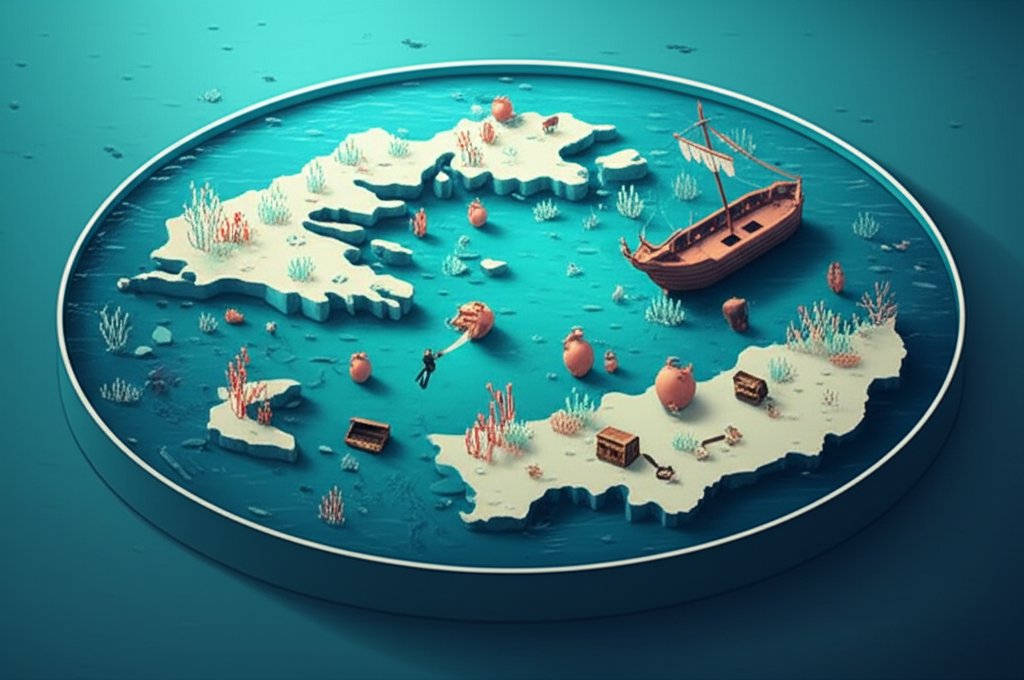
Welcome to an extraordinary journey into the heart of one of the world’s most enigmatic bodies of water – the Black Sea. Far more than just a large inland sea, it is a crucible of history, a geological marvel, and a repository of unexplained phenomena. From its unique anoxic depths that guard ancient shipwrecks to the whispers of a cataclysmic flood that shaped human civilization, the Black Sea invites us to look beyond its surface.
This comprehensive guide will explore Black Sea facts, delve into its enduring mysteries of the Black Sea, and trace its profound Black Sea history. Prepare to uncover the captivating stories, scientific wonders, and ancient secrets that make this region truly unparalleled.
Fascinating Black Sea Facts and Geography
The Black Sea is a semi-enclosed body of water situated at the crossroads of Europe, the Caucasus, and Anatolia. Bordered by six countries—Ukraine, Russia, Georgia, Turkey, Bulgaria, and Romania—it plays a crucial geopolitical and ecological role. Understanding its fundamental characteristics provides a foundation for appreciating its deeper complexities.
Geographical Overview and Connections
The Black Sea is a marginal mediterranean sea, connected to the Atlantic Ocean via a chain of waterways: the Bosphorus Strait, the Sea of Marmara, the Dardanelles Strait, the Aegean Sea, and finally, the Mediterranean Sea. This unique linkage influences its hydrology and biology. It receives freshwater inflow from several major European rivers, including the Danube, Dnieper, and Don, which significantly impacts its salinity and stratification.
A Unique Stratification: The Anoxic Abyss
Perhaps the most striking of all Black Sea facts is its profound anoxia. Approximately 90% of its volume, from about 100-200 meters deep to its maximum depth, contains no free oxygen. This creates two distinct layers: a shallower, oxygen-rich surface layer teeming with life, and a vast, oxygen-deprived deep-water layer. This anoxic zone is a consequence of the limited exchange with the saltier Mediterranean water and the substantial freshwater influx, leading to a stable stratification where denser, saline water remains at the bottom. This condition has profound implications, particularly for the preservation of organic matter and ancient artifacts.
Dimensions and Scale
Despite its semi-enclosed nature, the Black Sea is immense. It boasts a surface area of approximately 436,400 square kilometers (168,500 sq mi) and reaches a maximum depth of 2,212 meters (7,257 feet) – deeper than stacking six Empire State Buildings. Its sheer scale makes it the world’s largest meromictic basin, meaning its water layers rarely mix. This vastness contributes to its role as a significant inland body of water.
Salinity and Temperature
The Black Sea’s salinity is lower than that of the open ocean, averaging around 17-18 parts per thousand (ppt) in the surface layers, compared to the open ocean’s 35 ppt. This is due to the significant freshwater input from rivers. Surface water temperatures vary widely, from near freezing in winter to 25-28°C (77-82°F) in summer, while the deep anoxic layers remain consistently cold, around 9°C (48°F).
The Enduring Mysteries of the Black Sea
Beyond its scientific peculiarities, the mysteries of the Black Sea have captivated explorers, scientists, and storytellers for millennia. From unexplained phenomena to the whispers of lost civilizations, the Black Sea is a canvas for intrigue.
While the Black Sea’s depths conceal a world devoid of oxygen, the allure of the unknown, much like the compelling aura of the color itself, draws us into exploring further, prompting reflection on intriguing facts about the color black.
The Underwater River: A Submerged Wonder
In 2010, scientists made a groundbreaking discovery: a massive underwater river flowing on the seabed of the Black Sea. This “river,” carved into the seafloor, is a dense current of highly saline water that flows from the Mediterranean through the Bosphorus Strait. If it were a surface river, it would rank among the world’s largest, carrying an estimated 22,000 cubic meters of water per second. This phenomenon challenges our traditional understanding of rivers and highlights the dynamic, hidden landscapes beneath the waves. The discovery was made by a team from the University of Leeds using remotely operated vehicles (ROVs) and sonar.
Tales of the “Whirlpool of Death” and Disappearances
Local folklore, particularly from Turkish and Russian fishermen, speaks of a “whirlpool of death” or “white whirlpool” that appears without warning, capable of swallowing ships and even small islands. While often dismissed as legend, historical records feature numerous unexplained disappearances in the region. One notable account is the Soviet battleship Tsiolkovsky, which reportedly vanished on May 31, 1944, enveloped by a mysterious “black fog with green flashing sparkles” in broad daylight near the Crimean peninsula. While skeptics suggest experimental radar invisibility or a natural phenomenon, these stories add to the Black Sea’s enigmatic allure.
Anomalous Magnetic Fields and Energy
Some researchers point to unusual magnetic field readings and energy anomalies in certain areas of the Black Sea, sparking speculation about its mysterious nature. While scientific explanations often link these to geological formations or seismic activity, the persistence of these reports fuels popular theories about unknown forces at play, attracting those who explore Black Sea for the unexplained.
The “Bermuda Triangle” of the Black Sea
Similar to the infamous Bermuda Triangle, some regions within the Black Sea are associated with an unusually high number of unexplained disappearances of ships and aircraft. While meteorological conditions and navigation challenges are often cited, the combination of dense fog, sudden storms, and historical anecdotes keeps the mystique alive. The anoxic depths, preserving whatever sinks, further add to the chilling potential of unknown finds.
A Deep Dive into Black Sea History and Ancient Civilizations
The Black Sea history is as rich and turbulent as its waters, stretching back to ancient times and playing a pivotal role in the rise and fall of empires, the spread of cultures, and the shaping of global trade.
The Black Sea Deluge Hypothesis: A Cataclysmic Past
One of the most compelling theories in Black Sea history is the “Black Sea Deluge Hypothesis,” proposed by William Ryan and Walter Pittman in 1997. This theory suggests that around 7,600 years ago (circa 5600 BCE), the Black Sea, then a much smaller, isolated freshwater lake, was catastrophically flooded by a massive inflow of saltwater from the Mediterranean Sea. As the last ice age ended, global sea levels rose, eventually causing the Mediterranean to breach the Bosporus land bridge. This immense deluge, far more powerful than Niagara Falls, is hypothesized to have displaced ancient coastal populations, scattering them into Europe and Asia, potentially inspiring flood myths found in various cultures, including the biblical story of Noah’s Ark and the Epic of Gilgamesh. While still debated, this hypothesis paints a dramatic picture of the Black Sea’s formative past.
Cradle of Ancient Cultures and Trade Routes
From its earliest days, the Black Sea served as a vital highway for ancient civilizations. The shores were home to a succession of powerful cultures, including:
- Ancient Greeks: Established numerous colonies along the coast starting in the 7th century BCE, drawn by fertile lands and abundant resources. Cities like Odessa (Ukraine), Varna (Bulgaria), and Sinope (Turkey) have deep Greek roots, becoming centers of trade for grain, timber, minerals, and slaves.
- Scythians and Sarmatians: Nomadic peoples who dominated the northern steppes, interacting with Greek colonies and leaving behind rich archaeological treasures.
- Romans and Byzantines: The Roman and later Byzantine Empires held significant sway over the Black Sea, using it for military campaigns and maintaining crucial trade routes that linked Constantinople (modern-day Istanbul) to the vast eastern territories.
- Ottoman Empire: For centuries, the entire Black Sea became an “Ottoman lake” after the fall of Constantinople in 1453, controlling all its ports and trade.
The Black Sea’s strategic location made it a nexus for the Silk Road and Maritime Silk Road branches, facilitating the exchange of goods, ideas, and technologies between East and West.
Shipwrecks: Time Capsules in the Anoxic Depths
The Black Sea’s unique anoxic conditions, which preserve organic materials, have turned its depths into an unparalleled underwater museum. Unlike oxygenated waters, which quickly degrade wood, textiles, and even human remains, the deep Black Sea acts as a perfect preservative.
- World’s Oldest Intact Shipwreck: In 2018, the Black Sea Maritime Archaeology Project (Black Sea MAP) discovered the world’s oldest intact shipwreck—a 2,400-year-old ancient Greek merchant ship. Found at a depth of over 2,000 meters, it lay perfectly preserved with its mast, rudder, and rowing benches still in place, offering unprecedented insight into ancient shipbuilding and seafaring.
- Ottoman and Byzantine Wrecks: Numerous wrecks from the Byzantine and Ottoman periods have also been found, providing invaluable archaeological data on maritime trade, naval warfare, and daily life from various eras. These discoveries continue to rewrite chapters of global maritime history.
Exploring the Black Sea: Biodiversity, Discoveries, and Modern Significance
To explore Black Sea today means encountering a vibrant natural environment, a hub of ongoing scientific discovery, and a region of immense geopolitical importance.
Marine Life and Ecosystems
Despite the vast anoxic zone, the oxygenated surface waters of the Black Sea support a rich and diverse ecosystem. This includes:
- Fish Species: Hake, turbot, plaice, sprat, anchovy, and various species of sturgeon (though many are now endangered).
- Marine Mammals: Three species of dolphins—the Common Bottlenose Dolphin, the Common Dolphin, and the Harbor Porpoise—thrive in its waters.
- Unique Adaptations: Some bacteria and archaea have evolved to live in the anoxic, sulfur-rich deep waters, forming chemotrophic communities that derive energy from chemical reactions rather than sunlight.
However, the Black Sea’s ecosystem is fragile, facing threats from pollution (especially from river inputs), overfishing, and climate change. Conservation efforts are crucial to protect its unique biodiversity.
Modern Research and Exploration
The Black Sea continues to be a focal point for scientific research. Oceanographers, geologists, and marine biologists are constantly working to understand its complex dynamics, from deep-sea currents and the impact of climate change on its anoxic layer to the potential for new archaeological discoveries. The use of advanced remotely operated vehicles (ROVs) and Autonomous Underwater Vehicles (AUVs) allows scientists to penetrate its deepest, darkest secrets.
Cultural and Economic Importance
The six countries bordering the Black Sea have a deep cultural and economic connection to it.
- Tourism: The Black Sea coastlines, with their beautiful beaches, historical sites, and vibrant cities (like Odessa, Sochi, Varna, and Istanbul), attract millions of tourists annually.
- Trade and Shipping: The Black Sea remains a crucial artery for international trade, particularly for agricultural products, oil, and gas, connecting Europe to Central Asia and beyond. Major ports facilitate extensive shipping traffic.
- Fisheries: Despite environmental challenges, fishing continues to be a significant industry for coastal communities.
Understanding and preserving the Black Sea is not just an academic endeavor; it is vital for the livelihoods, cultures, and economies of millions.
Conclusion: The Black Sea – A Living Legacy
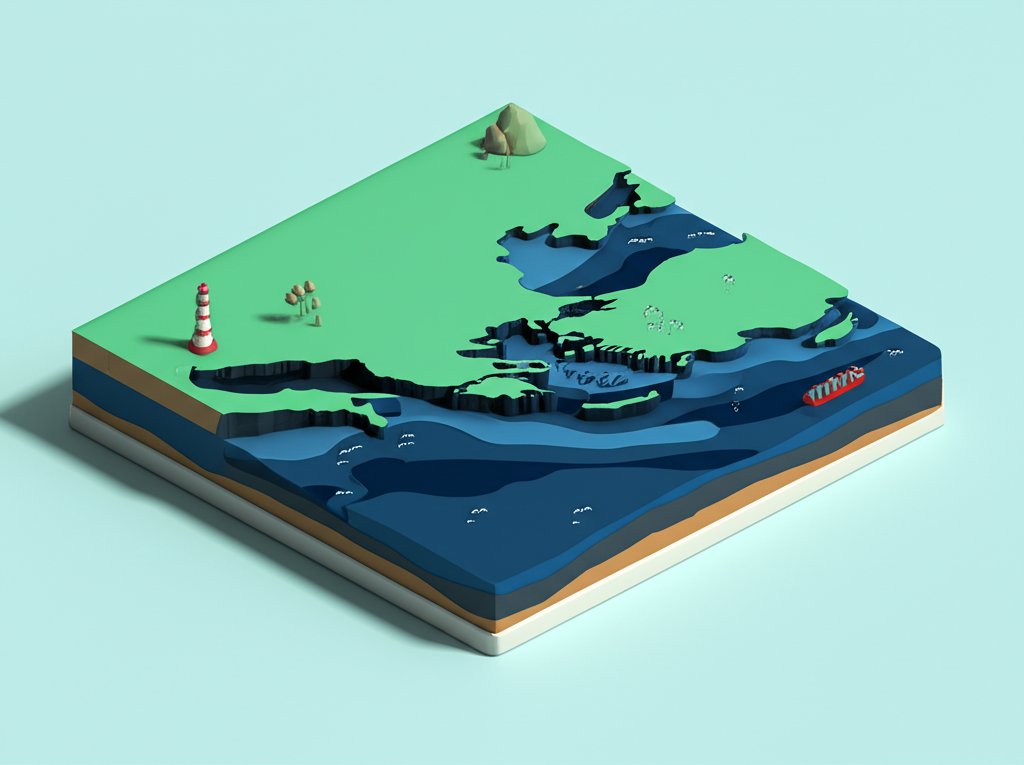
The Black Sea is a true marvel, a body of water where ancient Black Sea history intertwines with startling modern scientific Black Sea facts and persistent mysteries of the Black Sea. From the dramatic “Deluge Hypothesis” to the remarkable preservation of ancient shipwrecks in its anoxic depths, and the recent discovery of an underwater river, this region continually challenges our perceptions and invites deeper investigation.
As we continue to explore Black Sea wonders, we gain not only a profound appreciation for its unique geology and ecology but also a richer understanding of human civilization’s intricate relationship with the natural world. The Black Sea remains a living legacy, a testament to Earth’s dynamic past and a vital ecosystem whose secrets are still being uncovered. Join us in respecting and preserving this extraordinary corner of our planet.
FAQ: Your Questions About the Black Sea Answered
Q1: Why is it called the Black Sea?
A1: There are several theories regarding the name “Black Sea.” One popular theory suggests it’s due to the severe storms and dark, deep waters that made navigation difficult for ancient sailors. Another theory points to the high concentration of hydrogen sulfide in the anoxic deep waters, which can turn metal objects black when submerged. Some historical accounts suggest that ancient civilizations, considering directions relative to themselves, might have referred to it as “the Black Sea” (meaning “North Sea” or “Dark Sea”).
Q2: Is the Black Sea connected to the ocean?
A2: Yes, the Black Sea is connected to the Atlantic Ocean. It links to the Mediterranean Sea through two narrow straits (the Bosphorus and the Dardanelles) and an intervening smaller sea (the Sea of Marmara), which then connects to the Atlantic Ocean via the Strait of Gibraltar.
Q3: What is unique about the Black Sea’s water?
A3: The Black Sea is unique due to its meromictic nature, meaning its layers of water do not mix. Approximately 90% of its volume, below about 100-200 meters, is permanently anoxic (devoid of oxygen) and rich in hydrogen sulfide. This stratification is caused by a significant influx of less dense freshwater from rivers sitting atop denser, saltier water entering from the Mediterranean.
Q4: Are there any famous shipwrecks in the Black Sea?
A4: Yes, the Black Sea is famous for its exceptionally well-preserved shipwrecks due to its anoxic deep waters. The most notable discovery is the world’s oldest intact shipwreck, a 2,400-year-old ancient Greek merchant ship, found in 2018. Numerous other Byzantine and Ottoman era wrecks have also been discovered, offering unparalleled insights into maritime history.
Q5: What major rivers flow into the Black Sea?
A5: Several major European rivers flow into the Black Sea, significantly contributing to its freshwater input and unique characteristics. The most prominent include the Danube, Dnieper, and Don rivers.
Q6: What is the Black Sea Deluge Hypothesis?
A6: The Black Sea Deluge Hypothesis suggests that around 7,600 years ago, the Black Sea was a smaller freshwater lake that was catastrophically flooded by saltwater from the rising Mediterranean Sea, breaching the Bosporus. This massive inundation is theorized to have displaced early human populations and potentially inspired ancient flood myths.
Q7: What kind of marine life can be found in the Black Sea?
A7: The oxygenated surface waters of the Black Sea support diverse marine life, including various fish species like hake, turbot, sprat, and anchovy, as well as three species of dolphins (Common Bottlenose, Common Dolphin, and Harbor Porpoise). However, the deep anoxic layers are largely devoid of complex marine animals, though specialized bacteria and archaea thrive there.
Q8: What is the deepest point of the Black Sea?
A8: The maximum depth of the Black Sea is approximately 2,212 meters (7,257 feet).










