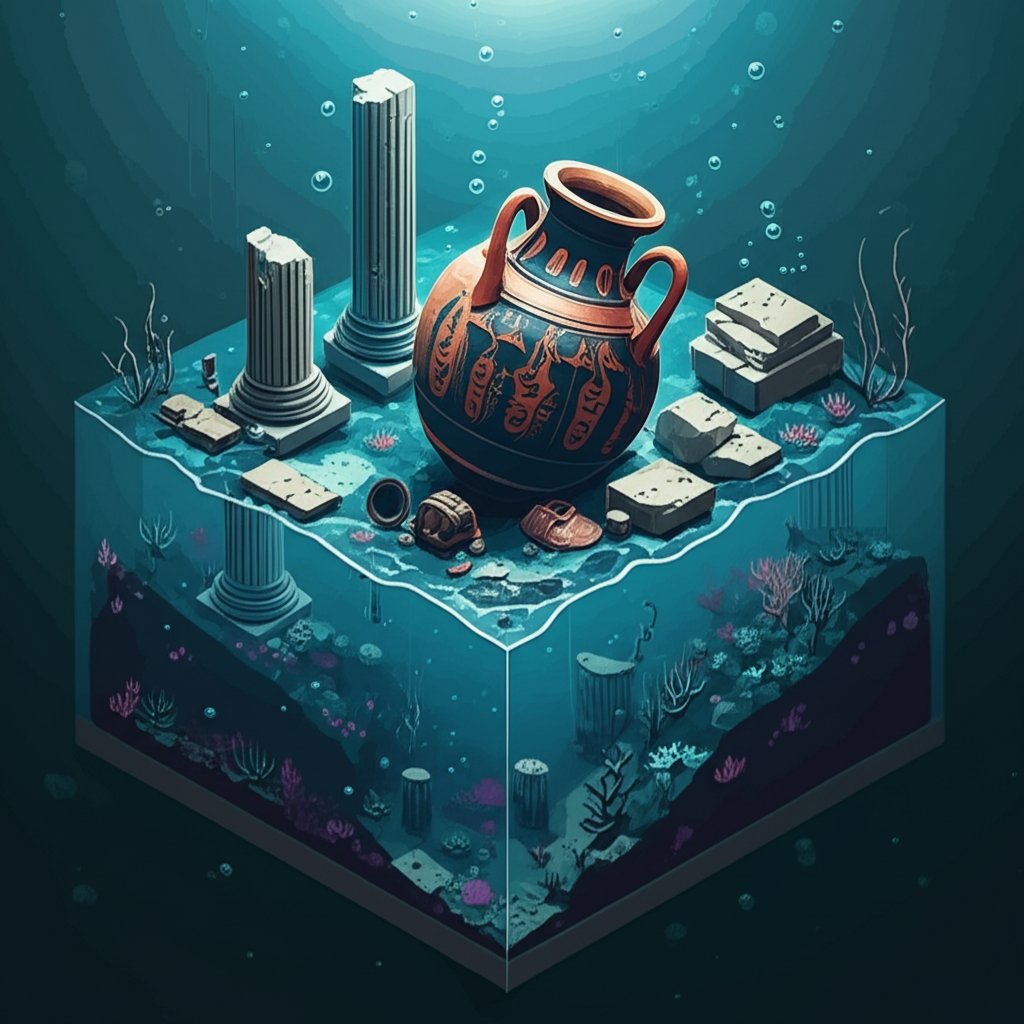
Are you ready to dive deep into the enigmatic world of one of Earth’s most captivating bodies of water? The Black Sea, a vast and mysterious expanse, holds countless secrets beneath its often-stormy surface. From its unique geological makeup to its rich history and diverse ecosystems, there are so many interesting facts about the Black Sea waiting to be explored. Prepare to embark on a journey that will reveal why this sea is not only a geographical marvel but also a treasure trove of fun facts about the Black Sea! We promise a comprehensive look that will answer all your curiosities and leave you amazed by its wonders.
Why is it Called the “Black Sea”? Unraveling the Enigma
One of the first questions many people ask is: why is it called the Black Sea? The name itself conjures images of darkness and mystery, and indeed, its origins are as captivating as the sea itself. Understanding this name is key to grasping some of the most black sea interesting facts.
The Black Sea’s mystique extends beyond its depths; even the color association carries weight, mirroring some of the interesting cultural perceptions around the color black as discussed in other contexts.
The Dark Depths and Anoxic Conditions
The most prominent scientific theory for the “black” designation relates to the sea’s unique chemical composition. Beyond a depth of about 150-200 meters (roughly 500-650 feet), the Black Sea becomes anoxic – meaning it’s almost entirely devoid of oxygen. This oxygen-free environment is rich in hydrogen sulfide, a compound that gives the deep waters a dark, murky appearance and produces black sediments. Objects submerged in these depths can quickly turn black due to chemical reactions. When ancient sailors observed these dark, sulfide-rich sediments brought up by storms or in deep waters, the descriptive name likely stuck.
Historical Theories and Nautical Lore
Historically, various theories attribute the name to severe winter storms that made navigation perilous and the waters appear dark and foreboding. The ancient Greeks initially called it Pontus Axeinos, meaning “Inhospitable Sea,” due to the treacherous conditions and hostile tribes along its shores. After establishing trade routes, they renamed it Pontus Euxinus, or “Hospitable Sea.” However, the Turkish name Kara Deniz (Black Sea) eventually became dominant, influencing its modern English name. This shift in nomenclature itself is an interesting fact about the Black Sea.
A Sea of Extremes: Geography, Depth & Unique Waters
The Black Sea is not just “black” by name; it’s a body of water characterized by several extreme and unique features that set it apart from other seas and oceans. Let’s dive into some more black sea fun facts concerning its physical attributes.
The World’s Largest Meromictic Basin
Prepare to have your perception of seas challenged! The Black Sea holds the title as the world’s largest meromictic basin. This means its layers of water do not mix. Saline water from the Mediterranean (via the Bosphorus Strait) flows in and sinks to the bottom, while less dense, fresher water from rivers (like the Danube and Dnieper) forms the upper layer. A distinct boundary, called a halocline, separates these layers, preventing vertical mixing and creating the vast anoxic zone below. This stratification is a crucial interesting fact about the Black Sea, dictating its unique ecosystems.
A Giant Inland Body with Many Neighbors
While technically considered a marginal sea of the Atlantic Ocean, the Black Sea is largely enclosed, making it the world’s largest inland sea by area. It covers approximately 436,400 square kilometers (168,500 square miles). It is bordered by six countries:
Major rivers, including the mighty Danube, Dnieper, and Don, flow into the Black Sea, contributing a significant amount of freshwater.
The Deep Dive: Immense Depths
The Black Sea plunges to astounding depths. Its maximum depth is a staggering 2,212 meters (7,257 feet) near the center. To put that into perspective, imagine two Empire State Buildings stacked on top of each other, and you’d still be hundreds of feet from the bottom! The average depth is also considerable, at around 1,250 meters (4,101 feet). These extreme depths contribute to the pressure and stability of its meromictic layers.
Geological Activity: An Earthquake Hot Zone
The Black Sea basin lies within a geologically active region, part of the extensive Alpine-Himalayan orogenic belt. This means tectonic plates beneath its surface are constantly shifting and colliding. As a result, the region is an earthquake hot zone, experiencing seismic activity that has, over millennia, shaped its seafloor and coastlines. This geological dynamism adds another layer of intrigue to the black sea interesting facts.
From Freshwater Lake to Salty Sea: A Geological Epic
The Black Sea wasn’t always the saltwater body we know today. Its transformation is a dramatic geological story, offering some truly fascinating fun facts about the Black Sea.
The Great Flood Hypothesis: A Catastrophic Transformation
Geologists believe that around 7,500-8,000 years ago, the Black Sea was a vast, freshwater lake. It was separated from the Mediterranean Sea by a land bridge where the Bosphorus Strait now lies. As global sea levels rose after the last Ice Age, the Mediterranean eventually breached this land bridge, possibly in a catastrophic torrent that some theories link to the biblical flood narratives. This massive influx of saltwater transformed the lake into the salty sea we know today, forever altering its chemistry and ecology. Evidence of sunken ancient shorelines and settlements supports this “Great Flood” hypothesis, making it one of the most compelling black sea interesting facts.
Ancient Rocks: A Chronicle of Time
The geological formations beneath the Black Sea tell an even older story. Some ancient rocks and sediments found in the basin are estimated to be over 540 million years old. These formations offer scientists a chronicle of Earth’s deep past, providing clues about continental shifts, ancient climates, and the evolution of life.
Slow Water Turnover: An Eternal Cycle
Due to its unique meromictic structure and limited connection to the global ocean, the water in the Black Sea has an incredibly slow turnover rate. It takes an astounding 2,500 years for the Black Sea’s entire water volume to be completely recycled. This “eternal cycle” highlights the sea’s isolation and the long-term impact of any changes to its delicate balance, adding to the black sea interesting facts about its hydrology.
Life Above and Below: Ecosystems & Biodiversity
Despite its anoxic depths, the Black Sea teems with life, showcasing a fascinating duality in its ecosystems. There are many fun facts about the Black Sea when it comes to its flora and fauna.
Thriving Surface Waters: A Biodiversity Hotspot
The upper, oxygen-rich layer of the Black Sea, down to about 150-200 meters, is a vibrant marine ecosystem. This layer is home to a variety of fish species, including anchovy, sprat, turbot, and the notorious Black Sea shark (Katran). While Katran sharks do have poisonous spines, they are generally small and shy, posing no real threat to humans. Dolphins (common, bottlenose, and harbor porpoise) also frequent these waters. The Black Sea’s relatively lower salinity compared to the open ocean has led to the evolution of unique species adapted to these conditions.
The Anoxic Abyss and Preserved Shipwrecks
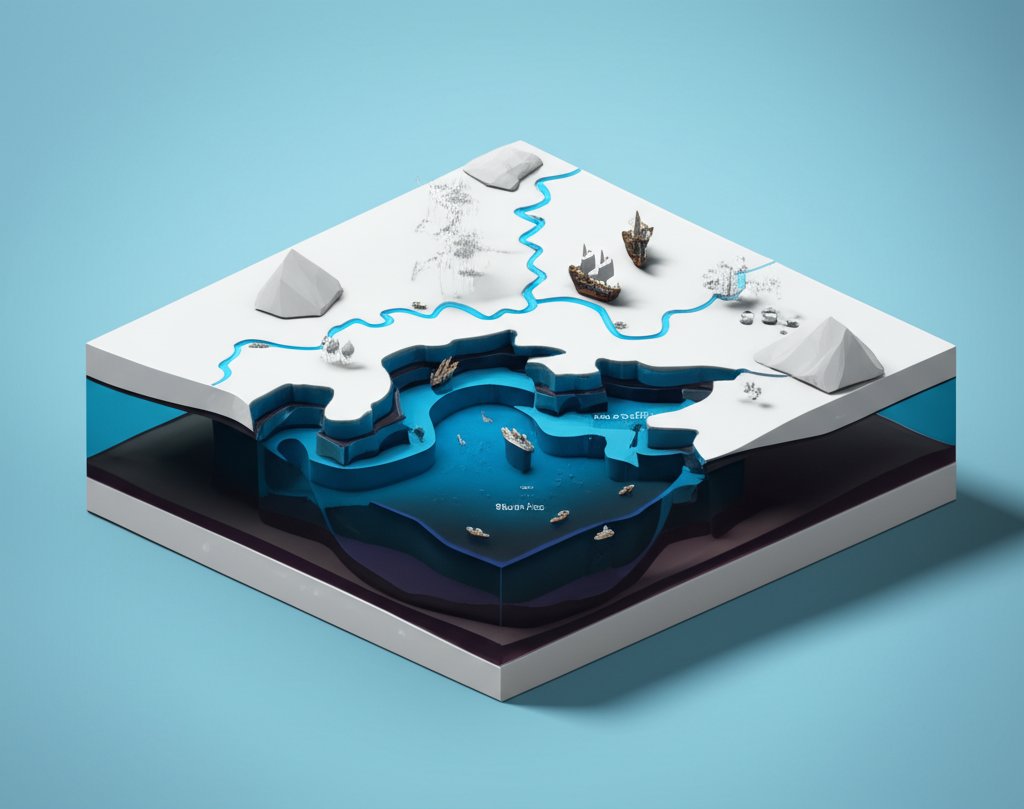
The hydrogen sulfide-rich, oxygen-free lower depths are largely uninhabitable for complex marine life. However, this deadly environment transforms into a miraculous preservation chamber. The lack of oxygen and decomposing organisms means that organic material, including ancient shipwrecks and their cargo, can remain remarkably intact for centuries or even millennia. Archaeologists have discovered incredibly well-preserved vessels, some dating back to the Byzantine and Ottoman empires, offering unprecedented glimpses into ancient maritime history. These underwater time capsules are among the most exciting black sea interesting facts.
Islands, Coasts, and Unique Habitats
The Black Sea is home to a relatively small number of islands, each with its own charm and history. Notable examples include Snake Island (Ukraine), a significant site for seabirds, and St. Ivan Island (Bulgaria), known for its monastic ruins and natural beauty. The diverse coastlines, ranging from rocky cliffs to sandy beaches and river deltas, provide habitats for a wide array of birds, plants, and terrestrial animals, contributing to the overall biodiversity surrounding the Black Sea.
Human History, Culture & Strategic Importance
Beyond its natural wonders, the Black Sea has been a crucible of human history and culture for millennia, touching upon ancient myths, trade, and modern geopolitics. These narratives offer compelling black sea interesting facts about our shared past.
Ancient Civilizations and Trade Routes
From the earliest human settlements to the powerful empires of antiquity, the Black Sea has always been a crossroads. The ancient Greeks established numerous colonies along its shores, viewing it as a vital gateway for trade, particularly for grain and slaves. Mythological tales, such as Jason and the Argonauts’ quest for the Golden Fleece, are often set in the Black Sea region. Later, the Roman, Byzantine, Ottoman, and Russian empires all vied for control of its strategic waterways, which formed a crucial link in the Silk Road trade network connecting East and West.
Modern Day Significance: Tourism, Shipping & Geopolitics
Today, the Black Sea remains a region of immense strategic and economic importance. Its coastlines are popular tourist destinations, offering stunning beaches and historical sites in countries like Bulgaria, Romania, Turkey, and Georgia. Shipping lanes are heavily trafficked, transporting oil, gas, and goods. Furthermore, the Black Sea is a critical geopolitical arena, serving as a maritime border for NATO members and Russia, making it a focus of international relations and military activity.
Beyond the Surface: Myths, Mysteries & Modern Challenges
The Black Sea continues to inspire awe and curiosity, not just for its established facts but also for the enduring mysteries it holds and the contemporary issues it faces.
Legends and Lore: Echoes of Atlantis?
The dramatic geological transformation of the Black Sea from a freshwater lake has led some to speculate if it could be connected to the legend of Atlantis or other ancient flood myths. While concrete evidence tying it directly to Atlantis is lacking, the sudden and catastrophic inundation certainly left an indelible mark on the region’s collective memory and cultural narratives, making these tales a fascinating aspect of black sea fun facts.
Environmental Concerns: A Delicate Balance
Despite its vastness, the Black Sea is a relatively enclosed and vulnerable ecosystem. It faces significant environmental challenges, including pollution from industrial and agricultural runoff, particularly from the major rivers flowing into it. Overfishing has also impacted certain marine populations. International efforts are underway to monitor and protect its unique biodiversity and preserve this extraordinary body of water for future generations.
Future Discoveries: What Lies Beneath?
The Black Sea’s anoxic depths still hold countless undiscovered secrets. The preserved shipwrecks are just the beginning; scientists believe many more ancient artifacts and even geological formations await discovery in this unique environment. Its distinct biological and chemical processes also make it a living laboratory for studying extreme environments on Earth, and possibly, implications for extraterrestrial life.
Conclusion: The Black Sea’s Enduring Allure
From its intriguing name to its profound depths, the Black Sea is truly a world wonder. We’ve journeyed through its geological past, explored its unique layers of life, and touched upon its rich human history. The sheer volume of interesting facts about the Black Sea highlights its significance as a natural marvel and a cradle of civilization. Whether you’re captivated by its ancient shipwrecks, its unusual anoxic zone, or its strategic geopolitical role, there’s no denying the enduring allure of this remarkable body of water. Its mysteries continue to beckon, inviting us to learn more about our planet’s incredible diversity.
FAQ
Q1: Why is it called the Black Sea?
A: The name “Black Sea” is largely attributed to the dark, hydrogen sulfide-rich sediments found in its deep, oxygen-depleted (anoxic) waters, which can turn submerged objects black. Historically, severe storms may also have contributed to the perception of dark, dangerous waters.
Q2: Is the Black Sea a freshwater or saltwater sea?
A: The Black Sea is a saltwater sea. However, it was once a large freshwater lake before reconnecting with the Mediterranean Sea approximately 7,500-8,000 years ago through the Bosphorus Strait, leading to a massive influx of saltwater.
Q3: What makes the Black Sea unique?
A: The Black Sea is unique primarily because it is the world’s largest meromictic basin. This means its layers of water (a fresher upper layer and a saltier lower layer) do not mix, creating a vast, oxygen-free (anoxic) zone in its depths that preserves organic matter, including ancient shipwrecks, remarkably well.
Q4: How deep is the Black Sea?
A: The Black Sea has a maximum depth of 2,212 meters (7,257 feet). Its average depth is approximately 1,250 meters (4,101 feet).
Q5: What countries border the Black Sea?
A: Six countries border the Black Sea: Turkey, Bulgaria, Romania, Ukraine, Russia, and Georgia.
Q6: Are there sharks in the Black Sea? Are they dangerous?
A: Yes, there are sharks in the Black Sea, specifically the Spiny Dogfish, also known locally as “Katran.” These sharks are generally small, shy, and not considered dangerous to humans. They possess venomous spines, but typically avoid people.
Q7: How long does it take for the Black Sea’s water to cycle?
A: Due to its unique meromictic structure and limited connection to the open ocean, it takes an estimated 2,500 years for the entire volume of water in the Black Sea to be completely recycled.










