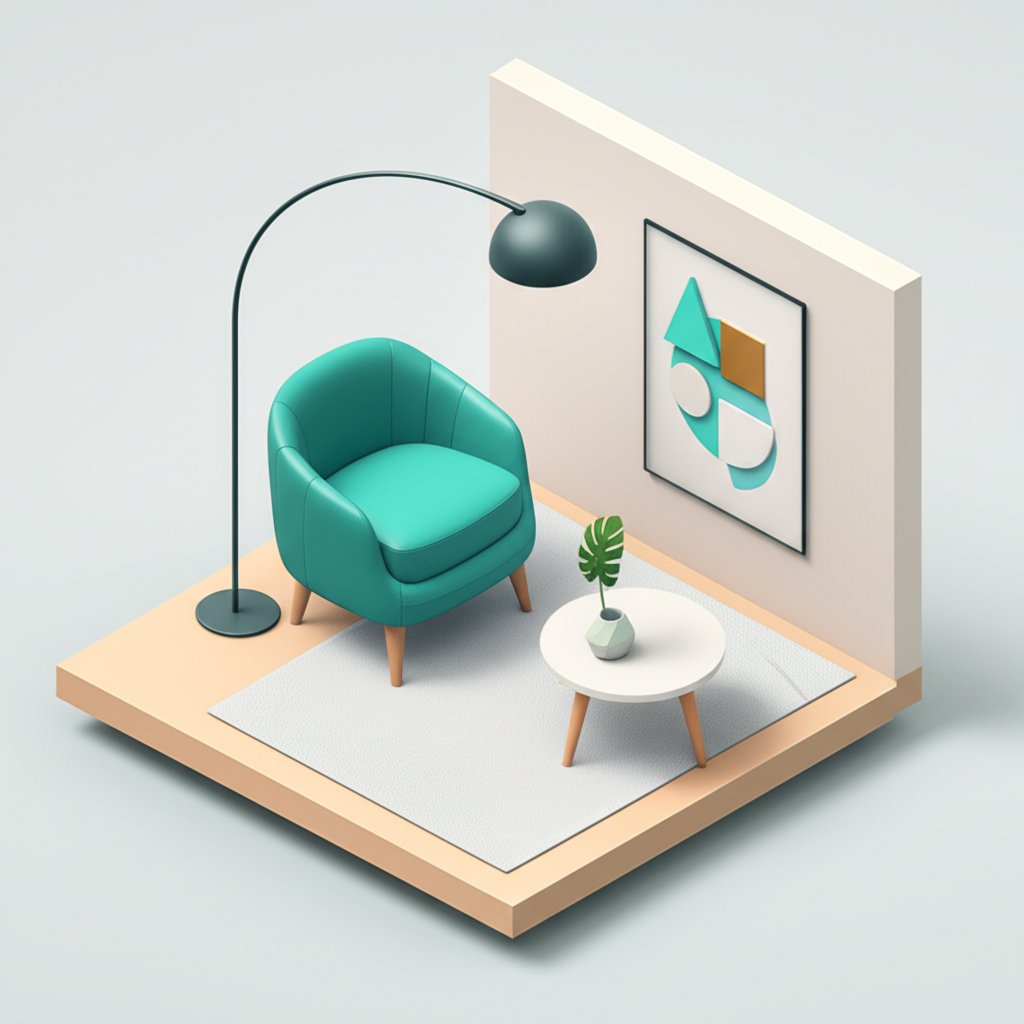
Prepare to dive into the mesmerizing world of captivating turquoise interior design, where vibrant hues transform ordinary spaces into extraordinary sanctuaries. Beyond being just a color, turquoise embodies a unique blend of calming serenity and invigorating energy, making it a powerful tool for crafting truly memorable environments. If you’re eager to infuse your home with personality and create a space that genuinely reflects your style, our expert guide will unveil the secrets to mastering this enchanting shade. Get ready to explore unconventional interior design approaches and discover unique uses of turquoise that will elevate your living spaces from mundane to magnificent.
The Allure of Turquoise: More Than Just a Color
Turquoise has fascinated humanity for millennia, not merely for its striking beauty but for the profound sentiments it evokes. Its ability to bridge the gap between the calming blue of the sky and the rejuvenating green of the sea offers a spectrum of emotional and aesthetic possibilities for turquoise interior design.
The Psychology and History of Turquoise
From ancient Egyptian pharaohs adorning themselves with turquoise amulets to Native American cultures revering it as a sacred stone connecting heaven and earth, turquoise carries a rich tapestry of history and symbolism. Psychologically, turquoise is renowned for its calming and grounding energy, promoting clarity of thought, emotional balance, and fostering open communication. It’s a color that stimulates creativity while simultaneously reducing stress, making it an ideal choice for both energetic hubs and serene retreats within the home. Drawing inspiration from its historical significance and psychological impact allows designers to craft spaces that resonate on a deeper, more meaningful level. As leading color psychologists often note, “Turquoise acts as an emotional cleanser, creating a sense of peace and protection.”
Why Turquoise is Perfect for Captivating Interior Design
What makes turquoise a go-to for captivating interior design? Its unparalleled versatility. Turquoise strikes a delicate balance between warm and cool tones, allowing it to adapt effortlessly to various design palettes and styles. Whether you envision a bohemian paradise, a minimalist modern apartment, or a sophisticated traditional home, turquoise can serve as a stunning focal point or a harmonious accent. Its refreshing vibrancy can breathe life into neutral schemes, while its inherent tranquility can soften bolder, more dramatic backdrops. This adaptability makes it an exceptional choice for those looking to infuse character and a distinctive charm into their spaces.
Mastering Turquoise Interior Design: Core Principles
To truly harness the power of turquoise, understanding how to integrate it harmoniously with other elements is crucial. The goal is to achieve a balanced, cohesive look that maximizes turquoise’s impact without overwhelming the senses.
What makes turquoise so effective is its versatility, but sometimes, finding the right balance can be tricky, which is why learning how to handle an awkward bulwark in a room could open up a whole new world of design possibilities. awkward bulwark in room.
What makes turquoise so versatile in interior design is its adaptability, a trait also admired in innovative design services like those discussed when exploring the Designjoy controversy.
Balance is Key: Pairing Turquoise with Other Hues
The secret to a successful turquoise interior design lies in its companions.
unconventional interior design choices.Texture and Material: Elevating Turquoise Accents
The material and texture of your turquoise elements profoundly influence the overall feel of a space.
turquoise design ideas.Unique Uses of Turquoise for Unconventional Interior Design
Moving beyond conventional accent walls, turquoise offers an exciting palette for truly innovative and unconventional interior design. Unleash your creativity with these unique uses of turquoise.
The Bold Statement: Turquoise Walls and Large Furniture
While a turquoise statement wall is a classic for a reason, consider its maximum impact. Imagine not just one wall, but a nook, an entire compact room (like a powder bath), or even the ceiling painted a rich turquoise. This creates an immersive experience, wrapping inhabitants in the color’s embrace. For furniture, a striking turquoise velvet sofa can serve as the vibrant heart of a living room, immediately drawing the eye and setting a luxurious tone. Alternatively, a large turquoise lacquered credenza or a pair of high-backed dining chairs can introduce a powerful, unexpected pop of color in a sophisticated manner, making a design statement that is both elegant and daring.
Subtle Sophistication: Accent Pieces and Decorative Elements
For those who prefer a more understated approach, turquoise accessories offer endless opportunities to craft a captivating interior design.
Beyond the Expected: Incorporating Turquoise in Unexpected Places
True unconventional interior design lies in thinking outside the box.
Turquoise Design Ideas for Every Room
Let’s explore specific turquoise design ideas tailored for different rooms, ensuring each space benefits from its unique charm.
Living Room: A Refreshing Oasis
In the living room, turquoise can foster a sense of relaxation and convivial energy. A large area rug featuring captivating turquoise interior design patterns can define the seating area and infuse warmth. For a bolder statement, consider a feature wall behind your main sofa painted in a deep, rich turquoise, contrasting beautifully with lighter furniture. Scatter turquoise throw pillows on sofas and armchairs, and introduce decorative accessories like vases, candles, or coffee table books with turquoise accents. Pair with natural woods and metallic elements for a balanced, sophisticated aesthetic.
Bedroom: Serenity and Style
Transform your bedroom into a serene sanctuary with turquoise. Opt for soft turquoise bedding, a plush throw, or a upholstered headboard in a subtle turquoise fabric. For a calming effect, paint two opposing walls in a muted turquoise shade, leaving the others neutral. Introduce turquoise through lampshades, sheer curtains, or a piece of serene abstract art above the bed. The color’s ability to promote relaxation makes it perfect for restful sleep and peaceful mornings.
Kitchen & Dining: A Splash of Vibrancy
Infuse your kitchen and dining areas with a refreshing splash of turquoise. Consider a turquoise kitchen island as a dynamic focal point against white or light wood cabinetry. A turquoise subway tile backsplash can add a vibrant, modern touch. For a less permanent commitment, use turquoise dining chairs, placemats, or pendant lighting above the dining table. This color stimulates conversation and brightens the space, making meal times more enjoyable.
Bathroom: Spa-like Retreat
Creating a spa-like atmosphere is effortless with turquoise interior design in bathrooms. Use turquoise mosaic tiles in the shower or as a vanity backsplash to evoke the soothing presence of water. Incorporate turquoise towels, bath mats, and accessories like soap dishes and tumblers. Even a single turquoise vanity cabinet can transform the space, giving it a luxurious and tranquil feel reminiscent of a high-end resort.
Home Office/Study: Boosting Creativity
Bring clarity and creativity to your home office with turquoise. A turquoise desk chair, a custom-painted workspace, or a vibrant piece of turquoise artwork can stimulate focus and imagination. Organize your space with turquoise storage boxes or desk accessories. The color’s psychological attributes make it ideal for fostering productivity and clear communication, helping you tackle tasks with renewed energy.
Achieving Captivating Interior Design with Turquoise: Expert Tips
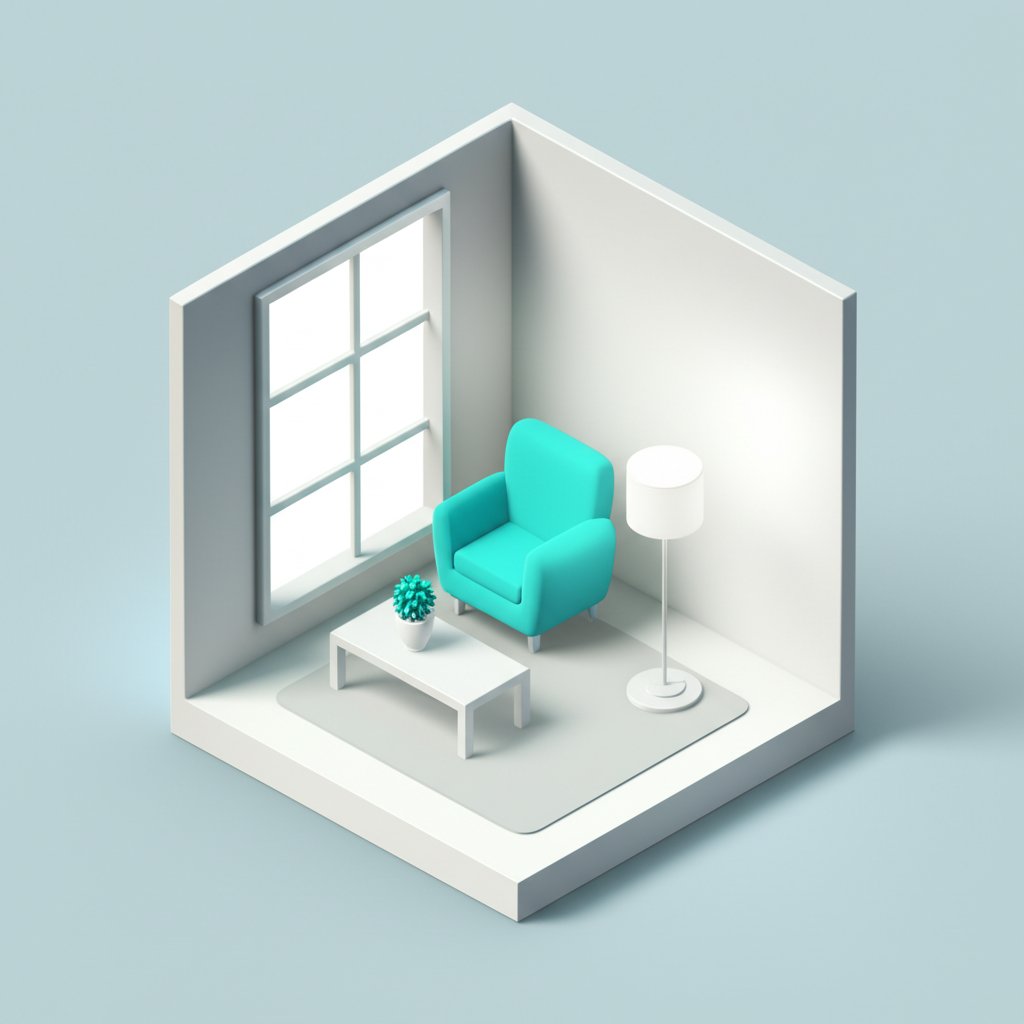
To ensure your turquoise interior design is truly captivating and not overwhelming, a few expert considerations are key.
Lighting Strategies for Turquoise
Lighting plays a critical role in how turquoise is perceived.
Scale and Proportion: Avoiding Overwhelm
The key to a captivating interior design is balance. A common design principle suggests a 60-30-10 rule: 60% dominant color (often a neutral), 30% secondary color, and 10% accent color. Turquoise can be your 30% secondary or your 10% accent, depending on the desired impact. For a bolder statement, it can even take up a larger percentage in a monochromatic scheme with varying shades. Avoid scattering too many small turquoise items without a cohesive theme; instead, opt for a few impactful pieces that draw the eye. Remember, even a single, well-chosen turquoise element can make a powerful statement.
Personalizing Your Turquoise Palette
Ultimately, your turquoise interior design should reflect your personal taste. Don’t be afraid to experiment with different shades – from pale aquamarine to deep teal – and combine them with materials and textures that speak to you. Incorporate personal collections, travel souvenirs, or family heirlooms that complement the turquoise palette. Maybe it’s a collection of sea glass, or a vintage piece of pottery that picks up on the turquoise nuances. Designing with turquoise is an opportunity for self-expression, creating a space that feels uniquely yours and offers a captivating interior design experience every day.
Conclusion
Turquoise stands as a versatile, powerful, and truly captivating turquoise interior design choice. From its rich historical roots and positive psychological impact to its adaptability across diverse styles and spaces, this stunning hue offers endless possibilities. By embracing unique uses of turquoise and daring to venture into unconventional interior design territories, you can transform any room into a refreshing oasis, a serene retreat, or a vibrant hub of creativity. Through thoughtful pairing, strategic lighting, and mindful proportion, you can unlock the full potential of turquoise, creating an environment that is not only beautiful but deeply personal and inspiring. Ready to infuse your home with the undeniable charm of turquoise and create a space that truly captivates? The secrets are now yours to explore.
FAQ
Q: What colors pair best with turquoise in interior design?
A: Turquoise is incredibly versatile! It pairs beautifully with neutrals like white, gray, and beige for a fresh look. For warmth and drama, consider coral, deep oranges, gold, or brass. Earthy tones such as natural wood and dark green create a grounding, organic feel.
Q: Can turquoise be used in a minimalist or contemporary design?
A: Absolutely! In minimalist designs, use turquoise as a striking accent through a single piece of furniture, a bold piece of art, or subtle decorative elements against a backdrop of clean lines and neutral colors. For contemporary styles, high-gloss turquoise finishes, geometric patterns, or a sophisticated turquoise accent wall can create a chic and modern aesthetic.
Q: How can I incorporate unique uses of turquoise without overwhelming a small space?
A: In small spaces, focus on impactful yet controlled applications. Consider a single turquoise accent wall to add depth without clutter, or use turquoise in unexpected, smaller elements like painted window frames, a vibrant ceiling, or a collection of small, eye-catching ceramics. Strategic placement of turquoise in accessories like throw pillows, artwork, or a unique light fixture can add charm without visually shrinking the room.
Q: Is turquoise a trending color, or is it timeless for interior design?
A: While turquoise often cycles through periods of heightened trendiness, its roots in natural elements (sky, ocean, minerals) and its positive psychological associations give it a timeless quality. It’s considered a classic for coastal, bohemian, and even traditional styles, ensuring it remains relevant and captivating turquoise interior design for years to come.
Q: What are the psychological benefits of using turquoise in a room?
A: Turquoise is widely known for its calming and grounding effects. It promotes feelings of tranquility, serenity, and emotional balance. Many believe it stimulates creativity, aids in clear communication, and can reduce stress and anxiety, making it an excellent choice for bedrooms, meditation spaces, and home offices.










