You’ve probably spotted jumping spiders, with their endearing, large eyes, hopping about your home. But are these tiny creatures capable of causing harm with a venomous bite? And are jumping spiders dangerous or potentially poisonous? Let’s unravel the facts about these fascinating spiders and determine if their bite is something to be concerned about.
Identifying Jumping Spiders: Your Tiny Housemates
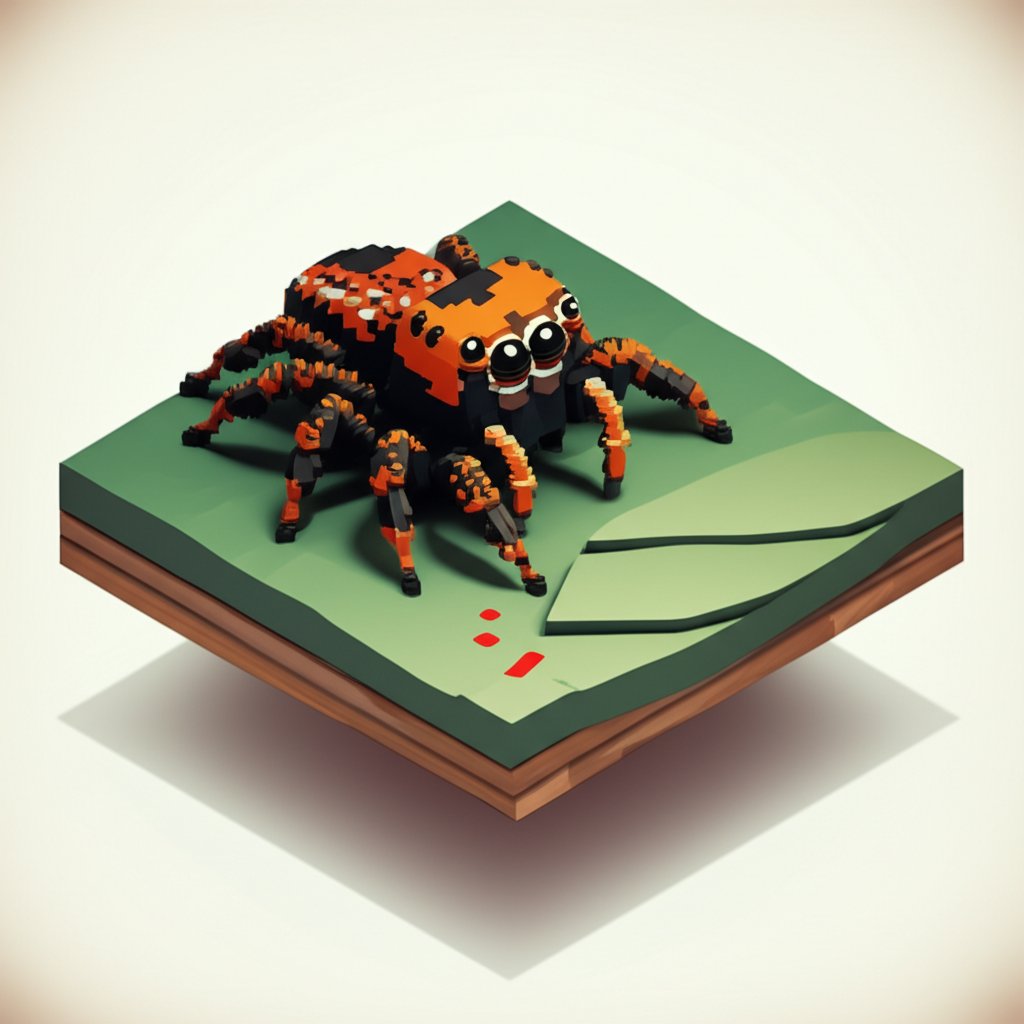
Before we dive into their venom and bites, let’s get to know these intriguing arachnids. Jumping spiders are quite recognizable by several distinctive visual characteristics. They possess eight eyes arranged in three rows, with two large, prominent, forward-facing eyes that provide exceptional vision, crucial for their hunting style. Their compact bodies, ranging from about 1/8 to 3/4 inches in length, are often covered in dense hairs or iridescent scales, displaying colors like black, brown, tan, or gray, often with pale or colorful markings.
These spiders are known for their jerky, pouncing movements and their remarkable ability to jump many times their body length, both for hunting prey and escaping danger. Unlike many other spiders, they do not build intricate webs to catch prey but actively stalk and pounce on targets. Their presence is often a sign of a healthy ecosystem, as they are natural pest controllers.
Decoding the Bite: Venom & Its Effects
Yes, jumping spiders, those charming creatures, are indeed venomous. However, their venom is relatively harmless to humans, comparable to a mild mosquito bite or even a bee sting for most individuals.
Think of venom as a tool creatures use for survival. Jumping spiders use their venom to swiftly overpower their insect prey. However, for humans, it poses minimal threat when a **jumping spider bite** occurs. Most people experience mild redness and itching at the bite site, often accompanied by a sharp, temporary pain similar to a pinprick. In rare cases, tiny dots from the spider’s fangs might be visible, though this is uncommon.
While serious reactions are rare, some individuals might be more sensitive to a jumping spider’s venom, experiencing increased swelling, itching, or a more pronounced sting. In exceptionally rare cases, symptoms like dizziness or a rapid heartbeat might occur. If that happens, it’s always best to consult a medical professional, especially if symptoms worsen or persist for more than 24-48 hours. If possible, bringing the spider for proper identification can also be helpful.
It’s important to remember that jumping spiders are not aggressive. They are far more likely to hop away from danger than engage in confrontation. Their primary interest lies in keeping our gardens and homes free from pesky insects.
So, the next time you encounter a jumping spider, remember, they are more afraid of you than you are of them. Take a moment to appreciate their unique beauty and their significance in our ecosystem.
Are Jumping Spiders Poisonous? Clarifying the Terms
A common question arises: are jumping spiders poisonous? It’s crucial to understand the distinction between “venomous” and “poisonous.” A creature is venomous if it injects toxins (like a spider bite or snake bite), while it’s poisonous if toxins are spread by touch or ingestion (like certain frogs or mushrooms). While jumping spiders are indeed venomous, meaning they produce venom, their fangs are designed to inject this venom into small insect prey.
For humans, a jumping spider’s venom is not harmful in the way a poison would be. Their venom is too weak to cause any significant toxic effect if, for example, somehow ingested. Therefore, to directly answer the question, no, jumping spiders are not poisonous to humans. Their mild venom poses no internal threat, and there are no records of serious injuries or fatalities caused by their venom.
Do Jumping Spiders Bite? Understanding Their Defensive Nature
The short answer is yes, jumping spiders can bite, but they rarely do so. Bites are almost exclusively a defensive action, not an aggressive one, especially when it comes to humans. These spiders much prefer to escape rather than engage in a confrontation with something as large as a person.
Jumping spiders typically bite under specific circumstances:
- Feeling Threatened: If a spider feels cornered, trapped, or roughly handled, it may bite as a last resort to defend itself.
- Accidental Contact: A bite might occur if a spider is accidentally pressed against the skin, perhaps while working in the garden or putting on clothes where one might be hiding.
- Mistaken Identity: In rare cases, a spider might mistake a finger for prey or a sudden movement as a threat.
Their venom contains enzymes specifically adapted to their insect prey’s nervous systems, having very little impact on mammalian tissue. This is why when do jumping spiders bite, the effects are usually so minor for us.
How to Minimize the Risk of a Jumping Spider Bite
To reduce the already low risk of a bite, consider these preventative measures:
- Avoid making sudden movements if you spot a jumping spider nearby.
- Do not try to provoke, prod, or catch them with bare hands.
- Wear gloves when gardening, cleaning out sheds, or working in areas where spiders might be present.
- Shake out clothing and shoes that have been left outdoors before wearing them.
- Simply leave them alone. They are beneficial creatures and will likely move on quickly.
Are UK Jumping Spiders Dangerous? Decoding the Bite and Venom
We’ve discovered that jumping spiders are remarkable little creatures. But what about those fangs? Should we be worried about their presence in the UK? The good news is that UK jumping spiders are not considered dangerous to humans. Their venom is specifically tailored to their insect prey, primarily flies and other small creatures. It’s simply not potent enough to harm a larger being, like a human.
However, this doesn’t mean a **jumping spider bite** is entirely inconsequential. If they feel threatened, they might bite, but even then, their bite is more likely to be a minor annoyance than a medical emergency. Think of it as a bee sting – perhaps a bit painful and itchy, but certainly not a reason to rush to the hospital.
Typically, you might experience some redness around the bite, and it might feel itchy or even a bit stingy. Sometimes, it might swell up a bit, similar to a mosquito bite. These reactions are entirely normal and usually disappear swiftly.
However, it’s crucial to remember that everyone reacts differently. While most individuals will easily brush off a jumping spider bite, some people might have an allergic reaction, although this is fairly uncommon. If you suddenly feel dizzy, have difficulty breathing, or notice any other unusual symptoms, it’s best to err on the side of caution and seek medical attention, especially if symptoms worsen over 24-48 hours.
If you do happen to get bitten by a jumping spider, the recommended course of action is to:
- Wash the bite thoroughly with soap and warm water to prevent infection.
- Apply a cold compress or ice pack to the area for 10-15 minutes to reduce any swelling, itching, or burning sensation.
- If a welt appears, similar to a mosquito bite, you can apply an over-the-counter antibiotic ointment.
- If you’re experiencing discomfort, an over-the-counter pain reliever should suffice.
Remember, UK jumping spiders are generally harmless creatures, more preoccupied with their next meal than sinking their fangs into you. Nevertheless, it’s always wise to stay informed so you can react appropriately if you ever come face-to-face with one of these captivating creatures.
Beyond the Bite: Are Jumping Spiders Dangerous to Humans?
Despite their generally harmless nature, the question “are jumping spiders dangerous?” is a common one, often fueled by instinctive fears like arachnophobia. Their quick movements and prominent eyes can indeed appear intimidating. However, understanding their behavior and biology helps alleviate these concerns.
Jumping spiders are active hunters with exceptional eyesight, allowing them to stalk prey with remarkable precision. Their ability to jump, powered by rapid changes in blood pressure rather than muscles, makes them highly effective predators for insects. This unique hunting style, combined with their generally compact bodies and sometimes vibrant patterns, makes them fascinating to observe.
Far from being a threat, these arachnids play a vital role in our ecosystems as natural pest controllers, preying on various nuisance insects around homes and gardens, including common pests like mosquitoes, flies, and mites. Their presence is actually an indicator of a healthy environment. Ultimately, the truth is that despite their appearance and ability to jump, jumping spiders are not dangerous to humans and are far more beneficial than threatening.
Is It Safe to Hold a Jumping Spider? Unveiling the Truth
Have you ever wondered if it’s safe to hold one of those fascinating jumping spiders? It’s a question many people ponder. The short answer is – probably! They would much rather leap away than bite, and their venom is not a significant concern for humans. It’s more akin to a mosquito bite than anything else. But, just as with any creature, there are a few things to keep in mind to ensure a safe and enjoyable interaction for both parties.
Those Tiny Fangs, Though… What’s Up with Jumping Spider Venom?
Jumping spiders use their venom to secure their meals, which consist mainly of insects. They pose no real threat to us! Their venom is far weaker than a bee sting, designed to act swiftly on their prey, not to cause us any harm.
“Jumping spiders may contain venom, but this venom is not capable of causing any harm to humans.” – PestWorld
Gentle Giants: How to Hold a Jumping Spider (If You Really Want To)
If you’re feeling adventurous and want to hold a jumping spider, the key is to remain calm and collected. Picture yourself attempting to befriend a tiny, jumpy neighbor. No sudden movements! The last thing you want to do is startle them. Instead of grabbing, try gently guiding the spider onto your hand. And remember, no squeezing! If your new friend seems frightened or tries to make a run for it, let them go.
What If It Bites?
While **jumping spider bite**s are uncommon, accidents can happen, even in the spider world. If a jumping spider does bite you, it will likely feel similar to a mosquito bite – perhaps a bit itchy, red, or a sharp, temporary sting. This usually disappears quite quickly. However, in very rare instances, someone might experience a stronger reaction, similar to an allergy. If you notice anything out of the ordinary or the bite seems worse than usual, or if symptoms persist for more than 24-48 hours, it’s always best to consult a doctor, just in case.
The Bottom Line on Jumping Spiders
For the most part, jumping spiders are harmless little creatures far more interested in catching flies than biting people. Their venom is not a threat to us, and they’d much rather jump away than engage in a fight. That said, a little respect goes a long way! If you decide to hold one, be gentle, stay calm, and you’ll both likely have a pleasant (if brief) encounter.
Why Do Jumping Spiders Wave? Unraveling the Secrets of Their Adorable Gestures
Have you ever seen a jumping spider and noticed it seemingly waving its little legs at you? It’s undeniably adorable, but don’t be fooled! They’re not actually trying to greet you. This charming behavior is all part of their fascinating visual communication system.
Think of it as their own secret language, but instead of words, they use those captivating leg movements. They’re basically trying to communicate with other creatures, including you, conveying messages about their intentions.
So, why the waving? Well, it could be a few things. Sometimes, it’s a defense mechanism. By waving their legs, they might be trying to appear larger and more intimidating to ward off potential threats. Other times, it’s all about romance! Male jumping spiders are renowned for their elaborate courtship dances, and yes, you guessed it, leg waving plays a significant role in winning over a potential mate.
While researchers believe they use waving to communicate with other jumping spiders, the specifics of those conversations remain somewhat of a mystery. Scientists are still working to crack the code of this intricate spider language!
And it’s not just jumping spiders that engage in this leg-waving behavior. Many other spider species use these kinds of leg movements as well, highlighting the crucial role visual communication plays in their survival.
Now, while some people might feel uneasy around spiders, it’s important to remember that jumping spiders are generally harmless to humans. Their venom is designed to subdue their insect prey, not people. So, the next time you see one, there’s no need to be afraid! In fact, they are more likely to jump away from you than towards you.
Believe it or not, these little creatures play a vital role in our ecosystem. They are like tiny pest control experts, helping to keep insect populations in check. So, let’s give a round of applause to jumping spiders and their captivating footwork!











1 thought on “Are Jumping Spiders Venomous? The Truth About Their Bite”
Comments are closed.