Across the sun-drenched landscapes and bustling souks of North Africa, a distinctive garment flows with an air of ancient mystique: the burnoose. Far more than a simple piece of fabric, this iconic traditional cloak embodies centuries of history, resilience, and cultural identity. For those seeking to understand North African clothing, the burnoose stands as a paramount example, a timeless symbol deeply interwoven with the lives and heritage of the region’s people, particularly the indigenous Berbers. Join us as we journey through time and tradition to unravel the captivating story of this enigmatic Berber cloak, exploring its profound origins, enduring significance, and remarkable evolution.
Tracing the Legacy: The Deep History of the Burnoose
To appreciate the burnoose’s enduring appeal, one can also explore the broader history of dressmaking to understand the context of garment evolution across different cultures and eras.
The history of the burnoose stretches back into the distant past, its origins as veiled as the desert landscape it so perfectly complements. This venerable garment is a living artifact, echoing narratives from ancient civilizations to modern-day struggles for cultural preservation. Understanding its timeline offers profound insights into the societies that shaped and were shaped by it.
Ancient Roots: Numidia and Beyond
While precise origins remain subject to scholarly debate, compelling evidence suggests the burnoose boasts a heritage predating many written records. Rock engravings discovered near Sigus, Algeria, depict figures draped in garments strikingly similar to the modern burnoose, hinting at its presence among the ancient Numidian civilization. These powerful, horse-riding peoples, who flourished in North Africa thousands of years ago, likely found the hooded cloak an indispensable part of their attire for protection against the elements and as a marker of identity.
Further solidifying its ancient lineage, Roman texts, such as “Expositio totius mundi et gentium,” refer to a garment called “byruss Numidicus” – literally, the “Numidian hooded cloak.” This consistent historical recognition underscores the burnoose’s deep-rooted connection to ancient North Africa, establishing it as a foundational piece of traditional cloak design in the region long before the arrival of new cultures.
Linguistic Journey: The Etymology of ‘Burnoose’
The very name “burnoose” carries a fascinating historical narrative within its syllables. Derived from the Arabic word “burnus” (برنوس), which translates to “long, loose hooded cloak,” its linguistic path doesn’t end there. Scholars trace “burnus” further back to the Greek word “birros,” a term used to describe a similar type of cloak. This etymological journey across the Mediterranean highlights the extensive cultural and trade exchanges that have characterized North Africa for millennia, influencing not only garments but also language. It speaks to a shared human need for practical and identifiable clothing, adapted and adopted across diverse societies.
Early Islamic Encounters and Wider Adoption
The burnoose’s journey through time is also intricately linked with religious and cultural practices that spread across North Africa. Mentions of the garment appear in early Islamic texts, including a hadith attributed to the Prophet Muhammad, which prohibits wearing the burnoose and other specific garments during the sacred Hajj pilgrimage. This reference serves as a testament to the garment’s widespread presence in early Muslim Arabia and its subsequent integration into the broader cultural landscape as Islam expanded across North Africa. By the 19th century, numerous historical accounts and travelogues consistently described the burnoose as a quintessential Arab cloak, firmly establishing its place within the broader tapestry of Arab culture, even as its Berber roots remained strong.
A Garment of Identity: The Burnoose in North African Clothing
The burnoose is far more than an ancient piece of outer wear; it is a profound cultural marker, deeply etched into the collective identity of the peoples of the Maghreb. As a key component of North African clothing, it speaks volumes about heritage, societal roles, and even political resistance.
Cultural Tapestry: Berber Clothing Traditions
Within the vast and diverse spectrum of Berber clothing, the burnoose holds a particularly revered place. The Berbers, or Amazigh, are the indigenous inhabitants of North Africa, and their traditional attire is rich with symbolism and practicality. The burnoose, often crafted from wool, wool blends, or even fine cashmere for special occasions, serves multiple purposes in their nomadic and agrarian lifestyles. It offers unparalleled protection against the region’s extreme temperatures – the scorching desert sun by day and the biting cold of the desert nights.
For the Berber man, donning a burnoose is often a declaration of connection to his ancestors, his community, and his land. In many Berber communities, the quality, color, and even the way the burnoose is worn can convey subtle messages about the wearer’s status, region of origin, or even marital status, making it a nuanced and intricate part of their visual language.
Symbol of Resistance and Pride
Perhaps one of the most powerful chapters in the history of the burnoose unfolds during the era of French colonial rule in Algeria (1830-1962). During this period, the garment transcended its traditional and practical functions to become a potent emblem of resistance against cultural assimilation. As the French sought to impose their language and customs, Algerians, regardless of their immediate tribal or nomadic background, adopted the burnoose as a visible assertion of their indigenous heritage and a clear demonstration of solidarity against foreign influence.
This symbolic meaning intensified dramatically during the Algerian War of Independence (1954-1962). The image of the cloaked freedom fighter became iconic, embodying the struggle for liberation and the fierce determination to preserve Algerian and Berber cultural identity. Even the French Army of Africa, in a striking appropriation, incorporated the burnoose into the uniform of its Spahi cavalry – units largely composed of soldiers from Algeria, Morocco, and Tunisia. This adoption, though within a colonial context, speaks volumes about the garment’s undeniable distinctiveness and its recognition, even by adversaries, as a powerful symbol of North African military tradition and cultural presence.
Regional Variations and Social Significance
While the fundamental design of a long, hooded cloak remains constant, subtle yet significant regional variations exist across North Africa. Moroccan burnooses might differ in weave or hooded design from those found in Algeria or Tunisia. In some regions, specific colors or embellishments are reserved for elders, leaders, or during religious ceremonies, underscoring its role in social stratification and ritual.
Beyond daily wear, the burnoose features prominently in significant life events. It is often worn during weddings, religious festivals, and other ceremonial occasions, signifying respect, tradition, and celebration. In these contexts, the garment elevates the wearer, connecting them to generations past and to the sacredness of the moment. This deep embedment in various social spheres makes it an indispensable part of understanding North African clothing.
The Art of Function: Design, Materials, and Craftsmanship of the Traditional Cloak
The enduring appeal of the burnoose lies not only in its rich symbolism but also in its exquisitely simple, yet profoundly effective, design. This traditional cloak is a testament to ingenious craftsmanship, perfectly adapted to the demanding environments of North Africa.
Masterful Weaving: From Loom to Life
Traditionally, the creation of a burnoose was a meticulous, labor-intensive process, carried out by skilled artisans. Often women, these weavers possessed an ancestral knowledge passed down through generations, transforming raw fibers into functional works of art. The primary material was, and often still is, wool – typically from local sheep or, for a finer, more durable garment, camel wool. This choice of natural fibers is critical for its unique properties.
The weaving process itself, often done on traditional handlooms, produced a dense, yet breathable fabric. Patterns and motifs, if present, were often subtle, woven directly into the fabric, reflecting regional traditions and familial heritage. Each stitch, each thread, was imbued with cultural significance and ancestral pride, making every authentically crafted burnoose a unique narrative.
Practicality Personified: Protection in Harsh Climates
The genius of the burnoose’s design is its unparalleled practicality for the diverse and often harsh North African climate.
- Insulation: Crafted from thick wool, it provides exceptional insulation against the piercing cold of desert nights and high-altitude regions.
- Sun Protection: During sweltering days, the loose, flowing fit allows for excellent air circulation, preventing overheating. The dense fabric also acts as a barrier against the intense sun, shielding the wearer from harmful UV rays.
- Sand and Dust Defense: The tightly woven fabric and the capacious hood are crucial for protection against windblown sand and dust storms. The hood can be easily pulled up to cover the face, offering immediate shelter.
- Versatility: Its single-piece construction allows for easy movement, making it ideal for herding, trading, or simply navigating daily life in varied terrains.
This blend of traditional design and environmental adaptation underscores why the burnoose has persisted for millennia as an indispensable item of North African clothing.
Color Symbolism and Adornment
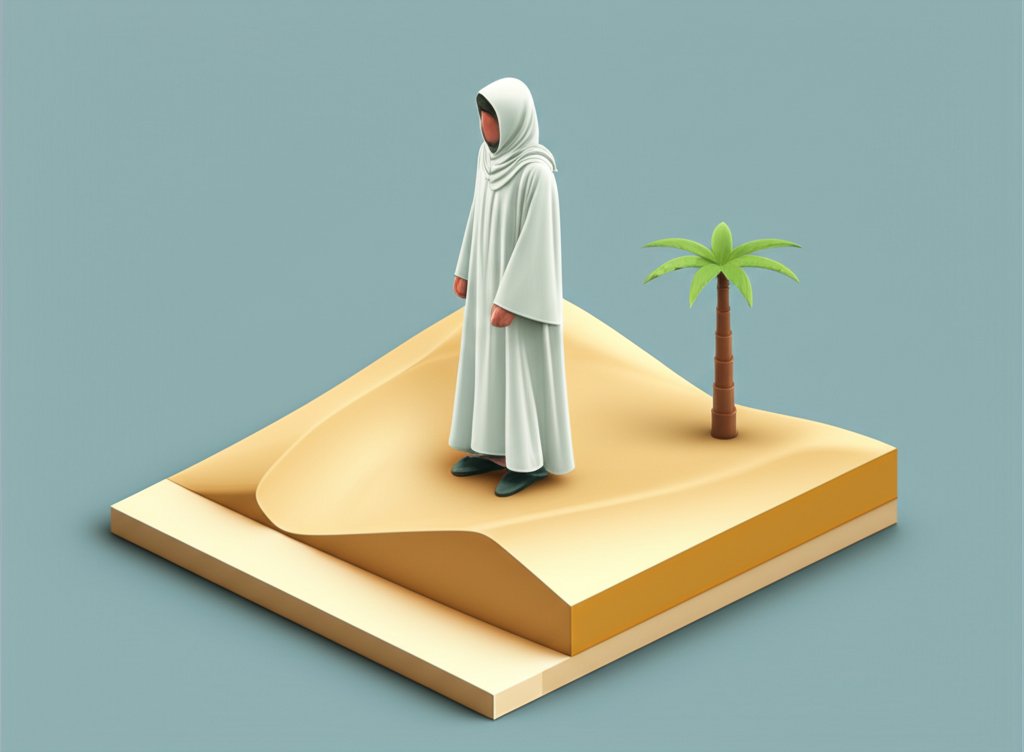
While the design is often minimalist, the choice of color and occasional adornments carries specific meanings. The most common colors are natural hues: white and various shades of beige or undyed wool, which blend seamlessly with the desert landscape and also reflect sunlight, keeping the wearer cool. White, in particular, often signifies purity, peace, and spiritual reverence, frequently worn during religious ceremonies or by respected elders.
Darker colors, such as brown or black, are also common, especially for everyday wear or in specific regions. While highly ornate burnooses are less common for daily wear, some ceremonial or celebratory versions might feature subtle embroidery, particularly around the hood or edges, adding a touch of elegance without compromising the garment’s inherent simplicity.
The Burnoose in the Modern World: Fashion, Film, and Enduring Legacy
The burnoose has proven its remarkable ability to transcend its traditional context, captivating imaginations far beyond the Atlas Mountains and Sahara Desert. Its journey from ancient attire to contemporary icon highlights its universal appeal and timeless design.
Global Runways and Designer Interpretations
In recent decades, the burnoose has stepped confidently onto the global fashion stage. Captivated by its graceful lines, flowing silhouette, and inherent mystique, designers from New York to Paris have reimagined this traditional cloak for discerning contemporary audiences. High-fashion houses have incorporated elements of the burnoose into their collections, using luxurious fabrics like silk, cashmere, and fine alpaca wool to elevate its texture and drape.
Modern interpretations often feature updated cuts, bolder color palettes, or subtle embellishments, transforming it into chic evening wear, comfortable avant-garde outerwear, or minimalist capes. Its versatility allows it to transition effortlessly between formal events and casual settings, offering an air of effortless sophistication. This reinterpretation by the fashion world not only pays homage to its aesthetic appeal but also introduces the rich heritage of North African clothing to a broader global audience.
Cinematic Appearances and Pop Culture Influence
Beyond the runways, the burnoose has become a recognizable motif in global cinema and popular culture. Evoking images of desert adventure, historical epics, and enigmatic figures, it has graced the screens in films set in North Africa and the Middle East. Its distinctive shape immediately contextualizes characters and settings, lending an air of authenticity and dramatic flair. From historical dramas depicting colonial encounters to modern films showcasing the region’s vibrant cultures, the burnoose serves as a powerful visual shorthand, contributing to its mystique and global recognition.
Preserving Authenticity in a Changing Landscape
Despite its foray into global fashion, the burnoose remains deeply rooted in its cultural context. Efforts are ongoing within North African communities to preserve the traditional craftsmanship and heritage associated with its production. Artisans continue to hand-weave burnooses, often using sustainable, locally sourced materials, ensuring that the skills and stories behind each garment are passed down through generations.
This balance between adapting to modern trends and safeguarding traditional practices is crucial. The burnoose’s ability to bridge cultures and inspire dialogue through fashion and art is more relevant than ever in an increasingly interconnected world, ensuring its legacy continues to unfold through new chapters.
Conclusion: The Burnoose – A Cloak of Centuries
From the ancient Numidian plains to the sophisticated runways of today, the burnoose stands as a magnificent testament to the enduring power of a single garment. It is a symbol deeply embedded in the history of the burnoose, a defining piece of North African clothing, and an iconic example of Berber clothing ingenuity. More than fabric and form, it represents resilience, identity, and the timeless artistry of a culture.
As a traditional cloak, its practical design, rich symbolism, and adaptability have allowed it to weather millennia, continuing to protect, distinguish, and inspire. The burnoose invites us to look beyond mere attire and appreciate the profound narratives woven into every thread, making it a truly captivating and mysterious garment that continues to unveil the soul of North Africa.
FAQ: Unveiling Common Questions About the Burnoose

Q1: What exactly is a burnoose?
A1: A burnoose is a long, loose, hooded cloak, traditionally made of wool, that is primarily worn by men in North Africa. It’s distinctive for its simple, flowing design and often comes in natural colors like white or beige, providing protection against the sun, wind, and cold of the desert environment.
Q2: Is the burnoose exclusive to Berber people, or is it worn by others?
A2: While the burnoose is a significant part of Berber clothing traditions and deeply associated with them, it is also widely worn by Arab men across North Africa. Its use extends across various ethnic groups and regions in countries like Algeria, Morocco, Tunisia, and Libya, making it a widespread symbol of North African clothing.
Q3: What is the historical origin of the burnoose?
A3: The history of the burnoose can be traced back to ancient times. Evidence suggests its origins lie with the ancient Numidian civilization in North Africa, with rock engravings and Roman texts (‘byruss Numidicus’ or ‘Numidian hooded cloak’) pointing to its use centuries ago. Its name is derived from the Arabic “burnus,” which itself comes from the Greek “birros.”
Q4: What is the cultural significance of wearing a burnoose today?
A4: Today, the burnoose continues to hold profound cultural significance. It symbolizes heritage, tradition, and identity. Historically, it became a powerful emblem of resistance against colonial rule in countries like Algeria. It is still worn for protection from the elements, as well as for cultural ceremonies, religious occasions, and celebrations, representing continuity with ancestral traditions.
Q5: Are there different types or styles of burnooses?
A5: Yes, while the basic form remains the same, there are regional variations in the burnoose. These can include differences in the type of wool used (e.g., camel’s wool vs. sheep’s wool), the weave, the specific cut of the hood, and subtle embellishments or colors. Some may be thicker for colder climates, while others are lighter for warmer regions. The color can also carry symbolic meaning, such as white for purity or special occasions.










