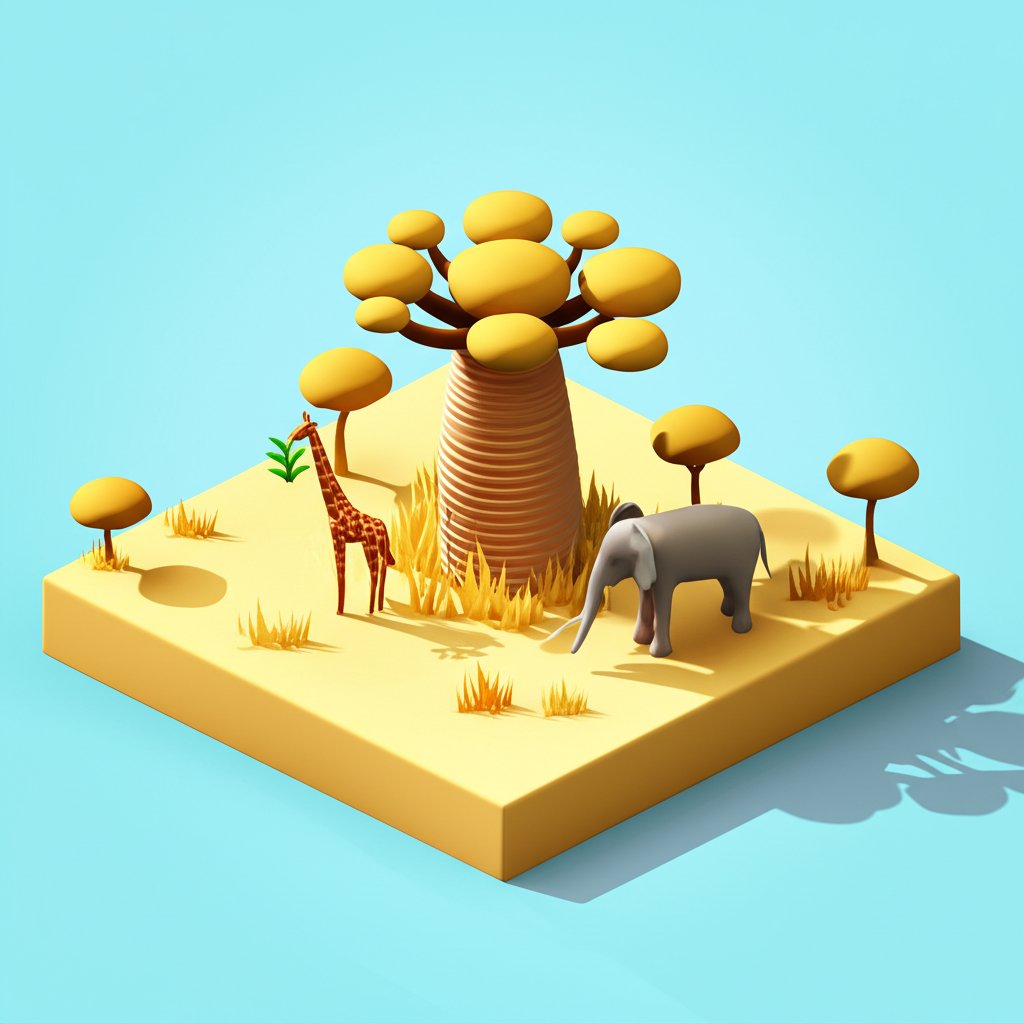
Step onto the vast, sun-drenched plains of the African Savanna, where life in all its breathtaking forms unfolds against a backdrop of golden grasses and iconic acacia trees. This isn’t just a landscape; it’s a dynamic stage where nature’s most extraordinary dramas play out daily, showcasing a delicate balance between survival and abundance. From the smallest dung beetle to the towering giraffe, every creature and plant has evolved ingenious strategies to not just exist, but to truly thrive in this challenging environment.
The African Savanna is a world defined by dramatic contrasts: intense dry seasons followed by torrential rains, scorching heat, and the constant threat of fire. Yet, it is precisely these conditions that have shaped an ecosystem brimming with unique flora and fauna. Here, the interactions between savanna animals and plants are a complex, interconnected web, demonstrating incredible resilience and biodiversity. Prepare to embark on a journey that reveals the hidden marvels of this incredible biome, exploring the fascinating flora in savanna and the vibrant savanna fauna that make it one of Earth’s most captivating natural wonders.
Defining the African Savanna: Climate and Ecology
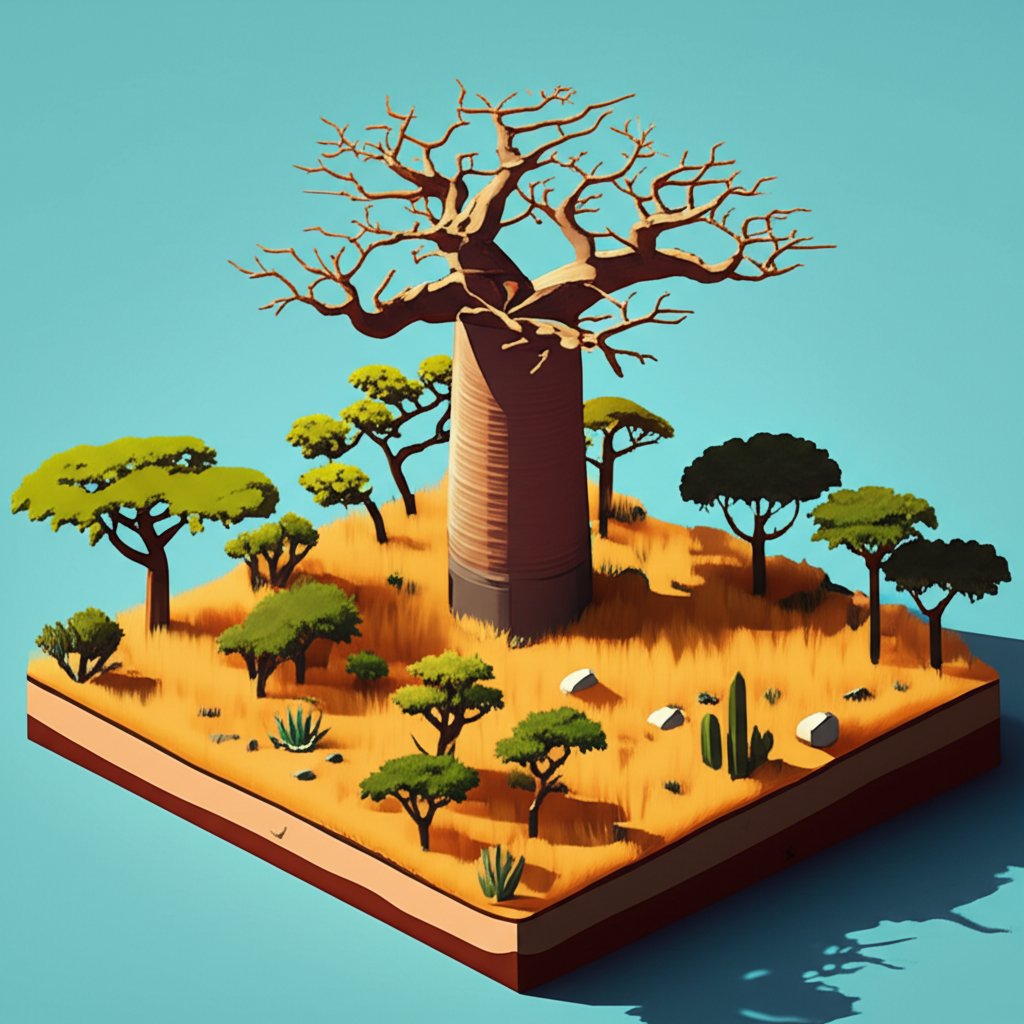
The African Savanna is a tropical grassland biome characterized by vast expanses of grass interspersed with scattered trees and shrubs. Predominantly found across East, Central, and Southern Africa, it blankets regions like the Serengeti in Tanzania, the Maasai Mara in Kenya, and the Okavango Delta in Botswana. What truly defines this biome and dictates the presence of savanna plants and animals are its distinct seasons:
- Wet Season (Summer): Characterized by heavy rainfall, transforming the dry, brown landscape into lush green pastures. This period is crucial for plant growth and provides abundant food for herbivores.
- Dry Season (Winter): Marked by little to no rainfall, leading to parched land and dwindling water sources. During this time, many animals undertake vast migrations in search of greener pastures and water.
- Temperature: Generally warm year-round, with average temperatures ranging from 20-30°C (68-86°F).
- Fires: Natural and human-caused fires are a common occurrence, especially during the dry season. These fires play a vital ecological role, clearing old growth, releasing nutrients into the soil, and preventing dense forestation, thus maintaining the grassland ecosystem.
These climatic patterns are the primary drivers behind the unique adaptations seen in both the plant and animal life of the savanna, allowing them to withstand drought, heat, and fire.
Flora in Savanna: The Resilient Plant Life
The flora in savanna is a testament to nature’s ability to adapt and flourish under challenging conditions. While often perceived as uniform grasslands, the savanna boasts a surprising diversity of plant forms, each playing a crucial role in supporting the ecosystem.
Dominant Grasses: The Green Engine
Grasses form the foundation of the savanna ecosystem, covering vast areas and providing the primary food source for countless herbivores. These aren’t just any grasses; they are tough, fast-growing, and incredibly resilient.
- Adaptations: Savanna grasses have deep, fibrous root systems that can quickly absorb water during the rainy season and access moisture trapped deeper in the soil during dry spells. Many species sprout rapidly after rainfall and can withstand heavy grazing. Crucially, their growth points are often located at or below ground level, allowing them to quickly regrow after being grazed or burned in fires.
- Examples: Common savanna grasses include Rhodes grass, Red Oat grass, Lemon grass, and Star grass. Their rapid growth and nutritional value are essential for sustaining the massive herds of grazers.
Iconic Trees: Lifelines in the Landscape
While grasses dominate, the scattered trees are the iconic silhouettes of the African Savanna, providing shade, shelter, and vital food sources.
- Acacia Trees: Instantly recognizable by their umbrella-shaped canopies, acacias are perfectly adapted to the savanna. Their small leaves minimize water loss, and many species possess long, sharp thorns to deter browsers. Some acacias have a fascinating symbiotic relationship with ants, which live in hollow galls on the trees and attack anything that tries to eat the leaves, in exchange for nectar.
- Baobab Trees: Often called “the Tree of Life” or “upside-down trees” due to their gnarled, root-like branches, baobabs are ancient giants. Their massive trunks can store thousands of liters of water, making them a crucial resource during the dry season for both animals and humans. Their fruits, leaves, and bark are also important food sources.
- Marula Trees: Known for their fruit, which is a favorite of many animals (including elephants, who often appear tipsy after consuming fermented marula fruit), these trees also provide valuable shade and nutrients.
- Candelabra Tree (Euphorbia ingens): A striking succulent tree resembling a giant candelabra, this plant stores water in its thick, fleshy stems and branches, thriving in arid conditions.
Shrubs & Wildflowers: Hidden Diversity
Beyond the towering trees and endless grasses, a variety of shrubs and herbaceous wildflowers add to the savanna’s biodiversity.
- Bushwillows (Combretum species): These hardy shrubs and small trees are common, often boasting silvery-green leaves and providing browse for smaller herbivores.
- Wildflowers: During the wet season, the savanna floor can explode with a vibrant carpet of wildflowers, providing nectar for insects and adding bursts of color to the landscape before wilting away as the dry season approaches.
Ingenious Plant Adaptations to Arid Conditions & Fire
The plants of the savanna have evolved an arsenal of adaptations to survive its harsh realities:
- Deep Root Systems: Many trees and grasses develop extensive taproots that can reach deep into the water table, accessing moisture long after surface water has evaporated.
- Water Storage: Succulents like the Candelabra tree and the Baobab tree store water in their stems, trunks, or leaves, acting as living reservoirs.
- Thorns & Toxins: To protect against the constant threat of grazing, many plants, especially acacias, develop sharp thorns. Others produce chemical compounds or tannins that make their leaves unpalatable or even toxic to herbivores.
- Fire Resistance & Rapid Regrowth: Many savanna plants have thick bark that protects them from fires. Grasses regrow quickly from their underground meristems (growth points), and some seeds even require fire to germinate. This adaptation ensures the savanna’s continuous renewal.
- Deciduous Nature: Many trees shed their leaves during the dry season to conserve water, minimizing transpiration.
The astounding variety and resilience of the flora in savanna are what make it capable of supporting such an abundant array of animal life.
Savanna Fauna: A Diverse Animal Kingdom
The savanna fauna is world-renowned for its sheer diversity and spectacular concentrations of wildlife. From the largest land mammals to the smallest insects, each species plays a critical role in the intricate web of life.
The Mighty Mammals: Grazers & Browsers
The savanna is home to some of the most iconic herbivores on Earth, constantly moving in search of food and water.
- Grazers (Grass Eaters):
- Wildebeest: Famous for their epic annual migration across the Serengeti and Maasai Mara, millions of wildebeest follow the rains, vital for distributing nutrients and maintaining grass health.
- Zebras: Their distinctive stripes are thought to deter biting flies and confuse predators. They often graze alongside wildebeest, benefiting from their sheer numbers and shared vigilance.
- Buffalo: Large, powerful, and often ill-tempered, African buffalo are formidable grazers, capable of defending themselves against predators.
- Gazelles and Antelopes: Numerous species like Thomson’s gazelle, Grant’s gazelle, topi, impala, and eland are abundant. Each has slightly different grazing or browsing habits, minimizing direct competition for food.
- Browsers (Leaf & Twig Eaters):
- Giraffes: The tallest mammals, giraffes use their long necks and prehensile tongues to reach high into acacia trees, feeding on leaves inaccessible to other browsers.
- Elephants: These gentle giants are “ecosystem engineers,” shaping the landscape by knocking down trees, creating water holes, and dispersing seeds. They consume vast quantities of leaves, bark, fruits, and grasses.
- Rhinoceros (Black and White): Both species are critical to the savanna. Black rhinos are browsers, using their pointed upper lip to grasp leaves and twigs. White rhinos are grazers, with a broad, flat mouth perfect for cropping grass.
Apex Predators: Masters of the Hunt
The abundance of herbivores directly supports a powerful guild of predators, each with specialized hunting strategies.
- Lions: The “king of the savanna,” lions are the only truly social cats, hunting in prides to take down large prey like buffalo and wildebeest. Their roars echo across the plains, defining territories.
- Leopards: Masters of stealth and camouflage, leopards are solitary hunters. They often drag their kills up into trees to protect them from other predators and scavengers.
- Cheetahs: The fastest land animals, cheetahs are built for speed, pursuing prey over short, explosive bursts. They typically hunt smaller, swifter antelopes.
- Hyenas: Often misunderstood, spotted hyenas are highly intelligent and successful hunters, not just scavengers. They live in large clans and can take down prey as large as wildebeest, playing a crucial role in cleaning the savanna.
- African Wild Dogs: Highly social and efficient hunters, these dogs work together in packs to outmaneuver and exhaust their prey.
Avian Wonders: Birds of the Savanna
The African Savanna skies are as vibrant as its plains, home to an incredible array of birdlife.
- Ostrich: The largest living bird, ostriches are flightless but incredibly fast runners, perfectly adapted to open grasslands.
- Secretary Birds: Distinctive for their long legs and crest of feathers resembling quill pens, these raptors hunt on the ground, preying on snakes and small mammals.
- Raptors: Eagles (e.g., Martial Eagle, Tawny Eagle), vultures (e.g., Lappet-faced Vulture, White-backed Vulture), and falcons patrol the skies, playing essential roles as predators and scavengers.
- Smaller Birds: Weavers, starlings, hornbills, and various waterfowl (near rivers and lakes) add color and song to the savanna.
Reptiles, Insects, and More: The Unsung Heroes
Beyond the charismatic megafauna, countless smaller creatures are indispensable to the savanna’s health.
- Reptiles: Crocodiles lurk in rivers, while various species of snakes (e.g., Black Mamba, Puff Adder) and lizards (e.g., Monitor Lizards) play roles as predators and prey.
- Insects: Termites build impressive mounds that alter soil structure and provide habitat. Dung beetles are vital decomposers, recycling nutrients by burying animal waste. Butterflies, bees, and other insects are crucial for pollination.
- Amphibians: Frogs and toads thrive around the temporary pools of water that form during the wet season.
Animal Adaptations for Survival
Savanna animals have evolved a wide range of adaptations:
- Migration: Many herbivores, like wildebeest and zebra, undertake long migrations to follow rainfall and fresh grazing.
- Camouflage: Striped zebras, spotted leopards, and tawny lions blend seamlessly with the savanna landscape, aiding both predator and prey.
- Water Conservation: Many animals obtain water directly from the plants they eat or can go for extended periods without drinking. Some, like the Oryx, can even increase their body temperature to avoid sweating.
- Specialized Diets: Different species have evolved to eat different parts of plants or different types of prey, reducing competition.
- Social Behavior: Herds provide strength in numbers against predators, while prides and packs allow for cooperative hunting.
The savanna fauna is a remarkable display of ecological balance, where every creature, big or small, contributes to the vitality of the biome.
What Plants and Animals Live in the Savanna: A Comprehensive Overview
To truly understand what plants and animals live in the savanna, we must look at the specific species that define this biome and how they interact. The African Savanna is not just a collection of species; it’s a living, breathing community.
To truly appreciate this biome’s complexity, delving into more specific details and interesting trivia about the savanna important facts can provide a deeper understanding of its ecological significance.
Key Plants of the African Savanna
The plant life dictates the carrying capacity and character of the savanna.
- Grasses:
- Themeda triandra (Red Oat Grass): A dominant, nutritious grass, vital for grazers.
- Cymbopogon species (Lemon Grass): Aromatic and hardy.
- Digitaria eriantha (Smuts Finger Grass): Drought-resistant and palatable.
- Pennisetum glaucum (Millet): Important for human agriculture and wildlife.
- Trees & Shrubs:
- Acacia tortilis (Umbrella Thorn Acacia): Quintessential savanna tree, providing wide shade.
- Acacia senegal (Gum Arabic Tree): Source of gum arabic, important for browse.
- Adansonia digitata (Baobab Tree): Iconic, water-storing tree.
- Combretum species (Bushwillows): Hardy, small trees/shrubs found in various savanna types.
- Euphorbia ingens (Candelabra Tree): Succulent tree, vital for water storage.
- Sclerocarya birrea (Marula Tree): Fruit-bearing tree, important food source.
These plants form the base of the food web, converting solar energy into biomass that sustains the entire ecosystem.
Prominent Animals of the African Savanna
The animal residents are the stars of the savanna, constantly interacting with their plant environment and each other. The question of savanna animals and plants is fundamentally about these interactions.
- Herbivores:
- African Elephant (Loxodonta africana): Consumes vast quantities of vegetation, often debarking trees like baobabs or pushing over acacias, which influences the landscape.
- Giraffe (Giraffa camelopardalis): Specialized browser, reaching acacia leaves (Acacia tortilis, Acacia senegal) that other herbivores cannot.
- Wildebeest (Connochaetes taurinus): Primary grazer, feeding on short, nutritious grasses (Themeda triandra), essential for annual migration cycles.
- Zebra (Equus quagga): Co-grazer with wildebeest, often eating the tougher, taller parts of grasses, leaving the more tender shoots for wildebeest.
- Buffalo (Syncerus caffer): Bulk grazer, consuming large amounts of coarse grasses.
- Impala (Aepyceros melampus): Highly adaptable, both a grazer and a browser, shifting diet with the seasons and availability of plants.
- Black Rhinoceros (Diceros bicornis): Critically endangered browser, feeding on woody plants and shrubs.
- White Rhinoceros (Ceratotherium simum): Critically endangered grazer, specializing in short grasses.
- Carnivores:
- Lion (Panthera leo): Apex predator, hunting large herbivores like wildebeest, zebra, and buffalo.
- Leopard (Panthera pardus): Ambushes smaller-to-medium-sized prey like impala, gazelles, and baboons, often caching kills in trees.
- Cheetah (Acinonyx jubatus): Specializes in fast, agile prey like Thomson’s gazelle and impala.
- Spotted Hyena (Crocuta crocuta): Efficient hunter of wildebeest, zebra, and antelopes, also scavenges.
- African Wild Dog (Lycaon pictus): Hunts in packs for medium-sized ungulates such as kudu, impala, and gazelles.
- Omnivores/Scavengers:
- Baboons (Papio species): Primarily fruit and plant eaters, but also consume insects and small animals.
- Vultures (multiple species): Essential scavengers, cleaning carcasses and preventing disease spread.
- Birds:
- Ostrich (Struthio camelus): Feeds on seeds, grasses, flowers, and even insects.
- Secretary Bird (Sagittarius serpentarius): Hunts snakes, large insects, and small mammals on the ground.
- Insects:
- Termites: Decomposers, breaking down dead plant material and building mounds that enrich and aerate the soil.
- Dung Beetles: Recycle nutrients by consuming and burying animal dung.
The synergy between these savanna animals and plants creates a highly productive and resilient ecosystem, where each species contributes to the overall health and balance.
The Interconnected Web: Flora, Fauna, and Ecosystem Dynamics
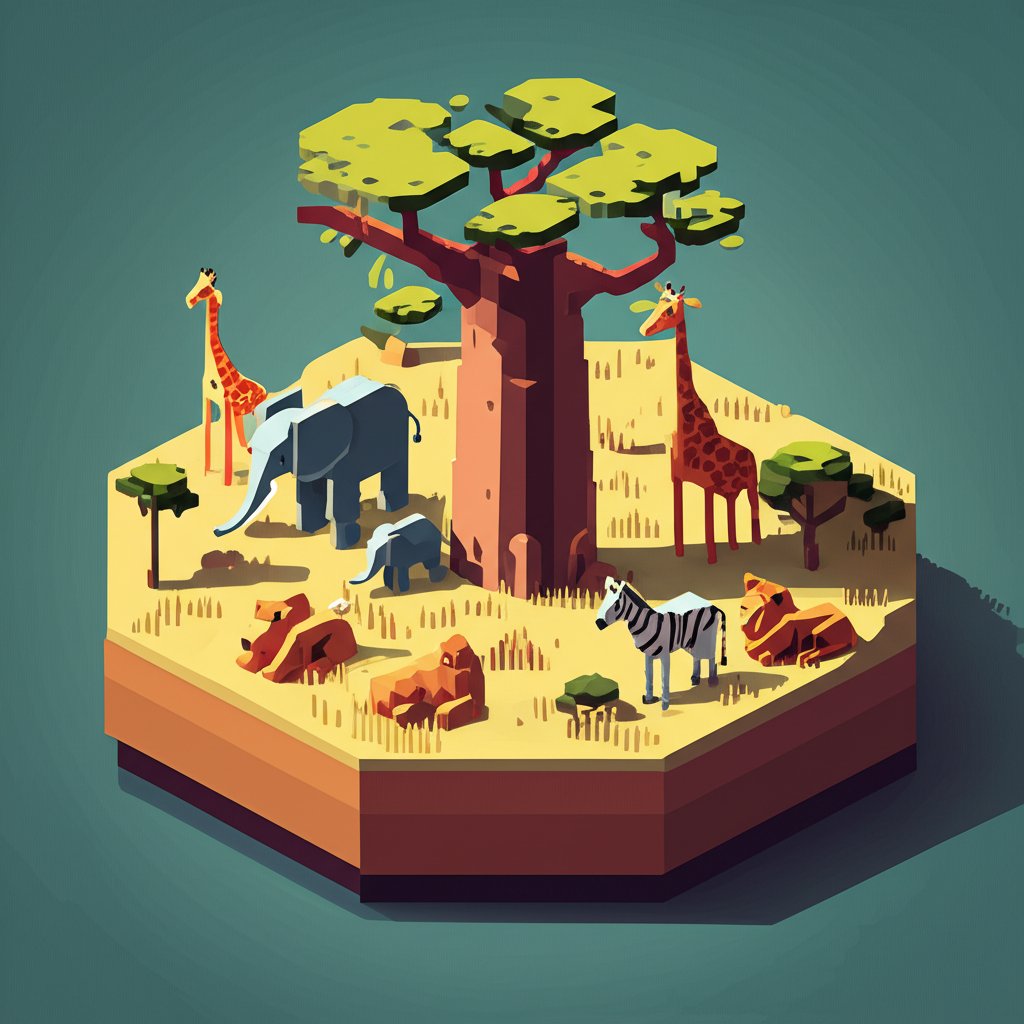
The beauty of the African Savanna lies not just in its individual species, but in the intricate web of interactions that bind them. Understanding these dynamics is key to appreciating the resilience and fragility of this biome.
Food Chains & Food Webs: The Flow of Energy
At the heart of the savanna ecosystem is the flow of energy from producers to consumers.
- Producers: The various grasses, trees, and shrubs capture solar energy through photosynthesis, forming the base of the food web.
- Primary Consumers (Herbivores): Millions of grazers (wildebeest, zebra, buffalo) and browsers (giraffe, elephant, impala) consume these plants. Their diverse diets and feeding habits help manage vegetation, preventing any single plant species from dominating. For example, zebras eat tall, coarse grasses, while wildebeest prefer shorter, tender shoots, allowing co-existence.
- Secondary Consumers (Carnivores): Predators like lions, cheetahs, leopards, and wild dogs regulate herbivore populations, preventing overgrazing and ensuring the health of the plant life.
- Tertiary Consumers: Some predators, like hyenas, might prey on smaller carnivores or scavenge from larger kills, further diversifying the food web.
- Decomposers: Insects like dung beetles, termites, and various fungi and bacteria break down dead organic matter (plants and animals), returning vital nutrients to the soil for new plant growth.
Symbiotic Relationships: Mutual Benefits
Many relationships in the savanna are not purely hierarchical but mutually beneficial.
- Acacia and Ants: Some acacia species have hollow thorns that provide shelter for aggressive ants. In return, the ants protect the acacia from herbivores (and even other plants) with painful stings. The tree also provides nectar for the ants.
- Pollination: Bees, butterflies, and other insects are crucial pollinators, transferring pollen between flowers as they feed on nectar, ensuring the reproduction of many plant species.
- Seed Dispersal: Animals like elephants eat fruits (e.g., marula) and then disperse the seeds through their droppings, often far from the parent plant, aiding in plant propagation.
The Role of Fire: Renewal and Regulation
Natural fires, often ignited by lightning, are an integral part of the savanna lifecycle.
- Nutrient Cycling: Fires clear away old, dry vegetation, returning nutrients to the soil in the form of ash, stimulating new, nutritious growth.
- Maintaining Grasslands: By suppressing the growth of woody plants and trees, fires prevent the savanna from becoming a dense forest, thus maintaining the open grassland ecosystem essential for grazers.
- Selective Pressure: Plants and animals that cannot adapt to fire are eliminated, while resilient species thrive.
Nutrient Cycling: Decomposition & Rebirth
The continuous cycle of life and death is facilitated by an army of decomposers.
- Dung Beetles: These industrious insects rapidly break down and bury animal feces, enriching the soil and preventing parasitic infections.
- Termites: Their elaborate mounds aerate the soil and their decomposition of dead wood and grass returns organic matter and nutrients to the ecosystem.
These intricate connections highlight the savanna as a finely tuned system where every element, from the smallest microbe to the largest mammal, contributes to its overall health and resilience.
Conservation Challenges & the Future of the Savanna
Despite its breathtaking beauty and ecological importance, the African Savanna, and the savanna animals and plants within it, face severe and growing threats.
Major Threats: Human Impact
Human activities are the primary drivers of savanna degradation:
- Habitat Loss and Fragmentation: Expanding agriculture, human settlements, and infrastructure (roads, fences) are encroaching on savanna lands, fragmenting vital habitats and disrupting animal migration routes. This directly impacts “what plants and animals live in the savanna” by reducing their available space.
- Poaching: The illegal hunting of animals for their horns, tusks, or other body parts remains a critical threat, particularly to endangered species like rhinos and elephants.
- Climate Change: Shifting rainfall patterns, increased temperatures, and more frequent extreme weather events (prolonged droughts, intense floods) disrupt delicate ecological balances, affecting water availability and plant growth, which in turn impacts herbivores and their predators.
- Overgrazing: In some areas, unsustainable livestock grazing by local communities can lead to soil erosion and desertification, reducing the savanna’s capacity to support wildlife.
- Bushmeat Trade: The hunting of wild animals for food, often unregulated, depletes wildlife populations.
The cumulative effect of these threats is a rapid decline in biodiversity and the erosion of the savanna’s natural resilience.
Conservation Efforts: Protecting a Precious Biome
Despite the challenges, numerous efforts are underway to protect the African Savanna:
- Protected Areas: The establishment and expansion of national parks, game reserves, and conservancies (e.g., Serengeti National Park, Maasai Mara National Reserve, Kruger National Park) provide safe havens for wildlife and crucial habitats for savanna flora.
- Anti-Poaching Initiatives: Increased patrols, advanced surveillance technologies, and community-based intelligence networks are working to combat illegal poaching.
- Sustainable Land Management: Promoting practices that balance human needs with conservation, such as rotational grazing, sustainable agriculture, and eco-tourism, helps to mitigate human-wildlife conflict.
- Community-Based Conservation: Empowering local communities to become stewards of their environment, often through revenue-sharing from tourism or direct employment in conservation, fosters a sense of ownership and responsibility.
- International Cooperation: Global efforts to address climate change and combat wildlife trafficking are essential for the long-term survival of the savanna.
- Research and Monitoring: Ongoing scientific research on flora in savanna and savanna fauna provides vital data to inform conservation strategies and adapt to changing conditions.
What You Can Do: A Call to Action
The African Savanna is a global treasure that requires collective action. You can contribute to its preservation by:
- Supporting Reputable Conservation Organizations: Donate to organizations working on the ground to protect wildlife and habitats.
- Choosing Ethical Eco-Tourism: Select tour operators that prioritize conservation, support local communities, and respect wildlife.
- Educating Yourself and Others: Share knowledge about the savanna’s importance and the threats it faces.
- Making Sustainable Choices: Reduce your carbon footprint, support sustainable products, and be mindful of your consumption habits.
Every action, no matter how small, contributes to safeguarding this magnificent biome for future generations.
Conclusion
The African Savanna is more than just a landscape; it is a vibrant, resilient, and deeply interconnected ecosystem. The breathtaking flora in savanna, from the tenacious grasses to the majestic baobabs, and the diverse savanna fauna, from the smallest dung beetle to the largest elephant, have all evolved in extraordinary ways to thrive in a land of dramatic contrasts. This intricate dance between savanna animals and plants creates a spectacle of life unparalleled elsewhere on Earth.
Understanding what plants and animals live in the savanna reveals a story of adaptation, interdependence, and constant renewal. However, this precious biome faces unprecedented threats from human activities and climate change. It is our collective responsibility to appreciate, protect, and advocate for the African Savanna, ensuring that its golden plains continue to teem with life for countless generations to come.
FAQ Section
Q1: What are the primary types of flora found in the African Savanna?
A1: The primary flora in savanna includes dominant grasses like Red Oat Grass and Lemon Grass, iconic trees such as the umbrella-thorn Acacia and the Baobab, and various shrubs like Bushwillows. Many of these plants are adapted with deep roots, water storage, thorns, and fire resistance to survive the savanna’s distinct wet and dry seasons.
Q2: What are some examples of the diverse savanna fauna?
A2: The savanna fauna is incredibly diverse, encompassing large herbivores like wildebeest, zebras, giraffes, elephants, and rhinos; apex predators such as lions, leopards, cheetahs, and hyenas; and a rich array of birdlife including ostriches and secretary birds. Smaller but crucial animals include dung beetles, termites, and various reptiles.
Q3: How do plants and animals in the savanna interact with each other?
A3: Savanna animals and plants are constantly interacting in a complex food web. Herbivores graze on grasses and browse leaves from trees, transferring energy up the food chain to predators. Plants provide food, shelter, and even act in symbiotic relationships, like acacia trees providing homes for ants that protect them. Animals also aid in seed dispersal and nutrient cycling through their waste.
Q4: What are the key adaptations of savanna plants to survive their environment?
A4: Savanna plants exhibit numerous adaptations to arid conditions and frequent fires. These include deep root systems to access water, water storage in trunks (baobabs) or stems (succulents), protective thorns against herbivores, and rapid regrowth capabilities after grazing or fire due to underground growth points.
Q5: What are the main threats to savanna animals and plants?
A5: The main threats to what plants and animals live in the savanna include habitat loss due to expanding agriculture and human settlements, poaching for illegal wildlife trade, the impacts of climate change (droughts, altered rainfall), and unsustainable grazing practices. Conservation efforts are crucial to mitigate these challenges.











Comments are closed.