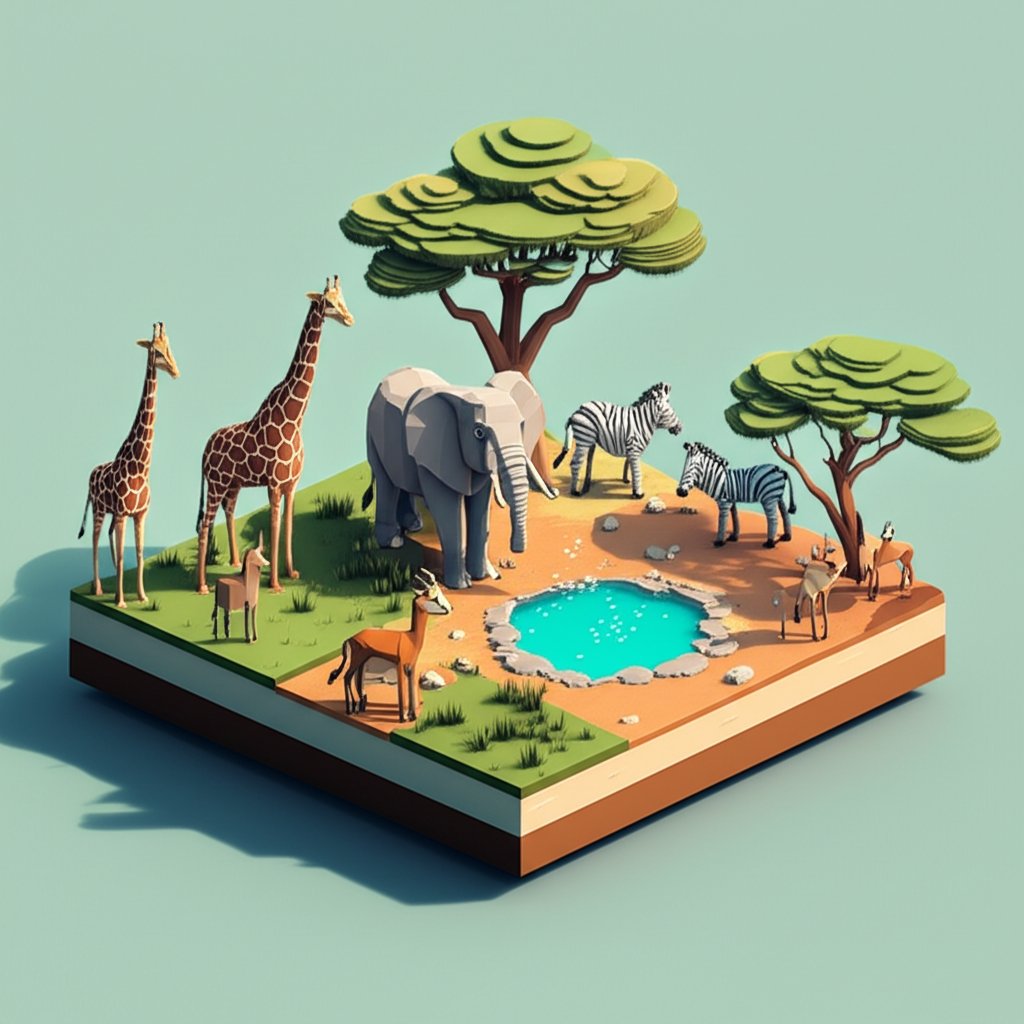
The vast, sun-drenched plains of the savanna pulse with an unparalleled vitality. It’s a landscape of dramatic contrasts – from scorching dry seasons to lush periods of abundant rainfall, punctuated by towering grasses and scattered acacia trees. This dynamic environment isn’t just a picturesque backdrop; it’s a vibrant stage for some of the planet’s most iconic and resilient creatures. Understanding what animals live in the savanna reveals a fascinating story of ingenuity, survival, and intricate interconnectedness.
In this comprehensive guide, we’ll journey deep into the heart of this incredible biome. We’ll explore the diverse array of savanna biome animals, uncovering their unique savanna animal adaptations that allow them to thrive amidst formidable challenges. Prepare to discover the captivating savanna animal life that defines these magnificent ecosystems, revealing how each creature plays a vital role in the delicate balance of one of Earth’s most breathtaking natural wonders.
To fully appreciate the beauty and complexity of this environment, it’s helpful to consider some key facts about the savanna, including its geographic distribution and climate patterns.
The Savanna Biome: A Tapestry of Global Grasslands
Often conjuring images of the African plains, the savanna biome is far more widespread, existing across multiple continents. It represents a transitional zone between forests and deserts, characterized primarily by grasslands with scattered trees or shrubs.
Defining the Global Grasslands
Savannas are essentially tropical or subtropical grasslands with woodlands, found in Africa, South America, Australia, and parts of Asia. While the African savanna is arguably the most famous, housing the highest diversity of large mammals, other regions boast their own unique savanna biome animals. For instance, the Cerrado in Brazil is a vast savanna, as are parts of northern Australia and India.
The defining climatic feature of savannas is their distinct wet and dry seasons. The wet season brings torrential rains and lush growth, while the dry season can be long and severe, leading to droughts and frequent wildfires. Temperatures generally remain warm year-round, but fluctuations between day and night can be extreme.
Key Characteristics Shaping Savanna Biome Animals
The unique conditions of the savanna biome directly influence the types of animals that can survive and thrive there:
- Seasonal Water Availability: Animals must cope with periods of abundant water followed by scarcity. This drives migratory patterns and specialized physiological adaptations.
- Dominant Grassland Vegetation: The prevalence of grasses means that many savanna biome animals are herbivores, with adaptations for grazing or browsing tough vegetation.
- Scattered Trees: While not forming dense forests, trees provide food (leaves, bark, fruit), shade, and vantage points for both predators and prey.
- Frequent Wildfires: Natural fires, often started by lightning during the dry season, clear out old vegetation and encourage new growth. Animals must be able to escape or tolerate these events.
- Open Landscape: The lack of dense cover makes stealth and speed crucial for both hunters and the hunted.
A Comprehensive Guide to What Animals Live in the Savanna
The savanna is renowned for its incredible biodiversity, home to a staggering variety of species, from the colossal elephant to the tiniest insect. Exploring what animals live in the savanna reveals a complex food web where every niche is filled.
Iconic Large Mammals
These are the giants that often come to mind when picturing the savanna:
- African Elephants: The largest land animals, known for their intelligence, strong family bonds, and crucial role as “ecosystem engineers,” shaping the landscape through their feeding habits.
- Giraffes: The tallest mammals, their long necks allowing them to browse leaves and shoots from acacia and other trees, avoiding competition with ground-level grazers.
- Rhinos (Black and White): Large herbivores, both critically endangered. White rhinos are grazers, while black rhinos are browsers, demonstrating niche partitioning.
- Hippos: Semi-aquatic, spending their days in water to stay cool and emerging at night to graze on savanna grasses.
- Zebras: Famous for their distinctive stripes, these highly social grazers move in large herds, providing safety in numbers.
- Wildebeest: Famous for their massive annual migration across the Serengeti and Maasai Mara, driven by the search for fresh grazing and water. They form enormous herds, often alongside zebras and gazelles.
- African Buffalo: Large, powerful bovines that live in herds and are known for their formidable defensive capabilities against predators.
- Various Antelopes: Including gazelles, impalas, elands, kudus, and oryx. These swift, agile herbivores are a primary food source for predators and exhibit a wide range of sizes and adaptations.
Apex Predators & Carnivores
The hunters of the savanna are equally impressive, showcasing incredible strength, speed, and cunning:
- Lions: The “kings of the savanna,” highly social cats living in prides. They are powerful ambush predators, often hunting large prey cooperatively.
- Cheetahs: The fastest land animals, capable of speeds up to 70 mph (112 km/h) in short bursts. They rely on their speed to catch swift antelope.
- Leopards: Solitary and elusive, leopards are powerful climbers, often dragging their kills into trees to protect them from scavengers. They are incredibly adaptable and can be found in various savanna habitats.
- African Wild Dogs: Highly social and efficient hunters, these canids work in packs to pursue prey over long distances, exhausting them.
- Spotted Hyenas: Often misunderstood, hyenas are not just scavengers but also highly effective hunters, capable of taking down large prey. Their powerful jaws can crush bones.
- Jackals (Black-backed, Side-striped, Golden): Opportunistic omnivores and scavengers, often following larger predators to feed on leftovers.
Smaller Mammals & Omnivores
Beyond the large and charismatic fauna, a host of smaller mammals play crucial roles:
- Meerkats: Highly social mongooses known for their standing sentinel behavior, living in extensive burrows. They are insectivores and carnivores.
- Baboons (Olive, Yellow): Intelligent and highly social primates living in large troops. They are omnivores, foraging for fruits, insects, roots, and even small animals.
- Aardvarks: Nocturnal burrowing mammals with powerful claws, specialized for feeding on ants and termites.
- Honey Badgers (Ratel): Fearless and tenacious, known for their thick skin and powerful claws, they are opportunistic carnivores.
Birds of the Open Plains
The savanna sky is often as bustling as its ground, home to a diverse array of avian species:
- Ostriches: The largest and heaviest birds, flightless, known for their incredible speed and powerful legs.
- Secretary Birds: Distinctive for their long legs and crest, they hunt snakes and other small animals by stomping them.
- Vultures: Essential scavengers (e.g., Lappet-faced, White-backed, Ruppell’s), cleaning carcasses and preventing disease spread.
- Hornbills: Often seen in trees, feeding on fruits, insects, and small vertebrates.
- Oxpeckers: Small birds that perch on large mammals like giraffes and zebras, feeding on ticks and other parasites, demonstrating a symbiotic relationship.
Reptiles & Amphibians
Hidden among the grasses and lurking in waterholes, reptiles and amphibians are vital components of savanna animal life:
- Nile Crocodiles: Apex predators in savanna waterways, ambushing unsuspecting prey that comes to drink.
- Snakes (Puff Adder, Black Mamba, Python): Various species, from venomous to constrictors, playing roles as predators of small mammals, birds, and other reptiles.
- Monitor Lizards: Predatory lizards found across the savanna, feeding on insects, eggs, and small animals.
- Frogs and Toads: Emerge in abundance during the rainy season, breeding in temporary pools and providing food for many other creatures.
Insects & Invertebrates
The unsung heroes, insects and invertebrates form the foundational layers of the savanna food web:
- Termites: Construct massive mounds, aerating the soil and providing food for aardvarks and other insectivores.
- Dung Beetles: Crucial decomposers, rolling and burying animal dung, which enriches the soil and aids seed dispersal.
- Locusts & Grasshoppers: Significant grazers, sometimes forming swarms that can devastate vegetation.
- Butterflies & Moths: Pollinators and a food source for birds and other animals.
- Ants: Diverse species, involved in seed dispersal, predation, and creating microhabitats.
The incredible array of animals found in the savanna truly showcases the richness and complexity of this biome.
Incredible Savanna Animal Adaptations: Masterpieces of Survival
The savanna is a land of extremes, and the creatures that call it home have evolved remarkable savanna animal adaptations to navigate its challenges. These adaptations can be physiological (body structure), behavioral (actions), or both.
Adapting to Water Scarcity
Water is the most crucial resource, especially during the long dry season:
- Migration: Large herbivores like wildebeest and zebras undertake epic annual migrations, following the rains to find fresh grazing and water sources.
- Efficient Hydration: Many animals can extract moisture from their food. Lions, for instance, get much of their water from the blood and tissues of their prey. Zebras can withstand longer periods without water compared to some other animals.
- Water Storage: Elephants can store significant amounts of water in their trunks, while some smaller animals like certain rodents can go long periods without drinking, relying on metabolic water.
- Digging for Water: Elephants and baboons can dig waterholes in dry riverbeds, providing access to essential water not only for themselves but also for smaller animals.
Thriving in Extreme Temperatures
Savanna temperatures can soar during the day and drop significantly at night:
- Thermoregulation: Many animals, like wildebeest, have large amounts of surface area for their body mass, allowing them to dissipate heat effectively. Some have specialized sweat glands.
- Nocturnal Behavior: Smaller predators and prey, such as aardvarks, civets, and many rodents, become active at night to avoid the scorching daytime heat.
- Shade-Seeking: During the hottest parts of the day, lions, leopards, and many herbivores seek refuge under the shade of trees or dense bushes.
- Burrowing: Meerkats, wild dogs, and various rodents dig extensive burrow systems that provide insulation from both the heat and the cold.
- Stripes for Cooling: Recent research suggests that zebra stripes may help in thermoregulation by creating convection currents over their skin, aiding cooling.
Predator-Prey Dynamics & Defense
The open nature of the savanna means that predator and prey are locked in a constant evolutionary arms race:
- Speed: Cheetahs, gazelles, and ostriches exemplify speed as a primary adaptation for either catching or escaping prey.
- Camouflage: The spotted coats of cheetahs and leopards blend seamlessly with dappled light and tall grasses. The stripes of zebras, when in a herd, create a confusing optical illusion for predators (motion dazzle).
- Group Defense: Herds of wildebeest, zebras, and buffalo provide safety in numbers. They can overwhelm predators, confuse them, or collectively defend their young. Elephants form defensive circles around their calves.
- Specialized Senses: Keen eyesight (e.g., eagles, ostriches), powerful sense of smell (e.g., hyenas, wild dogs), and acute hearing (e.g., bat-eared foxes) are critical for detecting threats or locating prey.
Dietary Specializations
To minimize competition, savanna biome animals have evolved diverse feeding strategies:
- Grazers vs. Browsers: Grazers (e.g., zebras, wildebeest, buffalo) feed primarily on grasses, while browsers (e.g., giraffes, black rhinos, kudu) consume leaves, twigs, and fruits from trees and shrubs. This allows different species to utilize different parts of the vegetation.
- Specialized Teeth and Digestive Systems: Herbivores have evolved flat, grinding teeth and complex digestive systems to break down tough plant material. Carnivores have sharp canines and shearing carnassial teeth for tearing flesh.
- Niche Partitioning: Different species might eat different parts of the same plant or consume the same food at different times or locations, reducing direct competition. For example, giraffes eat the highest leaves, while impalas browse lower.
Surviving Wildfires
Fires are a natural part of the savanna cycle, and animals have adapted to this reality:
- Rapid Escape: Most mobile animals, like antelopes and birds, can quickly flee wildfires.
- Burrowing: Animals living underground, such as rodents and reptiles, are safe from the flames.
- Tolerance and Benefit: Some species, like certain grasses, are fire-adapted, quickly regrowing after a burn. Grazing animals benefit from the tender, nutritious new shoots that emerge.
These savanna animal adaptations are a testament to the power of natural selection, allowing a staggering array of life to flourish in a challenging environment.
The Interconnected Web of Savanna Animal Life
The savanna is not just a collection of individual species; it’s a dynamic, interdependent community where every organism, from the smallest insect to the largest mammal, plays a role in the intricate savanna animal life.
Symbiotic Relationships
Many animals form close associations, some of which are essential for survival:
- Mutualism: Both species benefit. A classic example is the oxpecker bird and large herbivores. The oxpeckers feed on ticks and other parasites found on the animals, effectively providing a cleaning service. In return, the larger animals get rid of pests, and some even suggest the birds can alert them to danger. Another example is the relationship between acacia trees and ants, where ants protect the tree from herbivores in exchange for shelter and nectar.
- Commensalism: One species benefits, and the other is neither helped nor harmed. Vultures and jackals following lions to scavenge leftovers is a prime example. The scavengers get a meal, and the lion isn’t particularly affected.
- Parasitism: One species benefits at the expense of the other. Ticks feeding on the blood of large mammals, or internal parasites, are common in the savanna.
The Food Web: Producers, Consumers, Decomposers
At the heart of savanna animal life is the food web, illustrating who eats whom:
- Producers: The vast grasslands, trees, and shrubs are the primary producers, converting sunlight into energy through photosynthesis.
- Primary Consumers (Herbivores): Animals like zebras, wildebeest, giraffes, and elephants feed directly on the plants.
- Secondary Consumers (Carnivores/Omnivores): Predators such as lions, cheetahs, and wild dogs hunt herbivores. Omnivores like baboons consume both plants and animals.
- Tertiary Consumers: Apex predators that hunt other carnivores, though in the savanna, top predators often consume primary consumers directly.
- Decomposers: Vultures, hyenas, and insects like dung beetles and termites break down dead organic matter, recycling nutrients back into the soil for producers, completing the “circle of life.”
Social Structures & Group Living
Many savanna biome animals live in groups, a crucial adaptation for survival in open landscapes:
- Prides (Lions): Cooperation in hunting large prey and defending territory.
- Herds (Wildebeest, Zebras, Elephants, Buffalo): Provides safety in numbers, making it harder for predators to single out an individual. Group defense and collective awareness of danger are key.
- Packs (African Wild Dogs, Hyenas, Jackals): Highly coordinated hunting strategies and efficient sharing of resources.
- Colonies (Meerkats, Termites): Complex social structures that offer protection, shared foraging, and specialized roles within the group.
Migration: A Journey for Life
One of the most spectacular displays of savanna animal life is the great migration, particularly of wildebeest, zebras, and gazelles in East Africa. Driven by the relentless search for water and fresh grazing, millions of animals embark on an annual, circular journey often covering hundreds or thousands of kilometers. This mass movement is a testament to the animals’ deep connection to the seasonal rhythms of the savanna, shaping the landscape and influencing predator movements along the way.
Threats and Conservation of Savanna Ecosystems
Despite their resilience and the incredible savanna animal adaptations, these vital ecosystems and their inhabitants face numerous threats.
Human Impact
- Habitat Loss and Fragmentation: As human populations expand, savannas are converted into agricultural land, settlements, and infrastructure. This reduces the available space for animals, particularly migratory species, and isolates populations.
- Poaching: Illegal hunting for bushmeat, ivory (elephants), rhino horn, and other animal products continues to decimate populations of many iconic savanna species.
- Human-Wildlife Conflict: As land use overlaps, conflicts arise when animals graze on crops, prey on livestock, or pose a threat to human life. This often leads to retaliatory killings.
- Overgrazing: In some areas, unsustainable livestock grazing can degrade savanna grasslands, reducing the quality of forage for wild herbivores.
Climate Change and Its Effects
- Altered Rainfall Patterns: Changes in precipitation, including more frequent droughts or unpredictable heavy rains, disrupt the delicate balance of the savanna, impacting plant growth and water availability for animals.
- Increased Wildfire Intensity: While fires are natural, prolonged droughts combined with human activities can lead to more frequent and intense wildfires, which some species cannot escape or recover from.
- Temperature Extremes: Rising global temperatures push animals to their physiological limits, affecting breeding cycles, foraging behavior, and overall survival rates.
The Importance of Conservation
Protecting savanna ecosystems is crucial for several reasons:
- Biodiversity Hotspots: Savannas are home to an extraordinary array of species, many of which are found nowhere else. Their loss would mean an irreversible decline in global biodiversity.
- Carbon Sequestration: The vast grasslands and deep root systems of savanna plants play a significant role in storing carbon, helping to mitigate climate change.
- Ecosystem Services: Savannas provide essential services such as water filtration, soil formation, and nutrient cycling, benefiting both wildlife and human communities.
- Cultural and Economic Value: Savannas support indigenous communities and drive ecotourism, providing livelihoods and fostering appreciation for nature.
Conservation efforts, including establishing protected areas, anti-poaching initiatives, community-based conservation, and sustainable land management practices, are vital to ensure the survival of savanna animal life for future generations.
Conclusion
The savanna biome is a testament to the raw power and intricate beauty of the natural world. From the smallest termite to the majestic elephant, every creature contributes to the vibrant tapestry of savanna animal life, showcasing incredible resilience and ingenuity. The complex interplay of predators and prey, the dramatic migrations, and the ingenious savanna animal adaptations to water scarcity, extreme heat, and wildfires paint a picture of an ecosystem in perpetual motion.
Understanding what animals live in the savanna and how they survive is more than just a biological curiosity; it’s a profound lesson in interdependence and adaptation. As we face global environmental challenges, recognizing the ecological importance of savannas and supporting their conservation is paramount. These iconic grasslands are not merely a backdrop for nature documentaries; they are a crucial component of our planet’s health, deserving of our utmost respect and protection.
FAQ
Q1: What unique characteristics define the savanna biome for its animals?
A1: The savanna biome is characterized by distinct wet and dry seasons, vast grasslands with scattered trees, warm year-round temperatures, and frequent natural wildfires. These conditions necessitate specific savanna animal adaptations for survival, such as migration for water, specialized diets, and group living for protection in the open landscape.
Q2: What are some examples of major savanna biome animals and their roles?
A2: Major savanna biome animals include large herbivores like elephants, giraffes, zebras, and wildebeest (primary consumers), and powerful predators like lions, cheetahs, and hyenas (secondary consumers). Elephants are ecosystem engineers, giraffes are browsers utilizing high foliage, and wildebeest are famous for their migrations, all contributing to the biome’s balance.
Q3: How do animals found in the savanna adapt to water scarcity?
A3: Animals found in the savanna adapt to water scarcity through various strategies: large herbivores undertake seasonal migrations to follow rainfall; predators like lions obtain much of their water from prey; and some animals, like elephants, can dig for water or store it in their trunks. Many smaller animals also become nocturnal to reduce water loss.
Q4: Can you give examples of specific savanna animal adaptations for predator avoidance?
A4: Key savanna animal adaptations for predator avoidance include: incredible speed (cheetahs, gazelles); camouflage (leopards, zebras with confusing dazzle patterns in herds); group defense (large herds of buffalo or wildebeest surrounding their young); and specialized senses (keen eyesight, smell, and hearing to detect threats early).
Q5: Beyond large mammals, what other types of savanna animal life are important to the ecosystem?
A5: Beyond large mammals, savanna animal life includes a rich diversity of birds (e.g., ostriches, vultures, oxpeckers), reptiles (e.g., crocodiles, snakes), amphibians, and a vast array of insects (e.g., termites, dung beetles). These smaller creatures play crucial roles as pollinators, decomposers, and food sources, forming the foundational layers of the savanna’s intricate food web.
Q6: How does savanna animal life demonstrate interdependence?
A6: Savanna animal life showcases strong interdependence through symbiotic relationships (e.g., oxpeckers eating parasites off large mammals), a complex food web where every organism depends on others for energy, and social structures like herds and prides that offer mutual protection and cooperative hunting. The massive wildebeest migration also demonstrates a collective movement driven by the ecosystem’s rhythms.











Comments are closed.