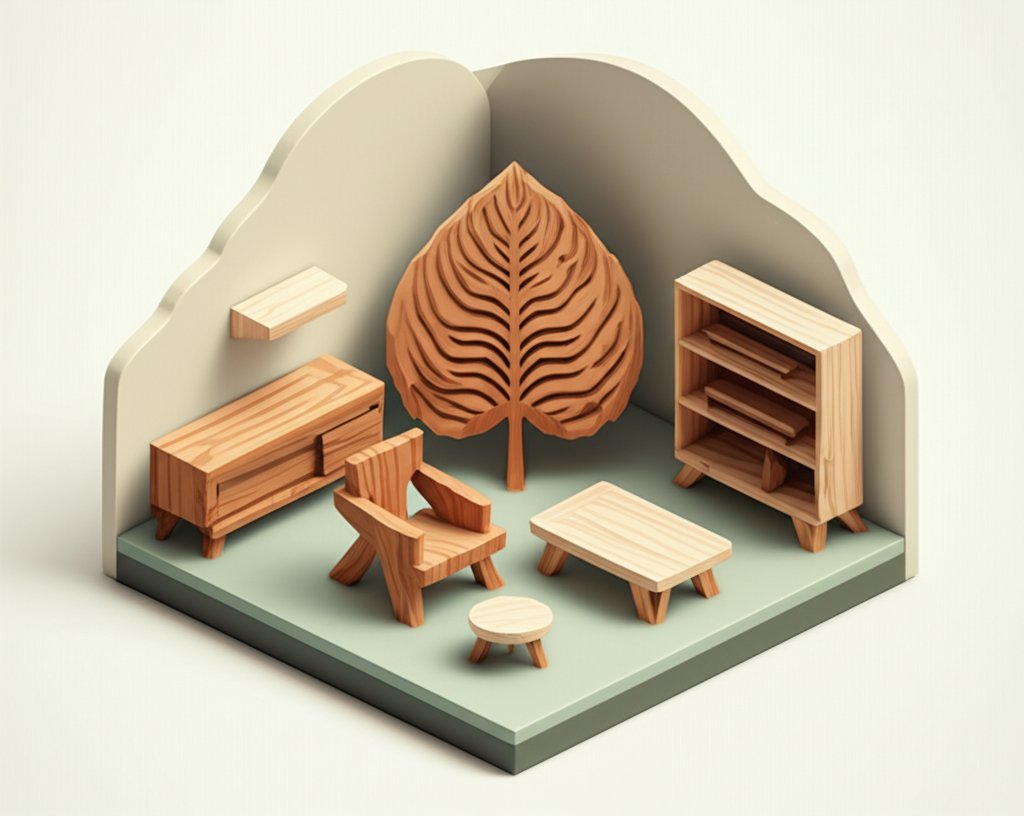
Step into a realm where the raw power of nature is meticulously shaped into objects of profound beauty and enduring utility. Wooden furniture isn’t just an assembly of planks and joints; it’s a living narrative, a testament to human ingenuity, artistic dedication, and an unwavering connection to the natural world. From the subtle grain patterns that tell a tree’s story to the smooth, warm finish under your fingertips, wood evokes an intrinsic sense of comfort, quality, and heritage that few other materials can rival.
In a world increasingly dominated by synthetic materials and fleeting trends, wood furniture stands tall as an embodiment of permanence and conscious living. This comprehensive guide will peel back the layers on the fascinating facts about wooden furniture, deep-dive into the intricate artistry and dedication behind masterful wood craftsmanship, and illuminate why it stands as a pinnacle of sustainable furniture. Prepare to embark on a journey through history, material science, and design, uncovering the undeniable allure that makes wood a cherished medium for generations to come.
The Enduring Allure of Wooden Furniture: Why It Stands the Test of Time
The appeal of wooden furniture is anything but superficial. It’s rooted in a rich tapestry of characteristics that make it not only aesthetically pleasing but also a pragmatic and emotionally resonant choice for any space. Understanding these core attributes reveals why wood has been, and continues to be, humanity’s most cherished material for shaping living environments.
Unpacking the Core Facts About Wooden Furniture
Beyond its obvious beauty, wooden furniture holds a wealth of fascinating characteristics that have solidified its place in homes and hearts across centuries. These aren’t just pieces; they’re stories waiting to be told, imbued with properties that surprise and delight.
Durability and Longevity: A Legacy in Every Grain
One of the most compelling facts about wooden furniture is its extraordinary ability to endure. When properly cared for, wood can last for centuries, easily outliving its original owners and becoming cherished family heirlooms. This isn’t just anecdotal; wood’s natural cellular structure provides inherent strength, resilience, and elasticity against wear and tear. From ancient Egyptian sarcophagi preserved for millennia to grand European chests gracing modern homes, the longevity of well-made wood furniture is undeniable. It’s not merely a purchase; it’s an investment in enduring quality that withstands the passage of time, gathering a unique patina and character that only years can bestow.
The Living Canvas: Wood’s Dynamic Nature and Unique Grain Patterns
Unlike inert synthetic materials, wood is a natural, hygroscopic material, meaning it actively interacts with its environment. It subtly expands and contracts with changes in humidity and temperature, a characteristic often referred to as “breathing.” This dynamic quality is a fundamental fact about wooden furniture and a testament to its organic nature. Skilled wood craftsmanship accounts for this movement, using techniques like floating panels and tongue-and-groove joints to allow the wood to move gracefully without cracking or warping.
Furthermore, each piece of wood furniture is a unique work of art, thanks to its distinct grain pattern. These patterns are formed by the tree’s growth rings, knots (where branches emerge), and natural imperfections, creating a unique “fingerprint” for every plank. From straight and uniform to wild and swirling, these grains ensure that no two pieces are ever exactly alike, contributing to their individuality, charm, and authenticity.
Sensory Richness: Aroma, Texture, and Warmth
Engage your senses, and wooden furniture often offers more than meets the eye. Many wood species possess distinctive, often pleasant, aromatic scents. Imagine the subtle, earthy fragrance of cedar in a chest, the warm notes of cherry, the fresh, clean scent of pine, or the rich, spicy notes of mahogany. These natural oils, released gradually, add an often-overlooked dimension to your living space, connecting you more intimately with nature and influencing the ambiance of a room.
Beyond scent, the tactile experience of wood is unparalleled. The smooth polish of a finely finished table, the subtle roughness of a natural, unfinished grain, or the inherent warmth it holds at room temperature invites touch. Each interaction reinforces its organic origin and unique character, creating a connection that goes beyond mere visual appreciation.
Historic & Cultural Significance: More Than Just Pieces
Wooden furniture has always been more than just functional objects; it has reflected the social, economic, and cultural values of societies throughout history. In ancient civilizations, chairs were often symbols of power and status. Medieval lords sat on ornate thrones, while common folk used simple, utilitarian stools. From the intricate joinery of Japanese tansu chests to the opulent marquetry of French Rococo cabinets, wood furniture chronicles human ingenuity, artistic trends, and societal structures. It provides a tangible link to bygone eras, offering glimpses into the lives, traditions, and artisanal prowess of our ancestors. Owning a piece of antique or historically inspired wooden furniture is like owning a piece of history itself.
Diversity in Design: Exploring Iconic Wood Species and Their Applications
The variety available in wood furniture is truly astounding, making it adaptable to virtually any style or preference. Different wood species boast unique characteristics, influencing everything from the furniture’s aesthetic to its durability and cost.
Hardwoods vs. Softwoods: Key Differences and Uses
Understanding the fundamental distinction between hardwoods and softwoods is crucial for appreciating the diversity of wood furniture.
- Hardwoods: These come from deciduous trees (those that lose their leaves in autumn), such as oak, maple, cherry, and walnut. They are generally denser, more durable, and resistant to dents and scratches. Hardwoods are prized for their strength, rich grain patterns, and longevity, making them ideal for high-traffic furniture like dining tables, cabinets, and flooring.
- Softwoods: These come from coniferous trees (evergreens), like pine, cedar, and fir. They grow faster and are typically less dense than hardwoods, making them easier to work with and generally more affordable. Softwoods often feature lighter colors and more pronounced knot patterns, lending themselves well to rustic, country, and casual furniture styles, as well as construction lumber.
Popular Hardwoods: Oak, Maple, Cherry, Walnut, Mahogany
- Oak (Red & White): A perennial favorite, oak is known for its prominent, open grain and exceptional strength. White oak is particularly water-resistant, making it popular for outdoor furniture and boat building, while red oak is celebrated for its warm, reddish hue. Ideal for robust, long-lasting pieces like dining tables, chairs, and cabinets.
- Maple: A fine-grained, incredibly hard wood, maple is often lighter in color and takes stains beautifully, allowing for a wide range of finishes. Its uniform texture makes it a favorite for modern and minimalist designs, as well as butcher blocks and musical instruments.
- Cherry: Celebrated for its smooth texture, fine grain, and rich reddish-brown hue that deepens and darkens beautifully with age and exposure to light. Cherry is an elegant choice for traditional and formal furniture, prized for its warmth and sophisticated appeal.
- Walnut: Prized for its dark, luxurious chocolate-brown color and intricate, often swirling grain patterns. Walnut is a premium hardwood used for high-end, statement pieces, known for its stability and resistance to warping.
- Mahogany: A classic choice for antique furniture, mahogany is known for its reddish-brown color, fine grain, and impressive durability. It polishes to a high sheen and is resistant to rot, making it historically popular for fine cabinetry and boat construction.
Popular Softwoods: Pine, Cedar, Fir
- Pine: Lighter in color, softer, and more affordable than hardwoods, pine offers a rustic charm and is easily worked. Its distinct knots and somewhat casual appearance make it a staple in country, farmhouse, and casual contemporary styles.
- Cedar: Known for its aromatic scent (especially red cedar, which repels moths) and natural resistance to decay and insects. Cedar is often used for chests, closets, and outdoor furniture where its natural protective qualities are highly valued.
- Fir: A strong and versatile softwood, fir is widely used in construction but also finds its way into certain furniture applications, particularly for its straight grain and light color.
The Art and Science of Wood Craftsmanship: From Forest to Heirloom
At the heart of every magnificent piece of wooden furniture lies the skill, dedication, and artistic vision of wood craftsmanship. This ancient practice transforms raw timber into functional art, blending precision engineering with creative flair, and an intimate understanding of the material itself. It’s a dance between human hands and nature’s bounty, resulting in objects that tell stories for generations.
The Foundation: Responsible Sourcing & Preparation
The journey of exceptional wood furniture begins long before it enters a workshop. It starts in the forest, with carefully selected trees – a process that fundamentally impacts the quality and sustainability of the final product.
Sustainable Forestry Practices & Certifications
Responsible harvesting is the first, crucial step in creating genuinely sustainable furniture. Modern forestry focuses on practices that ensure forest health, biodiversity, and long-term viability. This includes selective logging, replanting programs, and minimizing ecological impact.
For consumers looking for truly sustainable furniture, certifications are key. Organizations like the Forest Stewardship Council (FSC) and the Programme for the Endorsement of Forest Certification (PEFC) provide assurance that wood products come from responsibly managed forests. This means:
- Protecting biodiversity: Ensuring forests remain healthy ecosystems for flora and fauna.
- Respecting workers’ rights: Guaranteeing fair wages and safe working conditions.
- Community engagement: Considering the impact of logging on local populations.
- Preventing illegal logging: Promoting transparent and traceable supply chains.
By choosing wood furniture with these certifications, you directly support ethical forestry practices and contribute to preserving our planet’s vital resources. This commitment to sustainable sourcing is an integral part of modern wood craftsmanship.
Milling and Seasoning: The Critical First Steps
Once felled, logs are meticulously milled into usable boards. This process requires skill to maximize yield and highlight the wood’s natural grain. However, fresh lumber contains a high percentage of moisture, which, if not properly removed, can lead to severe warping, cracking, and instability in finished furniture.
This is where seasoning comes in – a critical process of air-drying or kiln-drying to reduce moisture content and stabilize the wood.
- Air-drying: A slower, natural process where wood stacks allow air circulation.
- Kiln-drying: A faster, more controlled process using heat and humidity to remove moisture to precise levels.
Only after proper seasoning, achieving a moisture content suitable for interior use (typically 6-8%), is the wood truly ready for the artisan’s touch, where its inherent beauty and stability can be revealed without compromise.
Time-Honored Techniques: The Soul of Woodworking
The foundation of exceptional wood craftsmanship lies in traditional techniques passed down through generations. Artisans employ a range of specialized hand tools – chisels, planes, saws, and mallets – with incredible precision, transforming simple timber into intricate and robust assemblies.
Mastering Joinery: Dovetails, Mortise & Tenon, Finger Joints
Joinery is the backbone of strong, durable wood furniture. It’s the art of connecting pieces of wood without relying solely on screws or nails, creating robust, interlocking connections that often outlast the wood itself. These joints are a hallmark of quality wood craftsmanship and allow furniture to withstand significant stress and the natural movement of wood.
- Dovetail Joints: Instantly recognizable by their interlocking “tails” and “pins,” dovetails are exceptionally strong in tension (pulling apart). They are often used for drawer construction, showcasing the artisan’s skill and commitment to lasting quality.
- Mortise-and-Tenon Joints: One of the oldest and strongest joints, it involves a “tenon” (a reduced projection on one piece) fitting snugly into a “mortise” (a corresponding hole or slot in another). Essential for chair frames, table legs, and sturdy case construction.
- Finger Joints (Box Joints): Similar to dovetails but with straight, square “fingers,” these joints offer strong connections and an appealing aesthetic for boxes and drawers.
- Dowels and Biscuits: While less robust than traditional hand-cut joinery, dowels (wooden pins) and biscuits (compressed wood splines) are often used in conjunction with glue for efficient and reasonably strong connections in modern production.
The Sculptural Art of Carving and Turning
Beyond structural integrity, wood craftsmanship often incorporates decorative elements that elevate furniture to fine art.
- Carving: From decorative flourishes and intricate relief patterns to three-dimensional sculptures, wood carving adds artistic expression and detail. It can range from shallow decorative accents on a chair back to deeply cut, complex forms that transform a simple piece into a focal point.
- Turning: Using a lathe, woodturners create symmetrical, rounded components like table legs, spindles, bowls, and decorative finials. This technique beautifully showcases the wood’s concentric grain patterns and requires a keen eye and steady hand.
Inlay and Marquetry: Adding Decorative Elegance
For truly exquisite wooden furniture, artisans may employ inlay and marquetry techniques.
- Inlay: Involves embedding pieces of contrasting wood, shell, metal, or other materials into depressions cut into the surface of the primary wood. This creates intricate patterns that lie flush with the surface.
- Marquetry: A more elaborate form, where veneers of different woods are cut into intricate designs and then glued onto a carcass or substrate. This creates pictorial scenes, geometric patterns, or elaborate flourishes, turning the furniture surface into a breathtaking canvas.
Modern Innovations Enhancing Traditional Craft
While time-honored methods remain crucial, wood craftsmanship also embraces modern advancements. The synergy between age-old wisdom and cutting-edge technology allows artisans to push the boundaries of design and efficiency, creating wood furniture that is both historically resonant and contemporary.
Precision with CNC and Laser Technology
- Computer Numerical Control (CNC) machines: These allow for highly precise cuts, repetitive tasks, and intricate designs that would be time-consuming or impossible by hand. They are perfect for complex geometric patterns, decorative fretwork, or ensuring consistent quality in production runs.
- Laser cutting and engraving: Offers even finer detail for delicate inlays, branding, or extremely precise decorative elements, opening up new possibilities for customization and artistic expression.
Advanced Adhesives and Eco-Friendly Finishes
Modern materials have also contributed to the evolution of wood craftsmanship.
- High-performance adhesives: New glues are stronger, more durable, and more resistant to environmental factors than traditional animal glues, enhancing the longevity of joints.
- Eco-friendly finishes: Today’s artisans have access to a wider range of low-VOC (Volatile Organic Compound) and natural oil finishes. These protect the wood while minimizing environmental impact and ensuring healthier indoor air quality, aligning perfectly with the ethos of
sustainable furniture.
The Artisan’s Mind: Vision, Skill, and Dedication
True wood craftsmanship is more than just executing techniques; it is an act of passion, an intuitive understanding, and a profound respect for the material. Artisans spend countless hours honing their skills, developing an intuitive feel for different wood species, and envisioning how each piece will take shape.
They consider not only the structural integrity but also the flow of the grain, the balance of the proportions, and the overall aesthetic impact. This human element – the thoughtful design, the careful selection of materials, and the meticulous finishing – imbues each piece of wood furniture with a unique character and soul that mass-produced items simply cannot replicate. It’s an investment in art, history, and the enduring human spirit.
Wooden Furniture as a Beacon of Sustainable Living: Eco-Beauty Defined

In an era of increasing environmental awareness and the urgent need for responsible consumption, the concept of sustainable furniture has gained paramount importance. Wooden furniture, when sourced and crafted responsibly, stands out as an inherently eco-friendly choice, marrying natural beauty with profound environmental responsibility. It offers a tangible way to furnish our homes in harmony with the planet.
Why Wood is the Ultimate Sustainable Furniture Choice
The inherent qualities of wood position it as a leader in the world of sustainable furniture.
Renewable Resource & Carbon Sequestration
Unlike metals or plastics, which rely on finite, energy-intensive raw materials (ores, petroleum), wood is a genuinely renewable resource. When managed properly through sustainable forestry, forests can continuously provide timber without depleting natural ecosystems.
Furthermore, trees are powerful carbon sinks. During their growth, they absorb carbon dioxide (CO2) from the atmosphere through photosynthesis, locking this carbon away in their wood fibers. This carbon remains sequestered even after the tree is harvested and made into furniture. This means a piece of wooden furniture acts as a long-term carbon store, effectively making it a carbon-positive choice that actively helps mitigate climate change.
Lower Energy Footprint in Production
The energy required to process raw timber into usable furniture components is significantly lower compared to the manufacturing of other popular materials. Producing steel, aluminum, glass, or plastic involves high-temperature processes that consume vast amounts of energy and typically result in higher CO2 emissions. Wood, by contrast, requires less intensive processing—primarily milling, drying, and shaping—which translates to a much smaller environmental footprint for wooden furniture.
Biodegradability and Circularity
At the very end of its incredibly long life cycle (which, as discussed, can be centuries), wood is completely biodegradable. Unlike many plastics that persist in landfills for millennia, wood can naturally break down, returning its organic components to the earth. This inherent biodegradability reduces landfill burden and allows wood to participate in a true “cradle-to-cradle” lifecycle, a cornerstone of sustainable furniture principles.
Green Certifications: Your Guide to Ethical Wood Sourcing
For consumers dedicated to finding truly sustainable furniture, certifications are non-negotiable. Organizations like the Forest Stewardship Council (FSC) and the Programme for the Endorsement of Forest Certification (PEFC) are vital in ensuring that wood products come from responsibly managed forests.
When you see an FSC or PEFC label, you can be assured that the wood has been harvested:
- Legally and ethically, preventing illegal logging.
- With respect for biodiversity, protecting ecosystems and wildlife habitats.
- Under fair conditions for workers, ensuring decent wages and safety.
- Considering the rights of indigenous peoples and local communities.
By choosing wood furniture with these certifications, you wield your purchasing power to directly support ethical forestry practices and contribute to the preservation of our planet’s vital forest resources, making a tangible difference in the fight against deforestation and climate change.
The Anti-Disposable: Longevity as a Core Sustainability Principle
The durability of wooden furniture is itself a cornerstone of sustainability. A well-crafted piece that lasts for decades, or even centuries, negates the need for frequent replacement. This directly reduces consumption, minimizes waste, and lowers the aggregate environmental impact associated with manufacturing, transporting, and discarding new products repeatedly.
Investing in high-quality, durable wood furniture is an active step against the “fast furniture” trend, which often involves cheaply made, disposable items that quickly end up in landfills, contributing to a cycle of overconsumption and environmental degradation. The inherent longevity of wood makes it not just beautiful, but also a profoundly sustainable furniture option. It’s a commitment to fewer resources used over a longer period.
Beyond New: The Power of Reclaimed, Recycled, and Upcycled Wood
The versatility of wood extends beautifully to its end-of-life options, further reinforcing its status as sustainable furniture.
- Reclaimed Wood: Sourced from old barns, factories, warehouses, or even underwater logs, reclaimed wood is salvaged timber given a new life. This prevents valuable wood from going to waste, reduces the demand for newly harvested timber, and creates furniture with immense character and history. Each knot, nail hole, or weathering mark tells a unique story.
- Recycled Wood: Wood scraps from mills, construction sites, or dismantled structures can be processed into new wood products (like particleboard or MDF, often for hidden components) or used as biofuel.
- Upcycled Wood: Old wooden furniture pieces can be beautifully upcycled, transforming dated or worn items into modern treasures with a fresh coat of paint, new hardware, or a reimagined function. This creative reuse prevents items from ending up in landfills and breathes new life into existing resources, showcasing the true potential of sustainable furniture.
Elevating Your Space: Choosing, Caring for, and Living with Wood Furniture
To truly embrace the beauty, longevity, and sustainability of wooden furniture, understanding how to choose it wisely and care for it properly is essential. These practical insights will empower you to make informed decisions and enjoy your investment for a lifetime, and beyond.
Choosing the right wood is essential, but understanding how to arrange pieces thoughtfully is just as important, especially when you want to avoid creating an awkward bulwark in room that disrupts the flow of your space.
Identifying Exemplary Wood Furniture Quality
When selecting wood furniture, several indicators point to superior wood craftsmanship and lasting quality. Being an informed buyer allows you to distinguish between genuine heirlooms and pieces designed for obsolescence.
Solid Wood vs. Engineered Wood: Key Differences
- Solid Wood: Consists entirely of wood from a single species, throughout the entire piece.
- Pros: Unparalleled durability, can be restored and refinished multiple times, gathers beautiful patina, often increases in value.
- Cons: More expensive, susceptible to expansion/contraction with humidity changes (though skilled
wood craftsmanshipaccounts for this), heavier.
- Engineered Wood (Plywood, MDF, Particle Board, Veneer):
- Plywood: Layers of wood veneer glued together with grain alternating, creating stability and strength. Good quality plywood is strong and stable.
- MDF (Medium-Density Fiberboard): Wood fibers pressed with resin. Very stable, smooth surface ideal for paint, but dense and heavy. Not as strong as solid wood and susceptible to water damage.
- Particle Board (Chipboard): Wood particles glued together. Least expensive, least durable, and most susceptible to moisture damage. Often used for basic, low-cost furniture.
- Veneer: Thin slice (often valuable) of wood glued over a stable substrate (like MDF or plywood).
- Pros: Allows for exotic wood looks at a lower cost, more stable (less expansion/contraction), lighter.
- Cons: Cannot be sanded or refinished extensively, can chip or peel if not well-applied.
When assessing quality, understand the construction. Solid wood is generally superior for longevity and repairability, but high-quality veneers over stable engineered wood (like good plywood or MDF) can also be durable and visually stunning. Avoid particle board for any substantial furniture.
Inspecting Joinery, Finish, and Hardware
- Joinery: This is paramount. Look for traditional joinery like dovetails (for drawers), mortise-and-tenon, or dowel joints. These indicate careful construction and will last. Avoid pieces held together primarily by staples, visible screws, or glue alone, as these are signs of lower quality and will likely fail over time.
- Finish: A superior finish is smooth, even, and enhances the wood’s natural grain without drips, bubbles, or dull spots. It should feel rich and protective. Check all surfaces, even less visible ones.
- Hardware: For drawers, look for smooth-gliding mechanisms. Full-extension metal runners or high-quality wood-on-wood glides are preferable. Knobs and pulls should be sturdy and securely attached.
The “Feel” Test: Weight, Balance, and Sound
Quality wood furniture often feels substantial and sturdy, reflecting the density of the wood and the solid construction. Lift or gently push the piece; it should feel solid, not wobbly. Knock on different parts; a solid thud suggests strong construction, while a hollow sound might indicate thinner materials or poor assembly.
Understanding Wood Finishes: Protection and Aesthetics
The finish on your wooden furniture is crucial for both aesthetics and protection. Different finishes offer varying levels of durability, appearance, and maintenance requirements.
Surface Finishes: Lacquer, Varnish, Polyurethane
These finishes create a hard, protective layer on top of the wood, sealing it from moisture and wear.
- Lacquer: Dries quickly to a hard, clear, durable, and often high-gloss finish. Resistant to scratches and moisture. Common for dining tables and high-traffic areas.
- Varnish: A transparent, hard, protective finish that is more durable than lacquer. Excellent for protecting exterior wood and often used for interiors where maximum protection is desired.
- Polyurethane: Extremely durable and resistant to water, heat, and chemicals. Available in various sheens, it’s a popular choice for tabletops and surfaces that see heavy use. Can appear plastic-like if applied too thickly.
Penetrating Finishes: Oil, Wax
These finishes soak into the wood, enhancing its natural grain and providing a soft, natural look, but offering less surface protection than film-forming finishes.
- Oil Finish (e.g., Linseed, Tung): Penetrates deeply, nourishing the wood and highlighting its natural beauty. Provides a soft, matte, or satin look. Requires more frequent reapplication but is easy to repair (scratches often blend in).
- Wax Finish: Offers a soft sheen and some protection, often used over oil finishes or bare wood. Requires regular buffing and reapplication. Provides a very natural, tactile feel.
Specialty Finishes: Distressing, Liming
- Distressing: Techniques used to give new wood an aged, antique appearance (e.g., faux wormholes, subtle dents, rubbed edges).
- Liming/Whitewash: A finish that allows the wood grain to show through a translucent white or pale color, popular for coastal or shabby chic styles.
Understanding the finish will guide your cleaning and care routine, ensuring your wood furniture maintains its splendor.
The Art of Preservation: Comprehensive Care for Your Wood Furniture
Proper care is paramount to preserving the beauty and extending the life of your wooden furniture. Think of it as nurturing a living material that will reward your efforts with centuries of joy.
Environmental Control: Humidity, Temperature, Sunlight
Wood is hygroscopic, meaning it constantly exchanges moisture with its environment.
- Maintain Consistent Humidity: Ideally, keep your home’s humidity between 40-50%. Too dry (common in winter with heating) can cause wood to shrink and crack. Too humid can cause it to swell and warp. Humidifiers in dry climates and dehumidifiers in humid ones can help.
- Temperature Stability: Avoid extreme temperature fluctuations. Place furniture away from direct heat sources like radiators, heating vents, or fireplaces, which can dry out and crack the wood.
- Protect from Sunlight: Prolonged exposure to direct sunlight and UV rays can fade and dry out wood finishes, and even change the wood’s color unevenly. Use curtains, blinds, or rotate your furniture to minimize exposure.
Cleaning Protocols: What to Use, What to Avoid
- Dust Regularly: Use a soft, clean, lint-free cloth (microfiber is excellent) to remove dust, which can accumulate and create abrasive particles that scratch the surface when wiped.
- Clean Gently: For spills, blot immediately with a soft cloth. For general cleaning, a slightly damp cloth with mild, pH-neutral soap (like dish soap diluted in water) is often sufficient, followed by thorough drying. Never let water sit on the surface.
- Avoid Harsh Chemicals: Steer clear of all-purpose cleaners, ammonia-based cleaners, abrasive pads, and especially silicone-based polishes. Silicone can build up over time, creating a sticky film that attracts dust and is difficult to remove, potentially damaging the original finish.
Protecting Surfaces: Coasters, Pads, Runners
Prevention is key.
- Coasters and Placemats: Essential for protecting surfaces from hot items, condensation rings, and spills.
- Felt Pads: Apply felt pads to the bottom of lamps, decorative objects, and any items placed directly on wood to prevent scratches.
- Tablecloths/Runners: Use for dining tables during meals or high-traffic periods to add an extra layer of protection.
Polish Sparingly: The Right Approach
If using polish, choose one specific to your furniture’s finish (e.g., oil-based polish for oil finishes) and apply it sparingly with a soft cloth, rubbing in the direction of the grain. Avoid over-polishing, which can lead to residue buildup. Most modern finishes require little to no polish; simple dusting and occasional gentle cleaning are usually sufficient.
Restoration and Repair: Ensuring a Second (or Third) Life
One of the great advantages of quality wooden furniture is its inherent ability to be restored and repaired. This repairability is a major factor in its status as sustainable furniture, ensuring that beautiful pieces can continue their journey through time rather than being discarded.
DIY Minor Repairs: Scratch & Dent Solutions
For minor blemishes, some DIY solutions can work wonders:
- Scratches: Wood stain pens, furniture crayons, or even walnuts (rubbed into light scratches) can often mask minor surface imperfections.
- Dents: For shallow dents, a damp cloth and a warm iron can sometimes swell the wood fibers, lifting the dent. Always test in an inconspicuous area first.
- Water Rings: Often caused by moisture trapped in the finish, these can sometimes be removed with a mix of olive oil and vinegar, or specialized commercial products, applied with a soft cloth.
When to Call a Professional: Major Damage & Refinishing
For significant damage—deep gouges, structural breaks, extensive water damage, or a completely worn-out finish—it’s best to consult a professional furniture restorer. Skilled artisans can often:
- Repair structural damage, re-glue loose joints, or replace broken components.
- Completely strip and refinish a piece, bringing it back to its original glory or giving it a new look while preserving its integrity.
- Match historical finishes or perform conservation work on antique pieces.
Investing in professional restoration extends the life of your wood furniture by decades, proving its value as a truly enduring and sustainable furniture choice.
Conclusion

From the forest’s embrace to the heart of your home










