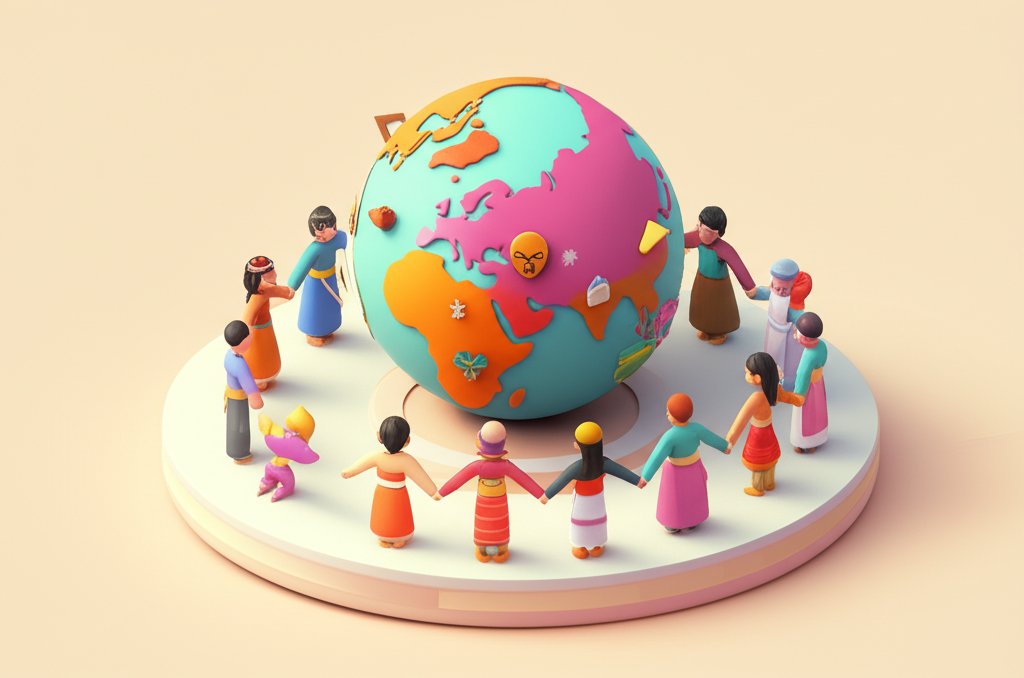
In an increasingly interconnected yet wonderfully varied world, ethnic and cultural diversity stands as both a fundamental reality and a powerful engine for progress. Our planet is a truly heterogeneous world, a mosaic of distinct traditions, languages, beliefs, and histories that collectively form the rich tapestry of human experience. Far from being a mere aesthetic feature, this profound diversity presents both unique challenges and unparalleled opportunities, calling upon us to embrace difference, foster understanding, and actively engage in intercultural dialogue to unlock our collective potential. This article will explore the multifaceted nature of diversity, delving into its benefits, complexities, and ultimately, how we can effectively harness it to build more vibrant, resilient, and harmonious societies.
Understanding Ethnic and Cultural Diversity in a Heterogeneous World
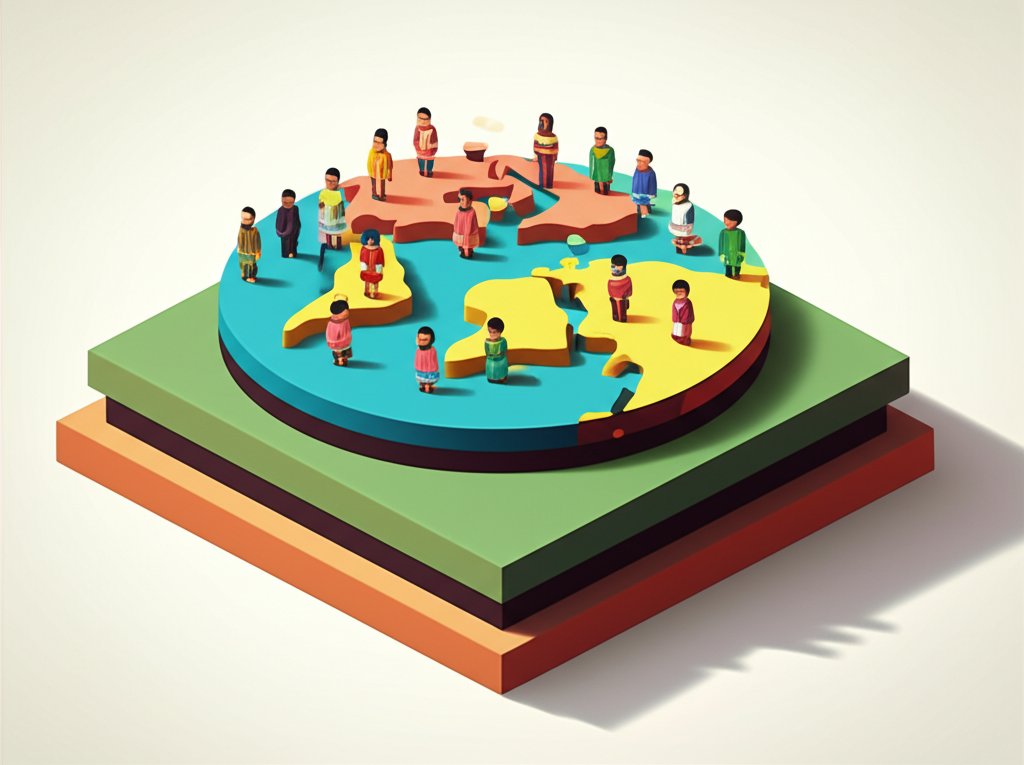
To truly appreciate the power of diversity, we must first understand its core components and the context of our varied global landscape. The terms “ethnic” and “cultural” are often used interchangeably, but they represent distinct yet intertwined aspects of human identity.
Understanding these distinctions, and recognizing how deeply ingrained specific cultural traits are, provides a foundation for navigating the complexities of our diverse world.
Defining the Tapestry: Ethnicity vs. Culture
Ethnicity refers to a group of people who identify with each other based on common ancestry, language, history, society, culture, or nation. It often involves shared social and cultural traditions as well as a sense of collective belonging. Cultural diversity, on the other hand, is a broader concept encompassing the variety of human societies or cultures in a specific region or in the world as a whole. It includes differences in customs, arts, social institutions, belief systems, and values that characterize individuals and groups. While ethnicity is often a component of culture, culture extends to practices, expressions, and shared ways of life that may transcend specific ethnic lines. Both contribute to the rich layers of identity in a given society.
The Dynamics of a Heterogeneous World
Our planet has always been a heterogeneous world, characterized by natural and human differences. However, globalization, migration, and digital connectivity have amplified our awareness and interaction with this heterogeneity more than ever before. This dynamic environment means that people from diverse backgrounds are living, working, and interacting in increasingly close proximity. Understanding the implications of this constant interplay – from economic exchange to social integration – is critical. Acknowledging our heterogeneous world is the first step toward developing strategies that transform difference from a potential source of conflict into a wellspring of innovation and mutual respect.
The Unrivaled Benefits of Embracing Cultural Diversity
Embracing cultural diversity is not merely an act of tolerance; it’s a strategic imperative for any society aiming for long-term prosperity, stability, and innovation. The advantages permeate every facet of human experience.
Fueling Innovation and Economic Growth
A diverse workforce and community bring a multitude of perspectives, problem-solving approaches, and creative ideas. When individuals from different backgrounds collaborate, they challenge assumptions, spark new insights, and foster an environment where “out-of-the-box” thinking becomes the norm. This synergy directly translates into enhanced innovation, leading to new products, services, and solutions that cater to a broader global market. Research consistently demonstrates that companies with higher ethnic and cultural diversity outperform their less diverse counterparts in terms of profitability and market share, highlighting diversity as a tangible economic asset crucial for navigating our heterogeneous world.
Enriching Societies and Fostering Resilience
Beyond economic benefits, cultural diversity enriches the social fabric of communities. It introduces new culinary traditions, art forms, music, literature, and festivals, creating vibrant and dynamic public spaces. This exchange broadens individual horizons, fosters empathy, and cultivates a deeper understanding of the human condition. Furthermore, diverse societies are often more resilient. They possess a wider array of strategies for adapting to change, solving social problems, and navigating crises, drawing upon the collective wisdom and varied experiences of their populations. This collective strength is indispensable in a rapidly evolving and heterogeneous world.
Enhancing Global Understanding and Intercultural Dialogue
One of the most profound benefits of ethnic and cultural diversity is its capacity to promote global understanding. Exposure to different cultures breaks down stereotypes, reduces prejudice, and builds bridges between communities. This naturally leads to intercultural dialogue, which is the open and respectful exchange between individuals and groups with different cultural backgrounds. Effective intercultural dialogue is essential for resolving conflicts, fostering diplomatic relations, and addressing shared global challenges such as climate change, poverty, and public health. It cultivates a sense of global citizenship, recognizing our shared humanity while celebrating our unique identities.
Navigating the Complexities: Challenges and Solutions in a Diverse World
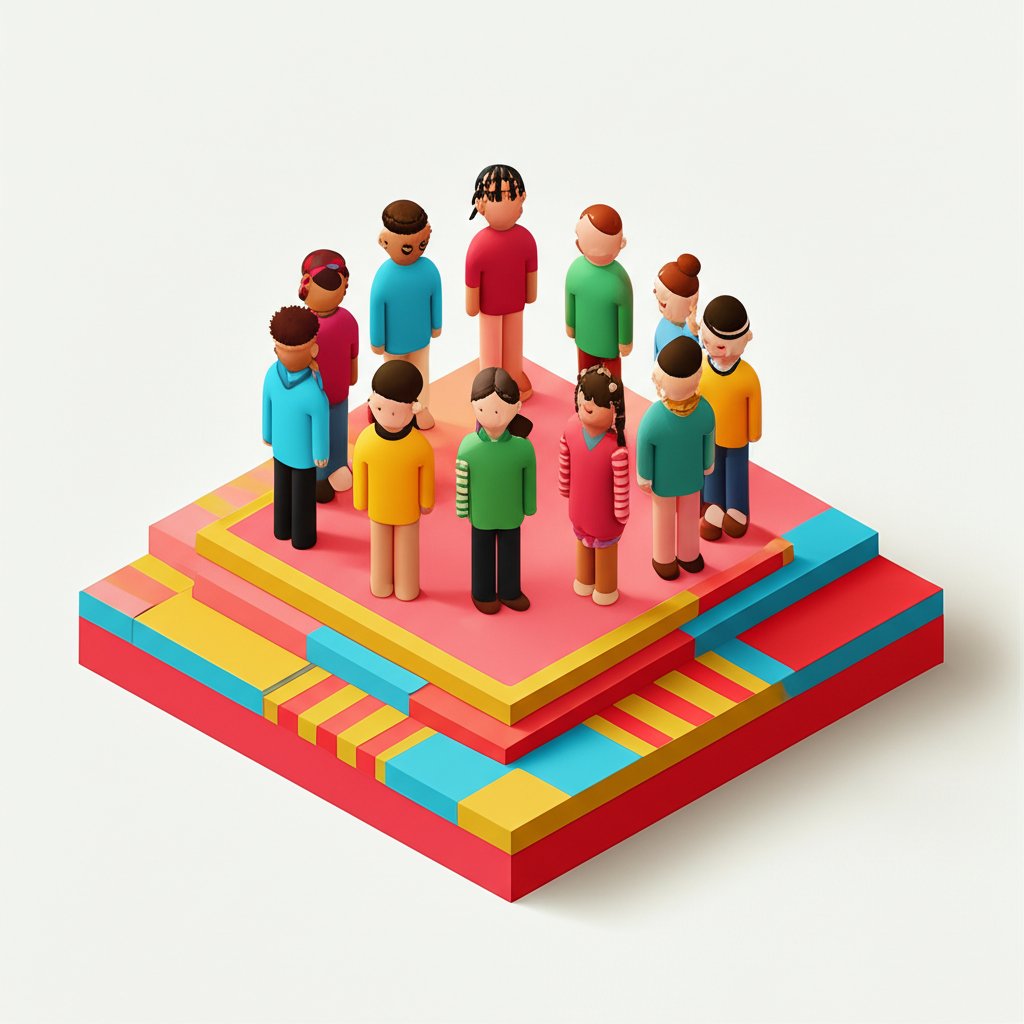
While the benefits of ethnic and cultural diversity are profound, it is equally important to acknowledge and address the inherent challenges. A heterogeneous world inevitably brings together different viewpoints, which can lead to misunderstandings or friction if not managed proactively and sensitively.
Overcoming Prejudice and Bridging Cultural Gaps
Historical prejudices, stereotypes, and biases can create significant barriers to genuine integration and mutual respect. Differences in communication styles, social norms, and belief systems can lead to cultural misunderstandings, even when intentions are good. These challenges manifest as discrimination, social segregation, and a lack of equitable opportunities for minority groups. Overcoming these hurdles requires a conscious and sustained effort from individuals, communities, and institutions.
Strategies for Effective Integration and Inclusivity
Addressing the complexities of diversity demands proactive strategies:
- Education and Awareness: Promoting cultural competence and empathy through education from an early age is vital. Learning about different cultures, their histories, and contributions can dismantle stereotypes and foster open-mindedness.
- Inclusive Policies: Governments and organizations must implement and enforce anti-discrimination laws, equitable hiring practices, and policies that ensure fair access to resources and opportunities for all, regardless of ethnic and cultural diversity.
- Community Building Initiatives: Creating spaces and events that encourage interaction and collaboration among diverse groups can build trust and foster a sense of shared community. Festivals, forums, and joint projects provide common ground for intercultural dialogue.
- Media Representation: Diverse and positive representation in media can challenge stereotypes and reflect the richness of a heterogeneous world, influencing public perception positively.
Safeguarding Cultural Heritage and Identity
In a globalized and heterogeneous world, the preservation and celebration of cultural heritage are more critical than ever. It’s about protecting the unique expressions of human creativity and identity that define us.
The Imperative of Preservation
Cultural heritage encompasses tangible elements like historical sites, artifacts, and traditional crafts, as well as intangible aspects such as languages, oral traditions, performing arts, social practices, rituals, and knowledge systems. Each piece of cultural heritage tells a story, offering insights into human history, values, and evolution. Losing a language, a traditional craft, or a unique ritual is not just a loss for one community; it’s a loss for all of humanity. Preservation efforts ensure that these invaluable legacies are sustained for future generations, allowing them to connect with their roots and understand the diverse pathways of human development in our heterogeneous world.
Empowering Communities to Maintain Traditions
Effective preservation of cultural heritage goes beyond simply cataloging artifacts; it involves empowering the communities whose heritage it is. This means supporting efforts to keep languages alive, transmit traditional skills and knowledge, and celebrate cultural festivals and practices. Governments and international organizations play a crucial role by providing resources, legal protections, and platforms for these communities. By fostering an environment where cultural identity is valued and celebrated, we ensure that ethnic and cultural diversity remains a vibrant, living force, rather than just a historical artifact. This active support for cultural heritage is a testament to a society’s commitment to inclusivity and respect for all its members.
Practical Frameworks for Harnessing Diversity
Harnessing ethnic and cultural diversity effectively requires systemic approaches and individual commitment. From governmental policies to educational curricula and individual actions, every level contributes to building truly inclusive societies in our heterogeneous world.
Government’s Role in Policy and Support
Governments are pivotal in shaping environments that foster diversity. This includes:
- Inclusive Legislation: Enacting and enforcing laws that protect human rights, prevent discrimination, and ensure equal opportunities for all ethnic and cultural groups.
- Public Services: Designing public services (healthcare, education, housing) that are culturally sensitive and accessible to diverse populations, often requiring translation services, cultural competence training for staff, and community outreach.
- Funding for Cultural Initiatives: Providing financial support for organizations and programs that promote cultural diversity, preserve cultural heritage, and facilitate intercultural dialogue.
- Representation: Ensuring diverse representation in political processes and public institutions to reflect the true makeup of society.
Education and Workplaces: Cultivating Inclusive Environments
Education and professional settings are crucial arenas for fostering appreciation of ethnic and cultural diversity:
- Diverse Curricula: Educational institutions should integrate diverse perspectives into their curricula, teaching global histories, literature, and art forms, and promoting critical thinking about identity and difference.
- Inclusive Pedagogy: Teachers should be trained in culturally responsive teaching methods that acknowledge and leverage students’ diverse backgrounds.
- Workplace Diversity & Inclusion (D&I) Programs: Companies must move beyond tokenism, implementing comprehensive D&I strategies that include equitable hiring, mentorship, unconscious bias training, and creating a culture where all voices are heard and valued.
- Leadership Commitment: Leadership at all levels must champion diversity, setting the tone for an inclusive environment where intercultural dialogue is encouraged and celebrated.
The Individual’s Role in Fostering Intercultural Dialogue
Ultimately, the strength of diversity rests on individual actions. Each person can contribute by:
- Practicing Empathy and Openness: Actively seeking to understand different perspectives, even when they challenge one’s own.
- Engaging in Active Listening: Truly hearing and processing what others are saying, rather than just waiting to respond.
- Educating Oneself: Taking the initiative to learn about other cultures, traditions, and worldviews.
- Challenging Prejudices: Confronting one’s own biases and speaking out against discrimination and bigotry when encountered.
- Participating in Intercultural Exchange: Engaging in conversations, events, and activities that bring people from different backgrounds together.
By adopting these frameworks, from policy-making to personal interactions, we can consciously and effectively harness the immense power of ethnic and cultural diversity to navigate and thrive in our complex heterogeneous world.
Conclusion
The tapestry of our heterogeneous world is undeniably enriched by the vibrant threads of ethnic and cultural diversity. Far from being a source of division, it is a profound asset that fuels innovation, empowers economies, strengthens societies, and expands our collective understanding. While challenges such as prejudice and cultural misunderstandings exist, they are surmountable through conscious effort, robust policies, inclusive education, and genuine intercultural dialogue. By prioritizing the preservation of cultural heritage and empowering diverse communities, we ensure that the unique contributions of every group continue to enrich the global human experience. Embracing and actively harnessing ethnic and cultural diversity is not just an ideal; it is an essential strategy for fostering a more harmonious, equitable, and prosperous future for all. Let us commit to building a world where difference is celebrated, understanding is paramount, and unity emerges from the beautiful mosaic of our shared humanity.
FAQ
Q1: What is the fundamental difference between “ethnic” and “cultural” diversity?
A1: Ethnic diversity refers to the variety of groups based on shared ancestry, language, history, or nation. Cultural diversity is a broader term encompassing the variety of human societies or cultures, including their customs, arts, social institutions, values, and belief systems, which may or may not be tied to a specific ethnic group. Both are crucial to understanding a heterogeneous world.
Q2: How does a “heterogeneous world” impact daily life and global relations?
A2: In a heterogeneous world, diverse populations interact more frequently, influencing everything from local cuisine and music to global trade and diplomacy. This can lead to increased innovation and cultural enrichment, but also potential challenges like misunderstandings or prejudice if intercultural dialogue and understanding are not actively promoted.
Q3: What specific benefits does cultural diversity bring to the workplace?
A3: In the workplace, cultural diversity drives innovation, enhances problem-solving, improves decision-making, and strengthens a company’s ability to operate in global markets. Diverse teams offer varied perspectives, leading to more creative solutions and a better understanding of diverse customer bases.
Q4: Why is intercultural dialogue so important in today’s global society?
A4: Intercultural dialogue is vital for fostering mutual understanding, reducing stereotypes, and preventing conflicts between different groups. It builds bridges of communication, encourages empathy, and enables collaborative efforts to address global challenges, contributing to a more peaceful and cooperative heterogeneous world.
Q5: What is the significance of preserving cultural heritage in a modern context?
A5: Preserving cultural heritage ensures that unique traditions, languages, and historical knowledge are maintained for future generations. It provides a sense of identity and belonging for communities, enriches global culture, and offers invaluable insights into human history and adaptation in our ever-changing heterogeneous world.
Q6: What role do governments play in promoting ethnic and cultural diversity?
A6: Governments play a critical role by enacting inclusive laws, providing culturally sensitive public services, funding initiatives that celebrate diversity and preserve cultural heritage, and ensuring diverse representation in public life. These actions create a framework for equitable and inclusive societies.










