
In an era fundamentally shaped by constant connectivity, internet applications have transcended mere tools to become the very architects of modern life. From the way we communicate across continents to the intricate systems governing our economy, education, and even personal well-being, these digital marvels have profoundly woven themselves into daily existence. They’ve crafted a world that is not only more interconnected and efficient but also dynamic and continuously evolving. This article will embark on an in-depth exploration of the expansive influence and transformative impact of internet applications across every domain, highlighting the pivotal role played by internet technology in fueling this ongoing revolution. We will examine how online applications are far more than just conveniences; they are fundamental drivers of progress, innovation, and change in contemporary society, compelling us to redefine our understanding of daily existence.
What Are Internet Applications? Understanding the Digital Backbone of Modern Life
The sheer ubiquity of digital interaction often leads us to take for granted the foundational elements that enable it. At the core of our hyper-connected world lie internet applications and the sophisticated internet technology that powers them, making modern life as we know it possible.
Defining Internet Applications: More Than Just “Online Apps”
Internet applications, frequently referred to as online applications, are sophisticated software programs that execute on remote servers and are accessed by users via a web browser or a dedicated client application over the internet. Unlike traditional software installed directly on a device, these applications harness the power of cloud computing and vast network infrastructures. This architecture allows them to deliver services, store data, and facilitate real-time, global interactions with unparalleled efficiency.
Consider the familiar examples that populate our digital landscape: social media giants like Facebook and TikTok, indispensable communication tools like WhatsApp, expansive e-commerce marketplaces such as Amazon and Shopee, and streaming services like Netflix. These internet applications thrive on the internet’s capacity for rapid and efficient data transmission, enabling rich, interactive, and personalized user experiences that are now integral to modern life. They are designed to be accessible anytime, anywhere, fostering a seamlessly integrated digital experience.
The Fundamental Pillars of Internet Technology
The capabilities of internet applications are inextricably linked to the advanced internet technology that underpins them. This includes a robust global network of servers, high-speed data transfer protocols, and the intricate web of software frameworks that allow applications to function across diverse devices and operating systems. Key components include:
To truly appreciate the impact of these advancements, one should explore some interesting facts about technology and how they continue to reshape our world.
- Cloud Computing: Providing on-demand computational resources, storage, and application services over the internet, eliminating the need for users to manage physical infrastructure.
- Networking Protocols: Standards like HTTP, TCP/IP, and DNS that dictate how data is formatted, addressed, transmitted, and received across the network.
- Web Frameworks and APIs: Software tools and defined interfaces that simplify the development of complex online applications, allowing different services to communicate and integrate seamlessly.
- Data Centers: Physical facilities housing vast numbers of networked computers and storage systems, essential for the continuous operation of internet applications.
These technological pillars ensure the scalability, reliability, and global reach that define effective internet applications today.
A Brief History: From ARPANET to Global Connectivity
The journey of internet technology from its conceptual beginnings to its current sophisticated form is a testament to human ingenuity and continuous innovation. Starting with ARPANET in the late 1960s, the internet initially served primarily academic and military research purposes, connecting a limited number of institutions.
The true democratization of the internet began with the advent of the World Wide Web in the early 1990s, coupled with the introduction of user-friendly web browsers. This pivotal moment paved the way for the first generation of accessible online applications, such as early email clients and basic informational websites.
Subsequent advancements turbo-charged this evolution:
This relentless evolution has not only refined existing internet applications but also catalyzed the creation of entirely new categories of services, catering to increasingly complex user needs and fundamentally shaping modern life.
The Transformative Impact of Internet Applications Across Key Sectors
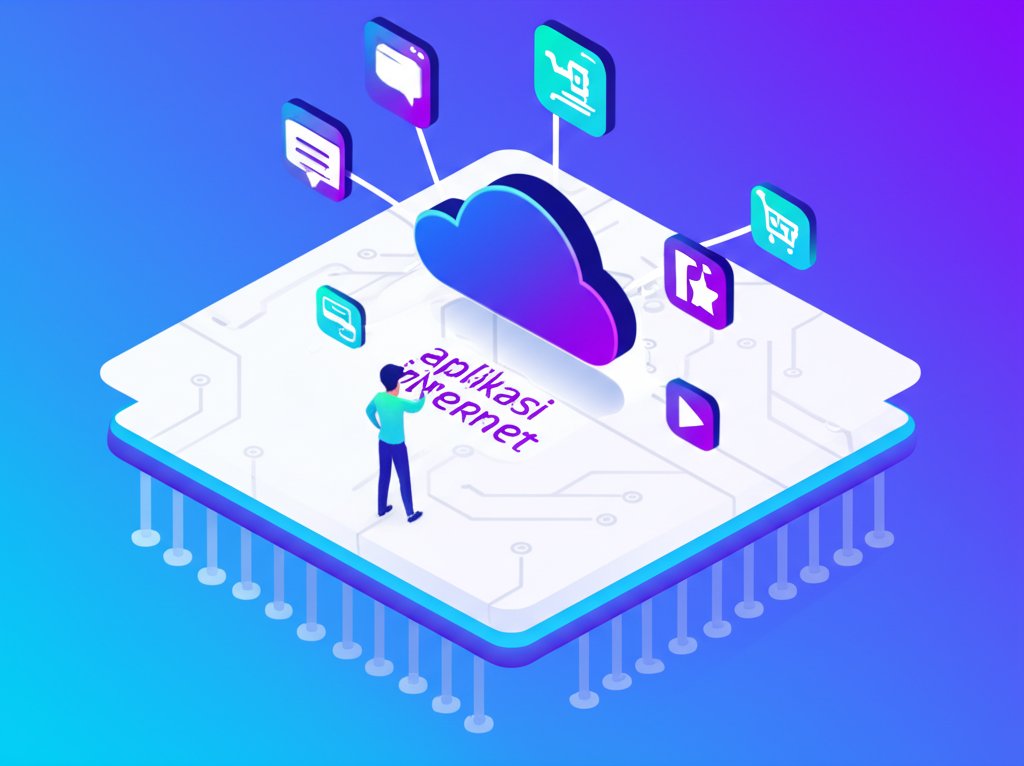
The impact of internet applications is pervasive, touching virtually every aspect of society. They have not just changed processes; they have redefined possibilities in countless domains, making modern life undeniably different.
Revolutionizing Communication: Connecting the World Instantly
Perhaps the most immediately evident impact of internet applications is the radical transformation of human communication. Geographical barriers have effectively dissolved, making real-time, multimedia interaction the global norm.
- Instant Messaging & Voice/Video Calls: Online applications like WhatsApp, Telegram, and Signal have made instant messaging the primary mode of personal communication globally. These apps support text, images, videos, and voice notes, fostering continuous, rich connections. Video conferencing tools such as Zoom, Google Meet, and Microsoft Teams have enabled face-to-face interactions regardless of physical location, proving indispensable for remote work, education, and even personal gatherings.
- Social Networking: Platforms like Facebook, Instagram, X (formerly Twitter), and LinkedIn have created vast virtual communities. They serve as powerful tools for self-expression, identity formation, social activism, and community building, connecting billions and facilitating global cultural exchange.
Economic and Commercial Paradigm Shifts: E-commerce and Beyond
The economic landscape has been profoundly reshaped by the pervasive impact of internet applications, particularly in how goods and services are exchanged and how businesses operate within modern life.
- E-commerce Dominance: Platforms like Amazon, eBay, Alibaba, and Shopee have fundamentally altered consumer behavior and retail paradigms. These online applications offer unprecedented convenience, allowing consumers to browse vast catalogs, compare prices, and make purchases anytime, anywhere. This has democratized retail, enabling small businesses to reach global audiences without physical storefronts.
- Digital Banking & Fintech: Internet applications for banking and financial services have made personal finance management more accessible and convenient. From mobile payments and peer-to-peer lending to investment apps and cryptocurrency platforms, fintech innovations powered by internet technology offer new ways to transact, save, and invest, often benefiting underserved populations.
- The Gig Economy: Platforms like Uber, Grab, Gojek, Fiverr, and Upwork have been instrumental in fostering the gig economy. These internet applications connect service providers directly with consumers, offering flexible work models and new income streams, redefining traditional employment structures.
Democratizing Education and Knowledge Access
The internet has become the world’s largest library and classroom, making knowledge more accessible than ever, thanks to continuous innovation in internet applications and internet technology.
- Global Learning Platforms: Educational online applications like Coursera, edX, Khan Academy, and Wikipedia have democratized access to quality education. Individuals worldwide can now access courses from top universities, learn new skills, and satisfy curiosities, empowering lifelong learning and helping people stay relevant in rapidly changing job markets.
- Interactive and Personalized Learning: Modern internet applications for education offer interactive experiences, personalized learning pathways, and immediate feedback, adapting to individual learning styles. Gamification, virtual labs, and collaborative tools enhance engagement, moving education towards a highly customized and effective model.
Reshaping Entertainment and Lifestyle
The way we entertain ourselves and manage our daily routines has been thoroughly revolutionized by a myriad of internet applications, profoundly influencing modern life.
- On-Demand Streaming: Streaming online applications like Netflix, Spotify, YouTube, and Disney+ offer vast libraries of movies, TV shows, music, and user-generated content on demand. This allows consumers to tailor their entertainment experiences, moving away from traditional broadcast schedules and physical media.
- Immersive Online Gaming: Online gaming platforms have evolved into massive, immersive ecosystems creating rich social experiences. Multiplayer games connect millions globally, fostering communities, teamwork, and competitive outlets, showcasing a unique facet of impact of internet applications on leisure.
- Lifestyle & Productivity Apps: Internet applications for health, wellness, and productivity have integrated into daily routines. Fitness trackers, meditation apps, and task management tools empower individuals to lead more organized, healthier, and balanced lives, embodying the integrated nature of internet technology with personal goals.
Innovations in Healthcare and Government Services
Beyond the commonly discussed sectors, internet applications are also making significant strides in healthcare and public administration, directly improving the quality of modern life.
- Telemedicine and E-Health: Online applications enable remote consultations, digital prescriptions, and monitoring of patient health, making healthcare more accessible, especially in remote areas. This reduces burdens on physical infrastructure and improves patient outcomes.
- E-Government and Public Services: Many governments now leverage internet applications to provide services, from tax filing and permit applications to accessing public records. This enhances efficiency, transparency, and convenience for citizens, streamlining interactions with public bodies through advanced internet technology.
Deep Dive: The Unfolding Impact of Internet Applications on Modern Life
The pervasive nature and multifaceted impact of internet applications continue to redefine the very fabric of modern life. This section delves deeper into how these digital tools catalyze fundamental shifts in societal structures and individual experiences.
Enhancing Productivity and Efficiency
At the core of the impact of internet applications is an unprecedented boost in productivity and efficiency across both personal and professional spheres.
Fostering Innovation and Entrepreneurship
Internet applications have lowered barriers to entry for entrepreneurs and significantly accelerated the pace of innovation.
Cultural Exchange and Global Citizenship
The impact of internet applications extends to fostering a more interconnected global culture.
Personalization and User Experience Evolution
Driven by advancements in internet technology, internet applications are becoming increasingly personalized, making modern life more tailored to individual needs and preferences.
Navigating the Challenges: The Other Side of Internet Applications
While the benefits of internet applications are profound and have undeniably propelled modern life forward, it is crucial to acknowledge and actively address the downsides and complex challenges associated with their widespread adoption. The impact of internet applications is not uniformly positive.
Privacy, Data Security, and Ethical Concerns
One of the most significant concerns revolves around data privacy and security, a critical aspect of internet technology that demands constant vigilance.
Digital Well-being: Addiction, Mental Health, and Information Overload
The constant connectivity offered by internet applications can have detrimental effects on individual well-being in modern life.
Combating Misinformation and Ensuring Digital Literacy
The unhindered flow of information enabled by internet applications, particularly on social media, facilitates the rapid spread of disinformation and fake news.
Bridging the Digital Divide: Equity and Access
Despite their widespread adoption, the full benefits of internet applications and advanced internet technology are not universally accessible.
The Future Landscape: Next-Generation Internet Technology and Online Applications
The journey of internet applications is far from complete. Ongoing advancements in internet technology promise an even more revolutionary reshaping of modern life, pushing the boundaries of what online applications can achieve.
Artificial Intelligence (AI) and Machine Learning Integration
AI is set to deepen the personalization and intelligence offered by internet applications.
Immersive Experiences: Virtual Reality (VR) and Augmented Reality (AR)
VR and AR internet technology are poised to transform how we interact with digital content and the physical world.
The Internet of Things (IoT) and Smart Ecosystems
The expansion of the Internet of Things (IoT) will connect everyday objects to the internet, creating vast networks of data and intelligent automation.
Web3, Blockchain, and Decentralized Applications
The emerging Web3 paradigm, built on blockchain internet technology, promises a more decentralized and user-centric internet.
The Era of 5G, 6G, and Ubiquitous Connectivity
The rollout of 5G and the development of 6G internet technology will provide the ultra-fast, low-latency connectivity essential for these future internet applications.
Conclusion: Navigating the Digital Frontier of Modern Life
The impact of internet applications on modern life is undeniably profound and multifaceted. These indispensable digital tools, relentlessly propelled by the rapid advancements in internet technology, have transcended their initial purpose, not merely changing how we communicate, work, learn, and play, but fundamentally redefining the very fabric of our society. From the global reach of online applications in commerce and education to their pivotal role in shaping personal lifestyles and entertainment, the digital revolution is undeniable and continuous.
As we journey forward, embracing the potential of internet applications means acknowledging and actively addressing both their immense opportunities and their inherent challenges. Cultivating a robust digital literacy, promoting responsible use, and proactively tackling critical issues such as privacy, data security, digital well-being, and the persistent digital divide are not merely options but crucial imperatives. These efforts are essential for harnessing the full potential of these transformative technologies for universal good. The ongoing evolution of internet applications promises an even more integrated, intelligent, and immersive future, where innovation continues to reshape our world in ways both exciting and unpredictable. By understanding, adapting to, and actively engaging with this dynamic digital frontier, we can collectively steer the trajectory of internet technology towards a future that empowers and enhances all facets of modern life.
FAQ
Q1: How have internet applications revolutionized communication?
A1: Internet applications have transformed communication by enabling instant global connections through messaging apps (e.g., WhatsApp, Telegram), fostering widespread social interaction via social media (e.g., Facebook, Instagram), and making real-time face-to-face interactions possible through video conferencing tools (e.g., Zoom, Google Meet). This effectively dissolves geographical barriers and enriches the depth of communication in modern life.
Q2: What is the main impact of internet applications on the economy and commerce?
A2: The primary impact of internet applications on the economy and commerce is the rise of e-commerce, which has revolutionized shopping by offering unprecedented convenience and global reach for businesses. Additionally, digital banking online applications have simplified financial transactions, and platforms enabling the gig economy (e.g., Uber, Fiverr) have created new flexible work opportunities, profoundly restructuring economic activities.
Q3: How does internet technology influence education and access to information in modern life?
A3: Internet technology democratizes education by providing access to vast online courses and educational resources (e.g., Coursera, Khan Academy). Online applications for learning offer interactive and personalized educational experiences tailored to individual needs. For information, internet applications provide real-time news and a wealth of knowledge, though this also emphasizes the critical need for digital literacy to discern credible sources.
Q4: What are some examples of online applications for entertainment and how have they changed leisure time?
A4: Examples of online applications for entertainment include streaming services (e.g., Netflix, Spotify, YouTube) and immersive online gaming platforms. These have revolutionized leisure by offering on-demand content and interactive, social experiences, allowing users to consume and co-create entertainment tailored to their preferences, fostering global communities, and personalizing leisure in modern life.
Q5: What are the key challenges associated with the widespread use of internet applications in modern life?
A5: Key challenges include pervasive concerns over data privacy and security, the potential for digital addiction and negative impacts on mental health, the rapid spread of disinformation and fake news, and the exacerbation of the digital divide, which limits access to opportunities for those without internet connectivity or sufficient digital literacy. Addressing these is crucial for a balanced impact of internet applications.










