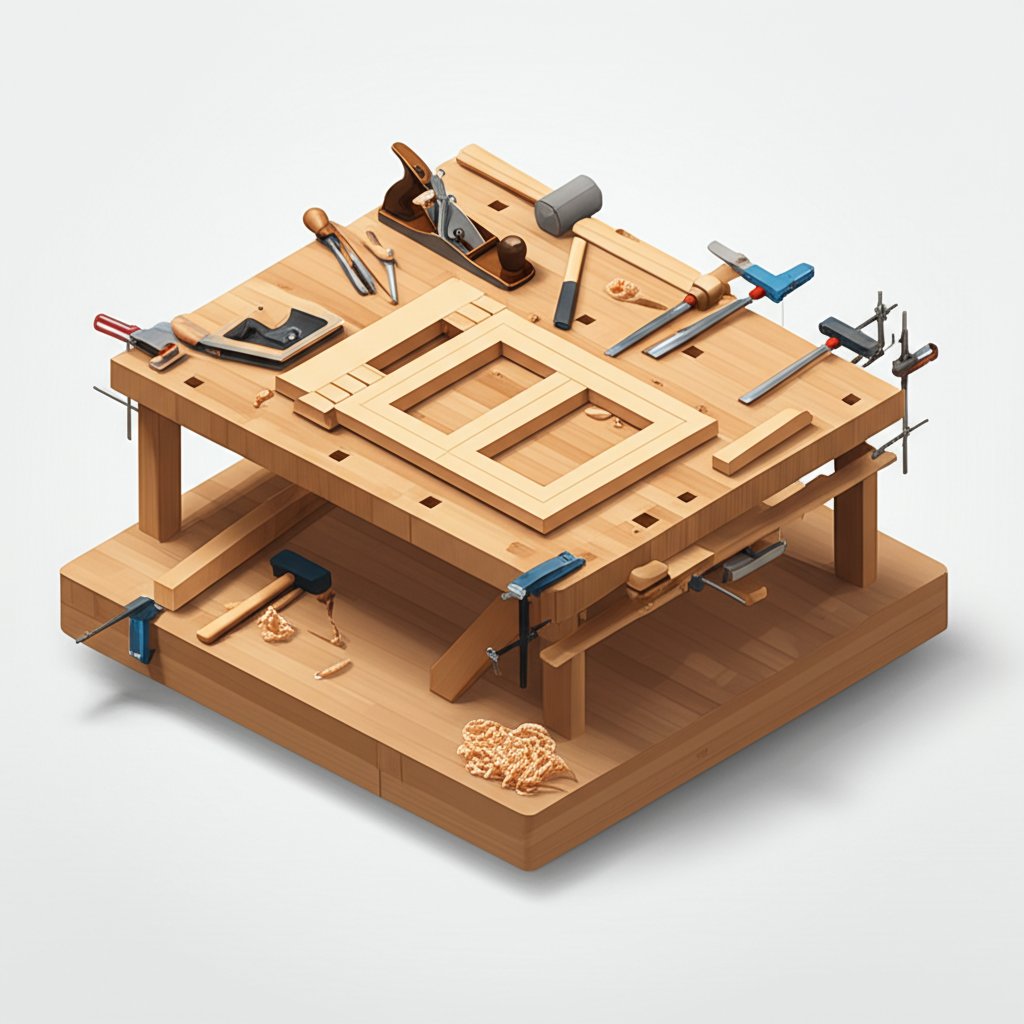
Step into a world where utility meets artistry, where raw materials transform into enduring treasures that shape our living spaces. This is the captivating evolution of cabinet making, a journey spanning millennia that reveals humanity’s constant quest for functional beauty and organized living. From rudimentary storage solutions to today’s bespoke, technologically advanced creations, cabinet making has continually adapted, driven by innovation in craft, the advent of sophisticated tools, and an unwavering pursuit of aesthetic perfection. Join us as we explore how this cherished skill has shaped homes, livelihoods, and artistic expression, culminating in the creation of timeless cabinet making masterpieces.
The Ancient Roots and Formative Eras of Cabinetry
The origins of cabinet making are deeply intertwined with the human need for storage and organization. Long before the term “cabinet” existed, ancient civilizations devised clever ways to protect and display their belongings.
From ancient Egyptian sarcophagi to modern marvels, understanding the broader history of furniture making provides invaluable context to the evolution of cabinet creation and design.
Early Craftsmanship and Artisan Skills
The earliest forms of “cabinets” can be traced back to ancient Egypt, where ornate chests and sarcophagi served as precursors. These were not just storage but symbols of status, meticulously crafted from precious woods like cedar and ebony, adorned with intricate inlays of ivory, gold, and semi-precious stones. Artisans of this era used primitive hand tools – chisels, saws, and adzes – demonstrating a remarkable degree of skill and patience.
As societies evolved, so did the complexity of storage furniture. In ancient Rome and Greece, functional yet often decorative chests and armoires became common, reflecting a growing appreciation for organized living. The craft was passed down through apprenticeships, a tradition that would endure for centuries, forming the bedrock of cabinet making training.
Renaissance and Baroque Flourishing: The Golden Age of Handcraft
The Renaissance period (14th-17th centuries) marked a spectacular flourishing of cabinet making in Europe. Wealthy patrons commissioned elaborate pieces, turning furniture into grand statements of wealth and power. Italian artisans led the way, producing breathtaking credenzas, cassones, and studioli with intricate carvings, marquetry, and Boulle work – a technique involving metal and tortoiseshell inlay.
This artistry reached its zenith during the Baroque and Rococo periods (17th-18th centuries). French, English, and German cabinetmakers like André-Charles Boulle, Thomas Chippendale, and the Adam brothers created some of the most iconic cabinet making masterpieces. These pieces were characterized by their ornate detailing, curvilinear forms, gilded accents, and exotic wood veneers. Every curve, every inlay, was painstakingly executed by hand, demanding unparalleled skill, precision, and years of dedicated apprenticeship. This era firmly established cabinet making as a highly respected art form, a blend of engineering and sculpture.
The Industrial Revolution’s Profound Impact on Cabinet Making
The 18th and 19th centuries ushered in a monumental shift that fundamentally reshaped societies, economies, and industries: the Industrial Revolution. This period brought about radical changes in production methods, materials, and accessibility, profoundly altering the trajectory of cabinet making.
From Artisan’s Bench to Factory Floor
Prior to the Industrial Revolution, cabinet making was almost exclusively a handicraft. Skilled artisans, often working alone or with a few apprentices, would meticulously craft each piece from start to finish. This process was time-consuming, labor-intensive, and resulted in high-cost, bespoke furniture accessible only to the wealthy elite. Every joint was cut by hand, every surface planed, every decoration carved.
The advent of steam power and new machinery began to dismantle this traditional model. Sawmills became mechanized, no longer relying on human or animal power. Innovations like the circular saw and veneer-cutting machines radically sped up the initial processing of wood, making raw materials more readily available and less expensive. This was the nascent stage of the transition from individual craft to industrialized production.
Rise of Mass Production and Standardized Designs
The true turning point came with the development of specialized machines for joinery, sanding, and finishing. These machines, often powered by belt drives from a central steam engine, allowed for repetitive, precise tasks to be performed at an unprecedented scale and speed. This capability laid the groundwork for mass production.
- Standardization: Factories began producing standardized components and modular units. This meant that instead of crafting a unique piece, cabinetmakers could assemble pre-fabricated parts, significantly reducing production time and costs.
- Accessibility: With reduced costs and faster production, cabinets became affordable for a much broader segment of the population. The middle class, which was expanding rapidly during the Industrial Revolution, could now furnish their homes with factory-made cabinetry, leading to a boom in demand.
- Design Shift: While some argued it led to a decline in artistic individuality, it also fostered new design philosophies favoring functionality and simpler forms, which were easier to mass-produce. This wasn’t necessarily a loss of quality but a change in the definition of “quality” – from bespoke artistry to consistent, durable, and affordable utility. The craft became more about efficient engineering and less about individual artistic flair, though bespoke work continued for those who could afford it.
This era marked the beginning of a dual path for cabinet making: one embracing industrial efficiency for the masses, and the other preserving the intricate, handcrafted tradition for high-end clientele.
The Dawn of Power Tools in Cabinet Making
While machinery of the Industrial Revolution mechanized production, the true democratization of efficiency for individual workshops and smaller manufacturers came with the widespread adoption of power tools cabinet making. These innovations dramatically increased a craftsman’s output, precision, and capabilities, redefining what was possible in the workshop.
Early Electric Tools and Their Advantages
The early 20th century saw the introduction of electric motors into handheld and stationary tools. This was a game-changer. No longer constrained by steam engines or hand power, individual workshops could afford and operate their own machines, bringing industrial efficiency down to a more manageable scale.
- Electric Saws (Table Saws, Bandsaws): These replaced manual rip and crosscut saws, allowing for faster, straighter, and more consistent cuts. A table saw, particularly, became the centerpiece of almost every cabinet shop, capable of highly accurate sheet goods processing.
- Electric Planers and Jointers: These tools ensured perfectly flat and square stock, crucial for strong, gap-free joinery, a task that previously required immense skill and time with hand planes.
- Routers: Perhaps one of the most versatile power tools, the router revolutionized joinery, edge profiling, and decorative work. It allowed for precise dadoes, rabbets, mortises, and tenons, as well as an endless array of decorative edges and carving effects that would have been incredibly labor-intensive by hand.
- Drills: Electric drills replaced brace and bit, making boring holes for fasteners and dowels quick and efficient.
These early power tools not only made cabinet making faster but also more precise, enabling a single craftsman to achieve results that previously required multiple skilled hands.
Precision and Efficiency with Modern Power Tools
The evolution of power tools continued rapidly throughout the 20th and 21st centuries. Cordless technology, improved motor designs, and enhanced safety features have made today’s power tools cabinet making even more indispensable.
- Compound Miter Saws: Offer highly accurate angle cuts for frame and trim work.
- Orbital Sanders: Provide superior finishes with less effort than hand sanding.
- Pocket Hole Jigs: Simplify strong, hidden joints.
- Plate Joiners (Biscuit Joiners) and Domino Joiners: Create fast, accurate, and strong joints for panels and frames.
- Nail Guns and Staplers: Accelerate assembly time dramatically.
These tools allow modern cabinetmakers to achieve remarkable levels of precision, enabling tight tolerances and superior craftsmanship, even on a production scale.
The Digital Age: CAD/CAM and CNC in Cabinetry
The most significant leap in recent decades is the integration of computer technology.
- CAD (Computer-Aided Design): Software allows cabinetmakers to design complex layouts, visualize projects in 3D, and generate cut lists with extreme accuracy, minimizing material waste and errors.
- CAM (Computer-Aided Manufacturing): This software translates CAD designs into instructions for machines.
- CNC (Computer Numerical Control) Machines: These automated routers and panel saws can precisely cut, drill, and shape components directly from digital designs. A CNC machine can produce multiple identical parts with unparalleled accuracy and speed, vastly increasing a shop’s capacity and consistency. This technology has brought industrial-level precision and efficiency to even small custom shops, allowing for highly complex and unique designs to be executed flawlessly.
The synergy of CAD/CAM and CNC has not replaced the need for skilled cabinetmakers, but rather augmented their capabilities, allowing them to create intricate designs and cabinet making masterpieces with digital precision and efficiency previously unimaginable.
Mastering the Craft: Cabinet Making Training and Education
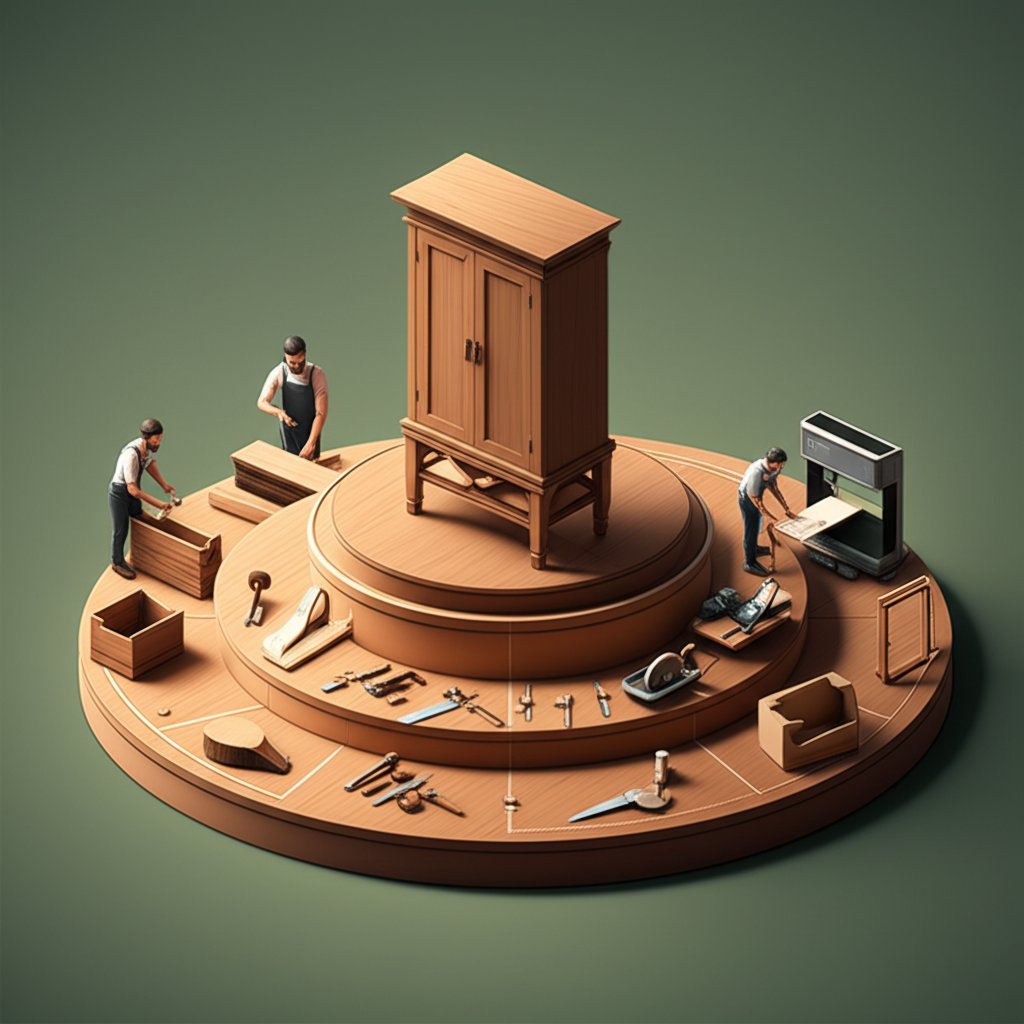
The journey from novice to master cabinetmaker has always required dedication, skill, and continuous learning. Over centuries, the methods and availability of cabinet making training have evolved dramatically, reflecting changes in technology, industry demands, and educational approaches.
Traditional Apprenticeships to Formal Education
Historically, cabinet making skills were exclusively passed down through rigorous apprenticeships. Young individuals would spend years (often 7 or more) living and working with a master craftsman, learning every facet of the trade through observation, repetition, and direct instruction. This “learn-by-doing” model instilled deep practical knowledge, traditional joinery techniques, and an understanding of timber characteristics. These apprenticeships were the sole pathway to becoming a skilled artisan and producing cabinet making masterpieces.
The Industrial Revolution, while initially disrupting this system, eventually led to the necessity for formal vocational training. As factories emerged, there was a demand for workers skilled in operating new machinery, understanding standardized processes, and interpreting technical drawings. This gave rise to technical schools and vocational programs that taught mechanical skills alongside traditional woodworking.
Essential Skills and Modern Curricula
Today, contemporary cabinet making training encompasses a broad range of knowledge and practical skills, preparing individuals for diverse roles in both custom and production environments. Essential skills include:
- Wood Science: Understanding different wood species, their properties, and how they behave.
- Design Principles: Knowledge of aesthetics, proportion, balance, and various furniture styles.
- Technical Drawing and Blueprint Reading: Essential for interpreting designs and creating detailed plans, increasingly done with CAD software.
- Hand Tool Proficiency: Despite the rise of power tools, fundamental hand skills (chiseling, hand planing, accurate measuring, marking) remain crucial for detailed work, repairs, and understanding the material.
- Power Tool Operation: Safe and efficient use of a wide array of stationary and handheld power tools, from table saws and routers to jointers and sanders.
- Joinery Techniques: Mastery of various joints (dovetails, mortise and tenon, dadoes, rabbets, biscuit, pocket hole, domino) and knowing when to apply each.
- Material Science: Working with modern materials like plywood, MDF, laminates, and composite panels.
- Finishing Techniques: Staining, painting, varnishing, and applying various protective and decorative finishes.
- Installation: Practical skills in fitting and installing cabinets in real-world settings.
- Problem-Solving: The ability to troubleshoot issues, adapt designs, and overcome challenges unique to each project.
Modern training programs are often offered through vocational schools, community colleges, or specialized woodworking academies. Many combine classroom theory with extensive hands-on workshop experience, sometimes including internships for real-world exposure.
Certifications, Online Learning, and Continuous Development
While not always mandatory, certifications from organizations like the Architectural Woodwork Institute (AWI) or the Woodwork Career Alliance of North America (WCA) can enhance a cabinetmaker’s credibility and career prospects. These certifications often validate a high level of skill and adherence to industry standards.
The digital age has also expanded access to cabinet making training through online courses, video tutorials, and virtual workshops. These resources allow aspiring and experienced cabinetmakers to learn new techniques, explore advanced topics (like CNC programming), and refine their craft from anywhere in the world.
Continuous professional development is vital in cabinet making. New materials, tools, and design trends emerge regularly, requiring craftsmen to stay updated to remain competitive and continue producing high-quality work, and indeed, future cabinet making masterpieces.
Sculpting Dreams: Cabinet Making Masterpieces Through History
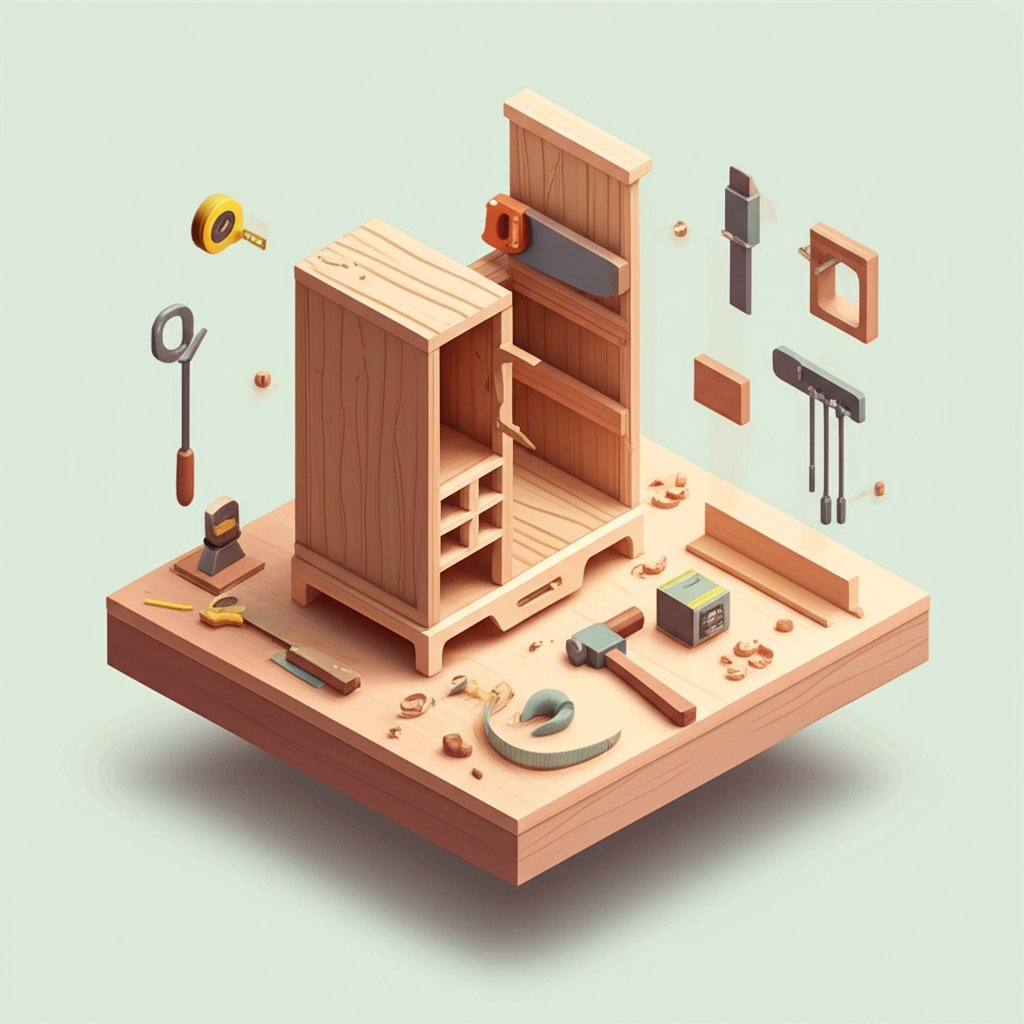
From the opulent furniture of royalty to the understated elegance of modern design, cabinet making masterpieces are not just functional objects but powerful expressions of culture, artistry, and engineering prowess. These iconic pieces showcase the pinnacle of human skill and creativity with wood.
Iconic Styles and Legendary Artisans
Throughout history, distinct styles have defined eras of cabinet making, often linked to influential designers or design movements:
- Chippendale (18th Century, England): Thomas Chippendale’s designs were a fusion of Rococo, Gothic, and Chinese influences. His “Director” pattern books allowed his intricate, highly carved pieces (often featuring cabriole legs, ball-and-claw feet, and elaborate fretwork) to be replicated across Europe and America, making him a household name synonymous with exquisite cabinetry and seating.
- Sheraton (Late 18th Century, England): Thomas Sheraton offered a more refined, neoclassical style. His pieces were characterized by clean lines, delicate proportions, inlaid decoration, and straight, tapered legs, reflecting the elegance of the Georgian era.
- Art Nouveau (Late 19th – Early 20th Century): Emphasizing organic forms, flowing lines, and natural motifs, Art Nouveau cabinet makers created furniture that mimicked plants, flowers, and insects, blurring the lines between art and craft. Think of designers like Emile Gallé or Louis Majorelle, whose work is highly collectible.
- Art Deco (1920s-1930s): A stark contrast to Art Nouveau, Art Deco embraced geometric patterns, sleek lines, luxurious materials (exotic veneers, chrome, ivory), and a sense of glamorous sophistication, reflecting the machine age and modernism. Jacques-Émile Ruhlmann is a prime example of an Art Deco master.
- Mid-Century Modern (1940s-1970s): Post-World War II, designers like Charles and Ray Eames, George Nelson, and Hans Wegner championed functionality, simplicity, natural materials (especially plywood), and clean, often sculptural forms. Their work prioritized comfort and practicality without sacrificing aesthetic appeal, creating timeless pieces that remain highly sought after today.
These periods produced cabinet making masterpieces that were not only functional but also works of art, often becoming central to the identity of homes and institutions.
Modern Masterpieces and Custom Creations
Today, the concept of a “masterpiece” in cabinet making has broadened. While historical revival styles remain popular, modern masterpieces often embody:
- Innovative Use of Materials: Blending traditional hardwoods with glass, metal, concrete, or sustainable composites.
- Technological Integration: Cabinets that seamlessly incorporate smart home technology, hidden charging stations, or integrated lighting.
- Ergonomic and Highly Functional Design: Custom solutions that perfectly fit a client’s specific needs, lifestyle, and space, maximizing utility and flow.
- Sustainable Practices: Masterpieces crafted with responsibly sourced timber, low-VOC finishes, and designs built for longevity.
- Unique Artistic Expression: One-of-a-kind pieces that push the boundaries of form, texture, and joinery, often leveraging power tools cabinet making like CNC machines to achieve complex geometries.
Contemporary cabinetmakers, often with extensive cabinet making training, are creating personalized cabinet making masterpieces for discerning clients, blending centuries of tradition with cutting-edge techniques and materials. These pieces are not just furniture; they are bespoke architectural elements that define a space.
The Enduring Value of Artistry and Innovation
The enduring appeal of cabinet making masterpieces, whether ancient or modern, lies in their ability to combine form and function with exceptional craftsmanship. They tell stories of cultural aspirations, technological advancements, and the timeless human desire for beauty and order. From the intricate inlays of the Renaissance to the precise cuts of a modern CNC machine, each masterpiece is a testament to the continuous evolution of cabinet making — a craft that respects its past while boldly embracing its future.
Contemporary Cabinet Making: Trends and Future Outlook
The field of cabinet making continues to rapidly evolve, driven by a confluence of technological advancement, shifting consumer preferences, and a renewed focus on sustainability and personalized design.
Current Trends Shaping the Industry
- Personalization and Customization: The demand for bespoke cabinetry remains strong, allowing homeowners to tailor every aspect of their storage solutions to their specific needs, style, and space. This is facilitated by advanced design software and flexible manufacturing.
- Smart Home Integration: Cabinets are increasingly designed to integrate seamlessly with smart home technology, featuring hidden charging stations, automated lighting, and touch-to-open mechanisms.
- Sustainable and Eco-Friendly Materials: A growing emphasis on environmental responsibility means more cabinetmakers are using reclaimed wood, sustainably harvested timber, bamboo, and recycled composite materials. Low-VOC (Volatile Organic Compound) finishes are also gaining popularity.
- Minimalist Design: Clean lines, handle-less doors, and uncluttered aesthetics continue to dominate, particularly in kitchen and bathroom cabinetry, reflecting a desire for simplicity and spaciousness.
- Mixed Materials: Combining wood with metal, glass, stone, or innovative synthetics creates unique visual textures and modern appeals.
- Functional Hardware: Soft-close hinges, pull-out shelves, integrated waste bins, and clever pantry systems maximize utility and user experience.
The Future of the Craft
The future of cabinet making will likely see an even greater integration of technology, but not at the expense of human skill.
- Advanced Automation and Robotics: While CNC machines are common, future factories might incorporate more robotics for assembly and finishing tasks, further increasing efficiency and consistency.
- Augmented Reality (AR) and Virtual Reality (VR): These technologies could revolutionize the design process, allowing clients to “walk through” their custom cabinet designs in a virtual space before construction begins, ensuring perfect alignment with their vision.
- New Materials: Research into bio-based composites, advanced plastics, and other innovative materials will offer new possibilities for strength, durability, and aesthetic expression.
- Resurgence of Traditional Craft: Paradoxically, as technology advances, there’s also a growing appreciation for purely handcrafted, artisanal pieces. This creates a niche for highly skilled cabinetmakers who focus on traditional joinery and bespoke artistry, perpetuating the legacy of cabinet making masterpieces.
Ultimately, the evolution of cabinet making will continue to be a fascinating interplay between preserving timeless craft, embracing cutting-edge tools, and adapting to the ever-changing demands of human living and aesthetic preferences.
Conclusion
The journey through the evolution of cabinet making reveals a craft deeply embedded in human history, continuously adapting from its rudimentary beginnings to its sophisticated modern manifestations. We’ve traced the transformation from ancient artisan guilds to the dramatic impact of the Industrial Revolution cabinet making, which democratized access to furniture while fostering new design paradigms. The subsequent advent of power tools cabinet making brought unprecedented precision and efficiency, fundamentally reshaping the workshop.
Crucially, the heart of this craft – the skill and knowledge – has always been maintained through dedicated cabinet making training, evolving from traditional apprenticeships to comprehensive modern education. This continuous learning enables the creation of breathtaking cabinet making masterpieces, from the ornate baroque wonders to the sleek, functional designs of today.
Cabinet making stands as a testament to human ingenuity – a blend of art and engineering, tradition and innovation. Whether you’re an aspiring craftsman, a homeowner seeking custom solutions, or simply an admirer of fine woodworking, understanding this rich history deepens our appreciation for the enduring beauty and utility that cabinets bring to our lives. Consider exploring this timeless craft further, perhaps by delving into a local workshop, admiring historical pieces, or even embarking on a cabinet making training journey yourself. The legacy of craftsmanship continues, ready for new hands to shape its future.
FAQ
Q1: What is the most significant event in the evolution of cabinet making?
A1: The Industrial Revolution cabinet making stands as the most transformative event. It shifted production from individual artisans to mass production, introduced machinery, standardized designs, dramatically reduced costs, and made cabinetry accessible to a wider population.
Q2: How did power tools change cabinet making?
A2: Power tools cabinet making, starting with early electric saws and routers, significantly increased production speed, precision, and efficiency for individual craftsmen and factories. Modern advancements like CNC machines and CAD/CAM software have further revolutionized the industry, allowing for complex designs and unparalleled accuracy.
Q3: What kind of training is required to become a cabinet maker today?
A3: Modern cabinet making training typically involves vocational school programs, community college courses, or specialized woodworking academies. These programs cover essential skills like wood science, design principles, hand and power tool operation, joinery techniques, finishing, and often include hands-on practical experience.
Q4: Can you provide examples of historical cabinet making masterpieces?
A4: Historically, cabinet making masterpieces include intricate pieces by Thomas Chippendale and Thomas Sheraton from the 18th century, ornate Art Nouveau creations by Emile Gallé, opulent Art Deco furniture by Jacques-Émile Ruhlmann, and iconic Mid-Century Modern designs by the Eameses or Hans Wegner. Such pieces demonstrate exceptional artistry and craftsmanship.
Q5: What is the role of technology like CAD/CAM in modern cabinet making?
A5: CAD (Computer-Aided Design) allows cabinetmakers to create precise 3D models and generate detailed plans, while CAM (Computer-Aided Manufacturing) translates these designs into instructions for machines. CNC (Computer Numerical Control) machines then execute these instructions, performing complex cuts and shaping with extreme accuracy and efficiency, revolutionizing modern custom and production cabinetry.
Q6: How has the demand for cabinetry changed over time?
A6: Initially, cabinets were bespoke items for the wealthy. The Industrial Revolution cabinet making made them accessible to the middle class through mass production. Today, demand spans from affordable, standardized units to highly customized, technologically integrated pieces, reflecting a diverse range of budgets and aesthetic preferences.
Q7: Are traditional hand skills still important for cabinet makers?
A7: Absolutely. While power tools cabinet making enhance efficiency, traditional hand skills (e.g., chiseling, hand planing, accurate marking, fine joinery) remain crucial for detailed work, repairs, restoration, creating unique artistic elements, and developing a deep understanding of wood. Many advanced cabinet making training programs still emphasize hand tool proficiency.










