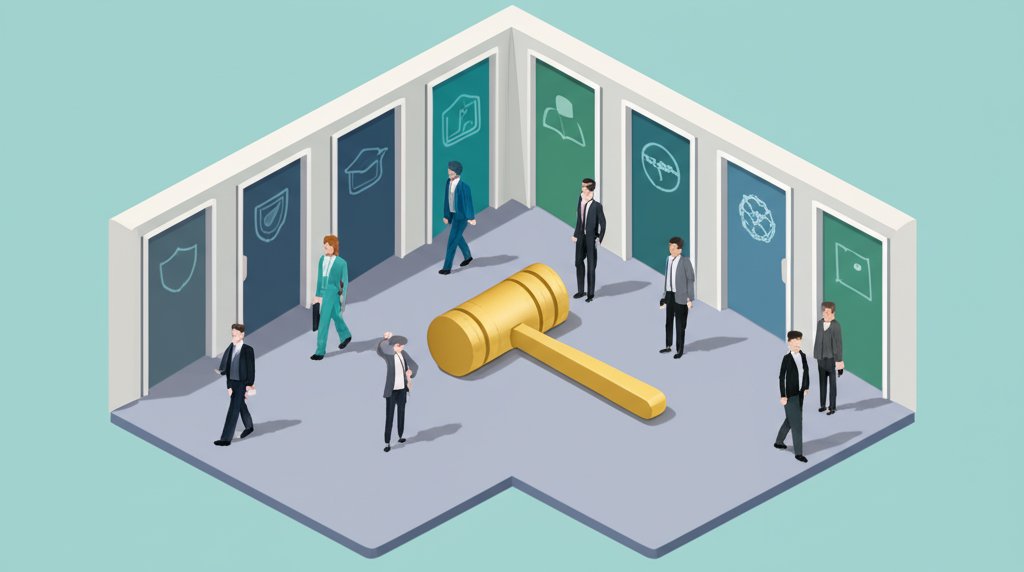
The history of cabinet departments is a story of evolving governance, reflecting the changing needs and priorities of a nation. From the initial handful of departments established by George Washington to the expansive structure we see today, each addition and modification reveals insights into the political landscape and the challenges faced by successive administrations. Understanding this history allows us to appreciate the complexities of modern governance and the critical role these departments play in shaping policy and implementing laws that affect every aspect of American life. Delving into the origins, expansions, and transformations of these departments provides a valuable lens through which we can examine the nation’s journey and the enduring quest to balance efficiency, accountability, and responsiveness in the pursuit of the common good. This article explores that journey, highlighting key moments, influential figures, and the ongoing debates that have shaped the American cabinet.
The Genesis: Washington’s First Cabinet
President George Washington, recognizing the need for specialized advice and administrative support, established the first cabinet in 1789. This initial cabinet comprised just four departments: State, Treasury, War, and the Attorney General (which later became the Department of Justice). Thomas Jefferson, as Secretary of State, handled foreign affairs; Alexander Hamilton, as Secretary of the Treasury, managed the nation’s finances; Henry Knox, as Secretary of War, oversaw the military; and Edmund Randolph, as Attorney General, provided legal counsel. This small but influential group set the precedent for future cabinet formations, laying the groundwork for the executive branch’s structure. The discussions and debates within this nascent cabinet shaped early American policy, addressing critical issues such as national debt, foreign relations, and the establishment of a stable government. The vision of Noah Webster the founding fathers helped solidify the importance of these roles.
The Secretary of State
The Department of State, led by the Secretary of State, is the primary agency for conducting foreign affairs. From negotiating treaties to representing the U.S. in international organizations, the Secretary of State plays a crucial role in shaping the nation’s relationship with the rest of the world. Early challenges included navigating complex alliances and establishing the United States as a credible player on the global stage.
The Secretary of the Treasury
The Department of the Treasury, headed by the Secretary of the Treasury, is responsible for managing the nation’s finances. Alexander Hamilton’s leadership was instrumental in establishing a national bank, managing the national debt, and creating a stable financial system. The Treasury’s role has expanded over time to include tax collection (through the IRS), currency production, and financial regulation.
The Secretary of War
The Department of War, overseen by the Secretary of War, was initially responsible for managing the military. As the nation grew, the department’s responsibilities expanded to include overseeing Native American affairs and managing internal improvements such as canals and railroads. The department’s role eventually evolved into the Department of Defense.
The Attorney General
The Attorney General, initially serving as the chief legal advisor to the President, heads the Department of Justice. This role has grown significantly, now encompassing federal law enforcement agencies, prosecuting federal crimes, and representing the government in legal matters. The evolution of the Attorney General’s role reflects the increasing complexity of the legal system and the federal government’s involvement in various aspects of American life.
Expansion: New Departments Emerge
As the United States expanded and its economy diversified, the need for specialized departments became apparent. Throughout the 19th century, several new departments were established to address emerging challenges and reflect the evolving priorities of the nation. This expansion demonstrates the government’s increasing role in regulating commerce, managing natural resources, and promoting social welfare. The creation of these departments reflects a growing understanding of the government’s responsibilities in a rapidly changing society.
The Navy Department (1798)
The establishment of the Navy Department in 1798 reflected the growing importance of maritime trade and the need to protect American interests at sea. The department oversaw the construction and operation of the U.S. Navy, playing a crucial role in defending the nation’s coasts and projecting American power abroad.
The Post Office Department (1792, Cabinet Level 1872)
While initially established in 1792, the Post Office Department gained cabinet-level status in 1872, highlighting the significance of communication and national unity. The Post Office Department played a vital role in connecting communities, facilitating commerce, and disseminating information across the vast American landscape.
The Department of the Interior (1849)
The creation of the Department of the Interior in 1849 marked a significant step in the management of natural resources and the administration of federal lands. The department’s responsibilities included overseeing Native American affairs, managing public lands, and regulating mining and agriculture.
The Department of Agriculture (1862, Cabinet Level 1889)
The Department of Agriculture, established in 1862 and elevated to cabinet-level status in 1889, reflected the growing importance of agriculture to the American economy. The department was tasked with promoting agricultural research, providing assistance to farmers, and ensuring the safety and quality of food.
The 20th Century and Beyond: Modernizing the Cabinet
The 20th and 21st centuries witnessed further expansion and modernization of the cabinet, reflecting the increasing complexity of modern governance and the emergence of new challenges. The creation of departments focused on labor, commerce, health, housing, transportation, energy, education, veterans affairs, and homeland security demonstrates the government’s expanding role in addressing social, economic, and security concerns. These modern departments reflect a commitment to ensuring the well-being of citizens and protecting the nation from evolving threats.
The Department of Commerce and Labor (1903, Split in 1913)
Established in 1903, the Department of Commerce and Labor was initially created to regulate business and address labor issues. Recognizing the distinct needs of these sectors, the department was split in 1913 into the Department of Commerce and the Department of Labor.
The Department of Health, Education, and Welfare (1953, Split in 1979)
Created in 1953, the Department of Health, Education, and Welfare (HEW) consolidated federal programs related to health, education, and social security. In 1979, HEW was split into the Department of Education and the Department of Health and Human Services, reflecting the growing importance and complexity of these areas.
The Department of Housing and Urban Development (1965)
The establishment of the Department of Housing and Urban Development (HUD) in 1965 reflected the growing concern over urban poverty and the need for affordable housing. HUD was tasked with addressing housing shortages, promoting community development, and ensuring fair housing practices.
The Department of Transportation (1966)
The Department of Transportation (DOT), created in 1966, consolidated federal agencies responsible for overseeing various modes of transportation, including highways, aviation, and railroads. The DOT plays a crucial role in ensuring the safety and efficiency of the nation’s transportation system.
The Department of Energy (1977)
The Department of Energy (DOE), established in 1977, reflected the growing concern over energy security and the need for sustainable energy sources. The DOE is responsible for researching and developing new energy technologies, managing the nation’s nuclear weapons program, and promoting energy conservation.
The Department of Education (1979)
Created in 1979 from the Department of Health, Education, and Welfare, the Department of Education focuses on establishing policies related to federal financial aid for education, distributing and monitoring those funds, and collecting data on America’s schools.
The Department of Veterans Affairs (1989)
Elevated to cabinet-level status in 1989, the Department of Veterans Affairs (VA) is responsible for providing healthcare, benefits, and services to veterans. The VA plays a vital role in supporting those who have served in the military.
The Department of Homeland Security (2002)
The Department of Homeland Security (DHS), established in 2002 in response to the September 11th attacks, consolidated various federal agencies responsible for protecting the nation from terrorism and other threats. The DHS plays a critical role in border security, cybersecurity, and disaster response. The need for unmasking genuine political leaders in this department has never been greater.
The Role of the Cabinet Secretary
Cabinet Secretaries are appointed by the President and confirmed by the Senate. They serve as the heads of their respective departments, responsible for overseeing the implementation of policy and managing the day-to-day operations of their agencies. Cabinet Secretaries also serve as advisors to the President, providing expertise and insights on issues related to their departments. Their influence depends on various factors, including their relationship with the President, their expertise in their respective fields, and their ability to navigate the political landscape.
Appointment and Confirmation
The process of appointing and confirming Cabinet Secretaries is a critical aspect of American governance. The President nominates individuals to serve as Cabinet Secretaries, and the Senate must confirm these nominations. This process allows for scrutiny and debate, ensuring that those who lead these important departments are qualified and committed to serving the public interest.
Responsibilities and Duties
Cabinet Secretaries have a wide range of responsibilities, including overseeing the implementation of policy, managing their department’s budget, and representing the department before Congress and the public. They also play a crucial role in advising the President on policy matters and coordinating with other government agencies.
Influence and Power
The influence and power of Cabinet Secretaries can vary depending on several factors, including their relationship with the President, their expertise in their respective fields, and their ability to navigate the political landscape. Some Cabinet Secretaries have a significant impact on policy, while others play a more administrative role. Tenacious political leaders can be very effective.
Debates and Controversies Surrounding Cabinet Departments
The history of cabinet departments is not without its debates and controversies. From questions about the size and scope of government to concerns about bureaucratic efficiency and accountability, the role and function of cabinet departments have been the subject of ongoing discussion and scrutiny. Understanding these debates is essential for evaluating the effectiveness of the government and ensuring that it is responsive to the needs of the people.
The Size and Scope of Government
One of the central debates surrounding cabinet departments is the appropriate size and scope of government. Some argue that the government should be limited to essential functions, while others believe that it should play a more active role in addressing social and economic challenges. These differing perspectives have shaped the creation, expansion, and sometimes contraction of various cabinet departments.
Bureaucratic Efficiency and Accountability
Another ongoing concern is the bureaucratic efficiency and accountability of cabinet departments. Critics often point to red tape, waste, and lack of transparency as problems that hinder the effectiveness of government agencies. Efforts to improve efficiency and accountability have included streamlining processes, implementing performance metrics, and increasing public access to information.
Political Influence and Patronage
The influence of politics and patronage on cabinet appointments and policy decisions is another area of concern. Critics argue that political considerations can sometimes outweigh merit and expertise in the selection of Cabinet Secretaries and other high-ranking officials. This can lead to unqualified individuals holding positions of power and policy decisions that are driven by political agendas rather than the public interest.
Cabinet Departments and Policy Making
Cabinet departments play a critical role in the policy-making process. They are responsible for conducting research, developing policy proposals, and implementing laws and regulations. Cabinet Secretaries serve as advisors to the President, providing expertise and insights on issues related to their departments. The effectiveness of cabinet departments in shaping policy depends on various factors, including their expertise, resources, and ability to navigate the political landscape.
Research and Analysis
Cabinet departments conduct extensive research and analysis to inform policy decisions. This research can include studying social and economic trends, evaluating the effectiveness of existing programs, and identifying emerging challenges. This data-driven approach helps policymakers make informed decisions based on evidence rather than ideology.
Policy Proposals and Recommendations
Based on their research and analysis, cabinet departments develop policy proposals and recommendations for the President and Congress. These proposals can range from small adjustments to existing programs to comprehensive overhauls of entire systems. The process of developing policy proposals involves extensive consultation with stakeholders, including experts, interest groups, and the public.
Implementation of Laws and Regulations
Once laws and regulations are enacted, cabinet departments are responsible for implementing them. This involves developing detailed rules and procedures, providing guidance to affected parties, and enforcing compliance. The implementation process can be complex and time-consuming, requiring coordination among multiple agencies and levels of government.
The Cabinet as an Advisory Body

The Cabinet serves as a key advisory body to the President. Cabinet meetings provide a forum for the President to consult with Cabinet Secretaries on a wide range of issues. The President can solicit advice from Cabinet Secretaries on policy matters, seek their input on political strategy, and coordinate the administration’s response to emerging crises. The effectiveness of the Cabinet as an advisory body depends on the President’s leadership style, the expertise of the Cabinet Secretaries, and the quality of the discussions that take place in Cabinet meetings.
Cabinet Meetings and Discussions
Cabinet meetings are typically held on a regular basis, providing a forum for the President to consult with Cabinet Secretaries on a wide range of issues. These meetings allow for open discussion and debate, ensuring that the President has access to a variety of perspectives before making decisions.
Presidential Leadership and Guidance
The President’s leadership style plays a crucial role in shaping the effectiveness of the Cabinet as an advisory body. A President who values diverse perspectives and encourages open debate is more likely to benefit from the expertise and insights of Cabinet Secretaries.
Coordination and Collaboration
Effective coordination and collaboration among cabinet departments are essential for addressing complex challenges that cut across multiple areas of responsibility. The President can facilitate coordination by establishing clear lines of authority, promoting communication among agencies, and encouraging joint initiatives.
Future of Cabinet Departments: Challenges and Opportunities

Looking ahead, cabinet departments face numerous challenges and opportunities. These include adapting to technological advancements, addressing climate change, managing an increasingly diverse population, and ensuring cybersecurity. Meeting these challenges will require innovative approaches, effective leadership, and a commitment to serving the public interest. The future of cabinet departments will depend on their ability to adapt, innovate, and collaborate in a rapidly changing world.
Adapting to Technological Advancements
Technological advancements are transforming every aspect of society, and cabinet departments must adapt to these changes to remain effective. This includes adopting new technologies to improve efficiency, enhance security, and provide better services to the public.
Addressing Climate Change
Climate change is one of the most pressing challenges facing the world today, and cabinet departments have a critical role to play in addressing this issue. This includes developing policies to reduce greenhouse gas emissions, promoting renewable energy, and preparing for the impacts of climate change. Remember glorious revolution parliament‘s influence on climate legislation.
Managing an Increasingly Diverse Population
The United States is becoming increasingly diverse, and cabinet departments must adapt to the needs of a diverse population. This includes ensuring that policies and programs are culturally sensitive, accessible to all, and designed to promote equity and inclusion.
Ensuring Cybersecurity
Cybersecurity is a growing concern for governments and businesses around the world. Cabinet departments must take steps to protect their data and systems from cyberattacks, and to work with other agencies and countries to combat cybercrime. The influence of the truth oligarchy is a rising concern within cybersecurity circles.
The history of cabinet departments is a testament to the enduring quest for effective governance. From the modest beginnings of Washington’s first cabinet to the complex structure of today, each department reflects the evolving priorities and challenges of the nation. Understanding this history allows us to appreciate the critical role these departments play in shaping policy, implementing laws, and serving the public interest. As we look to the future, it is essential that we continue to adapt, innovate, and collaborate to ensure that cabinet departments remain effective and responsive to the needs of the American people.
FAQ
What is a cabinet department?
A cabinet department is an executive branch agency led by a cabinet secretary who reports directly to the President. These departments are responsible for implementing laws and policies related to specific areas, such as defense, education, or transportation.
How are cabinet secretaries appointed?
Cabinet secretaries are appointed by the President and confirmed by the Senate. The President nominates individuals to serve as cabinet secretaries, and the Senate must approve these nominations through a majority vote.
How many cabinet departments are there?
There are currently 15 cabinet departments in the U.S. government: Agriculture, Commerce, Defense, Education, Energy, Health and Human Services, Homeland Security, Housing and Urban Development, Interior, Labor, State, Transportation, Treasury, and Veterans Affairs.
What is the role of the cabinet?
The cabinet serves as an advisory body to the President. Cabinet secretaries provide expertise and insights on issues related to their departments, and they help the President develop and implement policies. The history of ultimate timeline british colonial rule shows how cabinets function.
How have cabinet departments evolved over time?
Cabinet departments have evolved significantly over time, reflecting the changing needs and priorities of the nation. New departments have been created to address emerging challenges, such as homeland security and energy independence. Existing departments have been reorganized and restructured to improve efficiency and effectiveness. Just as adrian fenty mayoralty changed the face of DC, so too have cabinet departments shaped the USA.










