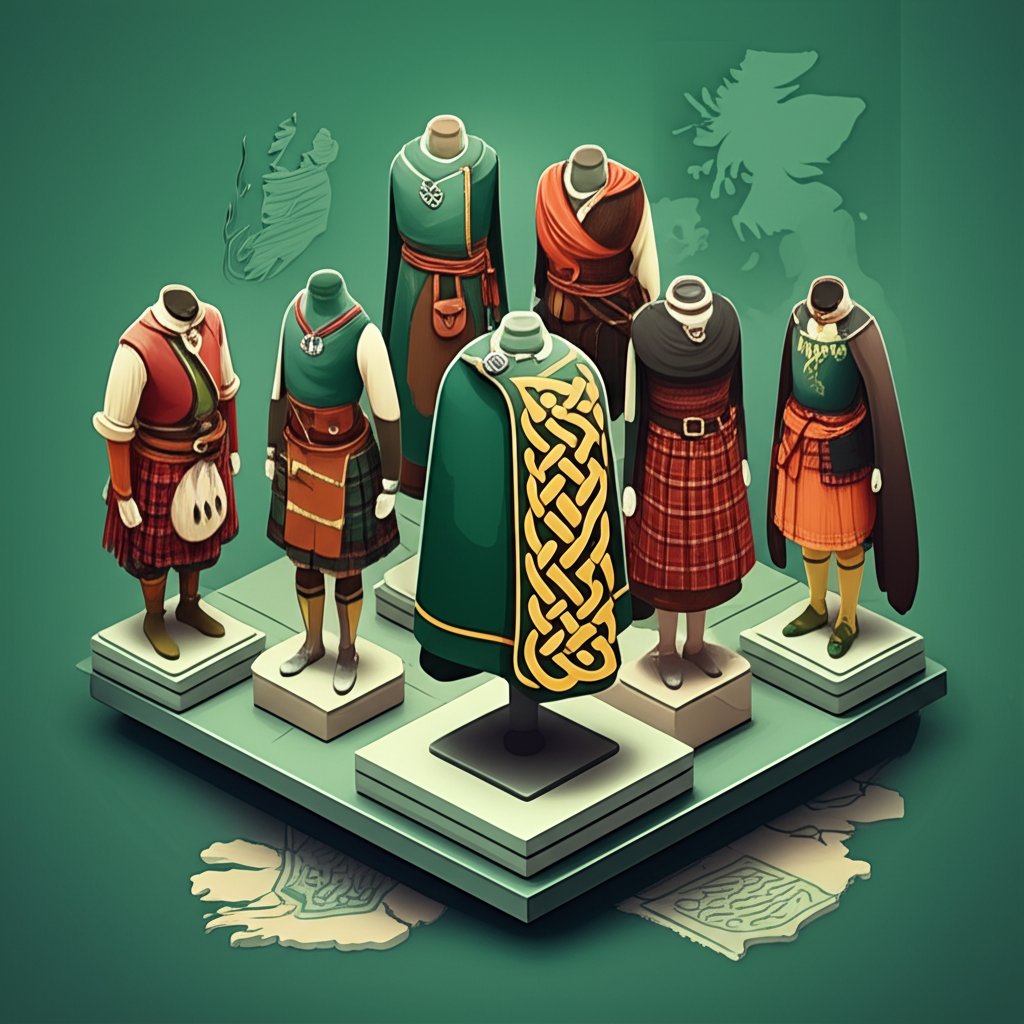
Journey through the emerald isle and discover a story woven in fabric, tradition, and enduring spirit. From the misty reaches of ancient Celtic times to the vibrant expressions of today, traditional Irish clothing history is a rich tapestry reflecting a nation’s identity, resilience, and artistic flair. This ultimate guide will delve deep into the evolution of Irish attire, uncovering the garments, influences, and cultural significance that shaped what we know as historical Irish clothing. Whether you’re curious about the everyday wear of ancient Gaels or the iconic garments that define traditional Irish clothing today, prepare to embark on a captivating exploration.
Ancient & Early Medieval Roots: The Gaelic Foundations
Long before the modern nation of Ireland emerged, its people, the Gaels, developed a distinctive style of dress perfectly suited to the island’s climate and their way of life. This early period laid the groundwork for much of what is considered historical Irish clothing.
The craftsmanship evident in garments like the leine and brat highlights the skill of early artisans, predating formalized dressmaking techniques explored further in a broader history of dressmaking.
The Leine: A Versatile Staple of Gaelic Attire
At the heart of ancient Irish dress was the leine (pronounced “leh-na”), a loose-fitting tunic or shirt crafted primarily from linen. This fundamental garment was worn by both men and women, often reaching to the knees for men and the ankles for women. The leine was practical, comfortable, and adaptable, serving as the base layer for most outfits.
Historically, leines were often dyed vibrant colors, particularly saffron yellow, which was created using natural dyes from local plants. The wealthy might have leines with more intricate pleating, longer lengths, or decorated edges, sometimes with woven patterns or embroidery, signaling their status. Its voluminous nature allowed for freedom of movement, essential for a society that was often pastoral and occasionally engaged in warfare.
The Brat: Cloak of Distinction and Protection
Over the leine, the brat (pronounced “braht”) served as a crucial outer garment. This was a rectangular or semi-circular cloak, typically made of wool, providing warmth and protection from Ireland’s often damp and cool climate. Like the leine, the brat varied in quality and ornamentation according to the wearer’s social standing.
Brat might be plain for commoners, while chieftains and nobles wore richly dyed and bordered cloaks. Some brats were fringed, and they were often secured with a brooch or pin, which could be an elaborate piece of Celtic metalwork. The way the brat was worn and draped could convey personal style and even tribal affiliation. It was a highly practical garment, easily adjusted for weather or tasks, and could even serve as a blanket while traveling.
Early Materials and Craftsmanship
Irish clothing in this era relied heavily on natural resources. Linen, cultivated from flax, was ideal for inner layers due to its breathability. Wool, plentiful from sheep, provided excellent insulation for outer garments. Weaving and dyeing were skilled crafts, with knowledge passed down through generations. Natural dyes from woad, madder, and various plants created a palette of blues, reds, greens, and the iconic saffron yellow. This self-sufficiency in materials and craftsmanship defined early traditional Irish clothing.
Medieval Transformations: Blending Cultures and Enduring Styles
The arrival of the Normans in the 12th century marked a significant turning point in Irish history, and consequently, in Irish fashion. While Norman styles introduced new elements, the core of traditional Irish clothing persevered, adapting and evolving.
Norman Influence and the Ionar
As Norman influence spread, new tailoring techniques and garment styles were introduced into Ireland. While the leine and brat remained fundamental, more fitted and structured garments began to appear, especially among the Anglo-Irish. One notable addition was the ionar (pronounced “ih-nar”), a jacket or tunic worn over the leine. Often pleated and sometimes featuring split sleeves, the ionar added a layer of sophistication and warmth.
The ionar could be made from wool or padded linen, sometimes with different colors or textures for contrast. The combination of the loose leine, fitted ionar, and enveloping brat created a distinctive look that blended traditional Gaelic comfort with a touch of continental tailoring.
The Crios: A Belt of Significance
The crios (pronounced “kriss”), a woven belt or sash, became an important accessory. Made from wool or linen, often in vibrant, multi-colored patterns, the crios served to cinch the leine and ionar at the waist, allowing for more defined silhouettes. Beyond its practical function, the crios added a decorative element and could reflect the weaver’s skill and the wearer’s personal taste. Today, the crios is still seen in traditional Irish dance costumes, highlighting its enduring legacy within traditional Irish clothing.
Status, Sumptuary Laws, and Cultural Identity
Throughout the medieval period, clothing continued to be a powerful marker of social status. The wealthy could afford finer fabrics, more elaborate dyes, and intricate embellishments. However, as English control expanded, sumptuary laws were occasionally enacted, attempting to suppress distinctively Irish dress in favor of English styles. These laws often targeted garments like the saffron leine and the long, flowing brat, aiming to diminish Irish cultural identity. Despite these pressures, historical Irish clothing styles persisted, often becoming symbols of resistance and Gaelic pride.
Colonial Influence & Suppression: The Decline of Distinctive Dress
The centuries following the medieval period saw increasing English dominance, leading to more aggressive attempts to eradicate traditional Irish clothing and culture. This era profoundly impacted how Irish people dressed, particularly in the 18th and 19th centuries.
The Act of Henry VIII and Its Legacy
In the 16th century, the English crown, under Henry VIII, passed acts explicitly forbidding Irish dress among the Anglo-Irish population, encouraging conformity to English fashion. While these laws were difficult to enforce universally, they marked the beginning of a long period where distinct Irish attire was viewed with suspicion and often associated with rebellion or backwardness.
Over time, this pressure, coupled with economic hardship, led to a gradual decline in the widespread use of the more elaborate historical Irish clothing styles. The vibrant, saffron-dyed leine became less common, replaced by simpler, more subdued garments.
The 18th and 19th Centuries: Resilience in the Face of Change
The traditional Irish clothing 1800s largely reflected a blend of lingering traditional elements and significant adaptation to English and European fashion trends, often out of necessity.
- For Women: Simpler, practical dresses and skirts made of homespun linen or wool became common. The Galway Shawl, a large, fringed shawl often black or dark blue, became an iconic garment, particularly in the west of Ireland. It was both a practical head covering and a symbol of regional identity. Aprons were also widely worn for work.
- For Men: Trousers (often called “breeches” or “trews” in earlier forms, then full trousers) replaced the truis or simple leg coverings for most. Simple shirts and waistcoats, often made of homespun tweed or flannel, became standard. The Frieze coat, a heavy, durable wool coat, was essential for protection against the elements, especially for those working outdoors.
- Materials and Colors: Economic hardship meant that clothing was often made from cheap, durable materials like coarse linen and homespun wool. Natural dyes were still used, but a more muted palette of browns, greys, and blues was common, reflecting both the availability of dyes and the somber realities of life for many. The vibrant colors of earlier eras became rarer, mostly due to economic constraints rather than direct prohibition.
During the traditional Irish clothing 1800s, the impact of the Great Famine (1845-1849) further stripped away any ornate elements from general attire. Survival meant practical, durable, and easily repairable clothes. Clothing became less about fashion and more about necessity.
Revival and Modern Icons: Resurgence of Irish Identity

The late 19th and 20th centuries witnessed a powerful resurgence of Irish cultural identity, leading to a renewed appreciation and a modern reinterpretation of traditional Irish clothing. This era saw the birth of globally recognized icons.
The Celtic Revival and the Emergence of National Dress
The Celtic Revival movement (late 19th to early 20th century) sparked an interest in reimagining and celebrating indigenous Irish culture. While an exact national costume, comparable to the Scottish kilt, never fully materialized from ancient designs, elements of historical dress were celebrated. Irish step dancing costumes, with their intricately embroidered cloaks for girls and tailored jackets for boys, drew inspiration from a romanticized vision of the past.
The Aran Sweater: A Global Symbol
Perhaps the most famous piece of modern traditional Irish clothing is the Aran sweater. Originating from the Aran Islands off Ireland’s west coast, these intricate cable-knit sweaters were traditionally made from unscoured wool, retaining its natural lanolin content, making them water-resistant and incredibly warm – essential for local fishermen.
Each stitch pattern on an Aran sweater holds symbolic meaning, often representing aspects of island life:
The Aran sweater gained international recognition in the mid-20th century, becoming a cherished symbol of Irish heritage and craftsmanship worldwide. It perfectly encapsulates what is traditional Irish clothing in its blend of practicality, artistry, and cultural storytelling.
Donegal Tweed: Fabric of the Land
Another enduring staple of traditional Irish clothing is Donegal Tweed. This distinctive hand-woven fabric, originating from County Donegal, is celebrated for its flecks of contrasting color that mimic the natural landscape of Ireland – the greens of hillsides, the blues of the sky, the purples of heather, and the browns of peat bogs.
Donegal tweed is known for its durability, warmth, and timeless style. Initially, it was homespun for local use, but it quickly became prized for its quality and unique aesthetic. Today, tweed continues to be used in jackets, suits, caps, and coats, representing a sophisticated aspect of what is traditional Irish clothing.
Understanding What Defines Traditional Irish Clothing Today
So, what is traditional Irish clothing in the contemporary context? It’s a rich blend of historical elements, iconic modern garments, and the enduring spirit of Irish craftsmanship. It encompasses not just specific items but also the values they represent: resilience, connection to the land, community, and artistic expression.
Key elements that define traditional Irish clothing today include:
- The Aran Sweater: As discussed, a global icon of knitwear.
- Donegal Tweed: High-quality, flecked wool fabric for outerwear and accessories.
- Linen Garments: While less common for everyday wear, linen shirts and dresses inspired by the leine are popular in historical reenactment and sometimes in contemporary fashion.
- Capes and Shawls: Drawing inspiration from the ancient brat and the Galway shawl, these continue to be worn, especially for formal occasions or as stylish accessories.
- Celtic Knotwork and Embroidery: Incorporated into modern designs, reflecting ancient artistry.
- Traditional Dance Costumes: These highly stylized outfits often feature elements reminiscent of
historical Irish clothingwith intricate embroidery, crisp pleats, and sometimes a crios. - Claddagh Rings and Celtic Jewelry: While not clothing, these accessories are intrinsically linked to traditional Irish attire and identity.
- Flat Caps (Newsboy Caps): A classic accessory for men, especially associated with rural Irish attire.
These items, whether worn daily or for special occasions, continue to tell the story of Ireland, connecting the wearer to a profound and vibrant cultural heritage. The essence of what is traditional Irish clothing lies in its authenticity, its deep roots in history, and its ability to adapt while retaining its unique character.
Conclusion: A Thread Through Time
The traditional Irish clothing history is a remarkable saga of adaptation, cultural expression, and unwavering identity. From the simple, functional elegance of the ancient leine and brat to the internationally recognized Aran sweater and Donegal tweed, each garment tells a tale of the land and its people. For centuries, historical Irish clothing has not merely been about covering the body; it has been a profound declaration of heritage, a canvas for artistry, and a symbol of resilience in the face of change.
Today, the legacy of traditional Irish clothing continues to thrive, inspiring designers, celebrated by enthusiasts, and cherished by those who wear it. It stands as a vibrant testament to the enduring spirit of Ireland, forever woven into the fabric of its history.
FAQ
Q1: What was the main garment worn by ancient Irish people?
A1: The primary garment for both men and women in ancient Ireland was the leine, a voluminous linen tunic often dyed in vibrant colors, most notably saffron yellow. It was typically worn with a brat, a woolen cloak, for warmth and protection.
Q2: How did English influence impact traditional Irish clothing, especially in the 1800s?
A2: English influence, starting with sumptuary laws in earlier centuries, gradually led to the decline of distinctly Irish dress. In the traditional Irish clothing 1800s, economic hardship and societal pressures meant simpler, more subdued garments became common. Women often wore practical dresses with aprons and Galway shawls, while men adopted trousers, simple shirts, and durable tweed or flannel outerwear. The vibrant colors of earlier periods were less common due to economic constraints.
Q3: What are some examples of traditional Irish clothing that are still popular today?
A3: Today, the most globally recognized examples of traditional Irish clothing include the Aran sweater, famous for its intricate cable-knit patterns and symbolism, and Donegal tweed, a distinctive flecked wool fabric used in jackets, caps, and suits. Traditional dance costumes and elements like the crios (woven belt) also remain significant.
Q4: What materials were commonly used in historical Irish clothing?
A4: Historically, the primary materials for historical Irish clothing were linen, cultivated from flax for inner garments like the leine due to its breathability, and wool, abundant from sheep, used for warm outer garments such as the brat, ionar, and later, tweed. Natural dyes derived from plants were used to color these fabrics.
Q5: What is the significance of the Aran sweater?
A5: The Aran sweater, originating from the Aran Islands, is significant not only for its warmth and durability but also for the symbolic meanings embedded in its intricate stitch patterns. Each stitch, such as the cable, diamond, or moss, represents aspects of island life, like fishing ropes, wealth, or abundance, making it a rich cultural emblem of traditional Irish clothing.
Q6: Was there a traditional Irish kilt like the Scottish kilt?
A6: While Gaelic Irish warriors and chieftains wore the saffron leine and a large brat that could be draped and belted in a way that resembled a kilt, it was not the tailored, pleated garment we commonly associate with the Scottish kilt today. The Scottish kilt itself evolved much later from a similar large woolen mantle. The idea of a specific “Irish kilt” often refers to modern inventions or adaptations rather than a direct historical equivalent to the Scottish Highland kilt.










