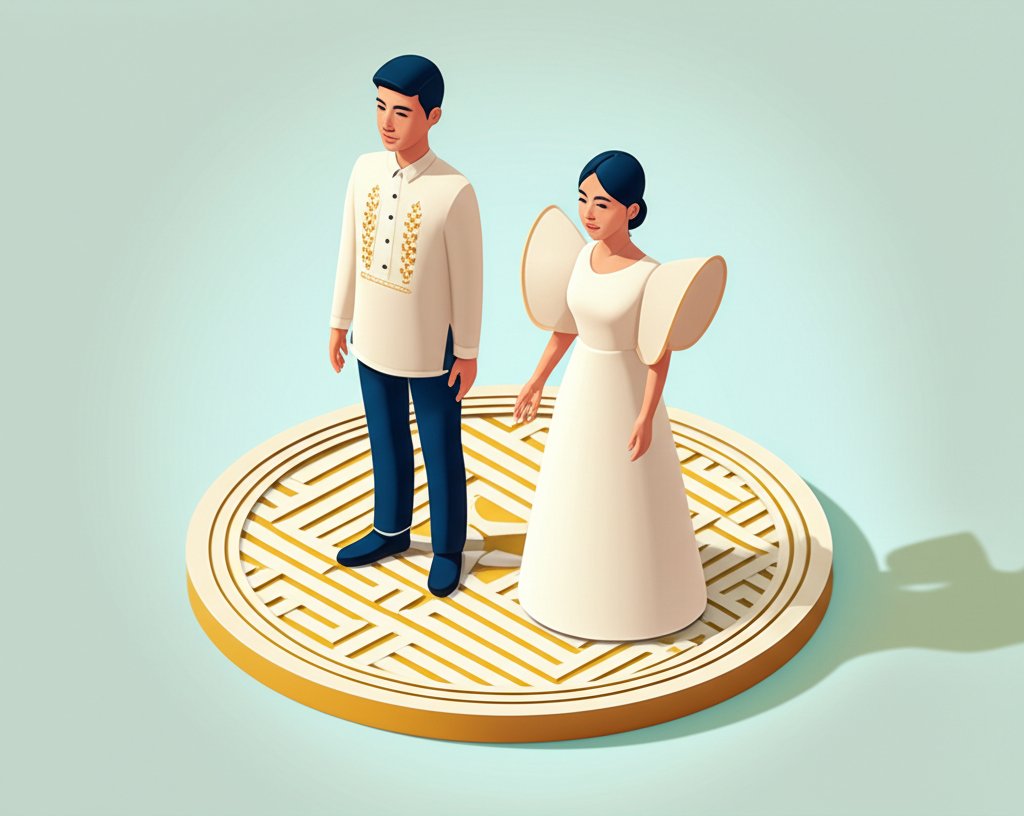
Embark on an extraordinary journey through the vibrant tapestry of Philippine fashion, a narrative rich with cultural resilience, artistic innovation, and a proud identity woven through threads of time. From ancient indigenous garments to globally recognized masterpieces, the history of fashion Philippines is a captivating testament to a nation’s soul. This article will not only trace the evolution of traditional Filipino attire but also delve into the iconic terno and barong Tagalog, showcasing how Filipino design has continuously adapted, flourished, and asserted its unique place on the world stage. Prepare to discover the stories, the people, and the profound cultural significance behind the attire that defines the Philippines.
The Enduring Roots: Pre-Colonial Beginnings of Philippine Fashion
Long before foreign influences arrived, the archipelago boasted a rich and diverse sartorial landscape. Pre-colonial Philippine fashion was a reflection of the environment, available resources, and the distinctive cultures of various ethnic groups. Clothing was not merely for covering the body; it was a powerful signifier of status, tribal affiliation, and spiritual beliefs.
Materials and Craftsmanship: Weaving Nature’s Bounty
Early Filipinos ingeniously utilized natural resources for their clothing. Abaca (Manila hemp), cotton, and bark cloth were meticulously processed and woven into durable and breathable fabrics. The knowledge of natural dyes, derived from plants and minerals, added vibrant hues to their creations. Weaving was a highly revered skill, often passed down through generations, with intricate patterns holding deep symbolic meanings.
The evolution of dressmaking highlights how techniques were refined, with early Filipino garments exemplifying resourcefulness long before the formalization of dressmaking as a craft.
Iconic Early Garments: Comfort, Culture, and Climate
The basic forms of traditional Filipino attire were practical and adapted to the tropical climate:
- Bahag: The fundamental loincloth for men, typically made from bark cloth or woven fabric, allowing ease of movement.
- Tapis: A rectangular piece of cloth wrapped around the waist to form a skirt for women. This was often layered and adorned.
- Baro / Kangan: Simple, collarless blouses or jackets worn by both men and women, often made from cotton or abaca.
- Malong and Sarong: Versatile tube skirts, prominent in Mindanao and parts of the Visayas, worn by both sexes and adaptable for various uses (skirt, head covering, blanket). The Maranao’s malong landap with its vibrant langkit paneling is a standout example of early Filipino design.
These garments, often accessorized with elaborate jewelry, tattoos, and headwear, formed the foundation of the history of fashion Philippines, embodying the ingenuity and distinct identity of its diverse peoples.
A Tapestry of Influences: Shaping Filipino Attire Through Colonial Eras
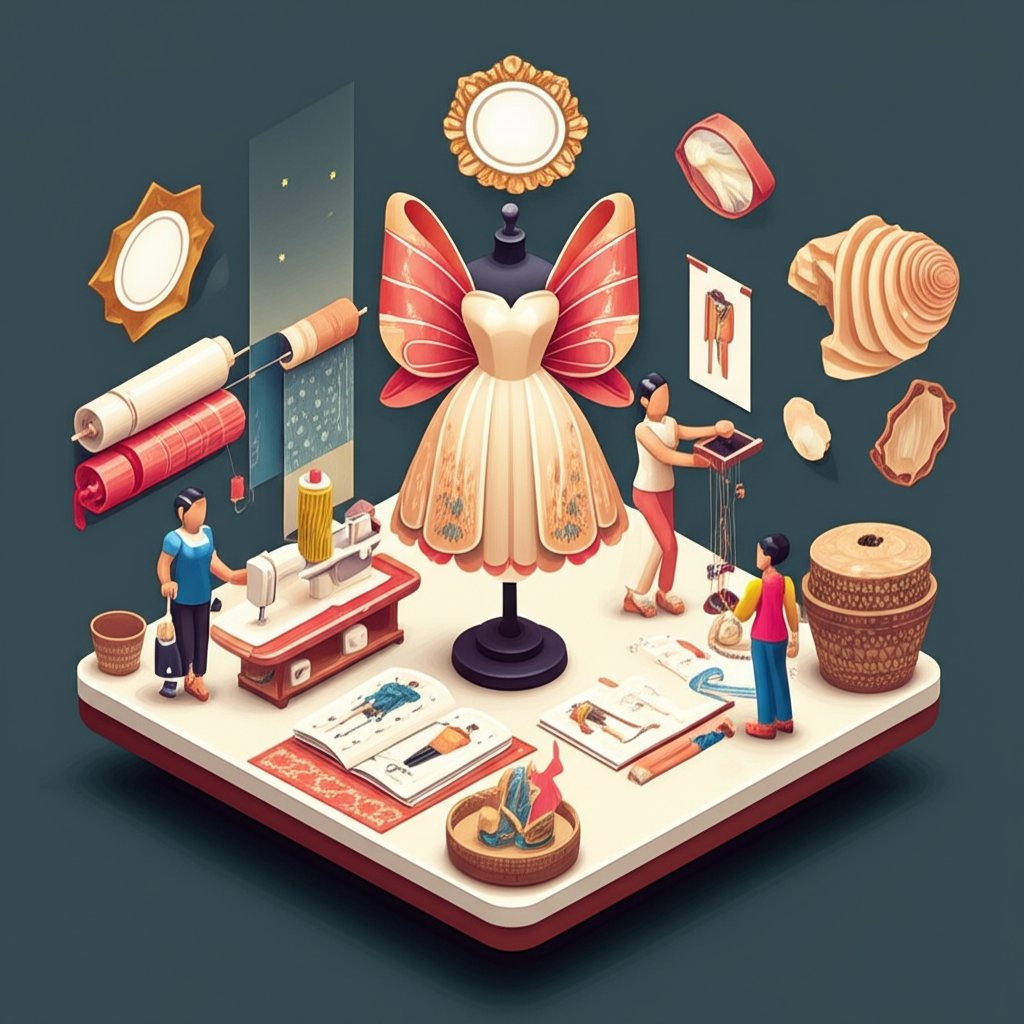
The arrival of colonizers marked a significant turning point in Philippine fashion, introducing new materials, silhouettes, and cultural norms that forever altered the local sartorial landscape.
Spanish Colonial Period: Modesty and the Mestiza Dress
The Spanish era (1521-1898) brought the imposition of European dress codes, emphasizing modesty and a more structured aesthetic. Indigenous clothing, once prominent, gradually gave way to garments influenced by Spanish styles:
- Baro’t Saya: The most enduring evolution was the baro’t saya (blouse and skirt). The baro (blouse) became more elaborate, often made from fine fabrics like piña (pineapple fiber) or jusi (banana fiber), with intricate embroidery. The saya (skirt) adopted fuller, more voluminous shapes.
- The Traje de Mestiza: This elegant evolution of the baro’t saya introduced the iconic butterfly sleeves (known as manggas) and a stiff, transparent fabric. It became the formal wear for Filipina women, a beautiful fusion of Spanish modesty and ingenious tropical adaptation, and a precursor to the modern terno.
- Men’s Attire: While the bahag persisted in rural areas, men in urban centers adopted European trousers and shirts. However, the sheer, embroidered shirt—the progenitor of the barong Tagalog—began to emerge, often worn untucked, distinguishing Filipinos from their Spanish colonizers who wore their shirts tucked in.
This period saw the birth of hybrid forms, demonstrating the adaptability of Filipino design while still retaining elements of local craftsmanship and materials.
American Colonial Period: Westernization and the Rise of Ready-to-Wear
The American period (1898-1946) heralded a rapid Westernization of Philippine fashion. Mass-produced clothing became accessible, and American popular culture, particularly Hollywood glamour, heavily influenced urban styles.
- Modernization of Silhouettes: Skirts became shorter, blouses simpler, and formal wear adopted more streamlined Western cuts. School uniforms were introduced, standardizing clothing for students.
- Decline of Traditional Dress: Many traditional garments were relegated to rural areas or seen as “costumes” for special occasions rather than everyday wear.
- Emergence of Local Designers: Despite the Western influx, this era also saw the nascent development of a formal fashion industry in the Philippines, with tailors and seamstresses gaining prominence. The history of fashion Philippines began to incorporate design houses and ateliers.
Reclaiming Identity: The Post-Colonial Golden Age of Filipino Design
After gaining independence in 1946, the Philippines experienced a cultural renaissance, striving to forge a distinct national identity. Fashion played a crucial role in this movement, leading to a “Golden Age” where traditional Filipino attire was not just preserved but elevated and celebrated.
Fashion as a Symbol of Nationalism: The Dawn of a New Era
The post-independence era fostered a renewed appreciation for local heritage. Filipino design became a powerful vehicle for expressing national pride, moving away from colonial sartorial dominance. This period saw the deliberate promotion of the terno and barong Tagalog as national dresses.
Pioneering Designers: Architects of Filipino Style
A constellation of visionary Filipino designers emerged, not merely following trends but actively shaping them, reinterpreting traditional forms with unparalleled artistry and elegance. They are central to the modern history of fashion Philippines:
- Ramon Valera: Often hailed as the “Dean of Philippine Fashion,” Valera revolutionized the terno by integrating its iconic butterfly sleeves directly into the garment, making it more streamlined and elegant without the need for additional stiffeners. His creations epitomized the sophistication of Filipina women.
- Salvacion Lim Higgins (Slim’s): Known for her daring designs and impeccable tailoring, Slim pushed the boundaries of Filipino design, creating avant-garde pieces while maintaining an indigenous spirit. Her fashion school, Slim’s Fashion & Arts School, remains a pillar of Philippine design education.
- Pitoy Moreno: The “Fashion Czar of Asia,” Moreno was instrumental in promoting Philippine fashion on the international stage. He dressed numerous beauty queens and first ladies, showcasing the beauty of Filipino craftsmanship and materials.
These designers, among others, transformed the terno and barong Tagalog from mere clothing into national treasures, symbols of a proud and independent nation.
Iconic Threads: Deep Dive into the Terno and Barong Tagalog
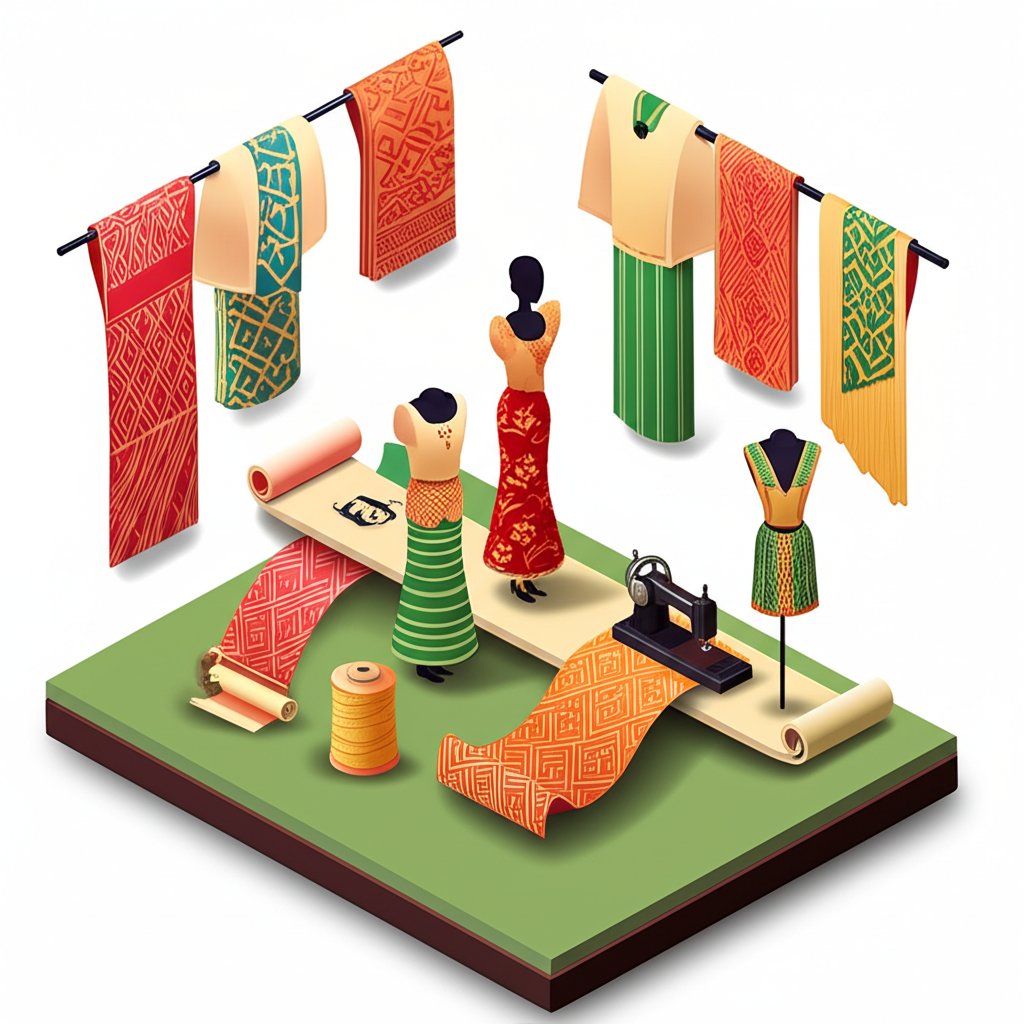
At the heart of traditional Filipino attire stand two garments that encapsulate the elegance, resilience, and unique aesthetic of the Philippines: the Terno and Barong Tagalog.
The Terno: A Living Legacy of Filipina Elegance
The Terno is more than just a dress; it is an icon of Filipina identity, grace, and strength.
- Evolution of Grace: The journey of the terno from the baro’t saya and traje de mestiza is a testament to its adaptability. The defining feature, its stiff, standing butterfly sleeves (manggas), has been perfected over centuries, allowing for dignity and ventilation in the tropical heat. Ramon Valera’s seamless integration of these sleeves was a pivotal moment in its modernization.
- Fabrics of Heritage: The terno traditionally utilizes exquisite Filipino textiles. Piña fabric, woven from pineapple leaves, is prized for its sheerness, delicate texture, and natural luster. Jusi, derived from banana fiber, offers a similar transparent quality, often adorned with intricate embroidery. More accessible materials like silk cocoon (piña-seda) and local cotton blends are also used today.
- Cultural Significance: Worn by first ladies, beauty queens, and prominent women at formal events, the terno symbolizes sophistication, national pride, and the enduring spirit of the Filipina. It is a powerful statement of cultural heritage in every stitch.
The Barong Tagalog: The Epitome of Filipino Masculinity
The Barong Tagalog is the national dress for Filipino men, a garment that exudes understated elegance, comfort, and a rich historical narrative.
- From Peasant to Presidential: Its origins trace back to simple peasant smocks, often made from sheer fabric that allowed the wearer to be identified by Spanish authorities if they concealed weapons. Over time, it evolved into formal wear. President Ferdinand Marcos Sr. popularized its use as official attire for state functions, cementing its status.
- Exquisite Craftsmanship: Like the terno, the barong is traditionally crafted from fine, translucent fabrics such as piña, jusi, and sinamay (abaca). Its defining characteristic is the intricate embroidery, often hand-sewn, featuring indigenous motifs or elaborate designs along the front placket, cuffs, and collar. Regional variations exist, showcasing diverse weaving and embroidery techniques.
- Symbol of Dignity and Identity: The barong Tagalog represents dignity, professionalism, and national identity for Filipino men. Worn untucked, it is a statement of cultural pride that effortlessly bridges formal occasions with tropical comfort. It has graced international summits and red carpets, a proud emblem of Philippine fashion.
Contemporary Filipino Fashion: Global Recognition and Sustainable Futures
Today, Philippine fashion is a dynamic force on the global stage, with designers who are not only preserving heritage but also pushing boundaries, embracing sustainability, and resonating with a global audience.
Modern Filipino Designers: Blending Tradition with Innovation
A new generation of designers and established icons are reinterpreting traditional Filipino attire and infusing Filipino design with modern sensibilities:
- Rajo Laurel: A prominent figure known for his innovative approach, blending traditional Filipino elements with contemporary couture. His work often features indigenous weaves and artisanal techniques in modern silhouettes.
- Francis Libiran: Celebrated for his intricate detailing and elegant bridal and formal wear, Libiran frequently incorporates Filipino patterns and motifs into his globally recognized designs.
- Randolf by RJ Santos & Toping Zamora: These designers, among others, represent the vibrant independent scene, exploring casual wear, streetwear, and gender-fluid aesthetics while remaining rooted in Filipino identity. They often utilize unique local textiles and artisan collaborations.
- Cultural Narratives: Many contemporary designers focus on storytelling through their collections, highlighting specific Filipino traditions, mythology, or social issues, making their garments not just beautiful but also meaningful.
Ethical Fashion and Sustainable Practices: Weaving a Better Future
The modern history of fashion Philippines is increasingly defined by a commitment to ethical production, sustainability, and community empowerment:
- Indigenous Materials Revival: There’s a strong movement to revive and promote indigenous textiles like T’nalak (from the T’boli dreamweavers), Inaul (Maguindanao), Yakan weaves, and various Igorot textiles. Designers work directly with artisan communities, ensuring fair trade and cultural preservation.
- Slow Fashion Advocacy: Filipino designers are championing slow fashion principles—emphasizing quality, craftsmanship, and longevity over fast trends. This not only reduces environmental impact but also honors the laborious process of traditional weaving and embroidery.
- Empowering Artisan Communities: Collaborations between designers and local weavers, embroiderers, and craftspeople provide sustainable livelihoods, preserve ancestral skills, and allow these communities to share their artistic heritage with a broader audience. This synergy strengthens the entire ecosystem of Filipino design.
The Heart of Filipino Design: Preserving Cultural Heritage for Generations
The essence of Philippine fashion lies in its profound connection to cultural heritage. It is a living, breathing archive of the nation’s history, artistry, and spirit.
Textiles as Cultural Treasures: Stories Woven in Thread
Every indigenous textile tells a story, a testament to the diverse ethnolinguistic groups of the Philippines. From the geometric patterns of the T’nalak that recount dreams and communal history to the vibrant colors and intricate designs of the Cordillera weaves reflecting daily life and animistic beliefs, these fabrics are more than just material; they are cultural treasures. Preserving them means preserving an entire way of life and a collective memory, enriching the overall history of fashion Philippines.
Challenges and Opportunities in Preservation
While there is a resurgence of interest, the preservation and promotion of Filipino design and textiles face challenges:
- Commercialization vs. Authenticity: Balancing the need for market appeal with maintaining the authenticity and spiritual significance of traditional patterns and techniques.
- Passing on Skills: Ensuring that the complex weaving, dyeing, and embroidery skills are passed down to younger generations, especially in the face of dwindling artisan populations and rural-to-urban migration.
- Intellectual Property Rights: Protecting indigenous designs from cultural appropriation and ensuring fair compensation for the communities who created them.
However, these challenges also present opportunities for innovation, education, and stronger collaborations between designers, government, NGOs, and the academic community to safeguard this invaluable heritage. The active engagement with traditional Filipino attire ensures its continued relevance.
Conclusion: The Unfolding Narrative of Philippine Fashion
The history of fashion Philippines is a testament to the nation’s enduring spirit—a narrative woven with threads of resilience, adaptability, and unwavering cultural pride. From the practical elegance of pre-colonial garments to the Spanish-influenced traje de mestiza, the American-era shifts, and the post-independence resurgence of the terno and barong Tagalog, every era has contributed to the rich tapestry of Philippine fashion.
Today, Filipino design continues to evolve, embracing global trends while steadfastly celebrating its unique heritage, championing sustainability, and empowering local artisans. The iconic attire of the Philippines is not just clothing; it is a vibrant declaration of identity, a canvas for storytelling, and a proud legacy that continues to inspire and captivate the world. As we look to the future, the global presence of Philippine fashion promises to grow, carrying with it the soul of an archipelago, beautifully expressed in every stitch and silhouette.
FAQ
Q1: Why did traditional Filipino fashion decline in the mid-20th century?
The decline of traditional Filipino fashion in the mid-20th century was largely due to the pervasive influence of Western culture following the American colonial period and post-World War II global trends. Mass production and the allure of modern, Western-style clothing led many urban Filipinos to adopt easily accessible and more “fashionable” attire, relegating traditional garments like the terno and barong Tagalog to formal occasions or cultural events. Economic factors, changing lifestyles, and the perception of traditional clothing as less practical for modern professional life also contributed to this shift.
Q2: What role did the terno and the barong Tagalog play in the development of Filipino national identity?
The terno and barong Tagalog became powerful symbols of Filipino national identity, especially in the post-independence era. After centuries of colonial rule, Filipinos sought to define their unique cultural identity, and these garments offered a distinctive way to express it. The terno, with its iconic butterfly sleeves, embodied Filipina grace and pride, while the barong Tagalog represented the dignity and distinctiveness of Filipino men. Prominent figures, including presidents and first ladies, intentionally wore them at national and international events, solidifying their status as national dresses and fostering a sense of unity and pride among Filipinos.
Q3: How did the influence of Western culture impact Philippine fashion, and how did Filipino designers respond to this influence in the 20th century?
Western culture significantly impacted Philippine fashion by introducing European and American silhouettes, materials, and dress codes. During the Spanish era, indigenous garments merged with Spanish styles to create hybrids like the baro’t saya. The American period brought further Westernization, with simpler cuts, mass-produced clothing, and the adoption of modern fashion trends. In response, 20th-century Filipino designers, like Ramon Valera and Salvacion Lim Higgins, masterfully reinterpreted traditional garments. They modernized the terno and barong Tagalog, making them more streamlined and elegant while preserving their core elements and utilizing indigenous fabrics and craftsmanship, thus creating a unique Filipino aesthetic that could compete on a global stage.
Q4: What are some significant challenges facing the preservation and promotion of Filipino fashion heritage today?
Significant challenges include the dwindling number of traditional artisans, the intricate and time-consuming nature of producing indigenous textiles, and the pressure from fast fashion trends. There’s also the risk of cultural appropriation by non-Filipino designers if intellectual property rights are not protected, and the difficulty of marketing traditional garments to a younger generation who may prefer more contemporary styles. Additionally, ensuring sustainable livelihoods for artisan communities and educating the public about the cultural significance behind these garments remain ongoing efforts.
Q5: How have contemporary Filipino designers reinterpreted and modernized traditional textiles to create relevant and sustainable fashion?
Contemporary Filipino designers have reinterpreted and modernized traditional textiles by integrating them into contemporary silhouettes, mixing them with modern fabrics, and adapting them for everyday wear. They use indigenous materials like piña, abaca, and T’nalak in innovative ways, creating avant-garde pieces, streetwear, and ready-to-wear collections. Many designers are also focused on ethical and sustainable practices, working directly with artisan communities to ensure fair trade, promoting slow fashion, and showcasing how traditional craftsmanship can be both culturally rich and environmentally responsible, making Filipino fashion relevant for a global, conscious consumer.










