While sea transport remains the undisputed backbone of global trade, moving over 80% of the world’s goods, its perceived efficiency often overshadows a complex web of significant drawbacks. Far from a seamless solution, maritime shipping presents a multitude of challenges that impact costs, timelines, environmental health, and even geopolitical stability. Understanding these often-overlooked disadvantages of sea transport is crucial for businesses, policymakers, and consumers alike to navigate the complexities of international trade.
This comprehensive article will unveil the profound maritime shipping drawbacks, dissecting the hidden costs, environmental toll, logistical nightmares, and inherent risks that characterize this vital, yet flawed, mode of transportation. Prepare to discover the full scope of sea transport challenges that could be impacting your supply chain or the global economy.
The High Costs and Financial Burdens of Maritime Shipping
The initial appeal of sea freight disadvantages often begins with its perceived lower cost per unit compared to air freight. However, a deeper dive reveals myriad financial burdens that accumulate, making sea transport significantly more expensive than many anticipate. These costs extend far beyond the basic freight rate, impacting overall supply chain efficiency and profitability.
Beyond these direct expenses, unexpected costs can arise, mirroring how hidden fees and logistical hurdles can quickly turn what seems like an affordable vacation into a financial burden, as further explored when considering the disadvantages of travelling.
Fuel Price Volatility and Surcharges
A major contributor to the high disadvantages of sea transport is the unpredictable nature of fuel costs. Ships consume enormous quantities of bunker fuel, and global oil price fluctuations directly translate into volatile shipping expenses. Carriers frequently implement fuel surcharges (e.g., Bunker Adjustment Factor or BAF) and currency adjustments (CAF), which can significantly inflate the final cost of a shipment, making budgeting a constant challenge. These surcharges are often dynamic and can change with little notice, adding an element of risk to long-term contracts.
Port Fees, Duties, and Hidden Costs
Upon arrival, cargo faces a barrage of port duties, taxes, and handling fees. These can include terminal handling charges (THC), wharfage fees, customs duties, storage (demurrage for containers, detention for equipment), and various administrative charges. Each port has its own fee structure, and understanding and managing these diverse costs across multiple international ports adds considerable administrative overhead and financial complexity. Unforeseen delays can quickly escalate storage fees, turning a seemingly inexpensive shipment into a costly ordeal.
The Expense of Overland Connectivity
Sea transport typically ends at a port, not the final destination. This necessitates further transportation by road, rail, or barge to move goods to their ultimate receivers. This “last mile” or “first mile” terrestrial leg adds substantial costs and logistical complexity. Businesses must factor in trucking rates, rail tariffs, warehousing, and trans-shipment expenses, which are often subject to their own set of surcharges, congestion fees, and regional taxes. For landlocked regions, this overland leg can represent a disproportionately high percentage of the total transportation cost, highlighting a significant maritime shipping drawback.
Insurance Premiums and Liability
Given the inherent sea transport risks, such as severe weather, piracy, and potential accidents, cargo insurance is a crucial, yet costly, necessity. While carriers offer limited liability, it rarely covers the full value of goods. Businesses must invest in comprehensive cargo insurance to protect against damage, loss, or theft during transit. The cost of these premiums varies based on the cargo type, route, value, and carrier’s track record, adding another layer of expense to the overall sea freight disadvantages.
Environmental Impact: A Growing Sea Transport Challenge
The environmental footprint of maritime shipping is a critical and increasingly scrutinized sea transport challenge. While often lauded as more carbon-efficient per ton-mile than air freight, the sheer volume of goods moved by sea and the types of fuels used contribute significantly to global pollution and climate change.
Direct Pollution: Emissions and Waste Discharge
Maritime vessels are major emitters of greenhouse gases (GHGs) like carbon dioxide (CO2), contributing to climate change. Beyond CO2, ships also release sulfur oxides (SOx), nitrogen oxides (NOx), and particulate matter (PM), which contribute to air pollution, acid rain, and respiratory illnesses, especially in coastal communities and port cities. Despite international regulations like the IMO 2020 sulfur cap, the collective impact of thousands of vessels operating globally remains substantial. Furthermore, the deliberate discharge of oily waste, sewage, and garbage, though regulated, still poses environmental threats.
Ecological Damage from Accidents and Spills
One of the most catastrophic sea transport risks is the potential for oil spills and chemical leaks from accidents. Tanker accidents, groundings, or collisions can release vast quantities of pollutants, devastating marine ecosystems, polluting coastlines, and impacting wildlife for decades. Cleanup operations are immensely complex, expensive, and often only partially successful. Beyond large-scale incidents, chronic operational spills and leaks from daily shipping activities also contribute to cumulative ecological damage.
Biodiversity Threats and Invasive Species
The practice of taking on and discharging ballast water (used to stabilize vessels) in different port environments poses a significant environmental maritime shipping drawback. Ballast water can transport non-native aquatic organisms, including bacteria, viruses, and invasive species, across oceans. When discharged into new ecosystems, these invasive species can outcompete native organisms, disrupt food webs, introduce diseases, and cause irreversible damage to local biodiversity and fisheries. International efforts are underway to mandate ballast water treatment, but the problem persists.
Time-Sensitive Issues: Lengthy Transit & Reliability Drawbacks
When speed is of the essence, sea transport often falls short, presenting considerable sea freight disadvantages for modern supply chains that prioritize speed and agility. The inherent nature of ocean voyages dictates longer transit times and less flexibility than alternative modes.
Extended Journey Times and Schedule Inflexibility
Compared to air or even rail transport, ships are inherently slow. An ocean voyage can take weeks or even months, making sea transport unsuitable for time-sensitive or perishable goods. Furthermore, shipping schedules, once set, are notoriously inflexible. Deviating from planned routes or making unscheduled stops is costly and rare. This rigidity means that once cargo is on a vessel, its ETA is largely fixed, with limited options for acceleration.
Vulnerability to Weather and Climate Disruption
Oceanic voyages are at the mercy of the elements. Adverse weather conditions, from severe storms and hurricanes to dense fog, can cause significant delays, force rerouting, or even lead to cargo damage or loss. The increasing frequency and intensity of extreme weather events due to climate change present a growing sea transport challenge. Port operations can also be halted by severe weather, creating further backlogs and extended waiting periods for vessels. Reliability, a cornerstone of efficient logistics, is consistently challenged by nature’s unpredictability.
The Challenge of Real-time Cargo Visibility
Despite technological advancements, true real-time, end-to-end tracking of sea freight can be difficult compared to air or road transport. Once a container is loaded onto a ship and out at sea, precise tracking data may be limited to periodic updates at major waypoints or port calls. This lack of granular visibility can create uncertainty for supply chain managers, making it harder to anticipate arrival times, manage inventory, and respond proactively to potential delays, exacerbating maritime shipping drawbacks related to planning and responsiveness.
Inappropriateness for Perishable or Urgent Goods
Due to the lengthy transit times and potential for delays, sea transport is generally unsuitable for highly perishable goods (e.g., fresh produce, certain pharmaceuticals) or cargo requiring urgent delivery. While refrigerated containers (reefers) exist, the extended journey still poses a risk to the quality and shelf-life of sensitive items. Industries relying on just-in-time (JIT) inventory management or those with rapidly changing market demands often find the inherent slowness of sea freight a significant limitation.
Operational and Infrastructural Hurdles in Sea Transport
Even when goods reach port, the disadvantages of sea transport continue with a range of operational and infrastructural issues that can lead to bottlenecks, inefficiencies, and increased costs.
Global Port Congestion and Inefficient Handling
Ports are critical nodes in the global supply chain, but they are also frequent sources of delay. Congestion, often caused by surges in cargo volume, labor shortages, inefficient equipment, or poor planning, can lead to vessels waiting for days or even weeks to dock and unload. Once docked, slow processing times for customs, container handling, and onward transportation further exacerbate delays. These inefficiencies cascade throughout the supply chain, impacting delivery schedules and adding to the sea transport challenges.
Inadequate Infrastructure for Landlocked Regions
One of the most pronounced maritime shipping drawbacks is the inherent limitation for landlocked countries or regions far from major coastlines. For these areas, sea transport is never a door-to-door solution. Goods must endure multiple trans-shipment points and extended overland journeys to reach their final destination. This requires robust supporting infrastructure (roads, railways, inland waterways) which may be underdeveloped or absent. The necessity of these additional legs significantly increases costs, transit times, and administrative complexity, effectively disadvantaging these regions in global trade.
Dependence on Chokepoints and Navigational Limitations
Global maritime trade relies heavily on narrow, strategically important waterways known as chokepoints (e.g., Suez Canal, Panama Canal, Strait of Malacca, Bab-el-Mandeb). Disruptions at these critical junctures, whether due to accidents, geopolitical tensions, or natural phenomena like droughts impacting canal water levels (as seen repeatedly with the Panama Canal), can bring global supply chains to a standstill. Rerouting vessels around continents (e.g., Africa instead of Suez) adds thousands of miles, weeks to journey times, and millions in fuel costs, representing a severe sea transport risk.
Navigating the Complexities and Risks of Sea Freight
Beyond the operational and financial considerations, sea transport risks encompass a broader spectrum of security, safety, and regulatory issues that demand careful management and foresight.
Piracy, Geopolitical Instability, and Security Threats
The open sea, while vast, is not always safe. Piracy remains a persistent and evolving threat in high-risk regions such as the Gulf of Aden, the Strait of Malacca, and parts of West Africa. Pirate attacks can result in cargo theft, ransom demands for ships and crew, and significant delays. Furthermore, geopolitical instability in critical shipping lanes (e.g., Houthi attacks in the Red Sea) can lead to rerouting, increased insurance premiums, and heightened security measures, all adding to the maritime shipping drawbacks and costs. Protecting valuable cargo and crew necessitates robust security protocols, including armed guards, which come at a premium.
Cargo Damage, Loss, and Theft
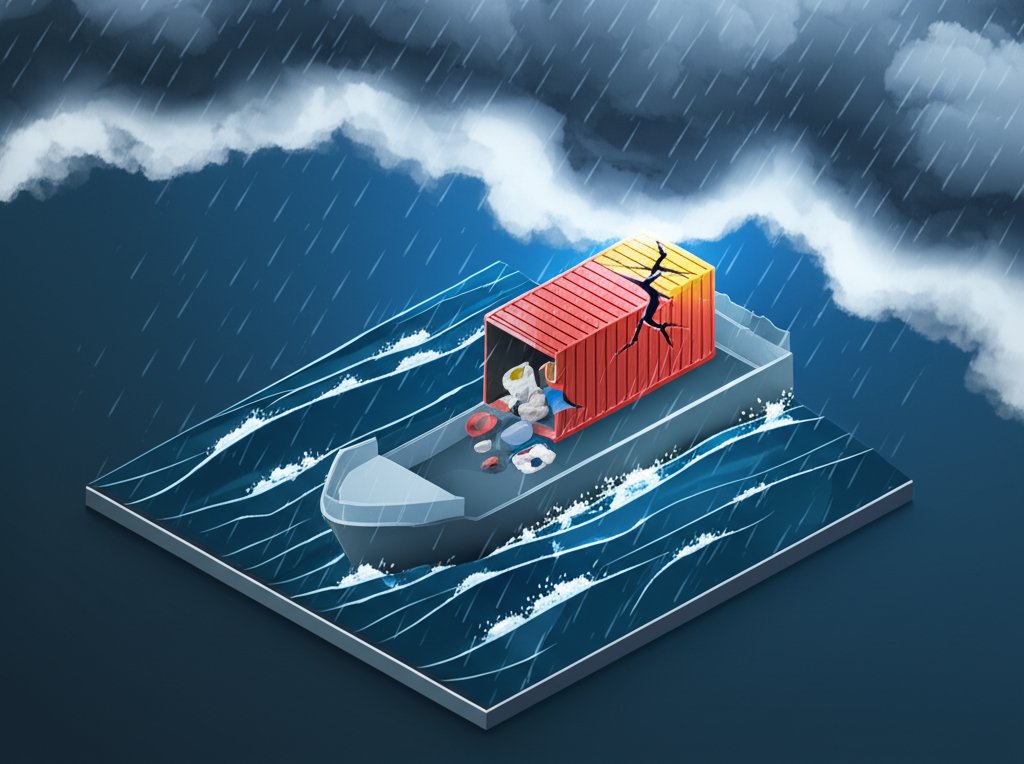
Despite advances in containerization, cargo transported by sea is still vulnerable. Rough seas can lead to containers shifting or being lost overboard. Improper packing or handling can result in damage. Theft, both at sea and in ports, remains a concern, particularly for high-value goods. The process of filing claims can be lengthy and complex, often not fully compensating for the direct and indirect losses incurred, such as lost sales or damaged brand reputation.
Regulatory Compliance and Documentation Burdens
International maritime law and national regulations are incredibly complex and constantly evolving. Complying with diverse customs requirements, safety standards, environmental protocols, and security mandates across multiple countries is a significant sea transport challenge. Errors in documentation can lead to customs delays, fines, and even confiscation of goods. The administrative burden of preparing, submitting, and managing the vast array of paperwork required for international sea freight is substantial and requires specialized expertise.
Cyber Security Vulnerabilities in Maritime Operations
In an increasingly interconnected world, the maritime industry is not immune to cyber threats. Modern ships and port operations rely heavily on sophisticated digital systems for navigation, communication, cargo management, and logistics. Cyberattacks can target these systems, leading to operational disruptions, data breaches, navigation errors, and even safety hazards. The potential for malicious actors to interfere with critical infrastructure represents an emerging and serious sea transport risk that the industry is actively working to address.
Conclusion
While sea transport undeniably offers the highest carrying capacity and plays an irreplaceable role in global trade, it is far from a perfect system. The shocking disadvantages of sea transport revealed here underscore that its benefits come with substantial caveats in terms of cost, time, environmental impact, and risk. From the volatility of fuel prices and the burden of port fees that elevate sea freight disadvantages, to the dire sea transport challenges posed by climate change, port congestion, and geopolitical instability, the complexities are immense.
Understanding these profound maritime shipping drawbacks is essential for businesses to make informed decisions, mitigate risks, and build resilient supply chains. As global trade continues to evolve, addressing these inherent issues through technological innovation, improved infrastructure, sustainable practices, and robust security measures will be crucial for a more efficient, reliable, and environmentally responsible maritime industry. Ignoring these realities is no longer an option; adapting to them is a necessity for successful international commerce.
FAQ
Q1: What are the primary financial disadvantages of sea transport?
A1: The main financial disadvantages of sea transport include volatile fuel costs, often accompanied by surcharges (BAF, CAF), high port fees and duties, the additional expense of overland transportation from ports to final destinations, and the necessity of purchasing comprehensive cargo insurance to cover inherent sea transport risks.
Q2: How do environmental concerns factor into the drawbacks of maritime shipping?
A2: Environmental concerns are significant maritime shipping drawbacks. They include air pollution from ship emissions (CO2, SOx, NOx), the devastating impact of oil spills and chemical leaks on marine ecosystems, and the threat of invasive species introduced via ballast water, contributing to global sea transport challenges.
Q3: Why are lengthy transit times considered a major drawback for sea freight?
A3: Lengthy transit times are a key sea freight disadvantage because ships are inherently slow, making them unsuitable for time-sensitive cargo or industries relying on just-in-time inventory. Moreover, schedules are often inflexible, and external factors like adverse weather or port congestion can cause unpredictable and significant delays.
Q4: What operational hurdles and infrastructure issues affect sea transport efficiency?
A4: Operational and infrastructural sea transport challenges include pervasive global port congestion, often due to high cargo volumes or inefficient handling, inadequate infrastructure for connecting landlocked regions to ports, and heavy reliance on critical chokepoints (like the Panama Canal) vulnerable to natural or geopolitical disruptions.
Q5: What security risks are associated with sea transport today?
A5: Modern sea transport risks extend beyond traditional concerns and include ongoing threats from piracy in various maritime regions, the impact of geopolitical instability on shipping lanes (e.g., Red Sea attacks), the constant potential for cargo damage, loss, or theft, and emerging cyber security vulnerabilities targeting vessel and port operational systems.










