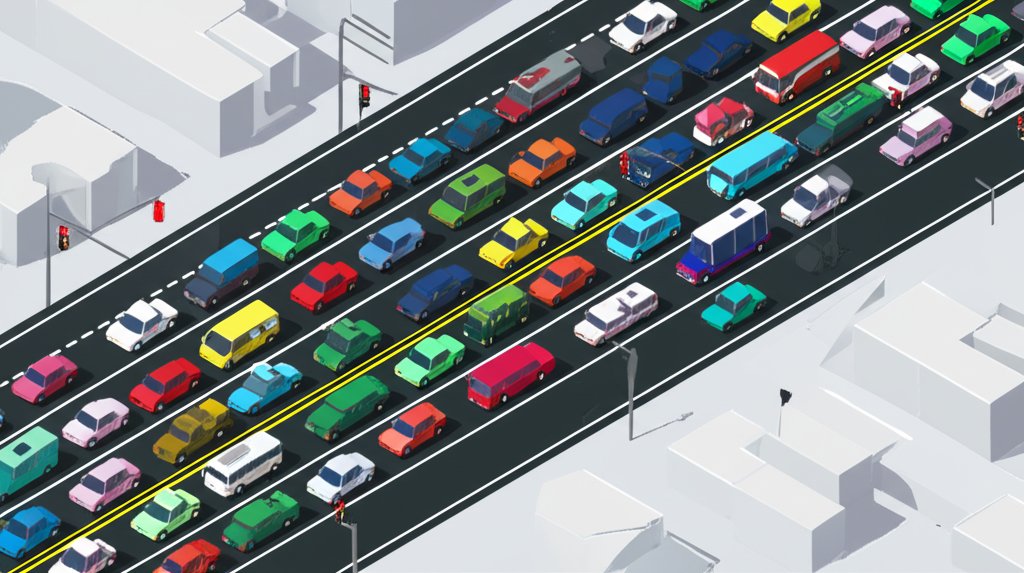
Urban areas pulse with life, and at the heart of their intricate networks are roadways, designed to facilitate movement, commerce, and connection. Yet, despite their foundational role, a closer look reveals that our pervasive reliance on these thoroughfares has led to significant and often debilitating disadvantages of roadways in the context of modern urban transportation. What once promised boundless mobility now frequently delivers gridlock, pollution, and fragmented communities.
From the daily frustration of traffic congestion that chokes our cities to the invisible toll on our environment and public health, the limitations of a predominantly road-centric transport system are becoming increasingly apparent. This article delves deep into these inherent drawbacks, exposing why a singular focus on roadways is no longer sustainable and exploring the complex urban transportation limitations they impose. We’ll uncover the true cost of our car-dependent cities and advocate for a reimagined, integrated, and more equitable future for urban mobility.
The Core Challenge: Traffic Congestion and Economic Drain
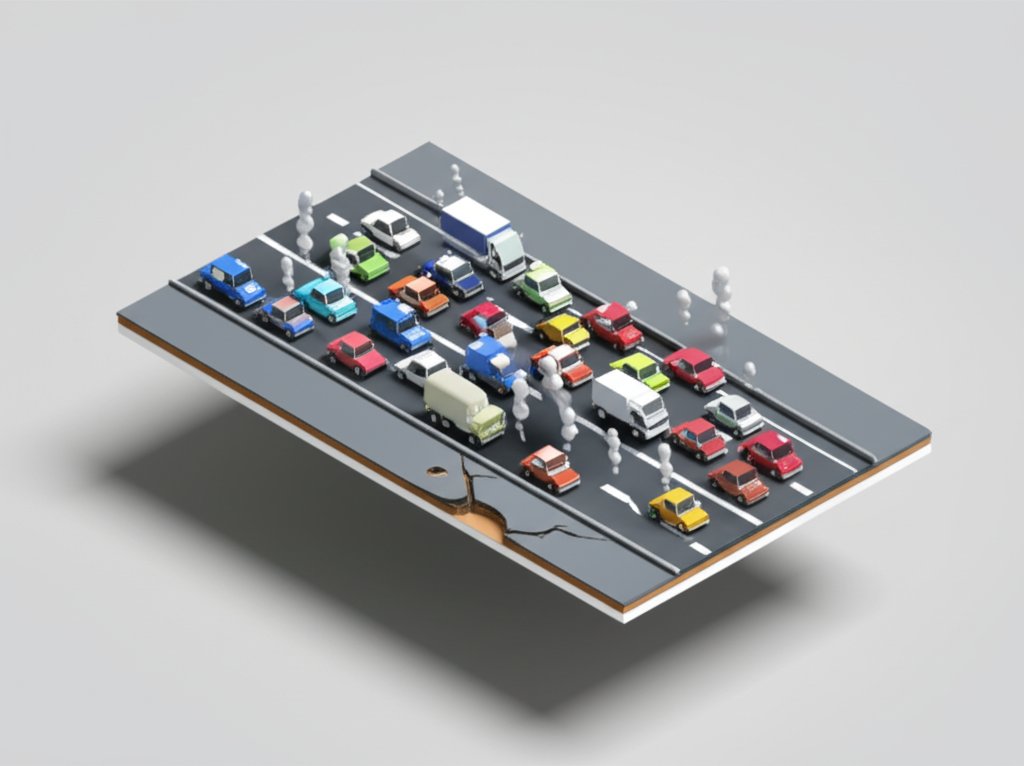
Few experiences are as universally frustrating as being stuck in a traffic jam. Traffic congestion is arguably the most recognized and pervasive drawback of relying heavily on roadways for urban transportation. It’s not just an inconvenience; it’s a massive economic drain and a significant impediment to urban efficiency.
Understanding the Roots of Gridlock
The phenomenon of gridlock is a complex interplay of several factors, often exacerbated by the very infrastructure designed to alleviate it.
The induced demand cycle, where building more roads ironically worsens congestion, highlights just one of the many disadvantages of travel that modern cities must grapple with.
Induced Demand: A common misconception is that building more roads will solve congestion. However, urban planning theory often demonstrates induced demand – new or expanded roadways initially ease traffic, but this improved capacity encourages more people to drive, eventually bringing congestion back to previous, or even worse, levels. The availability of more road space often translates into longer commutes and more car-dependent lifestyles. Car-Centric Planning: Many urban areas have been developed with the private vehicle as the primary mode of transport. This has led to sprawling designs, extensive parking requirements, and a lack of viable alternatives, forcing residents into cars for even short trips. Peak Hour Saturation: During morning and evening commutes, the sheer volume of vehicles attempting to use limited road space simultaneously overwhelms capacity. This is compounded by incidents like minor accidents or stalled vehicles, which can bring entire sections of the network to a standstill. Inefficient Use of Space: A single car carrying one person occupies significantly more road space than that person would on public transit or a bicycle. This inherent inefficiency drives congestion in dense urban environments where space is at a premium.The Hidden Costs: Time, Fuel, and Productivity Losses
The tangible and intangible costs of traffic congestion are staggering, impacting individuals, businesses, and the broader economy:
Lost Time: Commuters spend countless hours stuck in traffic, time that could be used for work, leisure, or family. This loss of personal time contributes to stress and reduced quality of life. Cities worldwide report average annual delays of dozens, even over a hundred, hours per driver. Increased Fuel Consumption and Emissions: Stop-and-go traffic is highly inefficient, leading to wasteful fuel consumption and increased greenhouse gas emissions. This not only hits drivers’ wallets but also exacerbates environmental problems. Reduced Productivity: Businesses suffer from delayed deliveries, disrupted supply chains, and employees arriving late. The unpredictability of travel times makes logistical planning a nightmare, ultimately impacting economic output and competitiveness. Mental Health Impact: The stress, frustration, and isolation associated with prolonged periods in traffic can take a toll on mental well-being, contributing to anxiety and road rage.Environmental Burden: Pollution and Climate Impact
Beyond the immediate frustrations, the extensive network of roadways and the vehicles that traverse them place a heavy and often irreversible burden on the environment. This environmental impact is one of the most critical disadvantages of roadways, directly affecting public health and contributing to global climate change.
Air Quality Degradation and Public Health Risks
Vehicular emissions are a primary source of urban air pollution, poisoning the air we breathe.
Harmful Pollutants: Cars, trucks, and buses release a cocktail of pollutants, including nitrogen oxides (NOx), particulate matter (PM2.5), carbon monoxide (CO), sulfur dioxide (SO2), and volatile organic compounds (VOCs). These substances are major contributors to smog formation and acid rain. Respiratory and Cardiovascular Illnesses: Exposure to these pollutants is linked to a range of severe health problems. PM2.5 can penetrate deep into the lungs and bloodstream, causing respiratory diseases like asthma, bronchitis, and even lung cancer. Cardiovascular issues, including heart attacks and strokes, are also more prevalent in areas with high traffic pollution. Children and the elderly are particularly vulnerable. Urban Heat Island Effect: Extensive asphalt and concrete surfaces absorb and store solar radiation, contributing to the “urban heat island” effect. This raises city temperatures, increases energy consumption for cooling, and can exacerbate heat-related health issues, especially during heatwaves. Runoff Pollution: Rainwater runoff from roadways carries oil, grease, heavy metals, and other toxic chemicals into local waterways, polluting rivers, lakes, and oceans, harming aquatic ecosystems, and potentially contaminating drinking water sources.Noise Pollution: A Constant Stressor
The relentless hum, roar, and blare of traffic on roadways constitute a pervasive form of noise pollution, significantly impacting urban dwellers’ quality of life.
Health and Well-being: Chronic exposure to high levels of traffic noise is linked to increased stress, sleep disturbances, hypertension, and even cardiovascular disease. It can impair cognitive performance in children and reduce overall well-being for residents living near busy routes. Disrupted Environments: Noise pollution disrupts natural ecosystems, affecting wildlife behavior, communication, and reproduction. For humans, it diminishes the tranquility and enjoyment of public spaces, parks, and even private homes. Reduced Property Values: Properties located along heavily trafficked roadways often suffer from lower property values due to the constant noise and pollution, impacting homeowners and real estate markets.Safety Crisis: Vulnerable Road Users at Risk
While roadways are built for vehicles, they are shared spaces. One of the most severe disadvantages of roadways in their current form is the inherent danger they pose, particularly to the most vulnerable users. The design and operational priorities of many urban road networks often lead to a significant safety crisis.
Pedestrians and Cyclists: The Overlooked Casualties
In the design hierarchy of many urban roads, pedestrians and cyclists often come last, if at all. This neglect creates hostile environments where safety is severely compromised.
Lack of Dedicated Infrastructure: Many cities lack sufficient safe crossings, continuous footpaths, and dedicated, protected cycling lanes. This forces pedestrians and cyclists to share space with fast-moving motor vehicles, dramatically increasing their risk of collision. High-Speed Designs: Urban arterial roadways are often designed to facilitate high speeds, which is fundamentally incompatible with pedestrian and cyclist safety. Higher vehicle speeds lead to a greater likelihood of crashes and significantly increased severity of injuries and fatalities. A person struck by a vehicle at 40 mph is eight times more likely to die than if struck at 20 mph. Visibility and Perception Gaps: Drivers often fail to see pedestrians and cyclists, especially at night or in adverse weather conditions. Conversely, the sheer size and speed of vehicles can intimidate vulnerable road users, making them feel unsafe even when ostensibly protected. “Complete Streets” as a Solution (and a critique of current problems): The concept of “complete streets,” which advocates for designing roadways to be safe and accessible for all users regardless of age, ability, or mode of transport, highlights the failings of existing infrastructure that often prioritize vehicle throughput above all else. Where complete streets are lacking, pedestrians and cyclists pay the price.Accident Frequency and Severity on Urban Arteries
Roadways, particularly in high-traffic urban settings, are unfortunately prime locations for accidents.
Congestion-Related Accidents: While high speeds are a major factor, even congested conditions increase accident risk. Frequent stopping and starting, lane changes, and driver frustration can lead to fender-benders, increasing delays and secondary incidents. Distracted Driving: The complex, dynamic environment of urban roadways combined with increasing rates of distracted driving (e.g., mobile phone use) significantly escalates the risk of collisions. Intersection Dangers: Intersections are particularly hazardous points on roadways, where conflicting traffic movements, poor design, and inadequate signal timing can lead to a high incidence of T-bone and turning accidents. Severity of Injuries: Due to the mass and speed of motor vehicles, accidents involving cars, trucks, or motorcycles often result in severe injuries or fatalities, imposing immense physical, emotional, and financial burdens on individuals and healthcare systems.Infrastructure Strain and Unsustainable Costs
The seemingly endless expansion and upkeep of roadways constitute a colossal financial drain, representing another critical urban transportation limitation. The costs are astronomical and often divert funds from other vital public services, raising questions about the long-term sustainability of our current approach.
Astronomical Maintenance and Repair Expenses
The continuous wear and tear on roadways necessitate constant investment in maintenance and repairs, costs that governments and taxpayers bear.
Degradation from Use and Weather: Heavy vehicular traffic, especially trucks, subjects roads to immense stress, leading to cracking, rutting, and pothole formation. Weather elements like extreme heat, freezing temperatures, and heavy rainfall accelerate this degradation. Routine Upkeep: Maintenance includes everything from resurfacing and bridge repairs to clearing drains, replacing signage, and repairing streetlights. These are not one-time costs but ongoing, significant expenditures. Deferred Maintenance: Many municipalities face a backlog of necessary road repairs due to budget constraints. This deferred maintenance ultimately leads to more extensive and expensive repairs down the line, or simply deteriorating road quality. Cost of Expansion: Building new roadways or expanding existing ones in urban areas is exceptionally expensive due to land acquisition costs (eminent domain), complex engineering challenges (overpasses, tunnels), and disruption to existing infrastructure. These capital costs are often dwarfed by the long-term maintenance liabilities. Material and Labor Costs: The materials required for road construction (asphalt, concrete, aggregate) and the skilled labor needed for construction and repair are significant and constantly increasing expenses.The Finite Nature of Urban Space: An Urban Transportation Limitation
Urban environments, by definition, are defined by density and limited space. The demand for more roadways directly conflicts with this fundamental constraint, creating a major urban transportation limitation.
Competition for Land: Every square foot dedicated to a road or parking lot is land that cannot be used for housing, parks, schools, businesses, or alternative transportation infrastructure like bike paths or public transit lines. This represents a significant opportunity cost. Urban Sprawl: The focus on automotive transport often encourages urban sprawl, as people move further from city centers, relying on longer commutes. This sprawl consumes agricultural land, natural habitats, and increases infrastructure costs across the board (utilities, services). Barrier to Walkability and Livability: Wide, multi-lane roadways act as physical and psychological barriers, making it difficult and unpleasant for pedestrians to cross or navigate neighborhoods. This diminishes neighborhood walkability, reduces the vibrancy of street life, and fragments communities. Incompatible with Density: While cities are striving for higher density to accommodate growing populations and promote sustainability, extensive roadways are inherently inefficient in high-density areas. They consume too much space per person moved and detract from the very qualities that make dense urban living attractive. Jarrett Walker, a renowned expert in urban transit, emphasizes that efficient use of space in cities necessitates prioritizing cycling, walking, and large public transit vehicles over private cars on roadways.Social and Community Fragmentation
Beyond the environmental and economic impacts, the design and dominance of roadways in urban transportation have profound social consequences, leading to the fragmentation of communities and exacerbating social isolation. These subtle yet powerful disadvantages of roadways often go unaddressed.
Barriers to Connectivity: Divided Neighborhoods
Roadways, originally intended to connect, can ironically become significant dividers within the urban fabric.
Physical Separation: Major arterial roads and highways often cut through existing neighborhoods, creating physical barriers that separate residents from local amenities, schools, parks, and even each other. This can make simple acts like walking to a neighbor’s house or local shop long and cumbersome, or even dangerous. Reduced Casual Interactions: When walking and cycling are discouraged by unsafe or unpleasant roadways, the opportunities for spontaneous social interactions – neighbors greeting each other, children playing outside, people lingering in public spaces – are significantly diminished. This erodes the informal social networks that are vital for community cohesion. Loss of Public Space: Land dedicated to roadways and parking is often effectively privatized for car movement and storage, reducing the amount of accessible public space where communities can gather and interact.Reinforcing Inequality: Access Disparities
The overreliance on private vehicles using roadways can entrench and exacerbate existing social inequalities, limiting access and opportunity for disadvantaged populations.
Car Ownership as a Prerequisite: In car-centric cities, owning a car often becomes a de facto necessity for accessing employment, education, healthcare, and fresh food. This places a significant financial burden on low-income households, who may struggle with vehicle purchase, insurance, fuel, and maintenance costs. Limited Access to Opportunity: Communities with poor public transit options and high reliance on roadways can isolate residents without private vehicles from economic and social opportunities. This can perpetuate cycles of poverty and reduce social mobility. Environmental Justice Concerns: Low-income communities and communities of color are disproportionately located near major roadways and industrial areas, subjecting them to higher levels of air and noise pollution. This leads to poorer health outcomes and highlights environmental injustice within the urban transportation system. Exclusion of Non-Drivers: Children, the elderly, people with disabilities, and individuals who cannot or choose not to drive often face severe urban transportation limitations in road-dominated environments. Their independence and ability to participate fully in community life are curtailed.Operational Inefficiencies and Specialized Transport Challenges
Beyond the daily commute, the inherent structure of roadways presents operational inefficiencies and specific challenges for specialized forms of transport, further highlighting their disadvantages of roadways for a truly versatile urban transportation system.
Weather Vulnerability: Rain, Snow, and Disruptions
While seemingly robust, roadways are surprisingly vulnerable to adverse weather conditions, leading to significant disruptions.
Slippery Conditions: Rain, ice, and snow dramatically reduce tire traction, increasing braking distances and the risk of skidding and accidents. Even light rain can make road surfaces treacherous due to oil and debris buildup. Flooding: Heavy rainfall can overwhelm drainage systems, leading to localized or widespread flooding on roadways. This can render roads impassable, strand vehicles, damage infrastructure, and severely disrupt emergency services and daily life. Tropical storms and hurricanes amplify these risks, often making road travel impossible for days. Snow and Ice Removal: In colder climates, maintaining clear roadways during winter storms requires extensive resources for plowing, salting, and sanding. These operations are costly, time-consuming, and still cannot prevent significant delays and hazards. Reduced Visibility: Fog, heavy rain, and snow can drastically reduce visibility, making driving on roadways dangerous and leading to slower speeds and increased accident potential.Limitations for Heavy Freight and Long-Haul Logistics
While roadways are crucial for last-mile delivery, they are not always the most efficient or suitable option for all types of freight, especially heavy or oversized materials, posing another set of urban transportation limitations.
Weight and Size Restrictions: Standard road vehicles have legal limits on the weight and dimensions of cargo they can carry. Transporting exceptionally heavy or unusually large items often requires specialized permits, escort vehicles, and may be restricted to specific routes or times, adding complexity and cost. Infrastructure Stress: Repeated passage of heavy trucks significantly accelerates the wear and tear on roadways and bridges, contributing disproportionately to maintenance costs compared to lighter vehicles. Congestion for Freight: Heavy trucks contribute to traffic congestion, especially in urban centers, leading to delivery delays and increased operational costs for businesses reliant on road freight. Environmental Impact of Freight: While essential, large freight vehicles generally have higher emissions per mile than smaller passenger vehicles, contributing to air pollution and carbon footprint within urban areas. For long-distance transport of bulk goods, alternative modes like rail or waterways are often more environmentally friendly and economically efficient.Conclusion
The promise of unfettered mobility through roadways has, in many urban centers, devolved into a reality of perpetual gridlock, environmental degradation, and social fragmentation. The inherent disadvantages of roadways are no longer minor inconveniences but systemic flaws undermining the very livability and sustainability of our cities. From the suffocating grip of traffic congestion and the pervasive threat of pollution to the alarming lack of safety for vulnerable road users and the astronomical costs of maintenance, our current reliance on car-centric infrastructure presents fundamental urban transportation limitations.
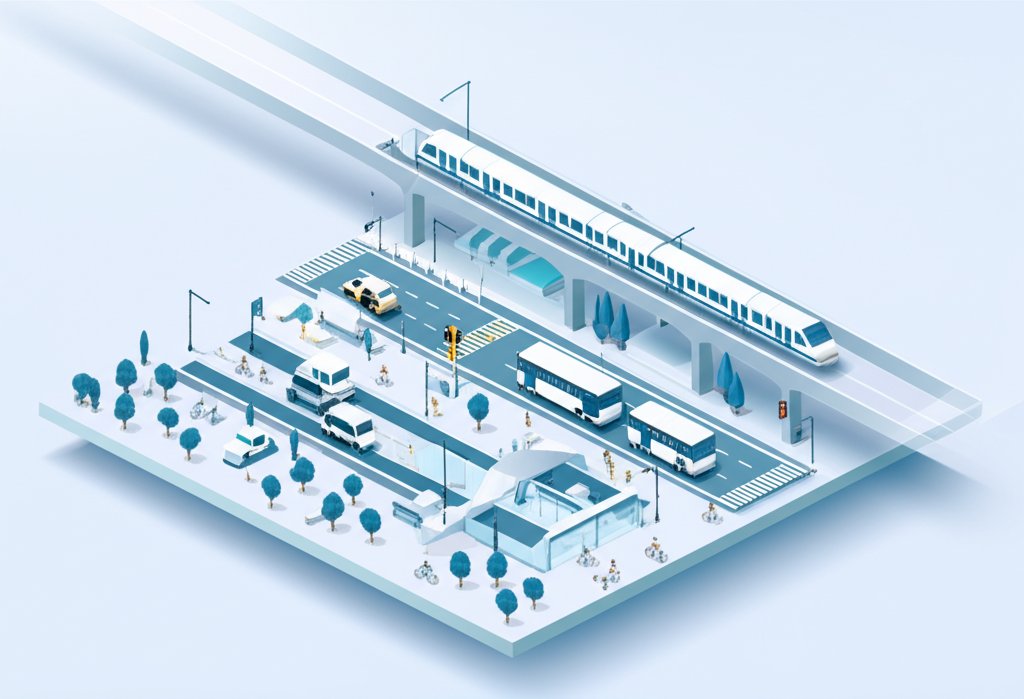
To truly “Stop the Gridlock” and build resilient, equitable, and vibrant cities, we must move beyond a narrow focus on building more roads. The future of urban transportation lies in a paradigm shift: prioritizing robust public transit networks, investing in safe and accessible infrastructure for pedestrians and cyclists, promoting mixed-use development, and embracing smart urban planning that reduces the need for long-distance car travel. Only by acknowledging these profound drawbacks and committing to integrated, multi-modal solutions can we transform our roadways from sources of stress and pollution into components of a truly efficient, sustainable, and human-centered urban environment.
FAQ
Q1: What is the primary disadvantage of roadways in urban areas?
A1: The primary disadvantage is often cited as traffic congestion, leading to significant delays, wasted time and fuel, increased pollution, and substantial economic losses for individuals and businesses.
Q2: How do roadways negatively impact the environment in cities?
A2: Roadways contribute to environmental degradation through vehicle emissions (causing air pollution and contributing to climate change), noise pollution (impacting health and quality of life), and runoff pollution (contaminating waterways). They also contribute to the urban heat island effect.
Q3: Why are roadways considered a safety hazard for pedestrians and cyclists?
A3: Many urban roadways are designed primarily for high-speed vehicle movement, often lacking adequate infrastructure like safe crossings, dedicated footpaths, and protected cycling lanes. This forces pedestrians and cyclists to share space with motor vehicles, dramatically increasing their risk of accidents, severe injuries, or fatalities.
Q4: What are the economic disadvantages associated with maintaining roadways?
A4: Maintaining roadways incurs astronomical costs for governments and municipalities due to constant wear and tear from traffic and weather. These high maintenance, repair, and potential expansion costs divert significant funds that could otherwise be allocated to other public services or more sustainable transportation solutions.
Q5: In what ways do roadways contribute to social isolation and community fragmentation?
A5: Major roadways can act as physical barriers, dividing neighborhoods and limiting opportunities for social interaction. They often prioritize car movement over pedestrian and cyclist needs, discouraging active transport and reducing public spaces, which can lead to diminished community cohesion and exacerbate social inequalities by limiting access for non-drivers.
Q6: How do roadways present limitations for overall urban transportation planning?
A6: Roadways consume vast amounts of finite urban space, leading to conflicts over land use, encouraging urban sprawl, and creating an urban transportation limitation where space cannot be efficiently used for higher-density development or other critical infrastructure like public transit or housing.
Q7: Are roadways an efficient way to transport heavy materials?
A7: While essential for parts of the logistics chain, roadways are not always the most efficient for very heavy or oversized materials due to vehicle weight and size restrictions, the accelerated wear and tear on infrastructure, and their contribution to urban traffic congestion. Other modes like rail or waterways are often more suitable for bulk freight.