
While often lauded for their potential as an eco-friendly and cost-effective mode of moving goods, inland waterways are far from a perfect transportation solution. Businesses and policymakers seeking efficient and reliable logistics must deeply understand the inherent disadvantages of inland waterways. Overlooking these challenges can lead to significant operational hurdles, financial setbacks, and disruptions in the supply chain. This comprehensive analysis will explore the 10 critical disadvantages of waterways, shedding light on the often-underestimated problems of water transport that demand careful consideration. By dissecting these limitations, we aim to provide a clearer picture for informed decision-making in the realm of modern water transportation.
The Fundamental Challenge: Speed, Scope, and Connectivity
The very nature of inland waterways imposes foundational limitations that differentiate them sharply from other transport modes. These include their pace, reach, and ability to integrate seamlessly with the broader logistics network.
1. Slow Transport Speed Hinders Time-Sensitive Cargo
One of the most universally recognized disadvantages of inland waterways is their inherently slow transport speed. Vessels navigating rivers and canals operate at significantly lower velocities compared to road, rail, or air freight. While this slower pace can be advantageous for bulk cargo where time is not a primary constraint, it becomes a critical drawback for time-sensitive, perishable, or high-value goods that require rapid delivery. In today’s fast-paced global economy, where just-in-time inventory and quick market responses are paramount, the sluggish transit times of water transport can lead to missed deadlines, spoiled goods, and a significant competitive disadvantage. This fundamental speed limitation is a core problem of water transport for modern supply chains.
2. Limited Door-to-Door Connectivity and the “Last Mile” Dilemma
Unlike trucks that can deliver goods directly from origin to final destination, inland waterways rarely offer true door-to-door service. Their operational area is confined to the waterway itself, necessitating additional modes of transport – typically road or rail – for the initial and final legs of the journey. This creates the “last mile” dilemma: goods must be offloaded from barges, transferred to another vehicle, and then delivered. Each transshipment point adds complexity, costs, and time to the overall logistics chain. It increases handling, raising the risk of cargo damage, theft, or delays. For businesses seeking streamlined, single-mode solutions, this inherent lack of direct connectivity makes inland water transportation far less appealing.
The difficulties in achieving seamless door-to-door delivery also reflect broader issues often encountered when considering the disadvantages of travelling, especially regarding accessibility and efficient connections to final destinations.
3. Restricted Geographic Reach and Fixed Routes
The reach of inland waterways is inherently limited by geographical and hydrological factors. Rivers follow natural courses, and artificial canals are expensive to construct and expand, resulting in a fixed and often sparse network compared to the dense web of roads and railways. This means that many industrial centers, agricultural regions, or market hubs may not have direct access to a navigable waterway. Businesses located away from these routes face increased costs and time for feeder services. Furthermore, vessels on inland waterways are confined to specific, unalterable paths, offering little flexibility for route deviations or adapting to changing demand patterns. This restricted operational area is a significant disadvantage of inland waterways, especially for expansive distribution needs.
Navigational & Infrastructural Hurdles
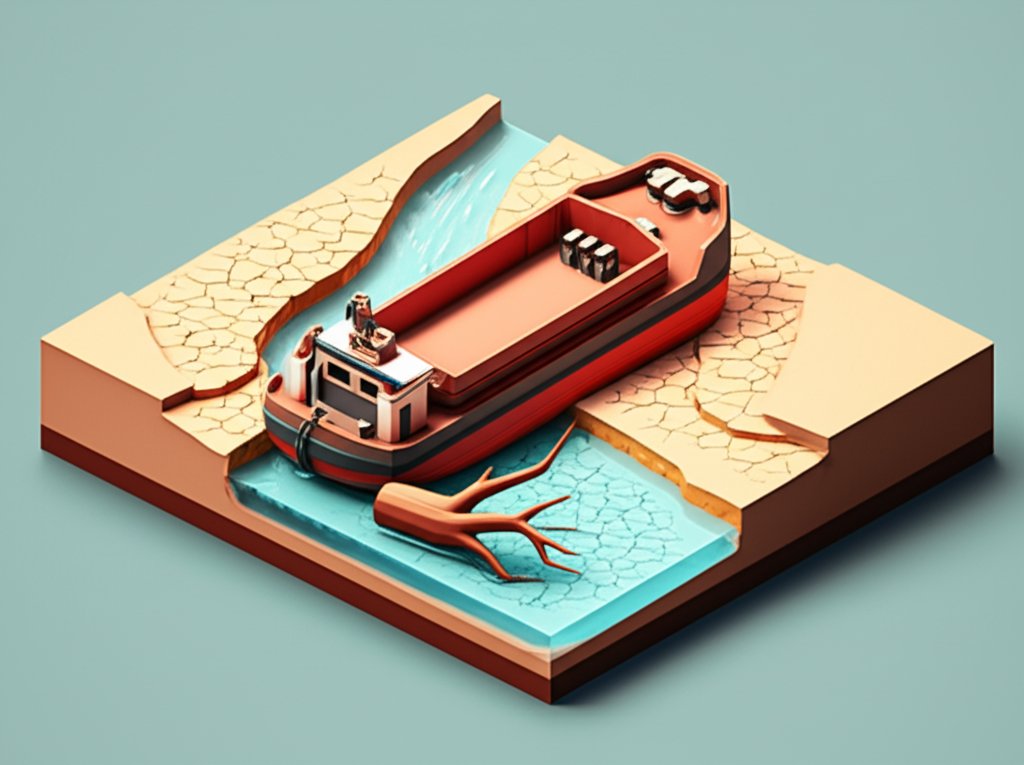
The physical attributes of inland waterways and the infrastructure they rely on present a unique set of challenges and ongoing demands.
4. High Infrastructure & Continuous Maintenance Demands
Maintaining a navigable inland waterway system is an incredibly resource-intensive undertaking, contributing significantly to the disadvantages of water transportation. Rivers naturally accumulate silt and sediment, requiring constant and costly dredging operations to maintain sufficient depth for vessels. Lock systems, essential for overcoming changes in elevation along canals or dammed rivers, demand regular inspection, repair, and operational staffing. Bank stabilization, bridge maintenance (to ensure adequate air draft), and navigation aids (buoys, lights) are also ongoing expenses. These extensive and often underestimated maintenance costs can become a significant financial burden for the responsible authorities, directly impacting the long-term viability and efficiency of the entire waterways network.
5. Navigational Hazards and Safety Concerns
Operating on inland waterways presents distinct navigational challenges that can lead to safety risks and operational disruptions. Varying water levels due to seasonal changes or weather events can create dangerously shallow areas or strong, unpredictable currents. Submerged debris, such as logs or discarded items, poses a constant threat of damage to vessel propellers or hulls. Narrow channels, sharp bends, and low-clearance bridges require highly skilled pilots and can limit the size and type of vessels that can traverse certain sections. Accidents, such as groundings or collisions, can lead to cargo loss, environmental contamination, and lengthy closures, highlighting a serious problem of water transport in terms of reliability and safety.
6. Capacity Constraints and Vessel Size Limitations
Despite being able to carry large volumes, inland waterways often impose severe capacity constraints on individual vessels. The dimensions of rivers, canals, locks, and bridges dictate the maximum size (length, width, draft, air draft) of barges and vessels that can operate effectively. This limitation can prevent the use of larger, more efficient vessels common in maritime shipping and restricts the transportation of oversized or exceptionally wide cargo items that could otherwise be moved by specialized road transporters or rail. For industries dealing with very large components or high-density cargo, these physical restrictions present a major disadvantage of inland waterways, making them unsuitable for specific logistics needs.
The Unpredictable Hand of Nature & Environment
The inherent reliance on natural elements makes inland waterways uniquely susceptible to environmental factors and the increasing impacts of climate change.
7. Extreme Weather Dependence and Seasonal Disruptions
Inland water transportation is highly vulnerable to adverse weather and seasonal hydrological changes, representing a critical problem of water transport. Prolonged droughts can drastically lower water levels, making sections of rivers unnavigable or reducing permissible cargo loads, leading to costly detours or cancellations. Conversely, heavy rainfall can cause floods, leading to dangerously high water levels, strong currents, or even temporary closures due to bridges being impassable. In colder climates, waterways can freeze over during winter months, completely halting operations for extended periods. These unpredictable and often severe weather-related disruptions make long-term planning difficult, introduce significant operational uncertainty, and add to the disadvantages of inland waterways.
8. Environmental Impacts of Development and Dredging
While generally considered a greener alternative to road or air, the development and maintenance of inland waterways are not without their own environmental footprint. Constructing new canals or deepening existing ones can involve significant habitat destruction, altering natural riverine ecosystems, and impacting biodiversity. Ongoing dredging operations, essential for maintaining navigability, can stir up bottom sediments, re-suspending pollutants, damaging aquatic flora and fauna, and changing water quality. Although the operational emissions of barges are lower per ton-mile, these infrastructural interventions and their long-term ecological consequences represent a nuanced yet important disadvantage of water transportation that requires careful environmental impact assessment.
Economic Burdens & Operational Complexities
Beyond the physical and environmental aspects, inland waterways introduce specific economic and operational complexities that impact their overall cost-effectiveness and appeal.
9. Higher Initial Capital Investment for Users and Operators
For businesses looking to integrate inland waterway transport into their supply chain, the initial capital investment can be a significant deterrent. Acquiring specialized barges or vessels, which must meet specific waterway dimensions and regulations, represents a substantial upfront cost. Furthermore, developing or adapting dedicated port facilities, loading/unloading equipment, and intermodal transfer infrastructure along the waterway can require significant investment. Unlike simply utilizing existing road or rail networks, establishing a robust inland water transportation capability often demands considerable financial outlay, posing a barrier to entry for many potential users and adding to the problems of water transport.
10. Intermodal Transfer Challenges & Increased Handling Costs
The necessity of transferring goods between inland waterway vessels and other transport modes (road, rail) at terminal points introduces several cost and efficiency challenges. Each transfer involves additional labor, specialized equipment (cranes, reach stackers), and the associated operational expenses. These multiple handling points also increase the risk of cargo damage or loss through accidents, improper securing, or exposure to elements. The cumulative effect of these intermodal transfer costs and the added time required for each transfer can significantly offset the per-mile cost savings that inland waterways might offer for the actual waterborne journey. This complex logistical dance is a key disadvantage of water transportation when evaluating total supply chain costs.
Conclusion
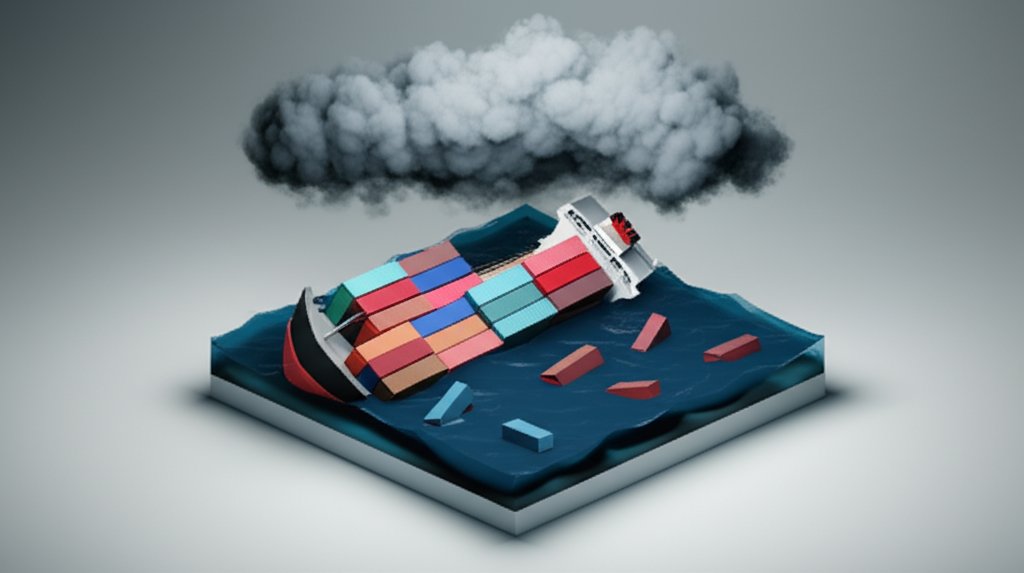
Inland waterways, while promising for certain types of cargo and specific routes, are not a panacea for all transportation needs. The 10 critical disadvantages of waterways outlined above—ranging from slow speeds and limited reach to high maintenance costs and extreme weather vulnerability—highlight significant challenges that must be meticulously evaluated. For logistics planners and businesses, a clear understanding of these inherent problems of water transport is essential for making informed decisions.
While the appeal of reducing carbon footprints and alleviating road congestion is undeniable, one must carefully weigh these benefits against the operational complexities, infrastructural demands, and economic realities of inland water transportation. Moving forward, successful integration of inland waterways into a broader multimodal strategy will depend on innovative solutions that mitigate these disadvantages of inland waterways, ensuring resilience, efficiency, and sustainability.
FAQ
Q1: Why is slow transport speed a critical disadvantage for inland waterways?
A1: Slow transport speed is a major disadvantage because it makes inland waterways unsuitable for time-sensitive, perishable, or high-value cargo. In modern supply chains, delays can lead to missed deadlines, spoilage, or reduced competitiveness, directly impacting profitability and customer satisfaction.
Q2: How does the “last mile” dilemma impact the usability of inland water transportation?
A2: The “last mile” dilemma refers to the inability of inland waterways to provide direct door-to-door service. Goods must be transferred to other modes like trucks or trains for the final leg, adding complexity, time, and cost through additional handling, which increases the risk of damage or loss.
Q3: What are the main challenges related to waterway infrastructure?
A3: Key infrastructure challenges include high and continuous maintenance demands such as dredging to prevent siltation, operating and maintaining lock systems, and ensuring bridge clearances. These activities are costly and essential for maintaining navigability and operational efficiency, contributing to the disadvantages of inland waterways.
Q4: Can extreme weather conditions stop inland waterway operations?
A4: Yes, inland waterway operations are highly susceptible to extreme weather. Droughts can lower water levels to unnavigable depths, while floods can create dangerous currents or make bridges impassable. In colder regions, ice can completely halt traffic during winter, presenting a significant problem of water transport.
Q5: Are there environmental trade-offs despite inland water transport being considered “green”?
A5: While generally lower in emissions per ton-mile, inland water transport development and maintenance can have environmental impacts. Construction of new canals or dredging can disrupt aquatic ecosystems, alter natural hydrology, and re-suspend pollutants, which are important considerations among the disadvantages of water transportation.
Q6: What types of cargo are least suitable for inland water transport?
A6: Due to the 10 disadvantages of waterways, cargo that is time-sensitive (e.g., fresh produce, urgent medical supplies), requires direct door-to-door delivery without transshipment, or is oversized beyond specific waterway dimensions is generally least suitable for inland water transport.










