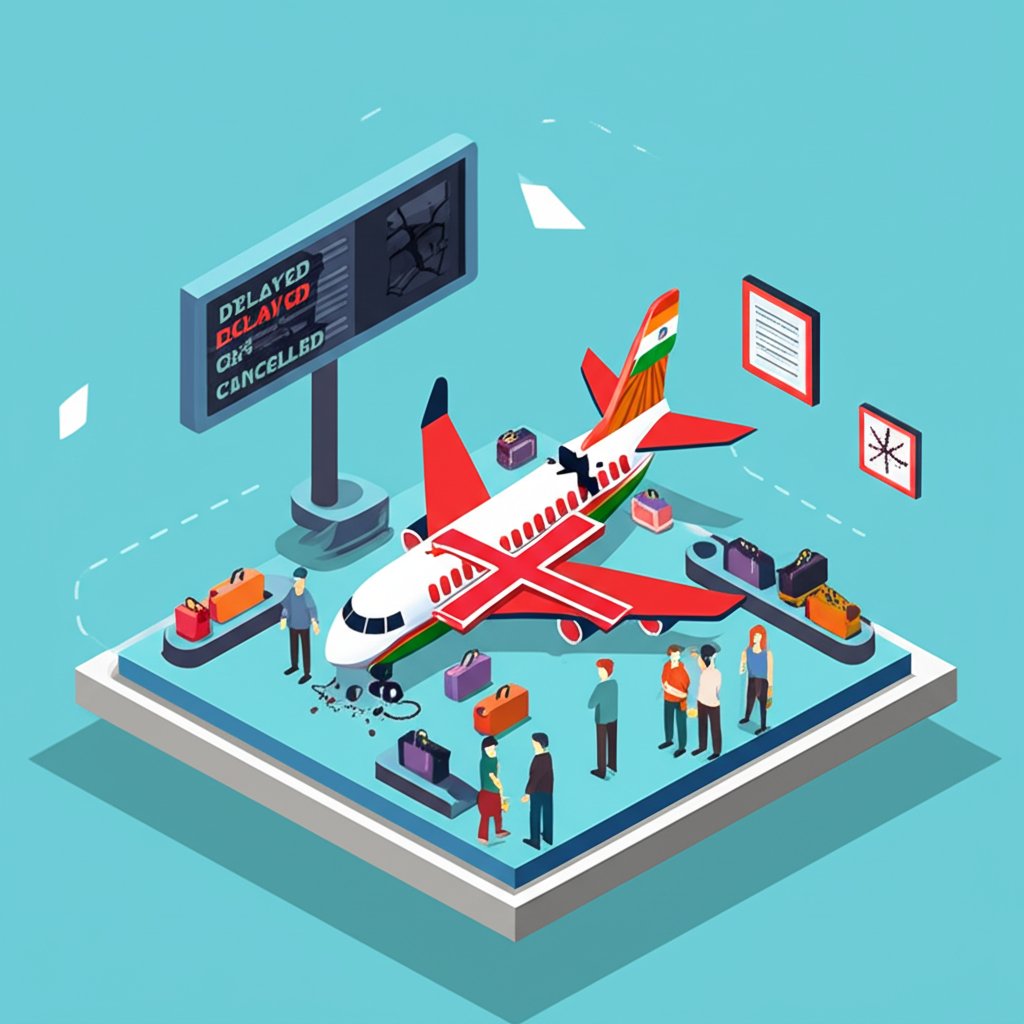
While air travel has undeniably shrunk the world, revolutionizing connectivity and speed, it’s crucial to look beyond the glamour and acknowledge the significant challenges and drawbacks it presents, particularly in a diverse and developing nation like India. Often seen as the ultimate mode of transport, the disadvantage of airways can profoundly impact passengers, the environment, and the broader economy. For a nation striving for inclusive growth and sustainable development, understanding the disadvantages of airways in India is paramount to addressing these hurdles effectively.
This article delves deep into the multifaceted issues plaguing India’s aviation sector, offering an unbiased analysis that goes beyond surface-level observations. We will explore the economic strains, operational nightmares, environmental toll, and accessibility barriers that collectively paint a comprehensive picture of the advantages and disadvantages of airways in India, focusing on the often-overlooked negatives. Prepare to uncover the shocking truth behind the challenges of flying in the subcontinent.
The Financial Flight: Unpacking the Monetary Burdens of Airways in India
The perceived luxury of air travel often masks a complex web of financial pressures that impact every stakeholder, from airlines to the common passenger. These economic hurdles represent a significant disadvantage of airways in the Indian context.
Soaring Operational Costs: Fuel, Maintenance, and Beyond
Aviation is an inherently expensive industry. Airlines in India grapple with exorbitant fuel costs, which constitute a major portion of their operating expenses. Unlike many developed nations, fuel for domestic flights in India often includes high state and central taxes, making it significantly pricier. Beyond fuel, the costs associated with aircraft acquisition, regular maintenance (often requiring expensive imported parts and specialized expertise), airport landing and parking fees, air traffic control charges, and insurance premiums are substantial. These expenses are inevitably passed down to the consumer, leading to higher ticket prices and making air travel less accessible for a large segment of the population.
High Initial Investment and Infrastructure Development
Establishing and expanding an aviation network demands colossal upfront capital. Building new airports, upgrading existing ones, acquiring modern aircraft, and investing in state-of-the-art air traffic control systems require immense financial outlays. India’s rapid urbanization and growing demand for air travel necessitate continuous investment in infrastructure. However, the sheer scale of investment coupled with long gestation periods for returns often deters private players or places a heavy burden on public resources. This high barrier to entry and expansion is a fundamental disadvantage of airways in a developing economy.
Impact on Passenger Affordability and Economic Disparity
Despite government initiatives like the UDAN scheme aimed at regional connectivity, air travel remains a premium mode of transport for many Indians. The high cost of tickets, coupled with additional charges for baggage, seat selection, and ancillary services, makes it unaffordable for lower and middle-income groups. This creates an economic disparity, limiting opportunities for travel, trade, and tourism for a significant portion of the population. For those living in remote regions, where other transport options might be slow, the unaffordability of air travel can perpetuate isolation and hinder economic integration.
Considering the economic burdens discussed here, passengers should also weigh the disadvantages of travelling in general, as unexpected costs and inconveniences can arise regardless of the chosen mode of transport.
Taxation and Regulatory Fees
Beyond fuel taxes, the Indian aviation sector is subject to various other taxes and levies, including Goods and Services Tax (GST) on air tickets, airport development fees, and passenger service fees. While essential for government revenue and airport development, these cumulative charges contribute to the overall high cost of airfare. Frequent policy changes and complex tax structures can also create an unpredictable business environment for airlines, impacting their long-term planning and profitability.
Navigating Turbulence: Operational and Reliability Challenges
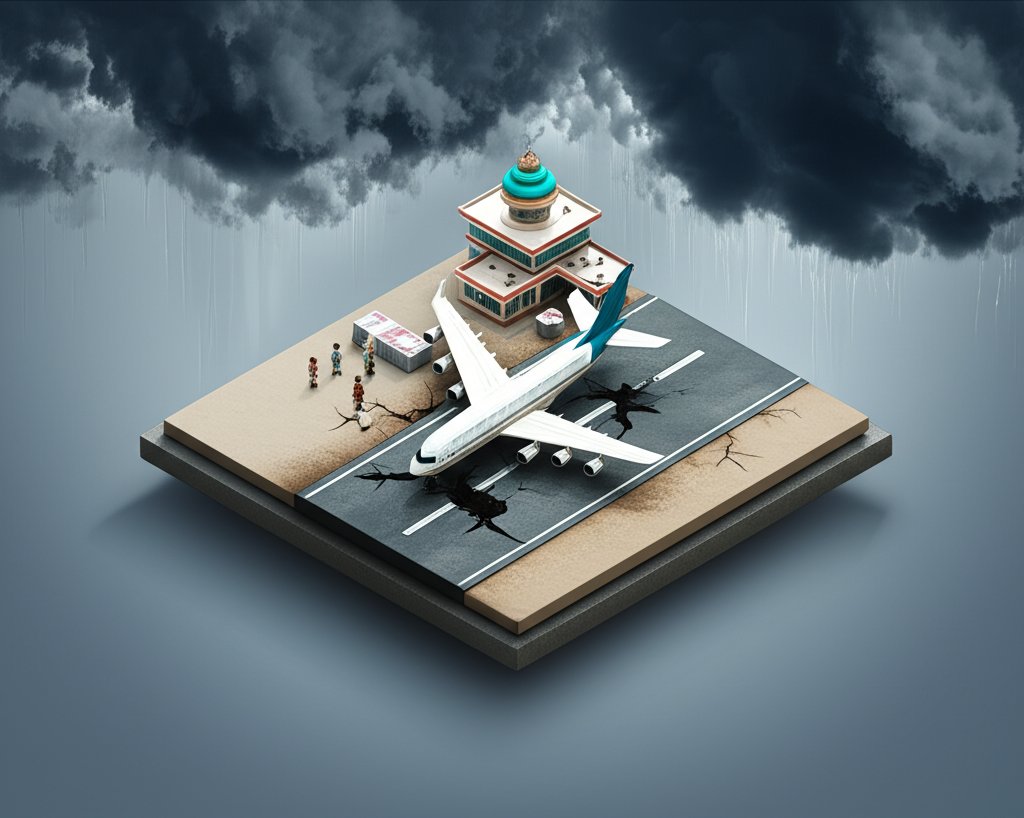
While synonymous with speed, air travel in India often faces significant operational hurdles that compromise its reliability, leading to frustrations and logistical nightmares for travelers. These are critical disadvantages of airways in India.
Weather-Induced Disruptions: India’s Monsoon and Fog Woes
India’s diverse climate, particularly the annual monsoon season (June to September) and dense winter fogs (especially in North India), significantly impacts flight operations. Monsoon-related heavy rains, strong winds, and low visibility frequently lead to flight delays, diversions, and cancellations. Similarly, dense fog during winter mornings cripples operations at major northern airports like Delhi, causing cascading delays across the entire network. Passengers often find themselves stranded for hours, missing connecting flights, or facing last-minute changes to their travel plans, creating immense inconvenience and stress.
Air Traffic Control (ATC) Constraints and Airspace Congestion
As India’s air traffic grows, its Air Traffic Control (ATC) infrastructure struggles to keep pace. Limited airspace capacity, particularly around major metropolitan airports, coupled with an aging ATC system in some regions, leads to airspace congestion. This often results in aircraft holding patterns, adding to flight times and fuel consumption. Modernization efforts are underway, but the gap between demand and advanced ATC capabilities contributes to inefficiencies and delays, a noticeable disadvantage of airways.
Technical Snags and Maintenance Delays
Despite rigorous safety checks, technical issues with aircraft can and do occur. In India, factors such as the age of some fleet components, the pressure to maintain tight schedules, and the availability of specialized maintenance personnel can sometimes contribute to unexpected technical snags. These issues, while crucial for passenger safety, invariably lead to unforeseen delays or cancellations, frustrating passengers and disrupting travel itineraries.
Cascading Delays and Their Ripple Effect
A single delay, whether due to weather, technical issues, or ATC congestion, can have a domino effect across the entire airline network. Since aircraft and crew are often assigned multiple sequential flights in a day, a delay at one airport can cause subsequent flights to be delayed, sometimes for hours. This cascading effect highlights a significant disadvantage of airways where interconnected operations mean a minor hiccup can lead to widespread disruption, particularly during peak travel seasons or adverse conditions.
Environmental Footprint: A Cost to the Planet and Public Health
The rapid expansion of the aviation sector in India raises serious concerns about its environmental impact, which is a growing disadvantage of airways globally and locally.
Greenhouse Gas Emissions and Climate Change Contribution
Aircraft engines burn fossil fuels, releasing significant amounts of carbon dioxide (CO2) and other greenhouse gases into the atmosphere. These emissions contribute directly to global warming and climate change. As India’s air travel demand continues to surge, so does its aviation sector’s carbon footprint. While efforts are being made towards sustainable aviation fuels and more efficient aircraft, the sheer volume of air traffic means that aviation remains a substantial contributor to environmental degradation.
Noise Pollution Affecting Surrounding Communities
Airports, especially those near densely populated areas, generate considerable noise pollution from aircraft takeoffs, landings, and ground operations. This constant noise can disrupt the daily lives of residents in surrounding communities, leading to sleep disturbances, stress, and even adverse health effects. The expansion of existing airports or the construction of new ones often faces local opposition due to these environmental concerns, highlighting a tangible disadvantage of airways for quality of life.
Local Air Quality Degradation Around Airports
Beyond greenhouse gases, aircraft engines also emit other pollutants like nitrogen oxides (NOx), sulfur oxides (SOx), and particulate matter (PM) close to the ground. These emissions contribute to local air pollution around airports and flight paths, potentially impacting the respiratory health of airport staff and nearby residents. Managing and mitigating these localized air quality impacts is a continuous challenge for aviation authorities in India.
Bridging the Divide: Accessibility and Infrastructure Gaps
Despite its vast network, air travel in India still struggles with accessibility issues, both geographic and infrastructural, which are key disadvantages of airways in India.
Limited Connectivity to Remote and Tier-2/3 Regions
While major metropolitan cities are well-connected by air, many remote, hilly, and underdeveloped regions in India still lack adequate air connectivity. Even smaller cities (Tier-2 and Tier-3) often have infrequent flights or no direct connections, forcing residents to travel long distances to major airports. This limited reach is a severe disadvantage of airways as it hinders regional development, tourism, and emergency services in these underserved areas. While the UDAN scheme aims to address this, the economic viability of operating flights to such regions remains a challenge for airlines.
Inadequate Ground Transportation and Airport Access
The journey to and from Indian airports can often be as challenging as the flight itself. Inadequate last-mile connectivity via public transport, heavy traffic congestion on approach roads, and insufficient parking facilities at many airports add to the overall travel time and stress. For passengers arriving late at night or early in the morning, reliable and safe ground transportation can be scarce and expensive, undermining the time-saving benefit of air travel.
Airport Capacity Limitations and Expansion Challenges
Several major Indian airports, especially in Mumbai and Delhi, are operating at or beyond their designed capacity. This capacity constraint manifests as runway congestion, limited gate availability, and overcrowded terminals. While expansion projects are underway, they often face challenges such as land acquisition issues, environmental clearances, and funding delays. The inability of airport infrastructure to keep pace with demand is a critical disadvantage of airways, leading to operational inefficiencies and compromised passenger experience.
Safeguarding the Skies: Security and Safety Imperatives
While air travel is statistically one of the safest modes of transport, the potential for high-impact incidents necessitates stringent safety and security protocols, which can sometimes come at the cost of passenger convenience.
Stringent Security Measures vs. Passenger Convenience
In response to global security threats, Indian airports have implemented rigorous security checks, including multiple layers of screening, extensive frisking, and restrictions on baggage. While these measures are absolutely essential for passenger safety, they often lead to longer wait times, queues, and inconvenience, particularly during peak hours or for first-time travelers. Striking a balance between robust security and a smooth, efficient passenger flow remains a constant challenge and a frequent point of frustration, highlighting a necessary disadvantage of airways.
The Ever-Present, High-Impact Risk of Accidents
Despite continuous advancements in technology and safety protocols, the possibility of an air accident, though statistically low, always looms. Given the catastrophic nature of aviation accidents, resulting in significant loss of life, public perception of safety is paramount. Any incident, even minor, severely impacts public confidence and can lead to heightened scrutiny and regulatory changes. This inherent, albeit rare, high-impact risk is a serious disadvantage of airways from a psychological and operational standpoint.
Challenges in Aviation Security Manpower and Technology
Maintaining state-of-the-art security at numerous airports across India requires a substantial investment in highly trained personnel and advanced technology. Challenges include recruiting and retaining skilled security staff, continuously upgrading surveillance systems, and integrating new technologies for threat detection. The sheer scale and complexity of this operation present continuous hurdles in ensuring foolproof security everywhere.
Beyond Passengers: Cargo Limitations and Supply Chain Impacts
Air freight, while fast, has inherent limitations that make it unsuitable for certain types of goods and industries, posing a disadvantage of airways for India’s diverse economy.
Restricted Capacity for Bulky and Low-Value Goods
Aircraft, particularly passenger planes with limited cargo holds, are not designed for transporting large volumes of bulky or heavy goods. Special cargo planes exist, but their services are more expensive and less frequent. This limited capacity makes air transport impractical and uneconomical for industries dealing with raw materials, construction materials, or other low-value, high-volume products. These sectors rely on roadways and waterways, showcasing a critical disadvantage of airways in comprehensive logistics.
High Costs for Air Freight Dominance in Niche Markets
The high operational costs of air travel translate directly to expensive air freight rates. Consequently, air cargo in India is primarily used for high-value, time-sensitive goods such as pharmaceuticals, electronics, perishable items, and urgent spare parts. While indispensable for these niche markets, it serves as a constraint for the broader manufacturing and agricultural sectors that require cost-effective mass transportation, thus limiting its utility for overall economic growth.
Dependence on International Cargo Hubs
While India has several international airports, dedicated air cargo infrastructure and direct international freighter connections can be lacking compared to global logistics hubs. This often leads to Indian cargo being routed through intermediate hubs in the Middle East or Southeast Asia, adding to transit times and costs. This dependence on external hubs is a logistical disadvantage of airways that India is steadily working to overcome.
Human Resources and Regulatory Headwinds
The human element and the regulatory framework are critical components of the aviation industry, and challenges in these areas significantly impact the sector’s efficiency and growth.
Skill Gap and Shortage of Aviation Professionals
The rapid growth of India’s aviation sector has created a significant demand for skilled professionals, including pilots, aircraft maintenance engineers, air traffic controllers, and specialized ground staff. There is a noticeable skill gap and often a shortage of qualified personnel to meet this demand. This can strain existing staff, potentially impact safety standards (due to overwork), and slow down expansion plans. The high cost and long training periods for these specialized roles make bridging this gap a persistent challenge.
Dynamic and Complex Regulatory Landscape
India’s aviation sector is governed by a complex and evolving set of regulations issued by bodies like the Directorate General of Civil Aviation (DGCA) and the Ministry of Civil Aviation. While necessary for safety and standardization, a dynamic regulatory environment with frequent policy changes can create uncertainty for airlines and investors. Interpreting and complying with intricate rules can be resource-intensive and sometimes lead to operational inefficiencies.
Bureaucracy and Policy Implementation Delays
Despite best intentions, the implementation of aviation policies and infrastructure projects can be hampered by bureaucratic hurdles and delays. Obtaining various clearances, licenses, and permits can be a protracted process, slowing down crucial development initiatives. This administrative friction contributes to cost overruns and limits the agility of the aviation sector to respond to market demands, representing an underlying disadvantage of airways in a systemic context.
Conclusion: Soaring Ambitions, Grounded Realities
The undeniable allure of speed and connectivity that airways offer is tempered by a range of significant challenges in India. From the shocking disadvantages of airways in India stemming from high operational costs, weather-induced disruptions, and environmental concerns, to the intricate issues of accessibility, infrastructure gaps, and regulatory complexities, the picture is far from perfect. While air travel remains a vital artery for economic growth and national integration, a clear understanding of these drawbacks is essential.
Addressing these issues requires a multi-pronged approach: sustained investment in infrastructure, technological upgrades in air traffic control, policy reforms for fuel taxation, robust environmental mitigation strategies, and initiatives to bridge the skill gap in aviation. Only by confronting these grounded realities can India truly realize its soaring ambitions for a more efficient, accessible, and sustainable aviation sector.
FAQ Section
Q1: Why is air travel generally expensive in India compared to other modes of transport?
A1: Air travel in India is expensive primarily due to high operational costs, including steep aviation turbine fuel (ATF) taxes (which are among the highest globally), significant aircraft maintenance expenses (often involving imported parts), high airport landing/parking fees, and the substantial initial investment required for infrastructure and aircraft acquisition. These costs are ultimately passed on to the consumer through ticket prices.
Q2: How do weather conditions significantly affect flights in India?
A2: India’s distinct weather patterns, notably the heavy monsoon rains from June to September and dense winter fog in northern regions (especially around Delhi), frequently cause major disruptions. These conditions lead to reduced visibility, strong crosswinds, and thunderstorms, resulting in widespread flight delays, diversions, and cancellations, causing immense inconvenience for passengers.
Q3: What are the main environmental disadvantages of airways in India?
A3: The primary environmental disadvantages include significant contributions to climate change through greenhouse gas (especially CO2) emissions from aircraft engines. Additionally, airports and flight paths generate considerable noise pollution for nearby communities, and localized air pollution (from NOx, SOx, and particulate matter) around airport vicinities can negatively impact public health.
Q4: Is air travel considered safe in India, despite the disadvantages?
A4: Yes, air travel in India is statistically very safe. The industry adheres to stringent international safety standards and regulations, with continuous monitoring by bodies like the DGCA. While the consequences of an air accident are severe, their occurrence rate is extremely low, making it one of the safest modes of transport globally. However, the high-impact nature of even rare incidents remains a perceived disadvantage.
Q5: Why aren’t more remote and smaller cities in India connected by air?
A5: Connecting remote and smaller (Tier-2/3) cities by air faces several challenges, including the high cost of developing and maintaining airport infrastructure in these regions, low passenger demand leading to uneconomical flight routes for airlines, and often difficult geographical terrain. While schemes like UDAN aim to improve regional connectivity, making these routes commercially viable in the long term remains an ongoing challenge.
Q6: What are some major disadvantages of using air cargo in India?
A6: The main disadvantages of air cargo in India are its high cost, making it unsuitable for bulky or low-value goods. Limited capacity on passenger aircraft restricts the volume of cargo that can be transported. Additionally, while some specialized freighter services exist, the overall infrastructure for dedicated air cargo and direct international connections can be less developed than in global logistics hubs, leading to reliance on intermediate transit points.
Q7: How do security measures at Indian airports impact passengers?
A7: While essential for safety, the stringent security measures at Indian airports can lead to significant inconvenience for passengers. These include multiple layers of screening, extensive personal frisking, and strict baggage restrictions (e.g., limits on liquids). This often results in longer wait times, crowded security lines, and a less seamless travel experience, particularly during peak travel periods.










