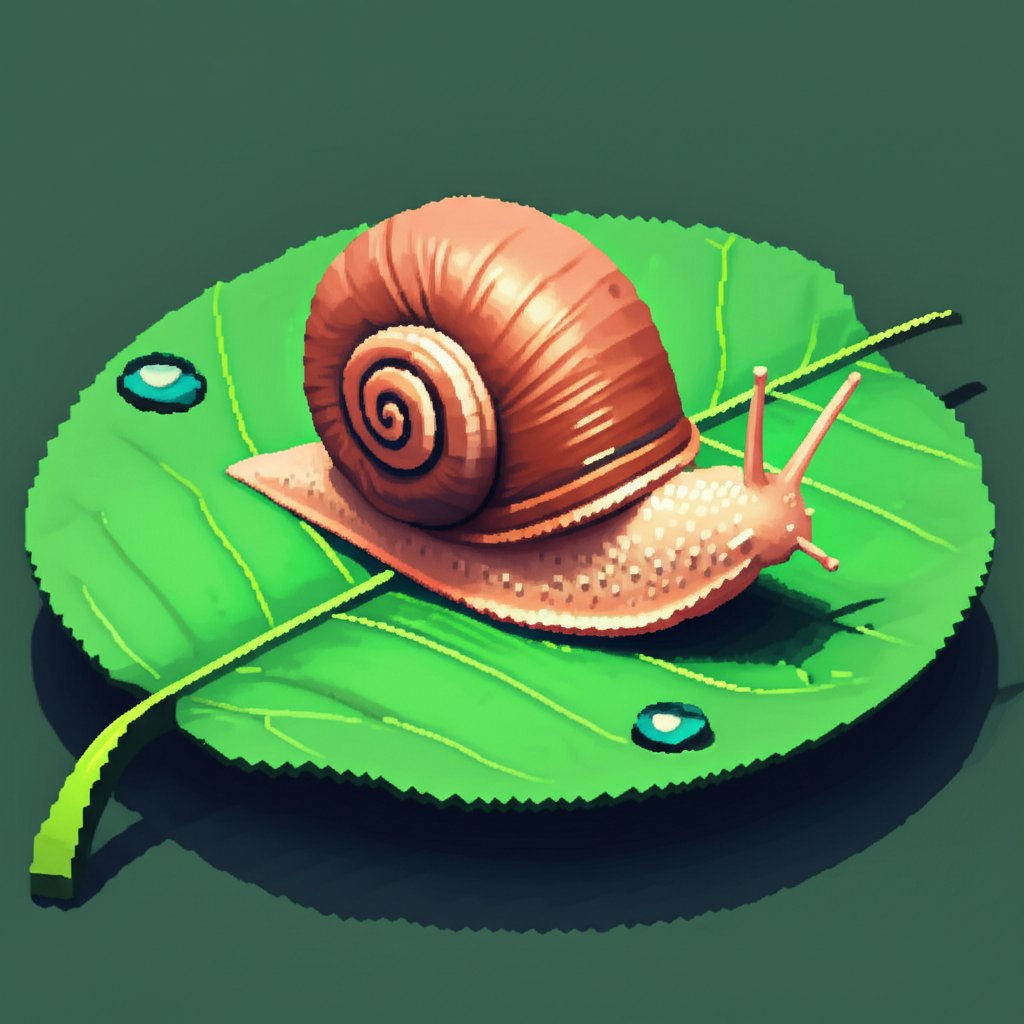
For too long, garden snails have been unfairly branded as mere pests, their tell-tale slime trails synonymous with plant destruction. However, a deeper look into the intricate world of these humble mollusks reveals a captivating truth: garden snails are unsung heroes, playing a vital and often overlooked role in fostering vibrant, healthy garden ecosystems. Far from being purely detrimental, these shelled creatures contribute significantly to soil health, nutrient cycling, biodiversity, and even natural pest control.
This comprehensive guide will challenge common misconceptions, unveiling the myriad benefits of garden snails and demonstrating how they are integral to the balance and resilience of your green spaces. Prepare to transform your perspective and discover how embracing a more nuanced understanding of these fascinating creatures can unlock a world of ecological advantages in your own backyard.
Understanding Garden Snails: More Than Just Pests
Before we delve into their extensive contributions, it’s crucial to understand what garden snails are and why their presence often stirs mixed feelings among gardeners. These terrestrial gastropod mollusks are characterized by their distinctive spiral shells, which they carry on their backs as a protective home. While some species are indeed notorious for feasting on tender plant shoots, reducing them to skeletal remains, many others lead a quieter existence, contributing positively to the garden environment.
The key to appreciating garden snail benefits lies in recognizing their diverse roles within the natural world. Instead of a blanket condemnation, we should view them as an intrinsic component of a healthy garden ecosystem, where every organism, no matter how small, plays a part in the grand design. Their very presence can often signal specific conditions within your garden, offering valuable insights into its overall health.
Just like the plants they sometimes nibble on, garden snails contribute to a healthier ecosystem, echoing the numerous ways that plants bring benefits to our lives as well.
The Hidden Value: Unlocking the Benefits of Garden Snails
The notion that garden snails are exclusively problematic is a widespread misconception that overlooks their critical ecological functions. By embracing a more holistic view, we can appreciate the profound benefits of garden snails that support the very foundations of a thriving garden.
Nature’s Decomposers: Fueling Nutrient Cycling and Soil Enrichment
One of the most significant garden snail benefits is their role as efficient decomposers. Just like earthworms, fungi, and bacteria, snails are integral to breaking down organic matter, which is essential for healthy soil.
- Breaking Down Organic Debris: Garden snails primarily feed on decaying plant material, fallen leaves, dead flowers, and other organic detritus. As they consume this material, they break it down into smaller particles, accelerating the decomposition process. This prevents the accumulation of waste and tidies up the garden floor.
- Facilitating Nutrient Release: By consuming and digesting dead plant matter, snails process complex organic compounds. Their waste, or ‘frass,’ is rich in nitrogen, phosphorus, and other essential micronutrients, which are then returned to the soil in a readily available form for plants. This natural fertilization process significantly contributes to soil enrichment, improving its structure and fertility.
- Enhancing Soil Structure: The movement of snails across the soil surface and their burrowing activities (albeit limited compared to earthworms) contribute to aerating the topsoil. This helps improve water infiltration and root penetration, fostering a more robust growing environment for plants within the garden ecosystem.
Ultimately, this continuous cycle of consumption and excretion ensures a constant supply of nutrients, reducing the need for synthetic fertilizers and fostering a more self-sufficient garden ecosystem. This makes them crucial players in maintaining long-term soil health.
Sentinels of Soil Health: Indicators of a Thriving Garden Ecosystem
The presence of a diverse and balanced population of garden snails can be a strong indicator of a healthy and biodiverse garden ecosystem. They provide insights into the environmental conditions they inhabit.
- Moisture Levels: Snails require a certain level of moisture to thrive, as their soft bodies are susceptible to dehydration. Their presence suggests adequate hydration in the soil and undergrowth, indicating a favorable microclimate for many other beneficial organisms.
- Organic Matter Abundance: As decomposers, snails are drawn to environments rich in decaying organic matter. Their consistent presence often signals a good supply of compost and humus, which are vital for fertile soil and healthy plant growth.
- Balanced Food Web: A healthy snail population can indicate a balanced food web, where snails serve as a food source for a variety of predators. This balance prevents any single species from dominating and ensures a resilient garden ecosystem.
Conversely, a complete absence of snails might suggest dry conditions, a lack of organic matter, or the overuse of pesticides, all of which can negatively impact the overall health of your garden. Monitoring your garden snails can thus be a simple, natural way to gauge your garden’s ecological well-being.
Boosting Biodiversity: Supporting the Garden’s Food Web
Beyond their direct impact on soil, garden snail benefits extend to supporting the broader food web, enhancing biodiversity, and providing a crucial link in the chain of life.
- Food Source for Predators: Snails, both alive and their eggs, are a vital food source for a wide array of garden inhabitants. Birds (thrushes, blackbirds, ducks), small mammals (shrews, hedgehogs, raccoons), amphibians (frogs, toads), reptiles (slow worms, garter snakes), and even various insects (ground beetles, firefly larvae) rely on snails as part of their diet. This predation helps regulate snail populations naturally, preventing any single species from becoming overwhelming.
- Decollate Snails: Natural Pest Control: A particularly interesting example of snail benefits comes from the Rumina decollata, or decollate snail. Unlike common garden snails that primarily graze on plants, decollate snails are predatory, actively hunting and consuming other snails and slugs, including the more destructive common brown garden snail. Introducing or encouraging decollate snails can be a highly effective, natural, and organic form of pest control, reducing damage to your prized plants without resorting to chemical solutions. This demonstrates how a diverse snail population can even manage its own community dynamics within the garden ecosystem.
By supporting a healthy snail population, you are indirectly supporting the health and survival of numerous other species, fostering a richer, more dynamic, and resilient garden ecosystem.
Unexpected Allies: Aiding in Plant Health and Beyond
While their primary role is decomposition, garden snails offer subtle yet significant contributions to plant health and ecological processes that are often overlooked.
Natural Weed Control (Selective Grazing)
In specific contexts, certain garden snails can even contribute to natural weed control. While generally broad consumers, snails, especially when young or when preferred food sources are scarce, may graze on the seedlings of some weeds. This selective consumption, though not a primary method of weed eradication, contributes to the natural regulation of plant populations. In a balanced garden ecosystem, this grazing helps prevent any single plant species, including opportunistic weeds, from completely dominating. This is a subtle yet real garden snail benefit in managing the undergrowth.
Unsung Pollinators and Spore Dispersers
Although insects and wind are the primary vectors for pollination, research indicates that garden snails can also play a minor role in both pollination and spore dispersal.
- Pollen Transfer: As snails move across the surfaces of flowers, pollen grains can adhere to their mucus-covered bodies. When they subsequently move to another flower of the same species, they can inadvertently transfer pollen, facilitating reproduction. While less efficient than insects, this contribution, especially for certain ground-level plants, adds to the overall reproductive success and genetic diversity within the garden ecosystem.
- Spore Dispersal: For non-flowering plants like ferns and bryophytes, which reproduce via spores, snails can assist in their dispersal. By carrying spores on their bodies, they help these plants colonize new areas, contributing to the growth and proliferation of these important foundational species in many garden ecosystems.
These lesser-known snail benefits underscore their multifaceted involvement in the biological processes that define a healthy garden.
Cultivating Harmony: Managing Garden Snail Populations for a Balanced Ecosystem
While the benefits of garden snails are clear, it’s also true that an unchecked population of certain species can cause significant damage to young plants, seedlings, and tender foliage. The goal is not eradication, but rather to achieve a healthy balance, creating a garden ecosystem where snails can contribute their positive roles without overwhelming your cultivated plants.
Differentiating Snail Species: Friends and Foes (or just… hungry ones)
Not all shelled gastropods are created equal in the garden. Understanding the difference is key to effective and sustainable management.
- Common Brown Garden Snails (e.g., Cornu aspersum): These are the most frequent culprits for plant damage. They are generalist herbivores and will happily munch on a wide variety of plants, especially when young and tender. Their presence often requires management.
- Decollate Snails (Rumina decollata): As mentioned, these are beneficial predators. They have a distinctive conical, elongated shell with a blunted apex (hence “decollate,” meaning “beheaded”). They are smaller and move faster than common garden snails and should be encouraged, not removed.
- Slugs: While not snails (they lack an external shell), slugs are often grouped with snails due to similar feeding habits and habitat preferences. They are also significant plant grazers and require similar management strategies to common garden snails.
Learning to identify the types of snails in your garden will help you make informed decisions about whether to encourage, tolerate, or manage their numbers.
Creating a Balanced Habitat: Attracting the Right Companions
To leverage the benefits of garden snails while minimizing damage, focus on creating a diverse and resilient garden ecosystem that supports natural regulation.
- Encourage Natural Predators:
- Birds: Install bird baths and feeders (away from garden beds to avoid encouraging digging), and plant berry-producing shrubs to attract thrushes, blackbirds, and robins.
- Amphibians: Create small ponds or boggy areas to attract frogs and toads, which are voracious snail eaters. Provide moist, shady hiding spots.
- Insects: Encourage ground beetles by leaving undisturbed leaf litter and mulch. Ladybugs and lacewings, while generally aphid predators, contribute to overall insect diversity.
- Small Mammals: Consider creating safe havens for hedgehogs (in regions where they are native) with log piles and undisturbed areas.
- Provide Snail-Friendly Spaces (Selectively): If you wish to attract snails for their decomposition benefits, provide hiding places away from your most vulnerable plants. Rocks, logs, dense groundcover, and leaf litter in less-trafficked areas can create cozy homes, encouraging them to stay in designated spots.
- Maintain Garden Hygiene: Regularly remove excessive weeds, fallen leaves, and debris from around vulnerable plants. This reduces the number of hiding places and food sources for pest snails. A tidy garden makes it less attractive for large congregations of unwelcome grazers.
Sustainable Strategies for Snail Management (When Necessary)
When garden snails become overabundant and threaten your plants, responsible, eco-friendly management is key.
- Hand-Picking: The simplest and most effective method. Go out in the early morning or evening, or after rain, and manually remove snails. You can relocate them to a wilder, less cultivated area of your garden where their decomposition skills are still valuable, or dispose of them humanely.
- Barriers: Copper tape around raised beds or pots creates a mild electrical charge that snails don’t like. Crushed eggshells or diatomaceous earth can act as abrasive deterrents, though their effectiveness diminishes when wet.
- Companion Planting: Certain plants are known to deter snails and slugs. Examples include strong-smelling herbs like rosemary, thyme, lavender, and mint. Planting these around vulnerable vegetables can offer some protection.
- Decoy Plants: Plant sacrificial crops that snails prefer, such as marigolds, nasturtiums, or specific hostas, away from your prized plants. This can divert their attention.
- Beer Traps: Shallow dishes filled with beer (or a yeast/sugar/water solution) buried flush with the soil surface will attract and drown snails. Remember to empty and refill them regularly.
- Watering Practices: Water your garden in the morning rather than the evening. This allows the soil surface to dry out by nightfall, making it less hospitable for nocturnal snails.
- Avoid Chemical Pesticides: Chemical slug and snail pellets can be harmful to pets, wildlife (birds, hedgehogs that eat the poisoned snails), and beneficial insects. Opt for organic, iron phosphate-based pellets if absolutely necessary, as they are safer for other wildlife.
By implementing a combination of these strategies, you can maintain a balanced and thriving garden ecosystem that harnesses the benefits of garden snails while protecting your cherished plants.
Addressing Concerns: Are Garden Snails Harmful?
It’s natural for gardeners to be concerned about potential drawbacks, especially given the common perception of garden snails as pests. While some cautions are warranted, a balanced perspective reveals that most risks are manageable.
Risk to Plants: Understanding Grazing Habits
The primary and most valid concern about garden snails is their potential to damage plants. As herbivores, they feed on leaves, flowers, and even fruit, often leaving irregular holes, chewed edges, and slimy trails. Seedlings and young plants are particularly vulnerable, as a small group of snails can quickly decimate them. This is why careful management, as discussed above, is essential to prevent a single aspect of snail benefits from being overshadowed by widespread damage.
Snails and Pets: A Low-Risk Relationship (with precautions)
A common question revolves around the safety of garden snails for household pets. Generally, garden snails are not directly poisonous to cats or dogs. However, there is a very low, regional risk of pets contracting a parasite called lungworm (e.g., Angiostrongylus vasorum in some parts of the world, like the UK and Australia). This parasite can be carried by snails and slugs and, if ingested by a dog, can cause serious health issues.
- Low Incidence, High Awareness: It’s important to stress that this risk is relatively low and geographically specific. Not all snails carry the parasite, and not all areas are affected.
- Precautionary Measures:
- Supervise Pets: Try to prevent pets, especially young puppies, from eating snails or slugs.
- Clean Up: Remove snails and slugs from areas where pets frequent.
- Water Bowls: Keep outdoor water bowls clean and elevated to prevent snails from contaminating them.
- Vet Consultation: If you live in an area known for lungworm and your pet shows symptoms (coughing, lethargy, bleeding problems), consult your veterinarian immediately.
For humans, the main risk associated with garden snails is the potential for parasites like rat lungworm (Angiostrongylus cantonensis), which is extremely rare and primarily a concern if raw or undercooked infected snails are eaten. This is not a risk from simply handling them or having them in your garden. Standard hygiene practices, such as washing hands thoroughly after gardening and washing produce before consumption, are sufficient to mitigate any minimal risk.
In most typical garden settings, the perceived harm of garden snails to pets and humans is often exaggerated when proper hygiene and common-sense precautions are observed.
The Bigger Picture: Garden Snails and the Health of Garden Ecosystems
Stepping back, it becomes clear that garden snails are far more than just “pests to be eradicated.” They are a dynamic, often beneficial, component of complex garden ecosystems. Their roles as decomposers, nutrient recyclers, food sources, and even subtle weed controllers contribute significantly to the overall health, resilience, and biodiversity of your green space.
Embracing the benefits of garden snails means recognizing that a truly thriving garden is not a sterile environment devoid of all but cultivated plants. Instead, it’s a bustling, interconnected community where every organism, from the majestic oak to the humble snail, plays a part. A garden balanced with a healthy population of garden snails signifies a robust natural system, where life flourishes in rich soil, supported by a diverse web of interactions. By understanding and respecting their contributions, we move towards more sustainable, ecologically sound gardening practices that truly nurture our natural world.
Conclusion
The journey into the world of garden snails reveals a narrative far richer and more beneficial than commonly perceived. From their tireless work as decomposers, enriching our soils and cycling vital nutrients, to their role as indicators of garden ecosystems health and crucial links in the food web, the benefits of garden snails are undeniable. They contribute to biodiversity, aid in natural pest control through species like decollate snails, and even play minor roles in the subtle dance of pollination and spore dispersal.
While the occasional nibbled leaf reminds us of the need for balance, a thoughtful approach to garden management allows us to harness these profound snail benefits without surrendering our beloved plants. By fostering biodiversity, encouraging natural predators, and adopting sustainable strategies, we can cultivate a harmonious garden ecosystem where garden snails are valued contributors rather than maligned intruders. Embrace these shelled allies, and watch as your garden flourishes in newfound ecological balance.
FAQ Section
Q1: Are all garden snails beneficial to my garden?
A1: Not all garden snails are beneficial in the same way, and some common species can cause damage to plants if their populations aren’t managed. Predatory snails like the decollate snail are highly beneficial as they eat other snails and slugs. Common garden snails primarily act as decomposers, but can also graze on plants. The key is balance and understanding the specific species in your garden.
Q2: How do garden snails contribute to soil health?
A2: Garden snails are excellent decomposers. They feed on dead plant material, breaking it down into smaller pieces. Their waste, or frass, returns essential nutrients like nitrogen and phosphorus to the soil in a readily available form for plants, effectively enriching the soil and improving its fertility and structure. This is a core garden snail benefit.
Q3: Can garden snails help control pests in my garden?
A3: Yes, certain species like the decollate snail are natural predators of other common garden snails and slugs, making them a form of biological pest control. More broadly, garden snails serve as a food source for a variety of beneficial wildlife (birds, frogs, beetles), helping to support natural predator populations that keep other pests in check within the garden ecosystem.
Q4: Are garden snails harmful to pets or humans?
A4: Generally, garden snails are not directly harmful. For pets, there’s a very low, regionally specific risk of lungworm if infected snails are ingested, so preventing pets from eating them is a good precaution. For humans, the risk of parasite transmission is extremely low and is usually only associated with consuming raw or undercooked infected snails. Standard gardening hygiene (washing hands and produce) is sufficient for safety.
Q5: What is the difference between a garden snail and a slug?
A5: Both snails and slugs are gastropod mollusks. The primary difference is that garden snails have an external, spiral shell that they can retract into for protection, while slugs do not. Slugs have a soft, elongated body without a visible shell, though some may have a small internal shell remnant. Both share similar feeding habits and roles in garden ecosystems.
Q6: How can I encourage beneficial snails and deter harmful ones?
A6: To encourage beneficial predatory snails and decomposers, create a diverse garden ecosystem with hiding places like logs and rocks, and attract natural predators (birds, frogs). To deter harmful plant-eating snails, use physical barriers, hand-pick them, water in the morning, maintain garden hygiene, and use organic deterrents like companion plants or beer traps. Aim for balance, not complete eradication.
Q7: Do garden snails play a role in pollination?
A7: While insects and wind are the primary pollinators, garden snails can play a minor role. As they move across flowers, pollen can adhere to their bodies and be transferred to other plants. They also help disperse spores for non-flowering plants like ferns and mosses. This is a lesser-known but real snail benefit that contributes to plant reproduction and diversity.










