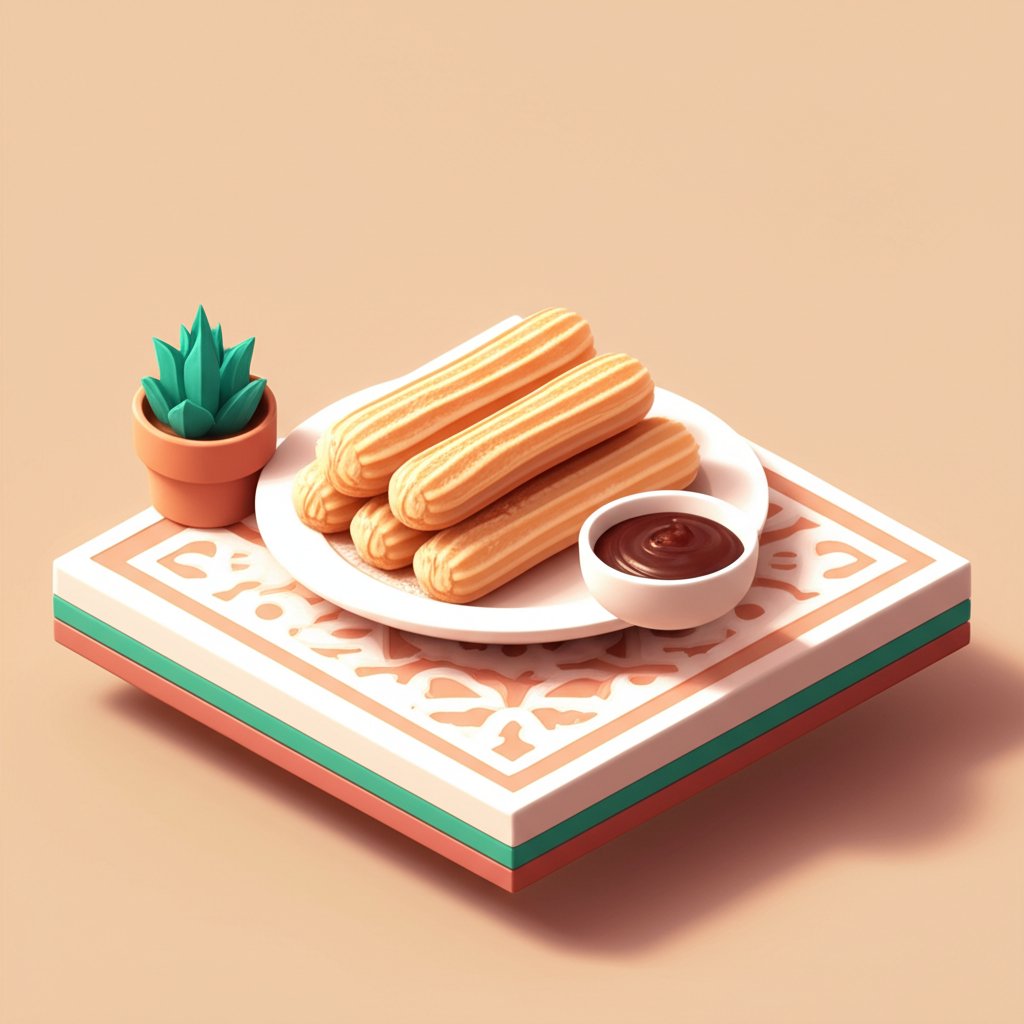
Step into a vibrant world where golden, crispy, cinnamon-sugar wonders tell a captivating tale of ancient origins, culinary artistry, and heartwarming tradition. Welcome to the ultimate guide to Authentic Mexican Churros, a beloved treat that has transcended borders and enchanted palates worldwide. Far more than just a sweet indulgence, churros embody a rich tapestry of facts about churros, intricate history, and profound cultural significance, especially pronounced in Mexico.
In this exhaustive exploration, we will unravel the intriguing journey of these iconic fried dough delights. From their enigmatic and debated beginnings to their celebrated status as a quintessential Mexican doughnut, we’ll delve deep into what makes churros in Mexico uniquely irresistible. We’ll distinguish them from other “Mexican doughnuts,” explore their essential role in daily life and festivities, and uncover the fascinating stories and precise preparations behind every delicious, ridged bite. Prepare to satisfy your curiosity, ignite your cravings, and gain unparalleled insight into the world of Mexican churros.
While the exact origins are debated, exploring the complete churro history reveals a fascinating blend of cultures and culinary innovations that led to the treat we know and love today.
The Deep Roots of Churros: A Global Culinary Odyssey
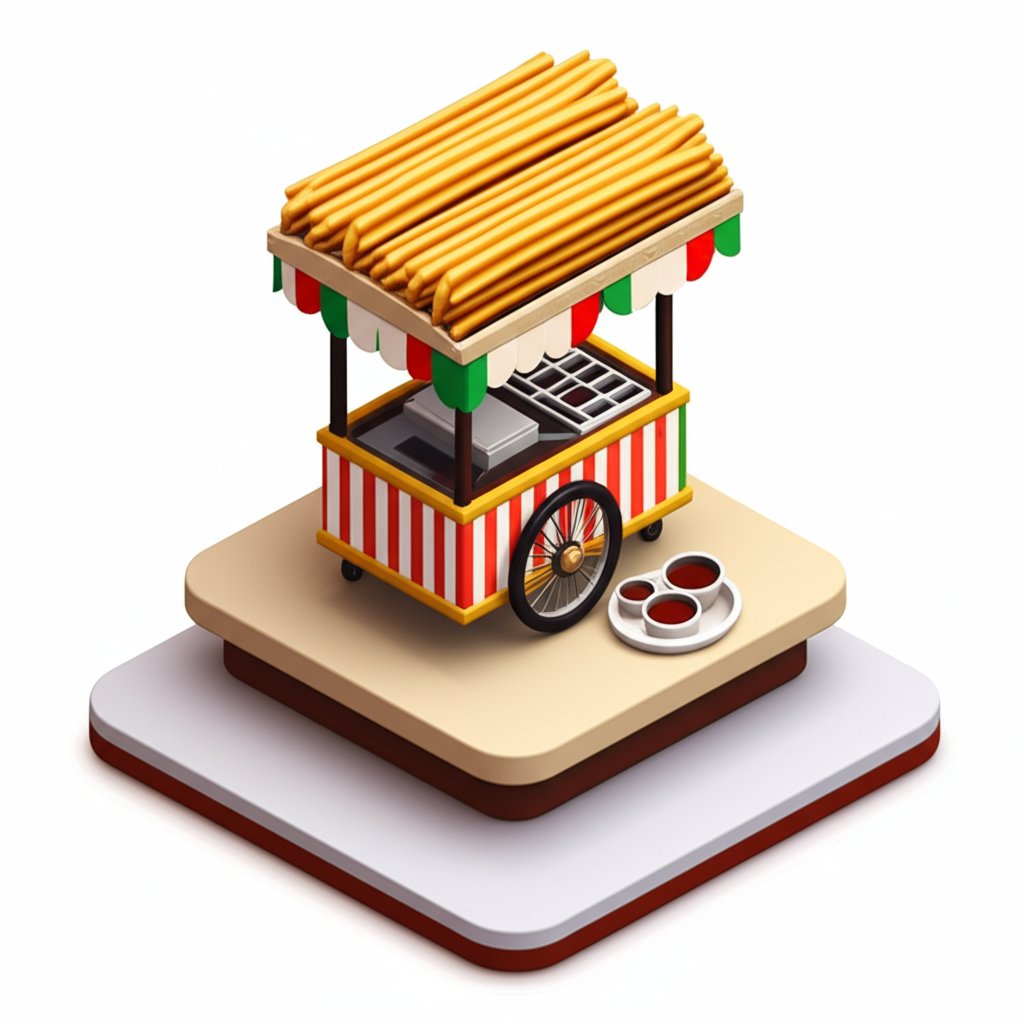
The genesis of the churro is a story as rich and layered as its flavor profile, steeped in theories that traverse continents and centuries. Pinpointing the exact birthplace of this iconic treat is a delightful historical puzzle, but its evolution clearly showcases a remarkable journey across diverse cultures, profoundly shaping what we know today as churros.
Shepherd’s Innovation or Eastern Influence? Tracing Churro Beginnings
One of the most widely cited theories posits that churros were conceived by Spanish shepherds. Living in remote, high mountain regions with limited access to ovens or conventional bakeries, these resourceful herders are believed to have created a simple dough. This dough, easily prepared and fried over an open flame, resulted in a pastry that was crisp on the outside and wonderfully soft within, offering a much-needed, high-energy sustenance. Legend says they named it after the horns of the “Churra” sheep, which they tended, due to its distinctive ridged shape. This rudimentary, yet ingenious, creation laid the groundwork for the modern churro.
However, another compelling narrative traces the churro’s lineage back much further, specifically to China. It is believed that Portuguese navigators, returning from their expeditions in the Far East, brought back the recipe for a similar fried dough pastry known as “YouTiao.” This savory, unsweetened fried bread was then adapted by the Iberian Peninsula, where it underwent a sweet transformation. Sugar was added, and the dough was extruded into its characteristic shape. Regardless of the precise origin, what remains clear is that the basic concept of fried dough has a long and varied history across many cultures, with Spain playing an undeniable, pivotal role in shaping the delightful sweet treat we recognize as the churro.
The Transatlantic Passage: Churros Arrive in the New World
From Spain, these delightful churros embarked on their most significant journey: crossing the vast Atlantic Ocean to Latin America during the 16th century. Spanish conquistadors and settlers, as they established new colonies, introduced their cherished culinary traditions, including this versatile fried dough, to the New World. In countries like Mexico, Argentina, Colombia, and Peru, churros were embraced wholeheartedly, taking root and beginning to evolve, absorbing local flavors, ingredients, and customs.
This transatlantic migration marked a profound turning point, laying the essential groundwork for the diverse array of churros we encounter today. Each region added its unique touch, resulting in distinct preparations and accompaniments. Yet, it was arguably in Mexico where the churro truly blossomed into an art form, adopting a distinctive character and profound cultural significance that unmistakably sets Mexican churros apart from their Spanish ancestors. The fusion of Spanish technique with Mexican culinary flair created something truly special.
The Distinctive Charm of Mexican Churros: Flavor, Form & Function
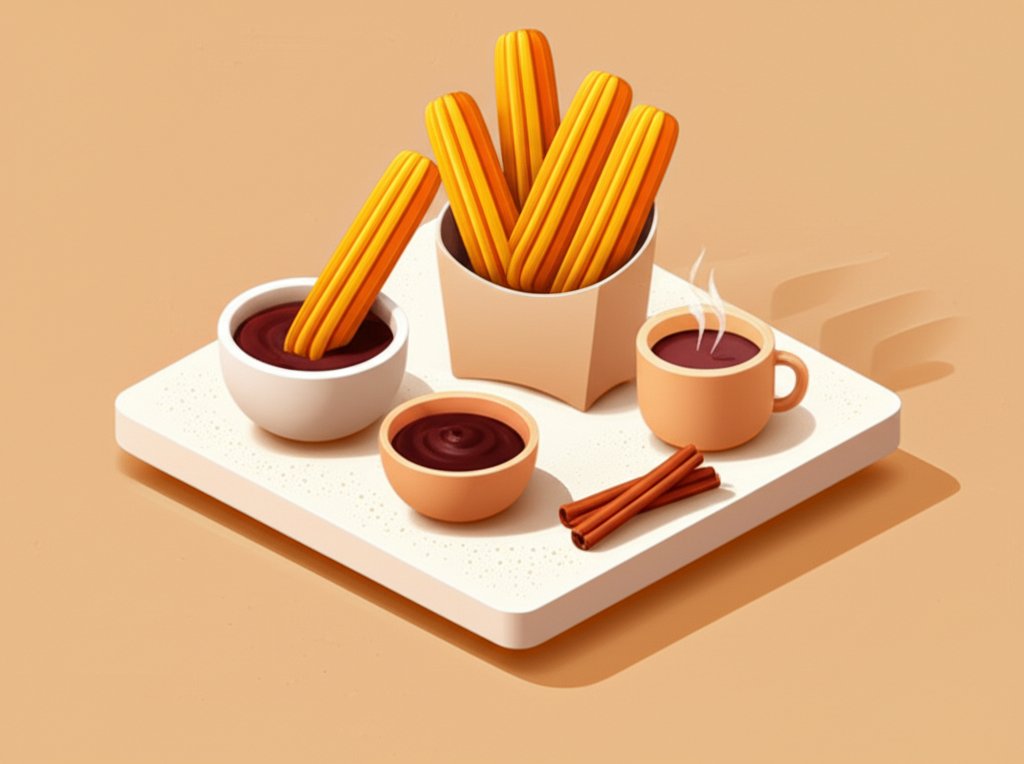
While the core concept of fried dough sticks coated in sugar might seem universal, Mexican churros boast a distinct identity that transforms them into a beloved and unique culinary experience. The magic truly lies in their specific ingredients, meticulous preparation methods, and captivating presentation, making churros in Mexico an unparalleled delight.
The Signature Mexican Flavor Profile: A Cinnamon-Sugar Embrace
The most immediate and defining characteristic of a Mexican churro is its generous, irresistible coating. Unlike their Spanish counterparts, which are often simply dusted with fine sugar, churros in Mexico are invariably rolled in a delightful, aromatic mixture of ground cinnamon and granulated sugar. This sweet-and-spicy crust creates an immediate burst of flavor and a satisfying textural contrast with the warm, airy, and often tender interior. This “cinnamon-sugar embrace” is arguably the single most defining feature that differentiates Mexican churros and contributes significantly to their widespread appeal and iconic status. It elevates the simple fried dough into a multi-sensory experience that tantalizes both the nose and the palate, making it a truly exceptional Mexican doughnut.
Fillings and Forms: A Symphony of Sweetness and Texture
Another hallmark distinguishing the Mexican churro is its remarkable versatility, particularly when it comes to sweet fillings. While traditional Spanish churros are typically hollow and served alongside a dipping sauce, Mexican churros frequently come generously filled with a variety of delectable sweet treats. Popular fillings include:
- Cajeta: A rich, deeply caramelized goat’s milk confection, akin to dulce de leche but possessing a distinct, earthier, and often more complex flavor profile.
- Dulce de Leche: A creamy, luscious caramel made from slow-cooked cow’s milk, offering a familiar decadent sweetness.
- Chocolate: Often a rich, dark, and subtly bitter chocolate sauce that perfectly balances the inherent sweetness of the churro and its coating.
- Guava or Fruit Preserves: Lighter, fruitier options that provide a different kind of sweetness and a refreshing tang.
These indulgent fillings are typically injected into the churro after frying, ensuring an explosion of flavor and a moist center that brilliantly complements the crispy exterior. The churros themselves also vary in size and thickness, from long, slender sticks (known as churros finos) to thicker, more substantial ropes (churros gruesos), and are sometimes even intricately coiled into spirals, showcasing the artistry of churros in Mexico.
The Essential Accompaniments: Perfect Pairings
No discussion of Mexican churros would be complete without highlighting their perfect partners. The quintessential pairing is a steaming mug of thick, rich Mexican hot chocolate. This is far from your average watery cocoa; Mexican hot chocolate is intensely flavored, often traditionally spiced with cinnamon and sometimes a subtle hint of chili, and possesses a velvety, almost pudding-like consistency that makes it utterly ideal for dipping. The sublime contrast of the warm, crispy churro with the decadent, melted chocolate is pure bliss.
Beyond hot chocolate, churros in Mexico are also frequently savored with a cup of strong coffee, or café de olla (a traditional Mexican coffee brewed with cinnamon sticks and piloncillo – unrefined whole cane sugar). Another popular accompaniment is atole (a warm, thick beverage made from corn masa, often flavored with vanilla, cinnamon, or various fruits). These beverages transform the Mexican churro from a simple treat into a comforting, deeply communal experience, solidifying its place in daily rituals.
Churros in Mexico: A Cultural Tapestry
In Mexico, churros transcend the realm of mere dessert; they are a revered cultural institution, intricately woven into the fabric of daily life and special occasions alike. Their ubiquitous presence signifies comfort, celebration, and cherished tradition, making them an indispensable element of Mexican gastronomy.
A Culinary Staple: From Street Carts to Celebrations
You’ll encounter churros in Mexico virtually everywhere. From the bustling energy of street carts, where skilled vendors fry them fresh to order, to elegant churrerías and charming cafes, they are an accessible and universally beloved treat. They are often enjoyed as a quick, energizing breakfast on the go, a delightful mid-day snack, or a cherished late-night supper, particularly after a festive evening out. The intoxicating aroma of freshly fried dough mingling with cinnamon sugar is an inviting scent that permeates Mexican cities and towns, beckoning locals and tourists alike.
During significant festivals, national holidays, and intimate family gatherings, churros take on an even greater significance. They are a staple at ferias (fairs), fiestas (parties), and traditional markets, indispensably contributing to the vibrant, festive atmosphere. Their shared enjoyment brings people together, fostering a profound sense of community, warmth, and shared joy, making them much more than just a sweet snack.
Iconic Churrerías: Temples of Fried Dough and Tradition
Certain establishments have achieved legendary status for their churros in Mexico. Iconic churrerías, often family-run for generations, serve as living museums of this rich culinary tradition. These places are not merely restaurants; they are vibrant social hubs where people gather to savor a piece of history alongside their perfectly fried treats. They specialize in the revered art of churro making, often employing closely guarded secret recipes and traditional techniques passed down through time. Visiting such a place offers an immersive cultural experience, providing a tangible glimpse into the heart of Mexican culinary heritage, brimming with fascinating facts about churros.
Regional Variations and Local Lore
While the fundamental concept of Mexican churros remains consistently beloved, regional nuances and delightful variations assuredly exist across the diverse landscape of Mexico. In some areas, you might discover churros made with slightly different regional flours, fried in specific local oils, or even paired with unique local dips and sauces. For instance, in coastal regions, there might be exciting variations featuring tropical fruit fillings. These subtle differences reflect the incredibly rich culinary diversity of Mexico, where each state and city often boasts its own adaptation of popular dishes, adding another captivating layer to the facts about churros narrative.
Beyond Churros: Differentiating Mexican Fried Dough Delights
The term “Mexican doughnuts” can broadly encompass a delightful variety of fried dough pastries. While churros certainly fit the bill as a prominent Mexican doughnut, it is crucial to understand how they distinctly differ from other beloved Mexican sweets such as donas and buñuelos. Each of these tantalizing treats possesses its own unique character, preparation methods, and cherished cultural significance.
Exploring Donas and Buñuelos: Other Iconic Mexican Doughnuts
Donas: These are the most direct Mexican equivalent to the classic, often ring-shaped American-style doughnut. Donas are typically made from a yeasted dough, which is meticulously proofed (allowed to rise), then expertly cut into rings or filled rounds, and finally deep-fried to golden perfection. They commonly feature a fluffy, airy texture and are traditionally glazed with sugar, chocolate, or generously sprinkled with cinnamon sugar. You’ll find donas in virtually all Mexican bakeries (panaderías) and cafes, frequently enjoyed for breakfast or as a delightful sweet treat. They come in both “cake” and “yeast” styles, much like their global counterparts, offering a range of textures.
Buñuelos: These are arguably among the oldest and most traditional forms of “Mexican doughnuts.” Buñuelos are characteristically thin, incredibly crispy fritters, often made from a simple flour-based batter that is fried until beautifully golden and exquisitely fragile. They manifest in various captivating shapes: some are flat and disc-like, others are intricate rosettes, and some are simple, irregular, yet charmingly rustic shapes. The most common varieties are either coated generously in cinnamon sugar or drenched in a rich, sweet syrup (often made from piloncillo and aromatic cinnamon). Buñuelos are especially popular and deeply symbolic during holiday seasons, particularly Christmas, where families gather to lovingly prepare them, often in large batches, perpetuating a cherished tradition.
Textural and Flavorful Contrasts: A Sweet Distinction
The fundamental distinctions between these beloved “Mexican doughnuts” primarily lie in their preparation methods and the resulting unique textures:
- Churros: Characterized by their distinct ridged shape (achieved by extruding dough through a star-shaped nozzle), a dense yet remarkably tender interior, and a crispy, cinnamon-sugar exterior. They are often filled, adding another layer of complexity.
- Donas: Generally soft, fluffy, and cake-like or airy and chewy (depending on whether they are yeast-based or cake-based), typically round with a characteristic hole or generously filled with creams or jams. Their toppings are usually glazes or simple dustings.
- Buñuelos: Exceptionally thin, extremely crispy, almost shatteringly delicate. They offer a distinct, airy crunch and a lighter, more ethereal feel compared to the dense chewiness of a churro or the yielding softness of a dona.
Understanding these nuanced distinctions helps one appreciate the unique and significant place each of these delicious fried dough treats holds within the vast landscape of Mexican cuisine, with churros standing out for their iconic shape, irresistible cinnamon-sugar coating, and incredibly versatile fillings.
Crafting Authentic Mexican Churros: A Home Baker’s Guide
While savoring churros in Mexico from the skilled hands of an expert churrero is an unparalleled experience, making them at home can be an incredibly rewarding culinary adventure. The quintessential appeal of Mexican churros lies in their fresh, hot state, making home preparation all the more enticing and truly worth the effort.
The Art of Churro Dough: Simple Ingredients, Precise Execution
The foundational element of any truly great churro is its dough. Surprisingly simple, traditional churro dough typically consists of just water, flour, and salt. However, many authentic Mexican churro recipes often thoughtfully incorporate a touch of butter (or oil) and sometimes an egg, which collectively contribute to a richer flavor profile and a slightly more tender, less hollow interior, enhancing the overall experience.
- The Boiling Phase (Pâte à Choux Method): The process commences by bringing water, butter, and salt to a vigorous boil. This hot liquid is then swiftly removed from the heat, and all the flour is vigorously stirred in at once. The mixture quickly comes together to form a thick, stiff dough ball. This initial cooking process, akin to the classic pâte à choux technique, serves to gelatinize the starches in the flour, which is crucial for achieving the churro’s distinct internal texture and structural integrity.
- Cooling and Mixing (If Using Egg): After the initial mixing, the dough needs to cool slightly to a warm (but not hot) temperature. If an egg is incorporated, it is then meticulously beaten into the warm dough, adding significant richness and aiding in emulsion, which results in a smoother, more cohesive dough. The final dough should be perfectly smooth, sufficiently thick, and possess the ideal consistency to be piped, yet firm enough to hold its intricate ridged shape once extruded.
Frying to Golden Perfection: The Crucial Step
The frying process is unequivocally crucial for achieving the churro’s signature crispy exterior and ensuring a perfectly cooked interior. This step demands attention and precision.
- Unwavering Temperature Control: It is paramount to maintain a consistent oil temperature, ideally between 350-375°F (175-190°C). If the oil temperature is too low, the churros will unfortunately absorb too much oil, resulting in a greasy product. Conversely, if the temperature is too high, they will brown too quickly on the outside, leaving the inside raw and unappetizing. A deep-fry thermometer is an invaluable tool here.
- The Essential Star Nozzle: The characteristic ridges of churros are not merely for aesthetics; they are functionally vital. These ridges are flawlessly created by extruding the dough through a sturdy pastry bag fitted with a large star-shaped nozzle (often a closed star tip is preferred). These ridges significantly increase the surface area of the churro, allowing it to cook more evenly, develop an extra-crispy texture, and, crucially, hold more of that utterly delicious cinnamon-sugar coating.
- Mastering the Frying Technique: Carefully pipe lengths of dough (typically 5-7 inches) directly into the hot oil, neatly cutting them with kitchen shears. It is vital to fry in small batches to avoid overcrowding the pan, which can drastically drop the oil temperature and lead to uneven cooking. Turn them occasionally with tongs or a spider until they are uniformly golden brown and exquisitely crisp.
The Cinnamon-Sugar Finish: A Sweet, Irresistible Embrace
Immediately after frying, while still piping hot from the oil, the churros are transferred to a shallow dish containing a generous mixture of granulated sugar and finely ground cinnamon. The residual heat and oil on the churro’s surface are essential, as they allow the cinnamon-sugar mixture to adhere perfectly, creating that irresistible, aromatic crust that unequivocally defines Mexican churros. Do not skimp on this step – it is where a significant portion of the magic happens! Serve them warm, ideally with a mug of rich Mexican hot chocolate or your favorite dipping sauce.
The Enduring Legacy of Churros: Fun Facts and Global Reach
The remarkable journey of churros extends far beyond the borders of Mexico, solidifying their status as a truly global culinary phenomenon. Exploring these broader facts about churros reveals their incredible versatility, widespread appeal, and enduring power to delight palates across diverse cultures.
Global Adaptations and Innovative Interpretations
The universal popularity of churros has inspired countless creative adaptations and innovative interpretations around the world. In the Philippines, for instance, they are sometimes served with tsokolate eh, a rich local hot chocolate. In Cuba, churros are often uniquely filled with sweet guava paste.
Beyond these traditional preparations, churro-inspired desserts and beverages have exploded in popularity, demonstrating the treat’s adaptability:
- Churro Ice Cream Sandwiches: Imagine a luscious scoop of rich ice cream perfectly sandwiched between two crispy churro spirals or discs, creating a textural and temperature marvel.
- Churro Lattes and Milkshakes: Trendy coffee shops and dessert parlors have enthusiastically embraced the churro’s distinctive flavor profile, infusing it into popular drinks with enticing notes of cinnamon, caramel, and a subtle hint of fried dough.
- Churro-flavored Cereals and Snacks: The iconic cinnamon-sugar flavor combination is so beloved that it has been ingeniously replicated in various packaged snacks, cereals, and even confectionery, cementing its status as a universally recognized taste.
These creative and often playful adaptations vividly highlight the universal appeal and inherent versatility of the churro’s core flavors and textures, proving that a Mexican doughnut can inspire culinary innovation globally.
Churros at Festivals and Fairs: A Symbol of Joy
Globally, churros are inextricably linked with celebration and joyous occasions. They are an incredibly beloved treat at carnivals, lively fairs, thrilling amusement parks, and local festivals across continents. Their inherent portability, undeniable deliciousness, and universal appeal make them the perfect snack for enjoying while strolling through bustling event grounds. This festive association only enhances their joyful image and reinforces their role as a treat that consistently brings smiles. The widespread mention of churros at iconic locations like Disneyland, for example, underscores their status as a universally loved indulgence that effortlessly transcends specific cultural boundaries, even if their origins are far removed from a theme park. This is one of the most heartwarming facts about churros.
Fun Churro Trivia: Delving Deeper into the Delight
Here are even more fascinating facts about churros that might surprise and intrigue you, showcasing their rich history and diverse presence:
- The Longest Churro: One record-breaking churro, reportedly created in Spain, measured an astonishing over 1,500 feet long (approximately 457 meters), requiring a custom-engineered frying setup to achieve this feat!
- Churro Varieties Worldwide: Beyond Spain and Mexico, you’ll discover an incredible array of churro styles. In Uruguay, for instance, they might be surprisingly filled with cheese for a savory twist. In certain parts of South America, churros can be more savory in general, while in others, they are almost exclusively filled with creamy dulce de leche.
- Churro for Breakfast: While often perceived as a dessert in some cultures, in many traditional countries, including Spain and, significantly, Mexico, churros are a very common and cherished breakfast item. They are particularly enjoyed when dipped into a steaming cup of coffee or rich hot chocolate, offering a comforting start to the day.
These intriguing tidbits beautifully illustrate the rich global tapestry that churros have woven, skillfully evolving and adapting across cultures while steadfastly retaining their fundamental, irresistible charm and appeal as a beloved fried dough pastry.
Conclusion
From their mysterious origins, potentially spanning the ingenious creations of Spanish shepherds and the ancient fried dough traditions of China, to their undisputed reign as a quintessential Mexican doughnut, churros offer a delightful journey through history and exquisite flavor. We’ve meticulously explored the unique characteristics that define Mexican churros, from their signature, irresistible cinnamon-sugar coating and diverse, indulgent fillings to their cherished place in cultural traditions and vibrant festive celebrations. We’ve also clearly demonstrated how they stand apart from other delectable “Mexican doughnuts” such as donas and buñuelos, with each offering a distinct texture and taste experience.
The myriad facts about churros reveal a treat that is both deceptively simple in its core ingredients and profoundly rich in its cultural impact and widespread global appeal. Whether savored fresh off a bustling Mexican street cart, meticulously prepared in a historic, generations-old churrería, or lovingly attempted with passion in your own kitchen, the churros in Mexico experience is a powerful testament to the ability of food to connect us to history, tradition, and pure, unadulterated bliss. So, the next time you encounter these golden, ridged delights, remember the incredible story each bite tells, and enthusiastically savor the sweet, crispy, and utterly magical essence that is the Authentic Mexican Churro.
FAQ
Q: What is the main difference between Spanish and Mexican churros?
A: The primary difference lies in the coating and popular fillings. Mexican churros are almost always coated generously in a cinnamon-sugar mixture and are frequently filled with cajeta (caramelized goat’s milk), dulce de leche (caramelized cow’s milk), or chocolate. Traditional Spanish churros are typically just dusted with plain sugar, are usually hollow, and are served with a thick chocolate dipping sauce on the side rather than being filled.
Q: Are churros considered “Mexican doughnuts”?
A: Yes, churros are widely considered a type of “Mexican doughnut” due to their fried dough nature and immense popularity throughout Mexico. However, it’s important to note that Mexico also boasts other distinct fried dough pastries like donas (which are similar to traditional glazed doughnuts) and buñuelos (thin, crispy fritters often soaked in syrup).
Q: What are typical fillings for Mexican churros?
A: Popular and authentic fillings for Mexican churros include cajeta (a rich caramelized goat’s milk confection), dulce de leche (a creamy caramelized cow’s milk), rich chocolate, and various fruit preserves such as guava. These delicious fillings are usually injected into the center of the churro after it has been fried to perfection.
Q: When are churros in Mexico usually eaten?
A: Churros in Mexico are enjoyed throughout the entire day. They can be a quick, energizing breakfast, a delightful mid-day snack, or a cherished late-night treat, especially after dinner or a night out. They are also a staple and immensely popular item at festivals, local fairs, and family gatherings, adding to the festive atmosphere.
Q: What is the historical origin of churros?
A: The exact origin of churros is a subject of fascinating debate among food historians. One prominent theory suggests they were invented by ingenious Spanish shepherds who needed an easy-to-make, portable fried dough. Another compelling theory posits that Portuguese traders brought a similar fried dough pastry, “YouTiao,” from China, which was then adapted and sweetened in Spain. Regardless of the precise starting point, they gained significant popularity in Spain before being introduced to Latin America, including Mexico, during the 16th century, leading to churros in Mexico taking on their unique character.
Q: How important is the star nozzle in making churros?
A: The star-shaped nozzle is absolutely crucial for making traditional churros. It creates the distinctive ridges that not only give churros their iconic and appealing appearance but also serve a vital functional purpose. These ridges significantly increase the surface area, allowing the churro to cook more evenly, achieve an extra-crispy exterior, and effectively hold more of that delicious cinnamon-sugar coating that defines Mexican churros.










