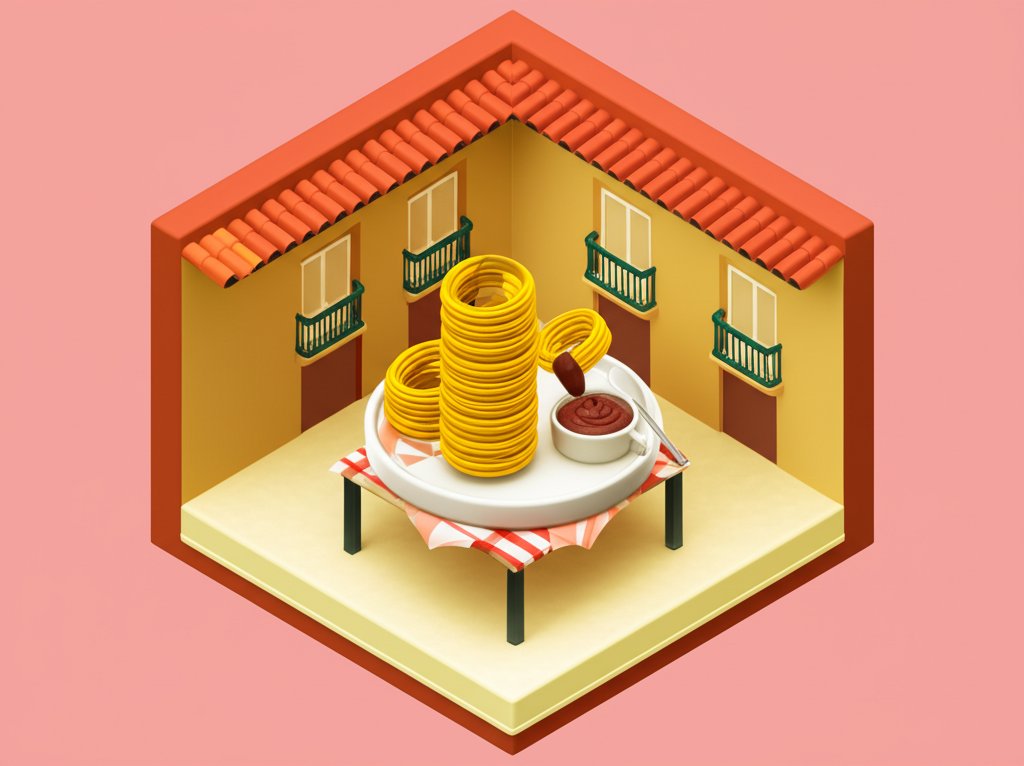
Are you ready to unlock the delicious world of churros? These crispy, golden treasures have charmed palates worldwide, but their journey from humble origins to global icon is packed with fascinating stories and facts about churros you might not know. Beyond their irresistible crunch and signature cinnamon-sugar coating, there’s a treasure trove of history, culture, and surprising tidbits waiting to be discovered. From ancient theories to modern-day innovations, prepare to dive deep into the fascinating legacy of Spain’s beloved sweet treat that continues to captivate millions. Get ready to impress your friends with these amazing churro facts!
The Deep Roots: Unearthing the Origin of Churros
The true beginnings of churros are steeped in legend, making their genesis one of the most interesting facts about churros. While often synonymous with Spain, their origin story weaves through shepherd traditions and even international trade routes.
For a more in-depth exploration of the origins and evolution of this beloved treat, explore the churro recipe history and uncover even more surprising details.
The Shepherd’s Ingenuity: A Mountainous Beginning
The most widely accepted theory attributes the invention of churros to Spanish nomadic shepherds. High in the mountains, far from any conventional bakery or oven, these resourceful individuals needed a practical, resilient food that could be easily cooked over an open fire. They discovered that a simple dough – typically flour, water, and salt – could be fried in a pan of hot oil, yielding a satisfying and energy-rich snack. The distinctive star shape, achieved by extruding the dough through a simple piping tool (or even rudimentary hand-molding), was crucial. This shape allowed the dough to cook thoroughly and evenly without burning, ensuring a delightful crispy texture on the outside and a tender interior. These early churro fun facts highlight their role as a vital, portable meal for a demanding, isolated lifestyle.
The “Churra” Connection: How They Got Their Name
Another delightful detail among churro facts is the popular theory behind their name. Many believe “churro” comes from the Churra sheep, a breed native to the Iberian Peninsula. The horns of these sheep, with their distinctive ridged and sometimes curved appearance, bear a striking resemblance to the traditional shape of the fried pastry. This charming etymological link further solidifies the connection between the churro and the shepherds who are said to have created them, painting a vivid picture of rural Spanish life.
The East Meets West Debate: Chinese Youtiao?
While the shepherd tale is compelling, an alternative theory proposes an intriguing connection to China. It’s suggested that Portuguese traders, renowned for their maritime explorations, brought a similar fried dough pastry called “youtiao” back from the East. Youtiao is a savory, unsweetened fried breadstick, often enjoyed for breakfast. The theory posits that the Spanish then adapted this concept, enhancing it with sugar, refining its shape, and transforming it into the sweet, crisp treat we adore today. This “chicken or the egg” debate adds an international flavor to the churros facts about their origins, though many culinary purists staunchly uphold the pure Spanish shepherd lineage. Regardless of its exact genesis, the churro’s profound impact on Spanish culinary culture is undeniable.
More Than Just Dough: The Anatomy of a Perfect Churro

Delving into how churros are made reveals even more churro facts about the simplicity and artistry behind their creation. It’s a testament to how humble ingredients can lead to extraordinary taste and texture.
Simple Ingredients, Complex Crunch
At its heart, a churro is born from a surprisingly basic dough. The core ingredients are typically just flour, water, and a pinch of salt. Some recipes might incorporate a touch of oil or sugar into the dough for added richness or a hint of sweetness, but the foundational formula remains delightfully modest. This elemental simplicity is a key component of the churro’s enduring appeal, underscoring how expert preparation of staple ingredients can produce profound flavor and a remarkably satisfying texture.
The Star of the Show: Why the Ridges Matter
One of the most recognizable churro facts is their distinctive ridged exterior. This iconic shape isn’t merely for aesthetics; it’s a crucial design element. The dough is extruded through a star-shaped nozzle, often part of a specialized tool called a churrera, directly into the scorching hot oil. These ridges significantly increase the surface area of the churro, allowing it to cook much more evenly and achieve that coveted, incredibly crispy exterior. Meanwhile, the interior remains wonderfully soft and tender. This delightful contrast in textures – crispy outside, fluffy inside – is a defining characteristic of the perfect churro experience.
The Art of the Fry: Golden Perfection
The final, and perhaps most critical, stage in the creation of these delicious pastries is deep-frying. The dough must be fried at precisely the right temperature. The oil needs to be hot enough to ensure quick cooking and the development of a beautiful golden-brown crispness, but not so excessively hot that it burns the exterior while leaving the inside undercooked. Once fried to golden perfection, the churros are typically drained of any excess oil before being generously tossed in a mixture of cinnamon and sugar – or sometimes just sugar – and served immediately while still warm. This meticulous frying process is essential for achieving the signature taste and texture that are among the most appreciated churros facts.
A Global Treat: Churros Across Continents

From the bustling street corners of Madrid to the vibrant markets of Latin America and beyond, churros have journeyed far from their humble beginnings, becoming an internationally recognized delight. Exploring their global journey uncovers even more churro fun facts about their remarkable versatility and universal appeal.
Spain’s Beloved Ritual: Chocolate con Churros
In Spain, churros transcend mere dessert status; they are a deeply cherished daily ritual, especially for breakfast, a mid-afternoon snack, or a late-night indulgence after a lively fiesta. The quintessential Spanish experience involves dipping these crispy pastries into a thick, luxurious cup of hot chocolate. This isn’t just any hot chocolate; “chocolate a la taza” is famously rich and dense, almost pudding-like, designed specifically to cling perfectly to the ridged surface of the churro. Found in churrerías (specialized churro cafes, often family-run for generations) across the country, this combination is a testament to Spanish culinary simplicity and profound indulgence. Many Spanish families gather for this comforting treat, making it a beloved social occasion.
Latin America’s Sweet Embrace: Fillings and Flavors
When churros made their way across the Atlantic to Latin America, they truly flourished, evolving into a diverse array of tantalizing variations. Countries like Mexico, Argentina, Chile, and Brazil embraced them wholeheartedly, often adapting them with their own unique fillings and toppings. In these vibrant regions, you’ll frequently stumble upon churros generously filled with luscious dulce de leche (caramelized milk), rich chocolate, creamy guava paste, or even sweet condensed milk. They might be dusted with powdered sugar, cinnamon, or a combination, and sometimes served alongside fresh fruit. The immense popularity of churros in Latin America rivals that in Spain, solidifying their status as a beloved street food and dessert across the entire continent. These regional variations offer compelling interesting facts about churros for any food enthusiast.
Unique Global Adaptations: From Farturas to Fancy Flavors
The inherent versatility of churros allows for boundless culinary creativity, leading to some truly delightful churro fun facts regarding their global adaptations. While the classic cinnamon-sugar coating and chocolate dip remain timeless, modern churro makers have experimented widely. In Portugal, for instance, you’ll find “farturas,” a close cousin to the churro, often thicker and served plain or with a light sugar dusting. Other creative twists include matcha-infused or chocolate-flavored churro dough. Toppings have expanded to include whipped cream, colorful sprinkles, fruit compotes, and even more adventurous savory options in certain cultures, though sweet varieties unquestionably dominate. In parts of Europe, you might encounter churros paired with coffee-flavored dips or even liqueurs, showcasing the ongoing evolution of this timeless fried delight.
Cultural Cornerstone: Churros in Daily Life and Celebrations
The deep-seated presence of churros in Spanish and Hispanic culture underscores their role far beyond mere sustenance. They are intricately woven into the fabric of celebrations, social gatherings, and everyday moments, providing more compelling churros facts about their cultural impact.
Festival & Feria Favorites: A Taste of Joy
Churros are practically synonymous with Spanish fairs, festivals, and national holidays. During local fiestas, Christmas, New Year’s Eve, or Semana Santa (Holy Week), churrerías become bustling hubs of activity, and street vendors set up vibrant stalls to serve piping hot churros to eager crowds. They are an indispensable staple at ferias (traditional regional festivals) and lively markets, often enjoyed as a communal treat shared among family and friends. This strong association with joyous occasions transforms churros into a powerful symbol of togetherness, celebration, and shared indulgence. The warm, comforting taste frequently evokes cherished memories and often marks very special moments for many.
The Churrería: A Community Heartbeat
A churrería is far more than simply a place to purchase churros; it is a vital social institution, a community heartbeat. These specialized cafes, frequently run by the same family for generations, serve as beloved local hubs where people gather to chat, laugh, and savor their favorite fried dough. The enticing aroma of freshly fried churros permeates the air, an irresistible invitation for passersby to step inside and experience an authentic slice of Spanish life. The ritual of ordering, dipping, and slowly savoring churros with loved ones is a deeply cherished tradition, making the churrería an integral and beloved part of the local social landscape.
New Year’s Eve Tradition: Sweet Beginnings
Among the many facts about churros, their role in New Year’s Eve celebrations in Spain is particularly charming. After ringing in the New Year and consuming the traditional twelve grapes at midnight, many Spaniards head out in the early hours of January 1st to enjoy hot chocolate con churros. This tradition is believed to bring good luck and a sweet start to the new year, embodying hope and comfort as a new chapter begins. It’s a wonderful example of how food can intertwine with cultural beliefs and festivities.
Beyond the Bite: Truly Surprising Churro Facts
Beyond their rich history and cultural significance, churros boast several quirky and impressive aspects that make for truly delightful churro fun facts and showcase their enduring global appeal.
Record-Breaking Rods: The Longest Churro Ever
Did you know that churros have made their way into the record books? In a tremendous testament to human ingenuity and an undeniable love for this fried delight, a churro reportedly stretching over 1,500 feet (approximately 457 meters) was created in Spain. This colossal churro required specialized equipment and a dedicated team of churro makers to produce, showcasing the monumental scale to which this seemingly simple pastry can be elevated. Imagine the sheer amount of chocolate required to dip that! This is certainly one of the most impressive churro facts out there.
The Disneyland Phenomenon: A Churro Empire
Perhaps one of the most surprising churro facts for many international fans is their immense popularity at Disneyland parks worldwide. While not their place of origin, Disneyland has transformed into an unexpected global hotspot for churro consumption. The parks reportedly sell millions of churros annually – with a staggering 2.8 million churros sold at Disneyland Park (California) alone each year being a frequently cited statistic! This widespread phenomenon highlights the churro’s universal appeal and its incredibly successful transition into mainstream comfort food beloved by diverse audiences across different cultures.
Inspiring Innovations: From Lattes to Cereals
The widespread adoration for churros has sparked a wave of creative culinary innovations, extending far beyond the traditional treat itself. Today, you can find a plethora of churro-flavored products, including popular churro-flavored cereals, delightful ice cream sandwiches utilizing churro “buns,” and even churro-spiced cocktails and lattes. These ingenious adaptations demonstrate how the distinct and beloved flavor profile of cinnamon-sugar-fried dough has captured the imagination of chefs, food scientists, and foodies alike, proving the churro’s influence extends far beyond its original, humble form. These modern twists are fascinating interesting facts about churros for the contemporary food scene.
Conclusion: A World of Crispy, Sweet Delight
From their legendary origins as a practical shepherd’s sustenance to their iconic status as a global culinary delight, churros offer a history as rich and satisfying as their taste. These facts about churros reveal a treat deeply embedded in Spanish culture, celebrated worldwide, and continuously inspiring new culinary creations. Whether you’re enjoying them for a comforting breakfast with thick hot chocolate in a bustling churrería in Madrid, indulging in a dulce de leche-filled version in Buenos Aires, or savoring a fun snack at a theme park, the simple, universal joy of a crispy, sweet churro is undeniable. So next time you bite into one of these golden wonders, take a moment to appreciate the fascinating journey and the incredible legacy of Spain’s sweetest secret.
FAQ Section
Q: How did churros originally get their name?
A: The most widely accepted theory suggests that churros were named after the Churra sheep, a breed native to the Iberian Peninsula. The pastry’s ridged and sometimes curved shape resembles the horns of these sheep, linking it to the Spanish shepherds believed to have invented the treat.
Q: Are there different types of churros found in Spain?
A: Yes, absolutely! While the classic churro is typically thin and ridged, Spain also boasts “porras,” which are a thicker, smoother, and often hollower version of churros, fried at a slightly lower temperature for a softer interior. Another regional variation includes “tejeringos,” found in Andalusia, which are a type of dense, ring-shaped churro.
Q: What is the cultural significance of “chocolate con churros” in Spain?
A: “Chocolate con churros” is a deeply ingrained cultural tradition in Spain, particularly enjoyed for breakfast, a mid-afternoon snack, or a late-night treat after celebrations. It symbolizes comfort, community, and indulgence, bringing people together over a shared, delicious experience. The accompanying thick hot chocolate (“chocolate a la taza”) is specifically designed for dipping, not drinking, enhancing the ritual.
Q: Are churros considered a healthy snack?
A: While absolutely delicious, churros are typically deep-fried dough pastries, often coated in sugar and cinnamon, and frequently dipped in rich hot chocolate. Due to their preparation method and ingredients, they are generally considered an indulgent treat rather than a healthy snack. They are best enjoyed in moderation as part of a balanced diet.
Q: Are churros only eaten for breakfast?
A: No, while churros are a very popular breakfast item in Spain and Latin America, they are enjoyed at various times of the day. They are a common treat for an afternoon snack (merienda), a late-night bite after an evening out, and a staple at festivals, fairs, and celebrations throughout the day.
Q: Do churros have any savory variations?
A: While the vast majority of churros are sweet, some cultures and modern chefs have experimented with savory versions. For example, a “churro dog” (a hot dog wrapped in a churro-like dough) has appeared in some places. However, the traditional and most popular form of churro remains sweet, often coated in cinnamon sugar and served with sweet dips or fillings.










