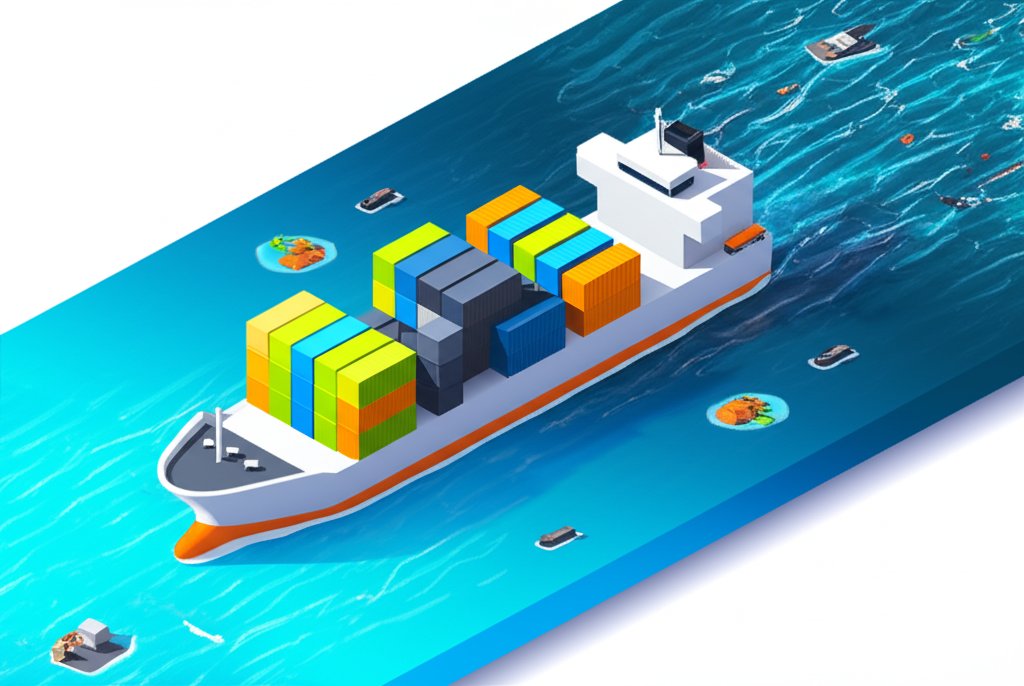
Sea transport, often referred to as maritime transportation or sea freight, forms the backbone of global commerce, silently moving the vast majority of goods that fuel our economies and daily lives. From the raw materials that build our cities to the finished products filling our shelves, countless items embark on journeys across oceans. Understanding the sea transport advantages and disadvantages is crucial for any business or individual engaged in international trade, supply chain management, or simply curious about how the world moves. This comprehensive article will delve into the intricate pros and cons of this vital mode of transportation, highlighting its unparalleled benefits and dissecting its significant drawbacks, including a detailed look at the 5 disadvantages of sea transport.
Understanding Sea Transport: A Global Lifeline
At its core, sea transport involves the movement of goods and people across oceans, seas, and inland waterways using vessels like cargo ships, tankers, and ferries. For centuries, maritime routes have been pivotal in connecting distant lands, facilitating trade, and driving exploration. Today, it remains the most substantial mode of international freight, carrying over 80% of global trade by volume.
What is Sea Transport?
Sea transport encompasses a wide array of shipping methods designed to accommodate virtually any type of cargo. This includes massive container ships that stack thousands of standardized containers, bulk carriers for loose goods like grains, coal, and iron ore, oil tankers for crude and refined petroleum products, and specialized vessels for oversized or hazardous materials. The efficiency of modern sea transport has been revolutionized by innovations like containerization in the 1960s, which standardized cargo handling and dramatically reduced costs and transit times (prior to port congestion issues).
Why is Maritime Transportation Crucial?
Maritime transportation advantages and disadvantages are deeply intertwined with its indispensable role in the global economy. It’s the primary enabler of globalization, allowing countries to specialize in production and exchange goods across continents. Key trade routes, such as those through the Suez Canal connecting the Mediterranean and Indian Oceans, the Panama Canal linking the Atlantic and Pacific, the busy Straits of Malacca, and the English Channel for European trade, are arteries of global commerce. Even emerging routes like the Northwest Passage in the Arctic, made accessible by melting ice, offer new possibilities for shorter transit times. Over 60% of the world’s container traffic is conveyed on the top twenty trade routes, underlining the concentration and importance of these maritime highways.
While sea transport excels in moving massive quantities of goods, it’s important to consider potential drawbacks, much like when you assess the disadvantages of travelling before planning a trip.
The Core Benefits: Advantages of Sea Transport and Sea Freight
When evaluating transportation options, the numerous advantages of sea freight often make it the preferred choice for many businesses. Its capacity, cost-effectiveness, and global reach are unmatched by other modes.
Unbeatable Cost-Efficiency for Large Volumes
One of the most significant sea transport advantages and disadvantages is its superior cost-efficiency, especially for large shipments. Ships boast unparalleled economies of scale, meaning they can carry immense volumes of cargo simultaneously. This translates to a much lower cost per unit transported compared to air or even long-distance road transport. Businesses transporting bulky, heavy, or low-value goods find sea freight particularly appealing as it allows them to minimize logistics expenses, consolidate consignments, and achieve competitive freight rates. This cost advantage is a primary driver for its widespread use in global supply chains.
Exceptional Load Capacity and Versatility
Modern cargo ships are engineering marvels, capable of transporting hundreds of thousands of tons of cargo. This immense load capacity is a key benefit, allowing for the shipment of almost any type of product. The advent of containerization standardized cargo handling, enabling goods to be packed into uniform steel boxes that can be seamlessly transferred between ships, trains, and trucks. Besides containers, specialized vessels handle:
Global Reach and Connectivity
Sea transport offers unparalleled global connectivity, linking continents and countries through a vast network of shipping lanes and port infrastructure. It facilitates international trade on a massive scale, enabling goods to move between virtually any two points on the globe, irrespective of distance. This global reach is essential for businesses looking to access international markets or source materials from diverse locations, effectively integrating them into the global economy. Even landlocked countries can leverage sea transport through efficient intermodal connections to coastal ports.
Enhanced Safety for Specialized Cargo
Despite common perceptions of maritime risks, sea transport is often the safest mode for certain types of specialized or hazardous cargo. Ships are purpose-built to handle dangerous goods, with stringent international regulations (like the International Maritime Dangerous Goods (IMDG) Code) governing their packaging, stowage, and transportation. Specialized vessels, such as chemical tankers or LNG carriers, are designed with advanced safety features to minimize risks of accidents or spills. For goods requiring specific environmental conditions (e.g., temperature-controlled pharmaceuticals or perishables), refrigerated (reefer) containers provide secure and stable transit environments.
Environmental Performance: A Greener Option (Per Ton-Mile)
While the overall environmental impact of shipping is significant (which we will discuss as a disadvantage), it’s important to recognize its relative efficiency. On a “per ton-mile” basis, sea transport generally boasts a lower carbon footprint than air freight due to its ability to move massive quantities of goods with relatively less fuel consumption per unit. The industry is also making substantial efforts towards sustainability, investing in cleaner fuels (e.g., low-sulfur fuels, LNG, methanol), developing more energy-efficient vessel designs, and implementing waste management systems to reduce its environmental impact. By choosing sea transport, businesses can contribute to a more sustainable logistics chain, especially for non-urgent shipments.
Intermodal Synergy and Streamlined Logistics
Modern sea transport integrates seamlessly with other modes of transportation, offering excellent intermodal flexibility. Standardized shipping containers are designed for easy transfer between ships, trains, and trucks, creating a fluid supply chain from factory to final destination. This “door-to-door” capability reduces handling, minimizes the risk of damage, and streamlines logistics operations. Businesses can leverage this synergy to optimize their supply routes, balancing cost-efficiency with delivery timelines by combining sea freight with shorter, faster land or air legs where necessary.
Navigating the Challenges: Disadvantages of Sea Transport
While the advantages of maritime transport are compelling, it’s equally important to understand the disadvantages of sea transport. These drawbacks can significantly impact supply chain planning, delivery schedules, and overall operational costs.
The Top 5 Disadvantages of Sea Transport
To provide a clear and concise overview, here are the 5 disadvantages of sea transport that businesses most commonly encounter:
Extended Transit Times:
The most prominent drawback of sea transport is its inherent slowness compared to air freight. Ships travel at significantly lower speeds than aircraft, meaning journeys often take weeks or even months to complete, especially for intercontinental routes. For example, while air freight might deliver goods in 3-7 days, sea freight typically takes 30-40 days on average. This extended transit time can be a critical issue for time-sensitive, perishable, or high-value goods, impacting inventory management, cash flow, and responsiveness to market demands. Businesses must plan extensively to account for these longer lead times.
Vulnerability to Weather and Natural Events:
Sea transport is highly susceptible to external environmental factors. Severe weather conditions, such as storms, hurricanes, fog, or even seasonal monsoons, can cause significant delays, rerouting, or even necessitate sheltering in port. Beyond delays, extreme weather poses a risk of damage to cargo, the vessel itself, or in rare cases, sinking. Natural disasters like tsunamis or earthquakes can also disrupt port operations and regional shipping lanes. This unpredictability makes precise scheduling challenging and requires buffers in supply chain planning.
Limited Port Accessibility and Infrastructure Dependence:
Unlike land transport, ships are confined to sea routes and require specialized port infrastructure. Not all destinations are directly accessible by sea, especially inland locations or regions without deepwater ports. This necessitates additional onward transportation by road or rail, adding complexity and cost to the final delivery. Furthermore, the sheer size of mega-vessels means they can only call at specific, well-equipped ports, limiting operational flexibility and sometimes exacerbating port congestion in those major hubs.
Risk of Damage, Loss, or Piracy:
Despite advanced security measures, the prolonged exposure to marine environments and handling processes during loading/unloading present risks. Cargo can be damaged by rough seas, improper stowage, mishandling, or accidents. While less common today, theft and piracy remain concerns in certain high-risk maritime zones (e.g., parts of the Gulf of Aden, West Africa). Businesses must invest in robust packaging and comprehensive marine insurance to mitigate financial losses from such incidents. The longer a shipment is in transit, the higher the cumulative probability of an incident.
High Upfront Investment and Operational Costs (Infrastructure and Vessels):
While cost-efficient per unit, the overall initial investment required for sea transport infrastructure is staggering. Building and maintaining modern ports, terminals, canals (like the Suez and Panama Canals), and fleets of large vessels demands substantial capital. For shipping companies, acquiring and operating vessels involves significant expenses for construction, maintenance, fuel (bunker oil), crew wages, and adherence to increasingly strict international regulations. These high fixed and operational costs are eventually factored into freight rates, albeit spread across vast cargo volumes.
Other Drawbacks of Maritime Transportation
Beyond the top five, other significant disadvantages of sea freight contribute to its complexity:
- Customs Complexity and Bureaucracy: International sea transport involves navigating complex customs procedures, tariffs, duties, and extensive documentation requirements (e.g., bills of lading, manifests, certificates of origin). Variations in regulations between countries can lead to delays, fines, and administrative burdens, requiring expertise in international trade law and logistics.
- Environmental Impact (Localized & Specific): While performing better on a per-ton-mile basis, the concentrated environmental impact of shipping is a serious concern. Ships burn large quantities of fossil fuels, releasing greenhouse gases and harmful pollutants like sulfur oxides (SOx), nitrogen oxides (NOx), and particulate matter, especially near coastal areas and ports. Ballast water discharge can introduce invasive aquatic species to new ecosystems, disrupting local biodiversity. Additionally, the risk of oil spills, waste disposal, and the use of toxic antifouling paints contributes to marine pollution.
- Port Congestion and Delays: Major ports, particularly those serving key trade routes, can experience significant congestion due to high traffic volumes, capacity limitations, labor disputes, or equipment breakdowns. These bottlenecks can lead to prolonged waiting times for vessels, incurring demurrage charges and disrupting downstream supply chain schedules. The ripple effect of such delays can be substantial, impacting delivery promises and inventory levels globally.
Weighing Your Options: When to Choose Sea Freight
Understanding the full spectrum of maritime transportation advantages and disadvantages is essential for making informed logistics decisions. The suitability of sea freight largely depends on the specific characteristics of the cargo, the urgency of delivery, and the overall cost considerations.
Ideal Scenarios for Sea Transport
Sea transport is the optimal choice in several key situations:
Comparing Sea Freight with Air and Land Transport
The decision to use sea freight often comes down to a trade-off between cost, speed, and capacity when compared to other modes:
Sea Freight vs. Air Freight:
- Cost: Sea freight is significantly cheaper, especially for large volumes. Air freight is premium-priced.
- Speed: Air freight is fast (days). Sea freight is slow (weeks to months).
- Cargo Type: Sea freight for bulk, heavy, non-perishable. Air freight for high-value, time-sensitive, perishable goods.
- Environmental Impact: Sea freight generally lower per ton-mile.
- Security: Air freight often perceived as more secure for high-value items due to shorter transit times and tighter controls.
Sea Freight vs. Land Transport (Road & Rail):
- Capacity: Sea freight has vastly superior capacity for long distances. Land transport is limited by truck/train size.
- Distance: Sea freight is ideal for intercontinental or long national coastal routes. Land transport for shorter, intra-continental routes, or the “last mile.”
- Flexibility: Land transport offers greater point-to-point flexibility. Sea freight requires port access.
- Cost: For very long distances or large volumes, sea freight is often cheaper than land.
By carefully evaluating these factors, businesses can choose the most appropriate shipping method to optimize their supply chains, manage costs, and meet customer expectations effectively.
Conclusion
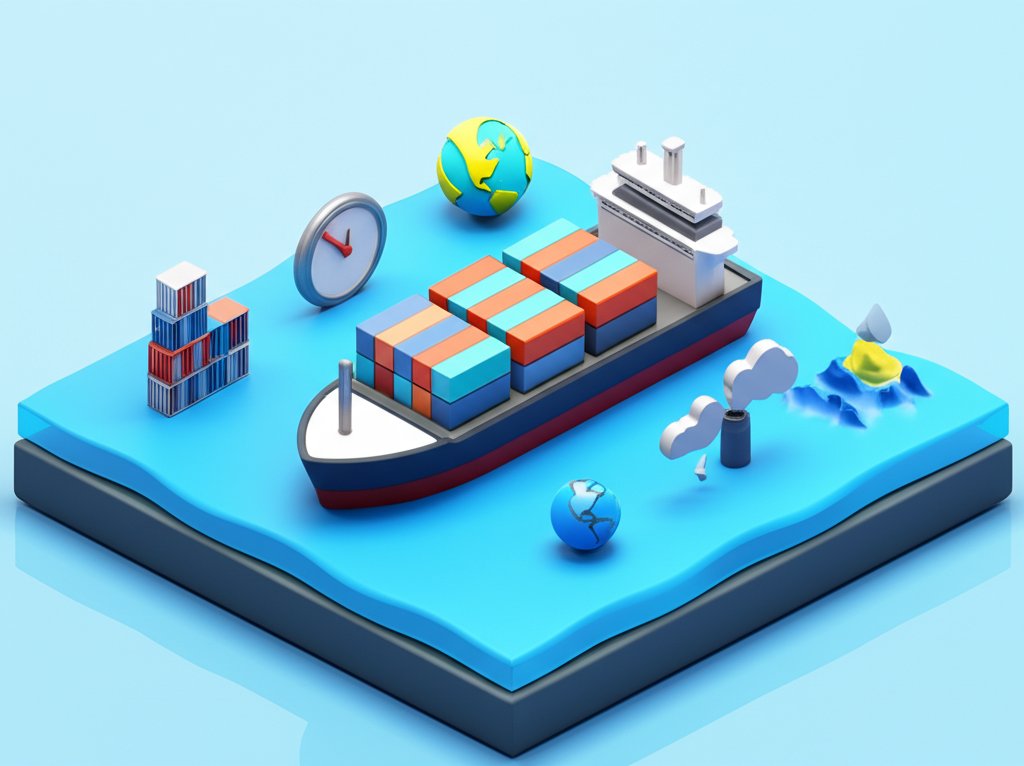
Sea transport stands as an undeniable pillar of global trade, offering unparalleled advantages in cost-efficiency, load capacity, global reach, and the ability to safely transport specialized cargo. Its role in facilitating interconnected economies and enabling the movement of over $4 trillion worth of goods each year cannot be overstated. However, a balanced understanding of the sea transport advantages and disadvantages is paramount for strategic logistics planning.
The disadvantages of sea transport, particularly its extended transit times, vulnerability to environmental factors, dependence on port infrastructure, inherent risks of damage or loss, and high foundational investment, present significant challenges that require careful consideration. By acknowledging these drawbacks and implementing strategies to mitigate them—such as robust packaging, comprehensive insurance, and strategic intermodal integration—businesses can harness the immense power of maritime transportation. Ultimately, the decision to leverage sea freight should be a well-informed one, weighing the unique benefits against the specific challenges to ensure efficient, reliable, and cost-effective global supply chain operations.
FAQ
Q1: What are the main advantages and disadvantages of sea freight?
A1: The main advantages of sea freight include its exceptional cost-efficiency for large volumes of goods, vast load capacity, global reach and connectivity, enhanced safety for specialized cargo, and relatively lower environmental impact per ton-mile. The primary disadvantages of sea freight are extended transit times, vulnerability to weather delays, limited port accessibility, inherent risks of damage or loss, and the significant upfront investment required for infrastructure and vessels.
Q2: Can you list the 5 disadvantages of sea transport?
A2: The 5 disadvantages of sea transport are:
Q3: Is maritime transportation environmentally friendly?
A3: Maritime transportation can be considered more environmentally friendly than air freight on a “per ton-mile” basis due to its ability to move massive cargo volumes with relatively less fuel consumption per unit. The industry is also investing in cleaner fuels and more efficient vessel designs. However, it still contributes significantly to global air pollution (SOx, NOx) and greenhouse gas emissions, and poses risks of oil spills and ballast water contamination, particularly in coastal areas.
Q4: How does sea transport compare to air freight in terms of cost and speed?
A4: Sea transport is significantly more cost-effective than air freight, especially for large, heavy, or bulky shipments, due to economies of scale. However, it is considerably slower, with transit times often measured in weeks or months, compared to days for air freight. Therefore, the choice between them depends on the urgency and value of the goods being shipped.
Q5: What types of goods are best suited for sea transport?
A5: Sea transport is best suited for bulk commodities (e.g., oil, grain, coal), non-perishable manufactured goods, electronics, textiles, and any large, heavy, or oversized items. It is ideal for shipments where cost-efficiency is a higher priority than speed, and for intercontinental trade routes.










