Train travel conjures images of romantic journeys, sweeping landscapes, and a bygone era of elegance. It’s a mode of transportation often celebrated for its unique charm and a slower, more contemplative pace. Yet, beneath the allure of the tracks, lies a complex reality. While many laud the advantages of travelling by train, discerning travelers also confront a significant array of drawbacks. This comprehensive guide will explore the full spectrum of train travel, meticulously detailing the pros and cons of travelling by train, with a particular focus on shedding light on the often-underestimated disadvantages of train travel and the broader disadvantages of train as a primary transport choice. Prepare to uncover the hidden challenges that might just reshape your next travel decision.
The Enduring Charm of Train Travel: Key Advantages
Before we delve into the potential pitfalls, it’s essential to acknowledge the compelling reasons why millions continue to choose the rails. The advantages of train travel are often deeply personal, offering experiences that other modes of transport simply cannot match.
While the spaciousness of trains is a plus, remember to consider all the potential downsides and disadvantages of travelling before making your final travel plans.
Unmatched Comfort and Space
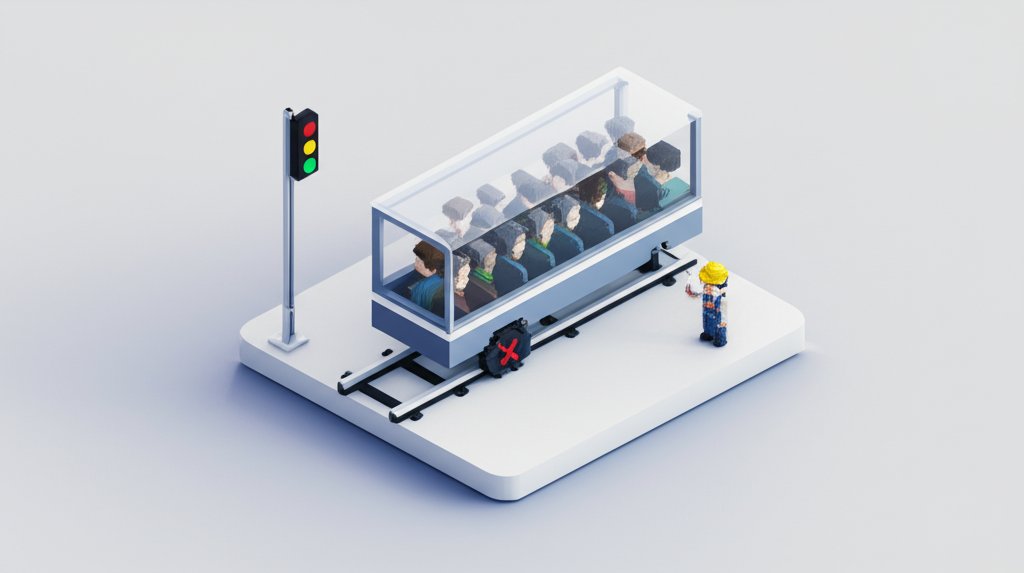
Unlike the cramped confines of an airplane or the limited legroom of a bus, trains typically offer generous seating and the freedom to move around. Passengers can stretch their legs, visit a dining car, or even walk to a different part of the train. This enhanced comfort, especially on longer journeys, significantly reduces travel fatigue. Many trains boast spacious carriages, wider seats, and even dedicated quiet zones or family areas, transforming transit time into a more enjoyable part of the vacation.
Scenic Journeys and Relaxation
One of the most celebrated perks of train travel is the panoramic window onto the world. Trains traverse landscapes often inaccessible by road, offering breathtaking views from the Swiss Alps to the Scottish Highlands. This visual feast, combined with the rhythmic swaying of the carriage, fosters a unique sense of relaxation. Passengers can truly unwind, read a book, journal, or simply gaze out the window without the stress of driving or navigating airport security. It’s an opportunity for quiet contemplation that often feels rare in our fast-paced lives.
Eco-Conscious Exploration
In an era of increasing environmental awareness, train travel stands out as a highly sustainable option. Compared to air travel or individual car journeys, trains generally produce significantly lower carbon emissions per passenger kilometer. Many rail networks are increasingly powered by electricity, further reducing their carbon footprint. Choosing the train allows environmentally conscious travelers to explore the world with a lighter impact on the planet, contributing to reduced air pollution and the conservation of natural resources.
City-Center Convenience and Productivity
Train stations are often strategically located in the heart of cities, offering unparalleled convenience for urban exploration. This eliminates the need for lengthy transfers from out-of-town airports, saving valuable time and money on taxis or shuttle services. Furthermore, with onboard Wi-Fi and power outlets becoming standard, train journeys provide an excellent opportunity for productivity. Business travelers can work uninterrupted, students can study, and leisure travelers can plan their next activities, making efficient use of travel time.
Simplified Boarding and Reduced Stress
The boarding process for trains is typically far more relaxed than air travel. There are usually no lengthy security queues, complex baggage restrictions, or the need to arrive hours before departure. This streamlined experience significantly reduces travel-related stress. Travelers can arrive closer to departure time, easily carry their luggage onboard, and settle into their seats with minimal fuss, making the start and end of their journey much smoother.
The Unseen Hurdles: Deep Dive into Disadvantages of Train Travel
While the allure of the rails is undeniable, understanding the disadvantages of travelling by train is crucial for making informed travel decisions. These drawbacks, from logistical challenges to personal discomforts, can significantly impact the overall travel experience.
Limited Flexibility and Fixed Schedules
Perhaps one of the most significant disadvantages of train travel is its inherent lack of flexibility. Unlike driving a car, where you can spontaneously adjust your route, make impromptu stops, or depart at any time, trains operate on strict, fixed schedules. If a specific departure time doesn’t align with your plans, you often have no choice but to wait for the next service, which could be hours away, or even the next day in some remote areas. This rigidity can be a major drawback for travelers who value spontaneity or need to make last-minute changes to their itinerary.
Extended Journey Times: A Test of Patience
While the scenic views are a plus, the trade-off is often speed. For long-distance journeys, trains can be considerably slower than flying. What might be a two-hour flight could translate into an eight-hour or even overnight train ride. For travelers with limited time or those simply eager to reach their destination quickly, this becomes a substantial disadvantage of train. Even high-speed rail, while a game-changer, still faces limitations when compared to the direct point-to-point speed of air travel over vast distances. The extended duration can lead to fatigue, especially if sleeping conditions are less than ideal.
Cost Considerations: When Trains Get Pricey
While often perceived as an affordable option, the disadvantages of train can include surprisingly high fares, particularly for popular routes, peak season travel, or last-minute bookings. In some regions, especially in Western Europe or Japan, high-speed train tickets can rival or even exceed the cost of budget airline flights, especially if booked far in advance. Add-ons like seat reservations, luggage fees (though generally less restrictive than airlines), or private compartments can push the total cost significantly higher, making it less budget-friendly than anticipated for certain trips.
Privacy and Personal Space Challenges
For those who cherish solitude, the disadvantages of travelling by train can include a distinct lack of privacy. Most train carriages feature open seating plans where you are in close proximity to fellow passengers. This can mean overhearing conversations, dealing with noisy neighbors, or simply feeling a constant awareness of others around you. While some trains offer private cabins, these usually come at a premium, and even then, space can be limited. Overnight journeys, in particular, can be challenging without adequate personal space for comfortable sleep or relaxation.
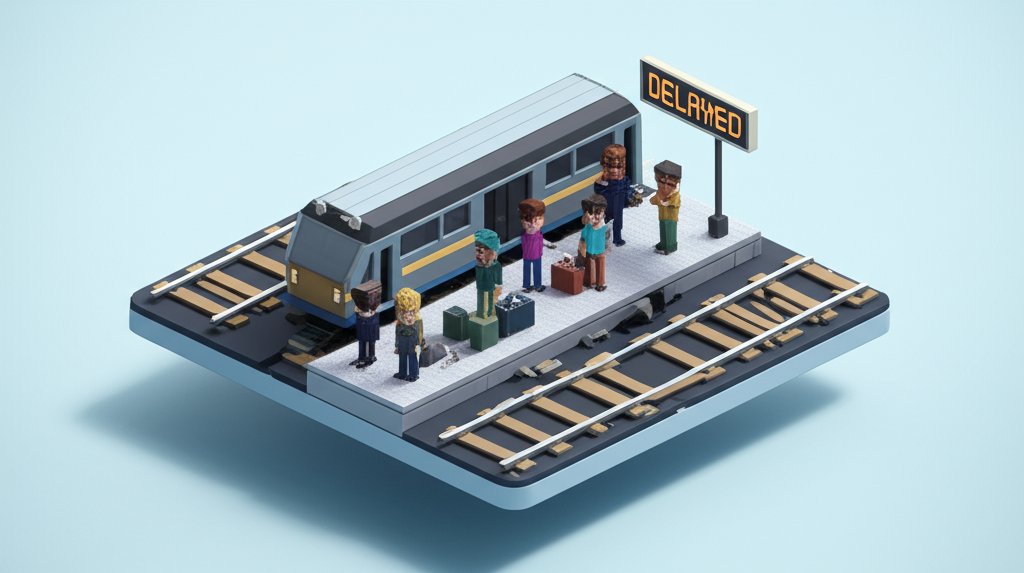
The Specter of Delays and Disruptions
Like any complex transportation system, trains are susceptible to delays and disruptions. Technical issues, signal failures, adverse weather conditions (snow, flooding, extreme heat), track maintenance, or even unforeseen events like fallen trees can bring a journey to a grinding halt. While train operators strive for punctuality, these disruptions can lead to significant inconvenience, missed connections, and increased stress. The potential for unexpected challenges is a notable disadvantage of train travel that requires travelers to build contingency time into their plans.
Connectivity Gaps: Limited Reach to Remote Areas
While excellent for inter-city travel, the disadvantages of train become apparent when venturing off the main lines. Many remote or less-populated regions lack direct railway access, necessitating transfers to buses, taxis, or rental cars. This limited reach means that train travel might not be a door-to-door solution for all destinations, adding layers of complexity and additional travel time and cost to your journey. For exploring pristine natural parks or small, isolated towns, a car often remains the more practical choice.
Overcrowding and Noise: A Less Than Serene Experience
During peak travel times, holidays, or popular commuter hours, trains can become uncomfortably crowded. Finding a seat might be difficult, luggage space can be scarce, and the overall atmosphere can be far from relaxing. The increased number of passengers often leads to higher noise levels, with conversations, phone calls, and children’s chatter filling the carriage, detracting from the peaceful journey many associate with train travel. This potential for a less-than-serene environment is a significant disadvantage of train travel for those seeking a tranquil experience.
Baggage and Security Concerns
While generally more lenient than airports, train travel still presents some baggage challenges. Hauling multiple heavy suitcases onto and off a train, especially when stairs are involved or connections are tight, can be physically demanding. While formal security checks are often minimal or non-existent (a pro in terms of speed), this can also be seen as an inherent vulnerability. There’s an increased risk of petty theft in crowded carriages or at busy stations, making constant vigilance over personal belongings essential. Lost luggage, though less common than on flights, can still occur and be difficult to trace.
Infrastructure Dependence and Vulnerability
From a broader perspective, the disadvantages of train include the massive initial investment and ongoing maintenance required for rail infrastructure. This can impact ticket prices, lead to service disruptions during upgrades, and limits expansion into less economically viable areas. Furthermore, rail networks are fixed and vulnerable. A single incident—be it an accident, a natural disaster impacting tracks, or even a localized protest—can cause widespread delays across an entire system, highlighting a systemic vulnerability not always present in more flexible road-based transportation.
Weighing Your Options: Pros and Cons of Travelling by Train for Different Journeys
Understanding the pros and cons of travelling by train in isolation is useful, but the optimal choice often depends on the specifics of your journey.
Short Hauls vs. Long Hauls
- Short Hauls (under ~4-5 hours): For trips within a region or between nearby cities, trains often shine. The convenience of city-center stations, quick boarding, and comfortable seating make them a superior choice compared to the hassle of short flights or the stress of driving. Here, the disadvantages of travelling by train like journey length and cost are typically minimized.
- Long Hauls (over ~5-6 hours): For cross-country or international journeys spanning many hours, the calculus shifts. While overnight sleeper trains offer a unique experience, the extended journey times, potential for discomfort, and higher costs compared to flying become more pronounced disadvantages of train travel. Air travel often becomes more time and cost-efficient for very long distances, despite its own stresses.
Group Travel vs. Solo Adventures
- Solo Adventures: Train travel can be ideal for solo travelers seeking quiet reflection, social interaction (if desired), and ease of navigation without the need for driving. The pros of travelling by train like relaxation and scenic views are amplified.
- Group Travel: For groups, especially families with young children, the ability to move around and utilize spacious seating is a significant advantage. However, managing multiple pieces of luggage, ensuring everyone stays together, and dealing with potential lack of privacy for group discussions can lean towards the disadvantages of train. A private car or bus might offer more control and cohesion for larger groups.
Budget Travel vs. Luxury Experiences
- Budget Travel: While sometimes affordable, as noted earlier, train travel can be expensive. For true budget travel, buses or even ride-sharing might offer lower fares. The disadvantages of train in terms of cost can make it less competitive for travelers on a shoestring budget, especially without advance planning.
- Luxury Experiences: High-speed rail, first-class compartments, and luxury sleeper trains (e.g., Venice Simplon-Orient-Express) offer unparalleled comfort, service, and dining. For those prioritizing the journey itself as part of the luxury experience, the advantages of train travel are profound, making the cost irrelevant.
Conclusion
Train travel, with its blend of nostalgia and modernity, offers a truly distinctive way to explore the world. Its celebrated advantages of train travel—including comfort, scenic beauty, eco-friendliness, and city-center access—make it a preferred choice for many travelers. However, it is equally important to acknowledge and prepare for the disadvantages of travelling by train. The limitations of fixed schedules, extended journey times, the potential for high costs, issues of privacy and overcrowding, and the ever-present risk of delays collectively represent significant hurdles.
By thoroughly understanding both the pros and cons of travelling by train, particularly the often-understated disadvantages of train travel and the overarching disadvantages of train as a system, you empower yourself to make travel decisions that align perfectly with your priorities and expectations. Whether you seek serene relaxation or swift efficiency, a balanced perspective ensures that your next journey by rail is an informed and ultimately more enjoyable one.
FAQ

Q1: What are the primary disadvantages of travelling by train?
A1: The primary disadvantages of travelling by train include limited flexibility due to fixed schedules, longer journey times compared to flying, potential for high costs, lack of privacy in shared carriages, and the possibility of delays and disruptions caused by technical issues or weather.
Q2: Is train travel generally more expensive than other modes of transportation?
A2: Not always, but it can be. For disadvantages of train travel, cost can be a factor, especially for high-speed routes, peak times, or last-minute bookings, where train fares might rival or exceed budget airline prices. However, for shorter, well-planned trips, it can be competitive or even more affordable than driving (considering fuel, parking) or flying (when factoring in airport transfers).
Q3: How does the lack of flexibility impact travel plans when considering the disadvantages of train?
A3: The disadvantages of train regarding flexibility mean you must adhere to fixed departure times and routes, which limits spontaneity. Unlike driving, you cannot make unscheduled stops or easily change your itinerary if your plans shift. This requires more rigid planning and less adaptability.
Q4: Are delays and disruptions a common disadvantage of train travel?
A4: While train companies strive for punctuality, delays and disruptions are a recognized disadvantage of train travel. They can occur due to various factors like technical malfunctions, signal failures, adverse weather conditions, or track maintenance, leading to inconvenience and potentially missed connections for passengers.
Q5: What are the main pros and cons of travelling by train for a long journey?
A5: For long journeys, the pros of travelling by train include comfort, scenic views, and eco-friendliness. However, the disadvantages of travelling by train become more pronounced: significantly longer journey times compared to flying, higher costs for private compartments, and potential for fatigue from extended periods in a shared space.
Q6: Can train travel be considered sustainable despite its disadvantages?
A6: Yes, despite some practical disadvantages of train travel, it remains a highly sustainable option. Trains generally have much lower carbon emissions per passenger kilometer than cars or airplanes. The environmental benefit is a significant advantage of train travel for eco-conscious individuals, contributing to reduced air pollution.










