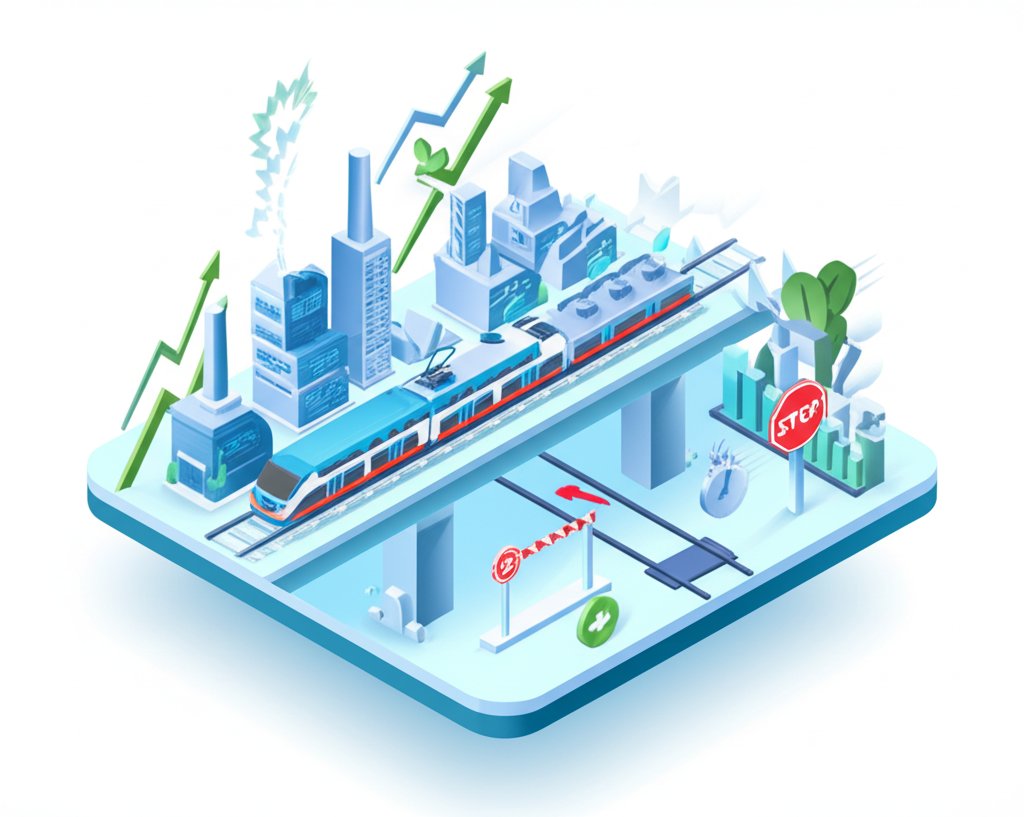
Rail transport, an enduring pillar of global logistics and passenger travel, has shaped economies and societies for centuries. From its pivotal role in the Industrial Revolution to its modern-day function in sustainable supply chains, understanding its intricate dynamics is crucial for businesses, policymakers, and consumers alike. As a mode of transportation, it presents a unique blend of strengths and weaknesses that heavily influence its application.
This comprehensive guide will delve deep into the world of rail transport advantages and the disadvantages of rail transportation, offering a nuanced perspective that goes beyond surface-level observations. We will explore how rail excels in moving vast quantities of goods and people efficiently and sustainably, while also examining the inherent limitations in flexibility, infrastructure demands, and accessibility. By dissecting these multifaceted aspects, we aim to provide an authoritative resource that clarifies the strategic utility and challenges of mastering rail transport in today’s complex global landscape.
While rail excels at long-haul freight, understanding potential drawbacks, such as those related to flexibility and speed, is just as important as understanding the disadvantages of travelling by other modes.
The Unrivaled Strengths of Rail Transport
When evaluating optimal transport solutions, the inherent advantages of rail transportation often position it as a critical component, especially for large-scale operations and specific logistical requirements. Its capabilities often surpass other modes in efficiency, capacity, and environmental impact.
Economic Efficiency and Bulk Capacity: A Core Advantage of Rail Transportation
One of the most compelling advantages of rail transportation is its outstanding economic efficiency, particularly when moving goods over long distances and in significant volumes. This efficiency stems from several key factors:
- Remarkable Carrying Capacity: Trains possess an unparalleled ability to haul massive quantities of goods. A single freight train can carry the equivalent of hundreds of trucks, making it the preferred choice for bulk commodities such as coal, grain, timber, minerals, and even complete manufactured goods like automobiles. This high capacity translates directly into lower per-unit transportation costs.
- Fuel Efficiency: For every ton of freight moved, trains are significantly more fuel-efficient than trucks. While precise figures vary, industry estimates suggest that rail freight can be up to four times more fuel-efficient than road transport. This not only reduces operating costs but also mitigates the impact of fluctuating fuel prices, offering greater budget predictability for shippers.
- Economies of Scale: The ability to move large loads with fewer vehicles and less fuel creates substantial economies of scale. Once the initial infrastructure is in place, the marginal cost of adding more wagons to a train is relatively low, making it exceptionally cost-effective for high-volume corridors. This cost advantage can be as much as 50% cheaper than road transport and even up to 80% cheaper than air transport for certain cargo types.
- Reduced Road Congestion & Infrastructure Strain: By diverting immense volumes of freight from roads to railways, rail transport directly contributes to less road congestion, less wear and tear on highways, and reduced maintenance costs for road infrastructure. This creates a positive ripple effect for the entire transport network.
For businesses dealing with heavy, bulky, or non-perishable goods that need to travel significant distances, the economic benefits of choosing rail are often undeniable, making it a cornerstone of strategic logistics planning.
Environmental Superiority and Sustainability: A Key Advantage of Railway Transport
In an era increasingly focused on climate change and sustainability, the environmental superiority of rail transport stands out as a significant advantage of railway transport. Its green credentials make it a vital player in efforts to decarbonize the transportation sector.
- Lower Carbon Footprint: Per ton-mile, trains produce significantly fewer greenhouse gas emissions compared to road transport. While trucks emit substantial CO2, rail can reduce these emissions by as much as 50% for similar cargo movements. This is due to greater energy efficiency and the potential for electrification.
- Energy Efficiency: As mentioned, trains are inherently more energy-efficient due to low rolling resistance on steel wheels on steel rails. This friction advantage means they require less energy to move a given weight compared to rubber tires on asphalt. Some reports indicate rail cargo uses only about 10% of the energy trucks do for the same freight volume.
- Reduced Air Pollutants: Beyond CO2, trains also emit fewer particulate matter, nitrogen oxides (NOx), and other air pollutants that contribute to smog and respiratory issues, compared to a fleet of trucks handling the same freight.
- Electrification Potential: A major future-proofing advantage of rail transportation is its high potential for electrification. Electric trains, powered by renewable energy sources, can achieve near-zero direct emissions. This transition is already well underway in many parts of the world, positioning rail as a truly sustainable transport solution for the long term.
- Land Use Efficiency: While railways require dedicated land, they utilize it very efficiently. A double-track railway can carry far more freight (or passengers) than a multi-lane highway occupying a similar footprint, making it a more space-efficient mode of transport in many dense corridors.
Embracing rail transport is a tangible step for companies and governments committed to reducing their environmental impact and achieving sustainability goals.
Reliability, Safety, and Schedule Adherence
The predictability and security offered by rail transport are powerful drawing cards. These factors contribute significantly to its overall attractiveness, especially for businesses with tight supply chain schedules.
- Exceptional Reliability: Unlike road transport, which is highly susceptible to traffic congestion, road closures, and adverse weather conditions (fog, heavy rain, snow), trains operate on dedicated tracks. This provides a high degree of immunity from external disruptions, leading to more predictable transit times and superior schedule adherence. This reliability is crucial for just-in-time (JIT) inventory management.
- Superior Safety Record: Historically, rail transport boasts one of the safest records per mile traveled for both freight and passengers.
- Separation from Road Traffic: Dedicated rail lines eliminate conflicts with road vehicles, significantly reducing the risk of collisions.
- Less Vulnerability to Human Error: While human error is a factor in any transport mode, comprehensive training, advanced signaling systems, and automated controls minimize its impact in rail operations. Strict safety protocols are rigorously enforced.
- Controlled Environment: The stable, fixed nature of rail tracks provides a controlled environment, reducing risks of derailments and other accidents.
- Enhanced Cargo Security: For valuable goods, rail transport advantages include heightened security measures. Freight trains typically travel on controlled networks, with limited access points to rail yards and terminals. Modern rail systems employ sophisticated surveillance, tracking technologies, and secure loading/unloading procedures to protect cargo from theft and damage during transit. Tamper-evident seals and GPS monitoring are standard practices.
The combination of consistent schedules, robust safety measures, and cargo security makes rail an invaluable asset for industries where punctuality and the integrity of goods are paramount.
Powering Intermodal Logistics and Supply Chains
In today’s interconnected global economy, no single mode of transport operates in isolation. Rail’s ability to seamlessly integrate with other transport modes, particularly road and sea, is a major advantage of rail transportation in modern supply chains.
- Intermodal Synergy: Intermodal transport, which involves moving goods in standardized containers using multiple modes without re-handling the cargo itself, is where rail truly shines. Large container ships arrive at ports, and their containers are effortlessly transferred onto freight trains for long-haul inland journeys. At their destination rail hubs, these containers are then loaded onto trucks for the final “last-mile” delivery to the customer. This process is often referred to as “drayage” for the short truck leg.
- Efficient Long-Haul Backbone: Rail serves as the efficient backbone for the longest and most economical leg of a journey. It leverages its capacity and cost-effectiveness for the bulk of the distance, leaving the flexibility of road transport for the initial pickup and final delivery. This combination optimizes both speed and cost.
- Standardization with Containers: The widespread adoption of ISO standardized shipping containers has revolutionized intermodal transport, making transfers between ships, trains, and trucks highly efficient. This standardization minimizes handling time, reduces trans-shipment damage, and simplifies logistics planning.
- Global Reach: By integrating with maritime shipping, rail extends its reach to truly global supply chains. Goods from distant continents can be moved efficiently from port to inland destinations across vast landmasses, all facilitated by the intermodal capabilities of rail.
This strategic role in intermodal logistics underscores rail’s critical contribution to a vast array of industries, from consumer goods and electronics to heavy manufacturing and agriculture, enabling complex global trade flows.
Navigating the Hurdles: Disadvantages of Rail Transportation
While rail transport offers compelling benefits, it is not without its limitations. Understanding the disadvantages of rail transportation is crucial for making informed decisions and developing robust logistical strategies.
High Initial Investment and Infrastructure Costs
One of the most significant disadvantages of rail transportation is the enormous capital outlay required to establish and maintain its infrastructure.
- Construction Costs: Building a railway network—including tracks, bridges, tunnels, signaling systems, stations, and maintenance depots—demands substantial financial resources. The cost per kilometer of new railway construction can be astronomical, especially in challenging terrains or densely populated areas.
- Rolling Stock Acquisition: Beyond fixed infrastructure, the purchase of locomotives and rolling stock (wagons, passenger cars) represents another massive investment. These assets are expensive to acquire and have long operational lifespans requiring continuous maintenance.
- Maintenance Expenses: Once built, railway infrastructure requires constant, specialized, and costly maintenance to ensure safety and operational efficiency. Tracks need regular inspection and repair, signaling systems must be updated, and rolling stock undergoes rigorous servicing. These ongoing costs are a significant operational burden.
- Barrier to Entry: The colossal capital investment acts as a significant barrier to entry for new companies, often leading to natural monopolies or government-owned systems. This can limit competition and potentially hinder innovation in service quality or pricing.
- Geographical Constraints: Constructing railways is not always feasible due to mountainous terrain, water bodies, or unstable ground. This limits where networks can be built, requiring creative and often expensive engineering solutions.
These prohibitive costs are why railway development often relies heavily on government funding, subsidies, and long-term strategic planning, making it a complex venture.
Limited Flexibility and Accessibility Challenges
Compared to other modes like road or air transport, rail faces notable disadvantages of rail transportation in terms of flexibility and direct accessibility.
- Fixed Routes and Schedules: Railways operate on predefined tracks and adhere to strict timetables. This rigidity can be a major drawback when sudden shifts in demand, unexpected delays, or emergencies require rapid route changes or expedited services. Unlike a truck that can divert to an alternative road, a train cannot simply change its path.
- Lack of “Door-to-Door” Service: A fundamental limitation is rail’s inability to provide direct “door-to-door” service for most shipments. Goods must first be transported by road (or another mode) to a rail terminal, loaded onto a train, transported to another rail terminal, and then unloaded and transferred back to road transport for the final leg. This necessity for intermodal connections adds complexity, handling costs, and often increases overall transit time.
- Unsuitability for Short Distances and Small Loads: For short-haul transportation or small quantities of goods, the fixed costs, loading/unloading times, and terminal handling associated with rail make it less efficient and more expensive than road transport. Trucks generally offer superior speed and cost-effectiveness for localized deliveries.
- Limited Rural Service: Rail networks are typically concentrated between major industrial centers, ports, and population hubs. Many rural areas, less populated regions, or even certain hilly terrains lack direct rail connections. This forces reliance on other modes for initial or final delivery, further exacerbating the door-to-door challenge.
- Demand Adaptability: Adapting to highly fluctuating or seasonal demand can be challenging for rail operators. While capacity can be increased by adding wagons, this requires enough available rolling stock and track capacity, which isn’t always immediately scalable in response to short-term spikes.
These inherent rigidities mean that rail transport is best suited for scenarios where predictable, large-volume, long-distance movements outweigh the need for highly flexible, on-demand services.
Operational Complexities and Potential Delays
Despite its reputation for reliability, the intricate nature of rail operations can also present significant logistical challenges and potential for delays. These are important disadvantages of rail transportation to consider.
- Coordination Challenges in Intermodal Transfers: While intermodal transport is a strength, the points of transfer (rail yards, ports) are also potential choke points. Coordinating the arrival and departure of trains with trucks, vessels, and warehouse operations requires meticulous planning. Miscommunications or delays in one segment can cascade throughout the entire chain, leading to bottlenecks.
- Terminal Congestion: Major rail terminals, especially those serving large metropolitan areas or ports, can experience congestion. Loading, unloading, shunting, and consolidating wagons take time and space. Insufficient terminal capacity or inefficient operations can lead to significant delays for freight, impacting delivery schedules.
- Maintenance-Related Disruptions: The extensive maintenance required for tracks, bridges, and signaling systems often necessitates temporary track closures or speed restrictions. While essential for safety, these activities can cause unforeseen delays or require diversions, complicating scheduling.
- Booking Formalities and Administrative Overhead: For shippers, dealing with rail freight often involves more complex booking procedures, paperwork, and administrative steps compared to simply booking a truck. This can add time and effort to the logistics process, especially for smaller businesses.
- Single Point of Failure: While rail is generally reliable, a major incident (e.g., a derailment, track damage, or severe weather event) on a critical line can shut down an entire corridor, leading to widespread disruptions and costly delays for all traffic on that route. Unlike roads, there are often fewer alternative routes available.
- Labor-Related Issues: Rail operations are highly labor-intensive, relying on skilled engineers, conductors, dispatchers, and maintenance crews. Labor shortages, strikes, or complex union negotiations can significantly impact service reliability and efficiency.
These operational complexities require robust management systems, advanced technology, and skilled personnel to mitigate potential disruptions and ensure smooth, continuous service.
Noise, Land Use, and Monopoly Concerns
Beyond the direct logistical challenges, rail transport also presents broader societal and economic considerations that can be categorized as disadvantages of rail transportation.
- Noise Pollution: Trains, especially freight trains and those operating in urban areas, can generate considerable noise from engines, horns, coupling wagons, and wheel-on-rail friction. This noise pollution can negatively impact the quality of life for communities situated close to railway lines, leading to complaints and potential regulatory challenges.
- Significant Land Acquisition: Expanding or building new railway lines often requires the acquisition of substantial tracts of land. This can involve eminent domain, displace communities, and impact natural habitats. The process can be politically sensitive, time-consuming, and expensive, leading to public opposition.
- Monopoly or Limited Competition: Due to the massive capital investment and the fixed nature of infrastructure, many rail networks operate as monopolies or duopolies in specific regions or corridors. This limited competition can sometimes result in less pressure for innovation, higher prices, and less responsive customer service compared to more competitive transport sectors.
- Under-Utilized Capacity: While some high-demand corridors experience congestion, other rail lines, particularly in less industrial or remote areas, may suffer from under-utilized capacity. This means that significant infrastructure investment is not being fully leveraged, leading to inefficiencies and higher per-unit costs for the freight that does use these lines.
- Visual Impact: Large railway infrastructure, including tracks, overhead power lines, and sometimes noise barriers, can have a visual impact on landscapes, especially in scenic or historically sensitive areas.
Addressing these concerns requires careful urban planning, advanced engineering solutions (like noise barriers or silent track technology), and prudent regulatory oversight to balance the economic benefits of rail with its potential societal drawbacks.
When to Choose Rail: Strategic Applications and Best Use Cases
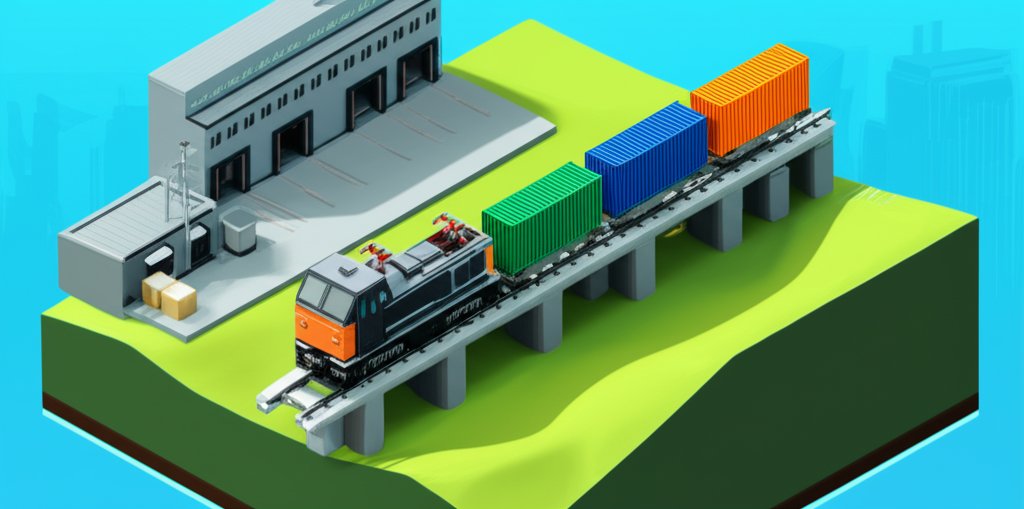
Understanding both the advantages of rail transportation and the disadvantages of rail transportation allows for strategic decision-making in logistics. Rail is not a universal solution but excels in specific scenarios.
Optimal for Bulk Goods and Long Distances
Rail transport is the undisputed champion for moving high volumes of bulk commodities over extended distances. Its efficiency and capacity make it ideally suited for:
- Raw Materials: Industries that rely on the continuous movement of raw materials such as coal, iron ore, crude oil, aggregates, timber, and agricultural products (like grain and fertilizer) find rail to be the most cost-effective and efficient solution. Mines, quarries, and large farms often have direct rail access.
- Heavy and Bulky Manufactured Goods: Automobiles, heavy machinery, industrial equipment, cement, steel coils, and large components are frequently transported by rail. The ability to handle oversized and overweight shipments without the same road weight restrictions makes it invaluable.
- Inter-city and Inter-regional Freight: For moving large quantities of general cargo between major industrial and distribution hubs across countries or even continents, rail offers a compelling balance of cost, speed, and environmental benefits.
For these types of shipments, the initial setup and operational complexities are offset by the dramatic savings and efficiency gains over the entire lifecycle of the transport operation.
Enhancing Green Supply Chains
Businesses committed to environmental stewardship and reducing their carbon footprint are increasingly turning to rail to green their supply chains.
- Reducing Scope 3 Emissions: For many companies, transport and logistics represent a significant portion of their Scope 3 (indirect) greenhouse gas emissions. Shifting freight from road to rail can dramatically reduce these emissions, helping companies meet their sustainability targets and improve their environmental, social, and governance (ESG) ratings.
- Corporate Social Responsibility (CSR): Choosing rail signifies a commitment to more sustainable practices, which can enhance a company’s brand image, appeal to eco-conscious consumers, and attract environmentally minded investors.
- Future-Proofing Logistics: As carbon taxes and environmental regulations become stricter, investing in rail-based logistics can future-proof supply chains against rising costs associated with high-emission transport methods.
Embracing rail is a proactive strategy for companies looking to lead in sustainability and integrate environmentally sound practices throughout their operations.
Synergy with Intermodal Solutions
The modern supply chain leverages rail’s strengths through sophisticated intermodal strategies, making it a cornerstone for global trade.
- Global Container Shipping: Rail plays a critical role in moving international shipping containers from major seaports to inland distribution centers. This port-to-door (or door-to-port) model, using a combination of sea, rail, and road, is the backbone of global commerce for consumer goods, electronics, textiles, and virtually all containerized freight.
- Optimized Supply Chain Design: Logistics planners can design highly optimized supply chains that utilize rail for the efficient long-haul leg, road for flexible local delivery, and even air for urgent, high-value items. This multi-modal approach maximizes efficiency, minimizes costs, and builds resilience into the supply chain.
- Reducing Bottlenecks: By providing a high-capacity alternative to congested highways, rail helps alleviate bottlenecks in key transport corridors, ensuring a smoother flow of goods across national and international borders.
Through its powerful synergy with other modes of transport, rail ensures that goods can move efficiently and cost-effectively from their origin to their final destination, regardless of geographical distance or environmental considerations.
Conclusion
Rail transport, with its long and storied history, remains an indispensable component of global logistics and passenger mobility. Its inherent rail transport advantages are profound, offering unparalleled capacity, superior energy efficiency, a smaller environmental footprint, remarkable reliability, and enhanced safety for both cargo and passengers. These strengths make it the preferred choice for moving bulk commodities, fostering sustainable supply chains, and acting as the efficient backbone of intermodal transport networks across vast distances.
However, a comprehensive understanding also necessitates acknowledging the disadvantages of rail transportation. The immense capital investment in infrastructure, limitations in flexibility and accessibility (the lack of door-to-door service), operational complexities, and potential environmental impacts like noise pollution present genuine challenges.
Ultimately, the decision to leverage rail transport is a strategic one, requiring a careful weighing of its unique pros and cons against specific logistical needs, geographical constraints, and sustainability objectives. As technology advances, infrastructure expands, and global demands shift towards greener solutions, rail transport is poised not only to prevail but to evolve, continuing its vital role in connecting our world efficiently and responsibly.
FAQ Section
Q1: What are the main advantages of rail transportation?
A1: The main advantages of rail transportation include its exceptional capacity for hauling large volumes of goods, superior fuel efficiency and lower environmental impact compared to road transport, high reliability with predictable schedules less affected by weather, enhanced safety and security, and its crucial role in facilitating intermodal logistics.
Q2: What are the key disadvantages of rail transportation?
A2: The key disadvantages of rail transportation include the immense upfront capital investment required for infrastructure (tracks, stations, rolling stock), limited flexibility due to fixed routes and schedules, the lack of direct “door-to-door” service, unsuitability for short distances and small loads, and potential for noise pollution in surrounding communities.
Q3: Is rail transport more environmentally friendly than road transport?
A3: Yes, rail transport is generally considered significantly more environmentally friendly than road transport, especially for freight. Trains emit fewer greenhouse gases and pollutants per ton-mile and are considerably more fuel-efficient. The increasing adoption of electric trains further enhances its environmental superiority. This is a major advantage of railway transport.
Q4: Why is rail transport considered cost-effective for long distances?
A4: Rail transport is cost-effective for long distances due to its high carrying capacity, which allows for substantial economies of scale. Moving large volumes of goods on a single train significantly reduces the per-unit transportation cost. Additionally, its fuel efficiency contributes to lower operational expenses compared to other modes for long-haul journeys.
Q5: Does rail transport offer door-to-door service?
A5: Typically, rail transport does not offer direct door-to-door service. Goods usually require transfer to another mode, such as trucks, at the origin and destination rail terminals for the “first mile” and “last mile” deliveries. This necessity for intermodal connections is often cited as a disadvantage of rail transportation.
Q6: For what types of goods is rail transport most suitable?
A6: Rail transport is most suitable for heavy, bulky, and non-perishable goods that need to be transported over long distances and in large quantities. This includes raw materials like coal, grain, minerals, as well as manufactured goods such as automobiles, heavy machinery, and containerized freight.
Q7: How reliable is railway transport?
A7: Railway transport is generally highly reliable. Because trains operate on dedicated tracks, they are less prone to delays caused by road traffic congestion or adverse weather conditions that significantly impact road transport. This reliable adherence to schedules is a key advantage of rail transport.










