
In a world increasingly defined by global connectivity and rapid commerce, air transport stands as an indispensable pillar of modern logistics and human mobility. From delivering life-saving vaccines across continents to enabling last-minute business deals in distant time zones, its role is unparalleled. Yet, this incredible capability comes with a complex interplay of advantages, disadvantages, operational efficiencies, and a profound environmental footprint. Understanding the nuances of air transport is crucial for businesses, policymakers, and individuals alike.
This comprehensive guide will delve deep into the pros and cons of air transport, dissect its operational air transport efficiency, critically examine the environmental impact of air transport, and explore the vital role of air freight in global supply chains. By dissecting these multifaceted aspects, we aim to provide an authoritative resource that empowers readers to navigate the complexities and make informed decisions in today’s fast-paced world.
The Unparalleled Advantages of Air Transport
When speed, security, and global reach are paramount, air transport emerges as the preferred choice. Its ability to transcend geographical barriers rapidly offers distinct benefits that other modes of transportation simply cannot match.
While air travel offers speed, it’s essential to consider a broader perspective by weighing the disadvantages of travelling, including potential delays and airport security, before making travel plans.
Speed and Global Connectivity: Bridging Distances Rapidly
The most striking advantage of air transport is its sheer speed. Aircraft can traverse vast oceanic expanses and continental distances in a matter of hours, a feat impossible for land or sea transport. This unparalleled velocity drastically cuts down transit times, making it ideal for urgent shipments and time-sensitive travel. For instance, a flight from New York to London takes roughly 7 hours, whereas a sea journey would take several days, and land travel is infeasible.
This speed directly translates into global connectivity. Major international airports act as crucial hubs, linking virtually every corner of the globe. Businesses can access new markets, manage international supply chains with tighter schedules, and respond swiftly to global demands. This interconnectedness fuels international trade, facilitates cultural exchange, and supports rapid humanitarian aid efforts in crisis zones. The ability to connect distant points quickly underpins the very fabric of our globalized economy.
Enhanced Safety and Reliability: A Track Record of Secure Transit
Despite popular misconceptions, air transport is statistically one of the safest modes of transportation. The aviation industry operates under stringent international regulations, rigorous maintenance protocols, and highly trained personnel. Organizations like the International Civil Aviation Organization (ICAO) and national aviation authorities enforce comprehensive safety standards covering aircraft design, manufacturing, air traffic control, and crew training.
This commitment to safety contributes to a high degree of reliability. Flights adhere to strict schedules, enabling businesses to plan supply chains with greater precision and individuals to schedule travel with confidence. While delays can occur due to weather or operational issues, the underlying system is designed for predictability and minimal disruption, often with robust contingency plans in place. Advanced air traffic control systems further enhance safety by meticulously monitoring and guiding aircraft throughout their journey.
Ideal for Time-Sensitive & High-Value Cargo: The Role of Air Freight
Air freight is a game-changer for industries dealing with time-sensitive, perishable, or high-value goods. Consider the logistics of transporting fresh flowers from Ecuador to Europe, critical medical supplies to a remote clinic, or precision components for a just-in-time manufacturing line. In these scenarios, the speed of air transport is not just a convenience but a necessity.
- Perishable Goods: Fresh produce, seafood, and flowers reach consumers globally, maintaining freshness and extending shelf life.
- High-Value Electronics: Smartphones, laptops, and specialized industrial equipment often move via air to minimize transit risk and meet rapid product launch schedules.
- Pharmaceuticals & Medical Supplies: Vaccines, organs for transplant, and urgent medical devices rely on swift, temperature-controlled air freight to ensure efficacy and save lives.
- Automotive Parts: To prevent costly production line stoppages, critical parts are frequently flown in, embodying the ‘just-in-time’ delivery philosophy.
The secure handling, specialized cargo facilities, and expedited customs procedures associated with air freight minimize the risk of damage, theft, or spoilage, making it the invaluable backbone for these critical supply chains.
Accessibility to Remote Regions
For many remote or landlocked regions, air transport provides the only viable link to the outside world. Building roads or railways through challenging terrains like mountains, dense forests, or vast deserts can be prohibitively expensive or geographically impossible. Airfields, even rudimentary ones, can be established where other infrastructure cannot.
This accessibility is critical for:
Air services foster development and improve quality of life in areas that would otherwise remain cut off, underscoring another significant advantage of air transport.
Navigating the Disadvantages and Challenges of Air Transport
While the benefits of air transport are numerous, it also presents significant drawbacks that must be carefully considered, particularly regarding cost, capacity, and vulnerability to external factors. These form the critical pros and cons of air transport equation.
High Operational Costs: Fuel, Maintenance, and Infrastructure
One of the most significant disadvantages of air transport is its high cost. Operating an aircraft is inherently expensive, driven by several factors:
- Fuel Costs: Jet fuel is a major expenditure, and its price volatility directly impacts operational costs. Modern aircraft are more fuel-efficient, but the sheer volume of fuel consumed for long-haul flights remains substantial.
- Maintenance & Overhaul: Aircraft require constant, meticulous maintenance adhering to stringent safety standards. Engines, airframes, and complex systems undergo regular checks and costly overhauls, contributing significantly to operational budgets.
- Capital Investment: Purchasing aircraft, which can cost hundreds of millions of dollars each, requires massive upfront capital.
- Labor Costs: Highly skilled pilots, air traffic controllers, maintenance engineers, and ground staff command competitive salaries.
- Airport Fees and Charges: Airlines incur substantial costs for landing fees, parking, air traffic control services, and security at airports.
- Security Measures: The heightened security requirements for air travel, post-9/11 particularly, add another layer of operational expense.
These combined factors make air freight and passenger air travel considerably more expensive than sea, road, or rail transport for comparable distances. This cost factor often limits its use to high-value, time-critical, or perishable goods in logistics.
Capacity Limitations and Logistics Constraints
Despite the massive size of cargo planes, air transport has inherent capacity limitations compared to other modes.
- Volume and Weight Restrictions: Even the largest cargo aircraft (like the Boeing 747 Freighter or Airbus Beluga) cannot compete with the sheer volume and weight capacity of a single container ship. A container ship can carry thousands of TEUs (Twenty-foot Equivalent Units), whereas an air freighter carries cargo measured in tons, not thousands of tons. This makes air transport unsuitable for bulk commodities or very large machinery.
- Size Constraints: Cargo must fit through aircraft doors and within the fuselage dimensions, restricting the size of individual items that can be transported.
- Airport Infrastructure: Cargo airports require specialized handling equipment, warehouses, and customs facilities, which can be limited in number or capacity in certain regions.
- First and Last Mile: Air transport is only one segment of the supply chain. Goods still need to be transported by road or rail to and from airports, adding time, cost, and potential for additional handling and delays. This “first and last mile” logistics can negate some of the speed advantages if not efficiently managed.
Vulnerability to Disruptions: Weather, Technical, and Geopolitical Factors
Air transport is highly susceptible to various disruptions, which can have cascading effects on global supply chains and travel plans.
- Weather Conditions: Severe weather events such as heavy fog, snowstorms, hurricanes, and volcanic ash clouds can lead to widespread flight delays or cancellations. For example, the 2010 Eyjafjallajökull volcanic eruption in Iceland grounded thousands of flights across Europe, causing immense economic disruption.
- Technical Failures: While rare, mechanical issues with aircraft or failures in air traffic control systems can cause significant delays or grounding of fleets.
- Labor Strikes: Strikes by pilots, air traffic controllers, ground staff, or airport security personnel can paralyze operations.
- Geopolitical Events: Wars, political instability, terrorism threats, or changes in international relations can lead to airspace closures, re-routing, or heightened security measures, all impacting schedules and costs.
- Pandemics and Health Crises: As demonstrated by the COVID-19 pandemic, global health emergencies can trigger widespread travel restrictions, grounded fleets, and significant reductions in passenger and air freight capacity.
These disruptions highlight the fragility of air-dependent supply chains and necessitate robust contingency planning by businesses and airlines.
Air Transport Efficiency: Optimizing Performance and Operations
Air transport efficiency refers to how effectively air travel utilizes resources—primarily fuel, time, and infrastructure—to move passengers and cargo. Significant strides have been made, but continuous innovation is essential to balance speed with sustainability and cost.
Speed-to-Market vs. Energy Consumption
The inherent speed of air transport is often its primary selling point, enabling rapid market access for products and services. However, achieving this speed requires significant energy consumption. The faster an aircraft flies, the greater the aerodynamic drag and, consequently, the higher the fuel burn.
- Trade-offs: Airlines constantly balance the desire for faster routes and flight times with the need to conserve fuel and reduce operating costs. Optimizing flight paths, cruising altitudes, and speeds are critical for maximizing air transport efficiency.
- Perishable vs. Durable: For highly perishable goods, the speed advantage outweighs the higher energy cost. For less time-sensitive items, other modes of transport might be more energy-efficient overall.
The industry continually researches optimized flight profiles and alternative ascent/descent procedures to minimize fuel burn while maintaining schedules.
Load Factors and Fleet Modernization
Two critical factors in improving air transport efficiency are load factors and fleet modernization.
- Load Factors: This refers to the percentage of available seat miles or cargo capacity that is actually utilized. Higher load factors mean more passengers or cargo are carried per flight, spreading the fixed costs (fuel, crew, maintenance) over more units, thus increasing efficiency. Airlines actively use demand forecasting, dynamic pricing, and hub-and-spoke models to maximize load factors.
- Fleet Modernization: Replacing older, less fuel-efficient aircraft with newer models is a cornerstone of improving air transport efficiency. Modern aircraft like the Boeing 787 Dreamliner, Airbus A350, and A320neo family incorporate advanced aerodynamics, lighter composite materials, and more efficient engines. These technological advancements can reduce fuel consumption by 15-25% compared to their predecessors, significantly cutting operating costs and emissions. Airlines invest billions in fleet upgrades to achieve these efficiency gains.
Air Traffic Management (ATM) Innovations
Optimized Air Traffic Management (ATM) systems play a crucial role in enhancing air transport efficiency.
- Direct Routing: Modern ATM allows for more direct flight paths, avoiding unnecessary detours and reducing flight time and fuel consumption. This often involves dynamic route planning based on real-time weather and traffic.
- Reduced Holding Patterns: Traditionally, aircraft would often be put into holding patterns near busy airports. Advanced ATM systems, like Europe’s Single European Sky ATM Research (SESAR) program or the FAA’s NextGen in the US, aim to manage aircraft flow more smoothly, reducing the need for lengthy holdings and saving fuel.
- Continuous Descent Operations (CDO): Instead of step-down descents, CDOs allow aircraft to descend from cruising altitude to landing virtually continuously, requiring less engine thrust and significantly reducing fuel burn and noise pollution during approach.
- Collaborative Decision Making (CDM): Enhanced communication and data sharing among airlines, airports, and air traffic control centers lead to better planning, fewer delays, and more efficient use of airspace.
Fuel Efficiency Initiatives and Biofuels
The drive for greater air transport efficiency is also heavily focused on fuel innovation and operational practices.
- Operational Best Practices: Airlines adopt strategies like single-engine taxiing, optimized climb and descent profiles, and lighter cabin furnishings to reduce fuel consumption.
- Sustainable Aviation Fuels (SAFs): A major long-term strategy for reducing the environmental impact of air transport is the development and adoption of SAFs. Derived from sources like agricultural waste, used cooking oil, algae, and even municipal solid waste, SAFs can reduce lifecycle carbon emissions by up to 80% compared to traditional jet fuel. While currently more expensive and limited in supply, significant investments are being made to scale up SAF production and integrate it into the global infrastructure.
These concerted efforts across technology, operations, and fuel types are vital for the continued growth of air transport while mitigating its environmental footprint.
The Environmental Impact of Air Transport: A Growing Concern
The rapid growth of air transport has brought undeniable benefits, but it also carries a substantial and increasingly scrutinized environmental impact of air transport. Addressing this impact is one of the industry’s most pressing challenges.
Greenhouse Gas Emissions: CO2 and Non-CO2 Effects (Contrails)
Aviation is a significant source of greenhouse gas (GHG) emissions, contributing to climate change.
- Carbon Dioxide (CO2) Emissions: The combustion of jet fuel releases CO2, the primary long-lived GHG. While aviation currently accounts for approximately 2-3% of global human-induced CO2 emissions, this figure is projected to grow substantially with increasing demand for air travel and air freight.
- Non-CO2 Effects (Contrails and Nitrogen Oxides): The environmental impact of air transport extends beyond CO2.
- Contrails: These visible white streaks of ice crystals form behind aircraft at high altitudes. While often short-lived, under specific atmospheric conditions, they can persist and spread, forming “contrail cirrus” clouds. These clouds can trap outgoing longwave radiation from Earth, contributing to a warming effect that can be comparable to, or even greater than, the direct CO2 emissions on specific timescales.
- Nitrogen Oxides (NOx): Emitted from jet engines, NOx can lead to the formation of ozone (a GHG) at cruising altitudes and also contribute to local air quality issues near airports.
- Water Vapor and Soot: Other emissions like water vapor and soot particles also have climate forcing effects, though their overall impact is still an active area of research.
The cumulative effect of these greenhouse gases and non-CO2 factors means that the total climate impact of aviation is often cited as being significantly higher than its direct CO2 emissions alone.
Noise Pollution and Local Air Quality
The environmental impact of air transport is also keenly felt at a local level, particularly around airports.
- Noise Pollution: Aircraft takeoffs and landings generate substantial noise, which can significantly impact communities living near airports. This noise pollution can lead to sleep disturbance, stress, and reduced quality of life, as well as potential health issues such as increased risk of heart disease in chronically exposed populations. Regulations on aircraft noise levels and operational restrictions (e.g., night flight bans) are critical but remain a contentious issue.
- Local Air Quality: Aircraft engines, ground support equipment, and associated road traffic at airports release pollutants such as nitrogen oxides (NOx), sulfur oxides (SOx), carbon monoxide (CO), and particulate matter (PM). These emissions contribute to localized air pollution, which can exacerbate respiratory illnesses (like asthma) and cardiovascular problems in nearby urban areas, posing a direct public health concern.
Land Use and Infrastructure Footprint
The physical infrastructure required for air transport also has a significant environmental impact of air transport.
- Habitat Destruction and Fragmentation: The construction and expansion of airports—including runways, terminals, and ancillary facilities—often require vast tracts of land. This can lead to the destruction of natural habitats, displacement of wildlife, and fragmentation of ecosystems, particularly in areas near wetlands, forests, or coastal zones.
- Urban Sprawl: Airports often act as magnets for further development, fostering the growth of hotels, industrial parks, and expanded road networks in surrounding areas. This urban sprawl contributes to increased local emissions, reduces green spaces, and further disrupts biodiversity.
- Surface Sealing: Extensive paving with concrete and asphalt for runways, taxiways, and parking lots alters natural drainage patterns, contributes to urban heat islands, and reduces the land’s capacity for carbon sequestration.
Industry-Led Sustainability Efforts and Future Solutions
The aviation industry recognizes the urgent need to address the environmental impact of air transport and is pursuing various strategies:
- Technological Advancements: Continued investment in research and development for more fuel-efficient aircraft designs, lighter materials, and advanced engine technology.
- Sustainable Aviation Fuels (SAFs): As mentioned, SAFs are key, with aggressive targets for increasing their adoption. Organizations like IATA advocate for government incentives and policies to accelerate SAF production and infrastructure development.
- Operational Optimizations: Implementing more efficient air traffic management, optimizing flight paths, continuous descent approaches, and reducing ground delays all contribute to lower fuel burn.
- Carbon Offsetting and Reduction Scheme for International Aviation (CORSIA): Developed by ICAO, CORSIA is a global market-based measure designed to offset international aviation’s CO2 emissions, aiming for carbon-neutral growth from 2020 levels.
- Electric and Hydrogen Propulsion: While still nascent, long-term research into electric and hydrogen-powered aircraft offers the potential for zero-emission flight, particularly for regional routes.
These collective efforts underscore the industry’s commitment to mitigating its environmental footprint and ensuring a more sustainable future for air transport.
Economic Significance and the Future of Air Freight
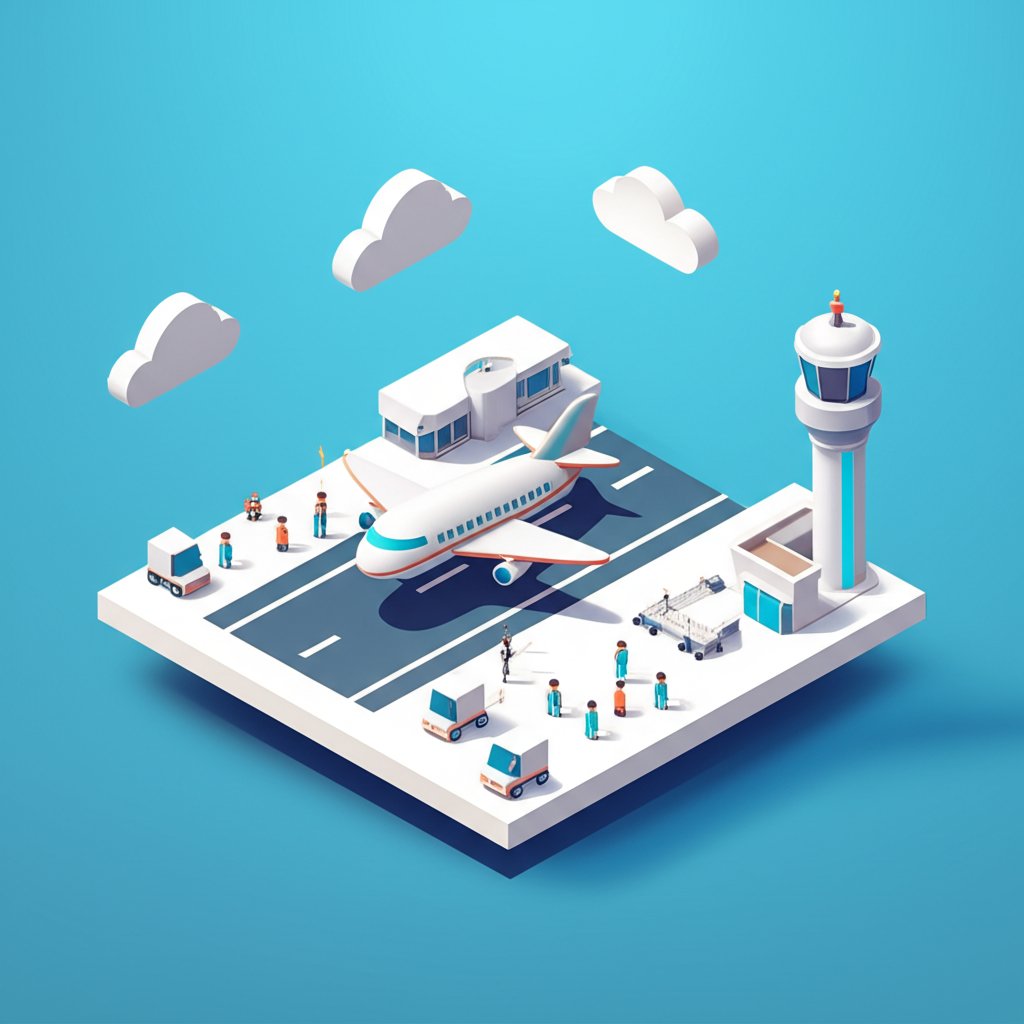
Beyond its immediate operational characteristics, air transport, particularly air freight, plays a formidable role in shaping global economies, facilitating trade, and driving innovation.
Global Trade Facilitation and Supply Chain Resilience
Air freight is a critical enabler of global trade, especially for goods with high value-to-weight ratios or strict time constraints. While it accounts for a relatively small percentage of global trade by volume (less than 1%), it represents a significant portion by value (often cited as over 35%). This highlights its importance for high-tech components, pharmaceuticals, fashion, and other lucrative sectors.
- Just-in-Time (JIT) Manufacturing: Air freight supports JIT inventory strategies, allowing manufacturers to receive components precisely when needed, minimizing warehousing costs and waste.
- E-commerce & Express Delivery: The explosive growth of global e-commerce relies heavily on air freight for rapid cross-border parcel delivery, meeting consumer expectations for fast shipping.
- Supply Chain Resilience: During disruptions to sea or land routes (e.g., port congestion, natural disasters), air freight often serves as a vital alternative, ensuring continuity of critical supply chains, albeit at a higher cost. Its flexibility helps businesses pivot and mitigate risks.
Job Creation and Regional Development
The economic impact of air transport extends far beyond the airlines themselves. It is a massive job creator and a catalyst for regional development.
- Direct Employment: Airlines, airports, air traffic control, and aircraft manufacturers directly employ millions globally (e.g., IATA estimates around 29 million jobs directly and indirectly).
- Indirect Employment: Tourism, hospitality, logistics, and ground transport industries heavily rely on air travel, creating millions more jobs.
- Induced Employment: The spending of those directly and indirectly employed further stimulates local economies.
- Regional Economic Hubs: Airports often become economic anchors, attracting businesses, logistics centers, and supporting infrastructure, transforming surrounding regions into vibrant commercial hubs. This is particularly evident in large international airports that act as major gateways.
In developing regions, the introduction or expansion of air transport infrastructure can unlock immense economic potential by connecting them to global markets and investment.
Innovations in Air Cargo and Drone Delivery
The future of air freight is ripe with innovation, promising even greater efficiency and new delivery paradigms.
- Automation in Cargo Handling: Robotics and AI are being integrated into cargo terminals to automate sorting, loading, and unloading processes, improving speed, accuracy, and safety.
- Smart Pallets and Tracking: Advanced IoT sensors embedded in cargo containers provide real-time tracking, temperature monitoring, and inventory management, enhancing visibility and security throughout the journey.
- Electric and Hybrid Cargo Aircraft: For smaller, regional air freight operations, the development of electric and hybrid-electric aircraft could offer more sustainable and cost-effective solutions in the near future.
- Drone Delivery: For last-mile logistics, particularly in urban or remote areas, cargo drones are emerging as a disruptive force. Companies are piloting drone networks for delivering small packages, medical supplies, and even food, offering rapid, on-demand, and potentially more environmentally friendly options for specific niches.
- Air Cargo Drones: Larger, specialized air cargo drones are also being developed for inter-city or regional freight, promising autonomous operations and reduced operational costs.
These innovations are set to redefine the landscape of air freight, making it even more integral to future global commerce.
Conclusion
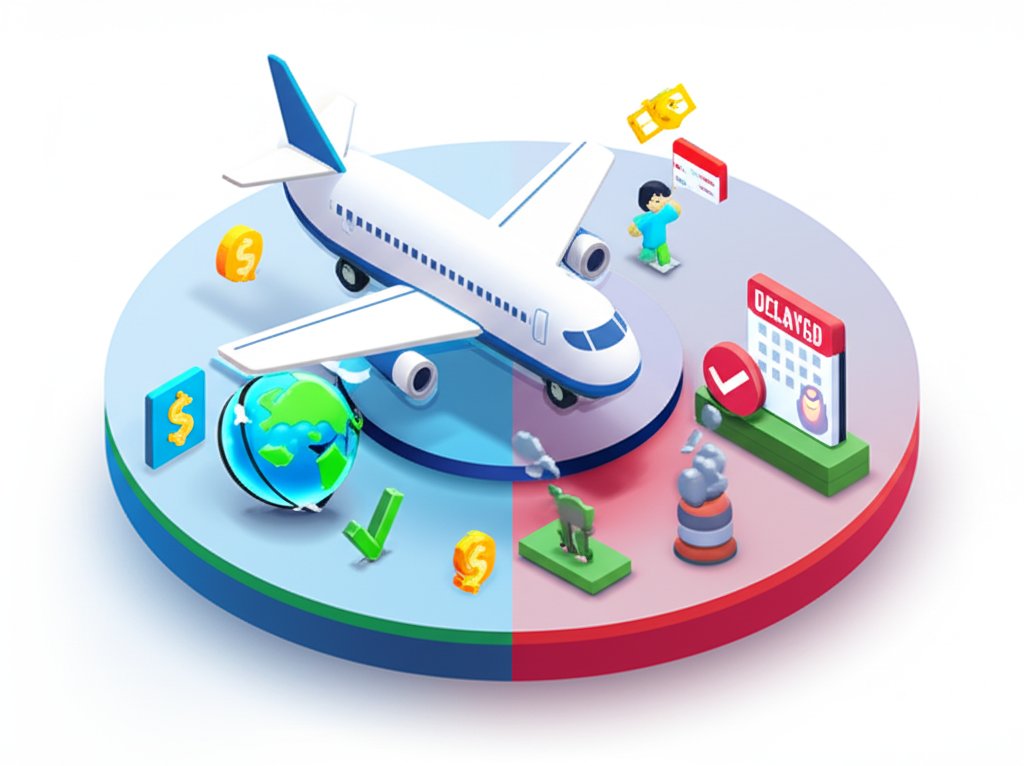
Air transport is a double-edged sword: a marvel of human ingenuity that propels global commerce and connectivity at unprecedented speeds, yet simultaneously poses significant environmental and economic challenges. From the undeniable advantages of rapid travel and secure air freight for high-value goods to the high operational costs and vulnerability to disruptions, the pros and cons of air transport are complex.
The pursuit of air transport efficiency through fleet modernization, ATM innovations, and sustainable aviation fuels is critical for its future. Concurrently, addressing the environmental impact of air transport, from greenhouse gas emissions and noise pollution to land use, demands a concerted global effort. As we look ahead, continued innovation in air freight and drone technology promises to reshape how goods move, further solidifying air transport’s essential, albeit evolving, role in our interconnected world. Making informed decisions about its use will require a balanced understanding of these intricate factors.
FAQ
Q1: What is air transport?
A1: Air transport refers to the movement of passengers and cargo by aircraft, including airplanes and helicopters, across national and international distances. It’s characterized by its speed and ability to connect virtually any two points on the globe with an airport.
Q2: What are the primary advantages (pros) of air transport?
A2: The main pros of air transport include unparalleled speed, global connectivity, high levels of safety and reliability, and its suitability for transporting time-sensitive, perishable, or high-value goods (known as air freight). It also provides crucial accessibility to remote and otherwise inaccessible regions.
Q3: What are the main disadvantages (cons) of air transport?
A3: The significant cons of air transport are its high operational costs (due to fuel, maintenance, infrastructure, and labor), limited capacity compared to sea shipping, and its vulnerability to disruptions from weather, technical issues, geopolitical events, and health crises.
Q4: How is air transport efficiency measured and improved?
A4: Air transport efficiency is primarily measured by factors like fuel consumption per passenger-mile or per ton-mile of cargo, and load factors (utilization of available capacity). It’s improved through fleet modernization (more fuel-efficient aircraft), optimized air traffic management (direct routing, reduced holding), and the adoption of sustainable aviation fuels (SAFs).
Q5: What is the environmental impact of air transport?
A5: The environmental impact of air transport includes significant contributions to climate change through carbon dioxide (CO2) and non-CO2 emissions (like contrails and nitrogen oxides). It also causes local issues such as noise pollution and reduced air quality around airports, and its infrastructure requires extensive land use, leading to habitat destruction. The industry is actively working on mitigation through technology and SAFs.
Q6: What is air freight and why is it important?
A6: Air freight specifically refers to the transportation of goods by air. It is crucial for global trade because it enables rapid delivery of time-sensitive, perishable, and high-value items, supporting just-in-time manufacturing, e-commerce, and enhancing supply chain resilience during disruptions.
Q7: Is air transport safer than other modes of transportation?
A7: Statistically, air transport is considered one of the safest modes of transportation due to rigorous international regulations, strict maintenance protocols, and highly trained personnel, resulting in a very low accident rate per mile traveled.










