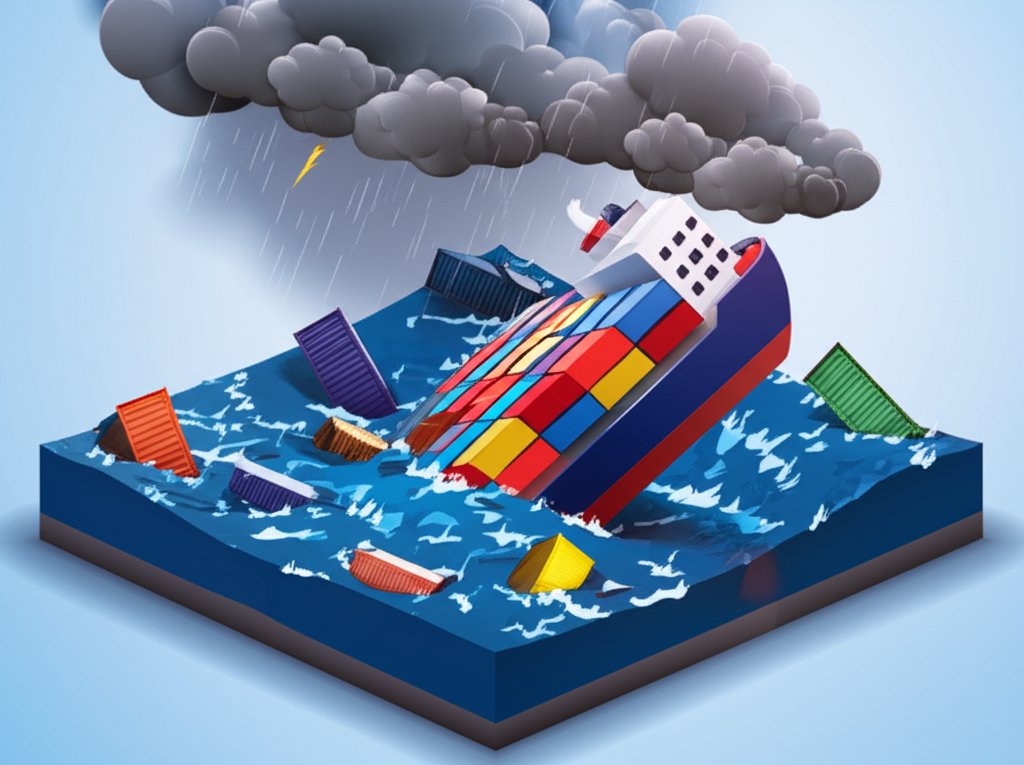
Sea transport forms the backbone of global trade, carrying an astonishing volume of goods across continents. Its economic efficiency for bulk cargo is undeniable. However, relying solely on this mode without a full understanding of its inherent disadvantages of sea transport can lead to significant logistical nightmares and unexpected costs. Businesses that fail to anticipate these pitfalls often encounter delays, damaged goods, budget overruns, and even environmental liabilities.
This comprehensive guide will uncover the five critical drawbacks of sea transport, offering insights to help logistics professionals and supply chain managers make informed decisions and steer clear of common, costly mistakes. By delving into these sea transport challenges, you’ll be better equipped to optimize your shipping strategies and ensure smoother, more predictable operations.
While this article focuses on freight, considering the disadvantages of travelling by sea for personal travel, as detailed in this guide on the downsides of slow travel, might offer a broader perspective on the time commitment involved.
1. Extended Transit Times and Inflexible Schedules
One of the most widely acknowledged disadvantages of sea transport is its leisurely pace and rigid scheduling, which can significantly impact modern, fast-paced supply chains.
The Slow Pace of Ocean Freight
Compared to air, road, or rail, ocean vessels travel at a much slower speed. While monumental in their capacity, container ships typically move at speeds ranging from 16 to 24 knots (about 18-27 miles per hour). This means that a journey across a major ocean can take weeks, sometimes even months, significantly extending lead times. For businesses operating with lean inventory models or just-in-time delivery systems, this inherent slowness presents a substantial hurdle, demanding meticulous planning and extensive buffer stock.
Impact on Perishable and Time-Sensitive Goods
The extended transit times of sea freight render it largely unsuitable for perishable goods like fresh produce, certain pharmaceuticals, or high-fashion items with short shelf lives. Even with refrigerated containers (reefers), prolonged exposure to varying conditions can compromise product quality. Similarly, time-sensitive shipments, such as components for an urgent manufacturing line or seasonal retail goods, cannot afford the inherent delays of ocean shipping. Opting for sea transport in such scenarios inevitably leads to missed deadlines and potential financial losses.
Rigid Routes and Timetables
Unlike road or air transport, where routes can often be adjusted on the fly, sea transport operates on highly predetermined schedules. Once a vessel departs, its route and port calls are largely fixed. This inflexibility in sea transport means little room for accommodating last-minute changes, rerouting, or expediting specific cargo. Any disruption to this schedule, whether due to port congestion or adverse weather, cascades through the entire itinerary, creating an ripple effect of delays and complicating supply chain responsiveness.
2. High Susceptibility to External Factors (Weather & Geopolitical Risks)
Ocean journeys are inherently exposed to the elements and the complexities of global politics, making them prone to unpredictable disruptions. This susceptibility is a major maritime shipping drawback.
Unpredictable Weather Conditions and Delays
Ships navigate vast, open waters, making them highly vulnerable to changing weather conditions. Storms, hurricanes, tsunamis, dense fog, and even strong currents can cause significant delays, force diversions, or, in severe cases, lead to the cancellation of voyages. These weather-induced disruptions not only push back estimated arrival times but can also put cargo, vessels, and crew at risk. Businesses must account for these potential weather-related delays, which can throw meticulously planned supply chains into disarray and increase storage costs at ports.
Navigating Political Instability and Regulatory Complexities
Shipping routes often traverse regions with varying degrees of political stability. Geopolitical tensions, civil unrest, territorial disputes, or even international sanctions can suddenly render once-safe routes dangerous or entirely inaccessible. Such instability can force vessels to take longer, more expensive alternative routes, or even halt operations indefinitely. Beyond political unrest, each country along a shipping route imposes its own set of customs regulations, international trade laws, and port-specific compliance procedures. Navigating these diverse and often complex legal frameworks adds layers of administrative burden, paperwork, and the potential for delays if not handled meticulously.
The Cost of Compliance and Unrest
The need to comply with varied international and national regulations translates into additional costs for documentation, customs brokers, and potentially fees for non-compliance. Furthermore, the risk of political unrest necessitates enhanced security measures, insurance premiums, and contingency planning, all of which contribute to the overall expenditure of sea transport. These factors underscore how external conditions significantly amplify the disadvantages of sea transport.
3. Elevated Risks of Damage, Loss, and Security Threats
Despite technological advancements, the sheer scale and nature of sea transport mean that cargo and vessels remain exposed to considerable risks of damage, loss, and security breaches, making it a critical sea freight disadvantage.
Cargo Vulnerability: From Handling to Container Loss
Goods transported by sea undergo multiple handling points: from loading onto trucks, transferring to port warehouses, lifting onto vessels, and then the reverse process at the destination. Each transfer point introduces a risk of mishandling, leading to dents, breakages, or misplacement. Furthermore, rough seas can cause container stacks to shift, leading to damage or, in extreme cases, containers falling overboard. Factors like severe weather, improper stowage, or structural failures contribute to thousands of container losses at sea annually, disrupting supply chains, causing significant financial losses, and sometimes even environmental hazards. While insurance can mitigate financial impact, the operational disruption and loss of goods remain.
The Persistent Threat of Maritime Piracy
Despite international efforts, maritime piracy remains a global threat, particularly in notorious shipping lanes like the Gulf of Aden, parts of West Africa, and Southeast Asia. Pirate attacks can result in the hijacking of vessels, the theft of cargo, and even the kidnapping of crew members for ransom. The psychological toll on seafarers and the financial implications for shipping companies – including increased insurance premiums, security costs (e.g., armed guards), and potential ransom payments – are substantial. This adds a critical layer of risk and cost that other transport modes rarely face, highlighting a severe disadvantage of sea transport.
Limited Real-Time Tracking and Visibility Gaps
Compared to air or land transport, real-time tracking and visibility for sea freight have historically been less advanced. While satellite tracking and IoT devices are improving, accurately monitoring the exact location and condition of every container on a vast ocean vessel remains challenging. This limited visibility creates “blind spots” in the supply chain, making it difficult for businesses to provide precise delivery updates, manage inventory effectively, or quickly react to unforeseen events. The lack of granular tracking amplifies the risk of unnoticed damage or loss until the goods reach their destination, by which point it’s often too late to take immediate corrective action.
4. Operational & Infrastructural Hurdles: Congestion & Hidden Costs
Even when ships successfully navigate the seas, arriving at port doesn’t guarantee a smooth, swift process. A range of operational and infrastructural sea transport challenges can significantly impact efficiency and cost.
Global Port Congestion and Inefficient Ground Operations
Ports, the crucial gateways of sea transport, are often bottlenecks in the supply chain. Surges in cargo volume, labor shortages, outdated equipment, customs backlogs, or even geopolitical events can lead to severe port congestion. Vessels might wait days or weeks offshore to dock, incurring demurrage charges and throwing schedules into disarray. Once docked, the slow processing of customs, inefficient container handling, and delays in transferring cargo to onward transportation further exacerbate the problem. These inefficiencies at ports are significant disadvantages of sea transport, creating ripple effects across global supply chains.
The “Last Mile” Challenge: Dependencies on Overland Transport
Sea transport rarely delivers goods directly to their final destination. Once a vessel arrives at a port, further transportation via truck, train, or barge is almost always required for the “last mile” or “first mile” of the journey. This dependency on complementary land-based logistics introduces additional layers of complexity, cost, and potential for delay. Coordinating multiple modes of transport requires sophisticated logistics planning, and any issues with road infrastructure, rail capacity, or driver availability can negate the efficiency gains of the ocean leg. These intermodal transfers are a common source of logistical challenges in sea transport.
Unforeseen Port Duties, Taxes, and Fees
Beyond the quoted freight rates, sea transport often involves a myriad of additional charges that can inflate overall costs. These include port duties, various taxes, terminal handling charges, container detention and demurrage fees if containers aren’t moved promptly, customs clearance fees, and documentation charges. These ancillary costs can be substantial and, if not accurately budgeted, can lead to unexpected expenses. The complexity of these fee structures across different ports and countries makes it challenging for businesses to predict and control their total shipping expenditure, highlighting a significant disadvantage of sea transport.
5. Significant Environmental Footprint
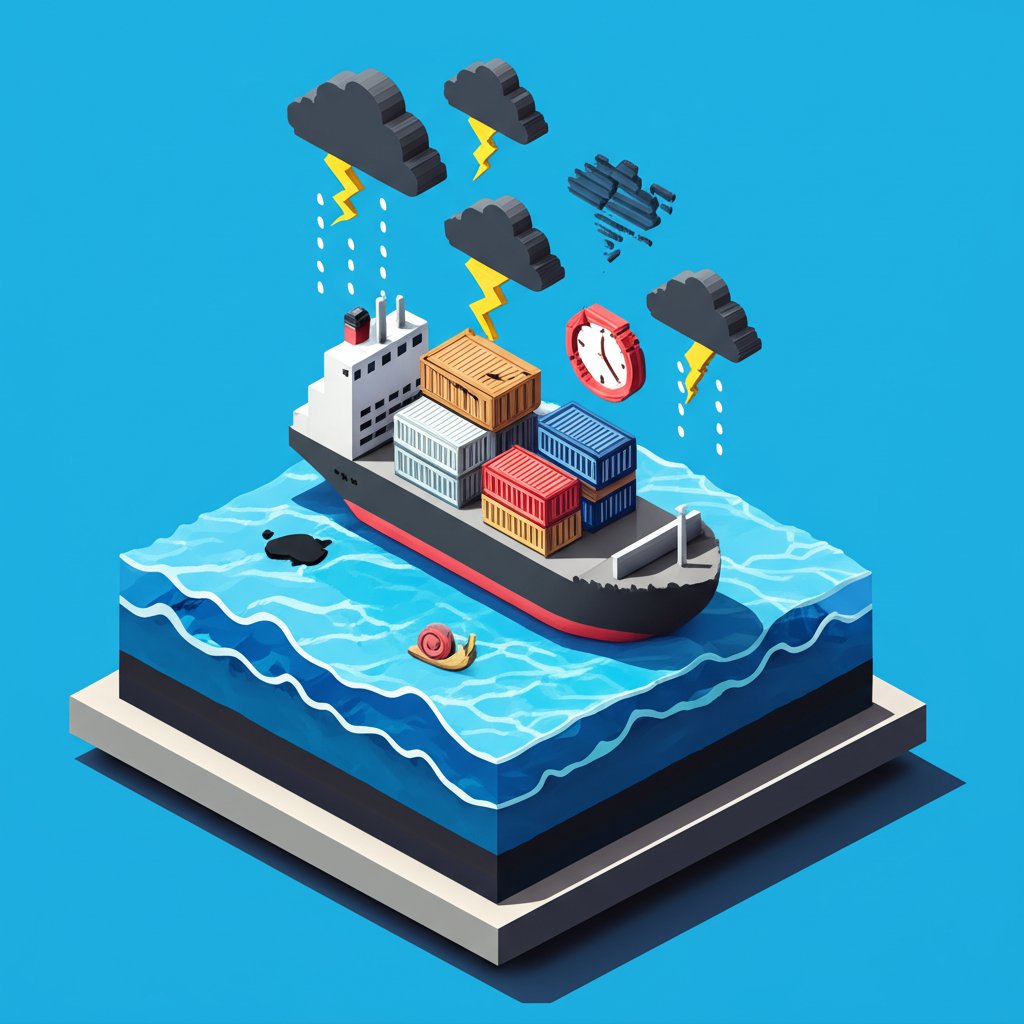
While often heralded as a more eco-friendly option than air freight, sea transport is far from benign, carrying a substantial and increasingly scrutinized environmental cost. This makes its environmental impact a critical maritime shipping drawback.
Greenhouse Gas Emissions: A Major Contributor to Climate Change
Despite improvements in fuel efficiency, the sheer volume of global maritime trade means that shipping contributes significantly to greenhouse gas emissions. Container ships, in particular, are responsible for a substantial percentage of global maritime CO2 emissions, contributing to climate change. Besides CO2, ships also emit other harmful pollutants like sulfur oxides (SOx) and nitrogen oxides (NOx) from the burning of heavy fuel oil, which contribute to acid rain and respiratory problems in port communities. The push for decarbonization in the shipping industry is a testament to the scale of this environmental challenge.
Ballast Water and the Threat of Invasive Species
A unique environmental challenge posed by sea transport is the practice of managing ballast water. Ships take on ballast water in one port to maintain stability and then discharge it in another. This process can inadvertently transfer non-native aquatic organisms – including bacteria, viruses, and invasive species – across oceans. When discharged into new ecosystems, these invasive species can outcompete native organisms, disrupt local food webs, introduce diseases, and cause irreversible damage to biodiversity and fisheries. International regulations are in place to manage ballast water, but the problem persists and poses a continuous threat to marine ecosystems.
Other Forms of Pollution: Oil Spills and Noise
Beyond air pollution and invasive species, sea transport contributes to other forms of environmental degradation. Oil spills, whether from accidents or illegal discharges, can have devastating short-term and long-term impacts on marine life, coastlines, and human livelihoods. Furthermore, the constant hum of ship engines and propellers creates significant underwater noise pollution. This acoustic pollution can interfere with the communication, navigation, and foraging behaviors of marine mammals and other aquatic species, disrupting delicate marine ecosystems. These multiple facets solidify the environmental impact as a significant disadvantage of sea transport.
Conclusion
While sea transport remains an indispensable pillar of global trade, its inherent disadvantages of sea transport are considerable and cannot be overlooked. From the sluggish transit times and rigid schedules to the unpredictable risks posed by weather and geopolitical instability, and the very real threats of cargo damage, piracy, and environmental harm – each factor demands careful consideration from businesses. Operational hurdles like port congestion and the complexities of multi-modal logistics further complicate supply chain efficiency.
Understanding these sea transport challenges is the first step toward mitigating their impact. By diversifying transport strategies, investing in robust insurance, leveraging advanced tracking technologies where available, and meticulously planning every stage of the journey, businesses can avoid costly mistakes and build more resilient and efficient supply chains. Don’t let the allure of low per-unit cost blind you to the potential pitfalls; instead, approach maritime shipping with a clear-eyed awareness of its drawbacks to make truly informed logistical decisions.
FAQ
Q1: What is the biggest disadvantage of sea transport?
A1: One of the biggest disadvantages of sea transport is its significantly slower transit times compared to other modes, making it unsuitable for time-sensitive or perishable goods.
Q2: How do weather conditions affect sea freight?
A2: Weather conditions such as storms, hurricanes, and heavy fog can cause substantial delays, diversions, or even cancellations of voyages, disrupting supply chains and potentially damaging cargo.
Q3: Are there hidden costs associated with sea transport?
A3: Yes, beyond the base freight rate, sea transport often involves numerous additional costs such as port duties, terminal handling charges, customs fees, and demurrage fees, which can significantly inflate the total shipping expense.
Q4: What security risks are involved in sea transport?
A4: Sea transport faces security risks including maritime piracy, cargo theft, and potential hijacking of vessels, particularly in high-risk shipping lanes, necessitating increased insurance and security measures.
Q5: What are the environmental concerns with using sea transport?
A5: Key environmental concerns include significant greenhouse gas emissions (CO2, SOx, NOx) contributing to climate change and air pollution, the transfer of invasive species via ballast water, and risks of oil spills and underwater noise pollution.
Q6: Can sea transport deliver goods directly to their final destination?
A6: Rarely. Sea transport typically delivers goods to a port, requiring further overland transportation (truck, train, or barge) to reach the final destination, adding complexity and cost to the “last mile” of delivery.
Q7: Why is flexibility a problem with sea transport?
A7: Sea transport operates on fixed routes and predetermined schedules, offering very limited flexibility to accommodate last-minute changes, rerouting, or expediting shipments, which can hinder supply chain responsiveness.










