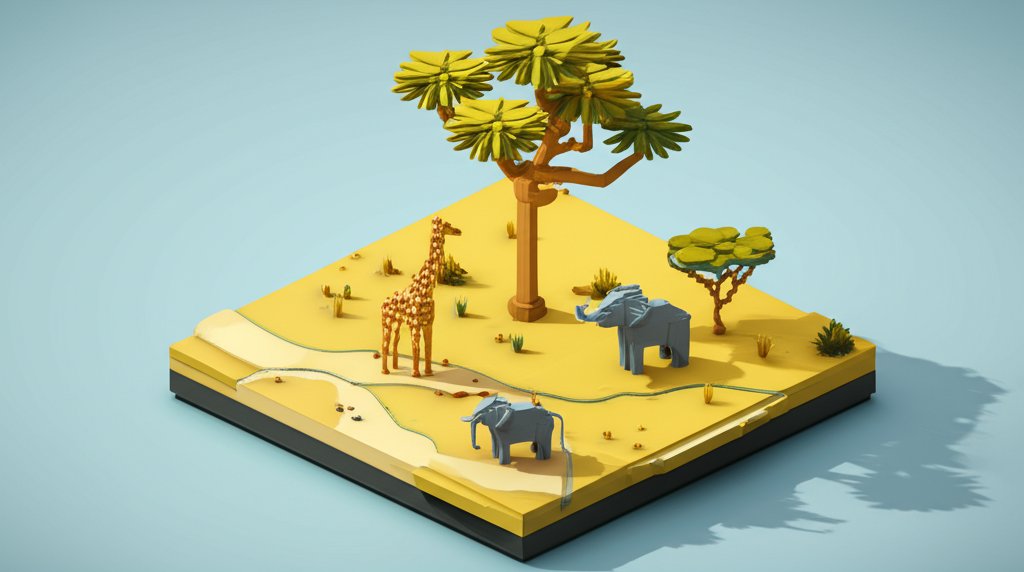
Step into a world where vast grasslands stretch to the horizon, dotted with iconic trees and teeming with some of Earth’s most magnificent creatures. While many picture the African plains when they hear “savanna,” the truth about this incredible ecosystem is far more complex and captivating. Often misunderstood or simply appreciated at a surface level, the savanna biome is a global tapestry of life, shaped by dramatic climes and resilient inhabitants.
Prepare to have your understanding transformed as we unveil 5 jaw-dropping savanna biome facts that underscore its vital role in our planet’s health. From its surprising global spread to the hidden power of its flora and the critical role of fire, these savanna facts will illuminate an ecosystem that is both breathtakingly beautiful and fiercely tenacious. If you’re looking to truly grasp the essence of this unique environment, this deep dive into facts about savanna biome is essential.
1. The Global Tapestry: Savannas Span Continents, Not Just Africa
When you think of a savanna, images of the Serengeti, majestic lions, and towering giraffes likely leap to mind. While the African savanna is undeniably iconic and crucial, it represents only one facet of this globally significant biome. The extent of the savanna biome is truly staggering, covering an estimated 20% of Earth’s land surface and over 40% of the African continent. Yet, its presence is far more widespread, demonstrating its adaptability to diverse regional conditions.
Beyond the African Plains: A Worldwide Phenomenon
Savannas are not exclusive to Africa; they are a worldwide phenomenon, found on every continent except Antarctica. This biome thrives in various tropical and subtropical regions, characterized by grasslands with scattered trees and shrubs.
- South America: Massive savannas like the Llanos in Venezuela and Colombia, and the Cerrado in Brazil, are biodiversity hotspots. The Cerrado alone is one of the most biologically rich savannas in the world, home to countless endemic species.
- Australia: The northern parts of Australia host extensive tropical savannas, providing habitat for unique marsupials and reptiles, shaped by Aboriginal burning practices for millennia.
- India: Areas of India also feature savannas, often transitioning into tropical dry forests, supporting a different array of wildlife.
This global distribution highlights that while facts about African savanna are fascinating, the broader ecological principles and adaptations define savannas across continents. Understanding its global reach is the first key step to appreciating the full scope of savanna facts.
Understanding the global distribution and ecological importance of these areas helps to highlight why we need to appreciate the crucial role the savanna biome plays in our planet’s overall health.
Four Distinct Savanna Types You Didn’t Know Existed
The term “savanna” itself encompasses a fascinating array of climatic and geological variations. Ecologists classify savannas into four primary types, each with unique characteristics influenced by local conditions:
- Tropical Savanna: This is the classic image, found closest to the equator, characterized by high temperatures year-round and distinct wet and dry seasons. The soil is typically dry and not very fertile, but it supports a remarkable density of life adapted to these conditions.
- Temperate Savanna: Located further from the equator, these savannas experience more pronounced temperature variations, including humid summers and cold, dry winters. The soils here tend to be somewhat more fertile than their tropical counterparts.
- Mediterranean Savanna: Found in regions with a Mediterranean climate, these savannas are semi-arid, featuring significant temperature swings between seasons and characteristically low rainfall. Vegetation is often sparse, adapted to enduring long, dry summers.
- Montane Savanna: These high-altitude savannas occur in alpine and subalpine zones, particularly in parts of Africa. They feature a semi-arid climate with very sparsely vegetated soils, shaped by the unique conditions of mountainous terrain.
These distinct types underscore the incredible versatility of the savanna biome, allowing it to flourish in a diverse range of environments despite sharing core characteristics.
2. Wildlife Wonders: Unparalleled Adaptations in the Savanna
The savanna biome is synonymous with abundant and spectacular wildlife, particularly the African savanna. This fact isn’t just about sheer numbers; it’s about the incredible and often ingenious adaptations that allow animals to thrive in an environment defined by stark seasonal shifts and intense competition. From the smallest insects to the largest mammals, every creature plays a pivotal role in the savanna’s intricate ecosystem.
The Iconic “Big Five” and African Savanna Biodiversity
No discussion of facts about African savanna would be complete without mentioning its legendary inhabitants. The “Big Five” – the lion, leopard, African elephant, black rhinoceros, and African buffalo – are not just symbols of the African wilderness; they are prime examples of savanna resilience and adaptation.
- Lions: Apex predators, their social structure (prides) allows for cooperative hunting of large prey, a crucial strategy in the open plains.
- Leopards: Masters of camouflage and stealth, they are solitary hunters that use the scattered trees for ambush and to store their kills away from scavengers.
- African Elephants: The largest land animals, their ability to migrate vast distances to find water and food, and even dig for hidden water sources, is critical for their survival and for other species. They also play a vital role in shaping the landscape by knocking down trees.
- Rhinoceroses: Both black and white rhinos (though white rhinos are more numerous in savannas) are mega-herbivores. Their grazing habits influence grass composition, and their sheer size deters most predators.
- African Buffalo: Large, powerful bovines, they graze extensively and can be fiercely protective. Their herds are a dominant feature of many savanna landscapes.
Beyond the Big Five, the African savanna teems with other magnificent creatures like giraffes, zebras, wildebeest, cheetahs, and hyenas. The Great Migration, an annual journey of over 1.5 million wildebeest, zebras, and gazelles across the Serengeti and Masai Mara, is one of the planet’s most spectacular wildlife events, driven entirely by the search for water and greener pastures. This massive movement demonstrates the scale of life these grasslands support, and is a key savanna fact.
Specialized Survival: How Animals Conquer the Harsh Environment
The savanna’s distinct wet and dry seasons demand highly specialized survival strategies. Animals here have evolved remarkable ways to cope with fluctuating food and water availability and intense predatory pressure.
- Herbivore Strategies: Different herbivores occupy distinct niches to minimize competition. Zebras graze on taller, coarser grasses; wildebeest prefer shorter, tender shoots; and giraffes browse leaves and shoots from trees, effectively utilizing different layers of vegetation.
- Carnivore Strategies: Predators like cheetahs rely on incredible speed for short bursts, while wild dogs hunt in highly coordinated packs, tiring out their prey over long distances. Many scavengers, like vultures and hyenas, quickly clean up carcasses, preventing disease.
- Water Independence: From elephants digging deep wells to warthogs wallowing in mud to cool down, water is a constant challenge. Many animals can go for extended periods without drinking, obtaining moisture from their food, or adapting to specific water sources.
- Heat Regulation: The savanna can be scorching hot. Animals like elephants use their large ears to dissipate heat, while many species become crepuscular or nocturnal, avoiding the hottest parts of the day.
These dynamic interactions and adaptations are fundamental savanna facts, showcasing a truly evolved ecosystem where life finds a way, no matter the challenge.
3. Flora’s Fortitude: Plants Engineered for Extremes
While animals often hog the spotlight, the unique flora of the savanna biome is just as critical and equally adapted to its harsh conditions. The dominant characteristic of savannas is their expansive grass coverage, which typically exceeds that of trees. This seemingly simple fact masks a complex interaction between grasses, trees, soil, and climate that defines the landscape’s character.
The Baobab: An Ancient Icon of the Savanna
Among the scattered trees of the African savanna, one species stands out as a true marvel: the Baobab tree (genus Adansonia). These ancient giants are more than just trees; they are living testaments to time and resilience, embodying several key savanna facts.
- “Tree of Life”: Baobabs are often called the “tree of life” due to their immense value to both wildlife and humans. Their fruit is highly nutritious, their bark is used for fiber, and their hollow trunks can provide shelter or even hold thousands of liters of water during the dry season.
- Water Storage: Their bulbous, often contorted trunks are not just for show; they are designed to store enormous amounts of water to survive long periods of drought. This adaptation is crucial in the arid conditions of the savanna.
- Extreme Longevity: Baobabs can live for thousands of years, silently witnessing the ever-changing savanna landscape. Some specimens are estimated to be over 2,000 years old, making them among the oldest living beings on Earth. Their presence adds a touch of magic and enduring spirit to the savanna.
Grass Dominance: More Than Just Food
One of the defining facts about savanna biome is the predominance of grasses. Grasses like elephant grass (Pennisetum purpureum) and red oat grass (Themeda triandra) don’t just provide food for herbivores; they are the architectural backbone of the ecosystem.
- Rapid Growth & Recovery: Savanna grasses have evolved to grow quickly during the wet season and recover rapidly after grazing or fire. Their growth points are near the ground, protecting them from being completely consumed or destroyed.
- Deep Root Systems: Many grass species possess extensive, deep root systems that allow them to access water far below the surface, enduring prolonged dry spells.
- C4 Photosynthesis: Many savanna grasses utilize a highly efficient form of photosynthesis called C4 photosynthesis, enabling them to thrive in high heat and intense sunlight conditions, converting solar energy into biomass more effectively than other plants.
- Coexistence with Trees: While grasses dominate, scattered trees like acacias and the iconic baobabs coexist by developing adaptations to capture scarce water and nutrients, often having deep taproots to reach groundwater. Trees are spaced out, preventing a continuous canopy that would shade out grasses and prevent their growth.
This intricate balance between grass dominance and scattered trees is a testament to the evolutionary pressures of the savanna, making it distinct from dense forests or barren deserts.
4. Climate’s Command and Fire’s Fury: The Savanna’s Rhythmic Dance
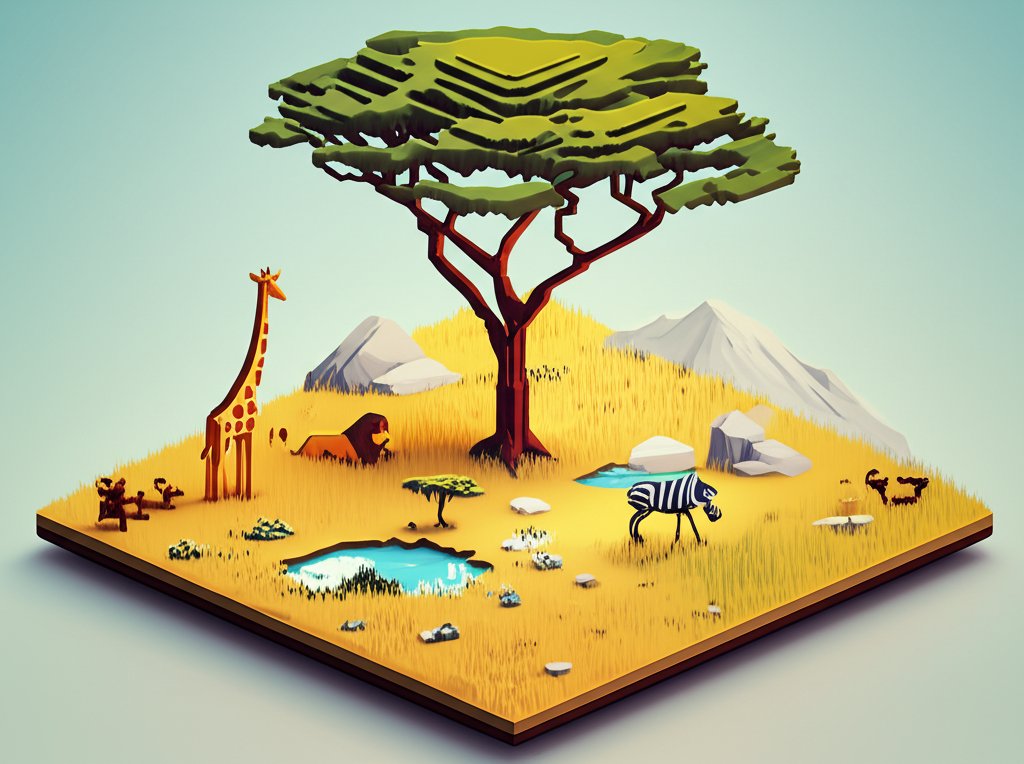
The savanna biome’s very existence is dictated by a dramatic, predictable climatic rhythm and a seemingly destructive, yet absolutely vital, natural force: fire. Understanding these two elements is central to grasping the true facts about savanna biome. The interplay between wet and dry seasons, coupled with the frequent occurrence of fire, shapes the landscape, influences animal behavior, and maintains the unique biodiversity of this critical ecosystem.
The Distinct Rhythm of Wet and Dry Seasons
The most defining characteristic of the savanna climate is its pronounced wet and dry seasons, a cyclical pattern that orchestrates life across the biome.
- The Wet Season: This period brings substantial rainfall, transforming the savanna into a lush, verdant paradise. Grasses grow rapidly, waterholes fill, and food becomes abundant. This is typically the breeding season for many animals, as the availability of resources supports the rearing of young. The landscape bursts with life, a vibrant green carpet under endless skies.
- The Dry Season: As the rains cease, the landscape undergoes a dramatic transformation. Water sources shrink, grasses dry out and turn golden-brown, and food becomes scarce. This period often triggers massive animal migrations, as herds move in search of remaining water and grazing grounds. Many plants enter a dormant state, shedding leaves or storing nutrients underground to withstand the drought. The challenges of the dry season are a stark reminder of the harsh realities of savanna life, driving many of the incredible animal adaptations described earlier.
This cyclical pattern is not merely an environmental condition; it is the fundamental pulse of the savanna, dictating the ecological rhythms and influencing every aspect of its vibrant ecosystem. It’s one of the most critical savanna facts.
The Phoenix Effect: Why Fire is Essential for Savanna Health
Perhaps one of the most surprising savanna facts is the crucial, beneficial role that fire plays in maintaining the health and character of this biome. Far from being purely destructive, fire is a natural and necessary ecological process.
- Preventing Encroachment: Frequent fires, often started by lightning during the dry season or by human activity, prevent woody plants and trees from encroaching and turning the savanna into a dense forest. This keeps the grasslands open, which is vital for grazing animals.
- Promoting New Growth: Fire burns off old, dry, and tough grasses, making way for tender, nutritious new shoots that quickly emerge with the onset of the next wet season. This provides essential food for herbivores.
- Nutrient Cycling: The ash from burnt vegetation returns vital nutrients to the soil, fertilizing it and promoting future growth. This natural recycling process is critical for the long-term productivity of the savanna.
- Stimulating Seed Germination: Some savanna plant species have seeds that require the heat of fire to germinate, ensuring their survival and propagation.
- Controlling Pests and Diseases: Fire can help control insect pests and diseases by burning away their habitats or directly eliminating them.
Plants in the savanna have evolved remarkable adaptations to cope with fire, such as fire-resistant bark, underground storage organs for rapid regrowth, and seeds that are protected or even stimulated by heat. Without fire, the savanna’s delicate balance would be disrupted, leading to significant changes in its plant composition and, consequently, its animal life. This “phoenix effect” is a cornerstone of savanna biome facts, highlighting the biome’s dynamic and resilient nature.
5. Guardians of a Global Treasure: Threats and the Urgent Call for Conservation
Despite its resilience and the incredible adaptations of its inhabitants, the savanna biome is among the most threatened ecosystems on Earth. Understanding these threats is a crucial part of knowing the facts about savanna biome and highlights the urgent need for conservation efforts. The delicate balance that defines the savanna is increasingly under pressure from a variety of human-induced factors, jeopardizing its unique biodiversity and the vital services it provides to the planet.
Pressures Mount: Human Impact on Savanna Ecosystems
The challenges facing savannas are multifaceted and interconnected, often stemming from human population growth and activity.
- Habitat Loss and Fragmentation: The expansion of agriculture, particularly for cash crops and livestock grazing, is the single largest threat. Vast tracts of savanna are converted, leading to habitat loss and fragmentation, which isolates animal populations and reduces genetic diversity. Urbanization and infrastructure development further eat away at these critical landscapes.
- Overgrazing: While grazing is natural, excessive livestock numbers can lead to overgrazing, depleting grasses, compacting soil, and promoting the growth of unpalatable or invasive species. This degrades the land and reduces its capacity to support wildlife.
- Poaching and Illegal Wildlife Trade: For the African savanna especially, the illegal hunting and trade of iconic species like rhinos (for their horns) and elephants (for their ivory) have pushed many populations to the brink of extinction. This criminal activity profoundly disrupts the ecosystem’s balance.
- Climate Change: Altered rainfall patterns, more frequent and intense droughts, and changes in the fire regime (either too much or too little fire) due to climate change pose significant long-term threats. These shifts can alter vegetation composition, stress wildlife, and reduce the savanna’s overall productivity.
- Human-Wildlife Conflict: As human settlements expand, conflicts with wildlife over resources, livestock predation, and crop destruction become more frequent, often resulting in retaliatory killings of animals.
These mounting pressures paint a stark picture, underscoring the fragility of even the most resilient ecosystems and the need for immediate action.
Safeguarding the Future: Why Conservation Matters
Protecting the savanna is not just about preserving its charismatic megafauna; it’s about safeguarding a biodiversity hotspot that provides invaluable ecosystem services to the entire planet. The importance of these efforts cannot be overstated.
- Biodiversity Hotspot: Savannas are home to an incredible array of species, many of which are found nowhere else. Their loss would mean an irreversible decline in global biodiversity.
- Carbon Sequestration: Healthy savannas, with their extensive grasslands and scattered trees, play a role in carbon sequestration, helping to mitigate climate change by absorbing carbon dioxide from the atmosphere.
- Ecosystem Services: Savannas provide essential services such as water regulation (filtering and storing water), soil health and erosion control, and supporting livelihoods for millions of people through agriculture and ecotourism.
- Conservation Efforts: Dedicated conservation initiatives, including the establishment of national parks and protected areas (like the Serengeti, Kruger National Park), anti-poaching units, community-based conservation programs that involve local populations, and sustainable land management practices, are crucial. Efforts to combat illegal wildlife trade and promote responsible tourism also play a vital role in ensuring the savanna’s survival for future generations.
Understanding these savanna facts and the threats they face is the first step toward becoming a guardian of this global treasure. The long-term health of the savanna biome is intrinsically linked to the well-being of our planet.
Conclusion
From the vast, sun-drenched plains of the African savanna to the lesser-known biome types spanning South America and Australia, the savanna is a truly phenomenal ecosystem. We’ve journeyed through 5 jaw-dropping savanna biome facts, uncovering its global reach, the incredible adaptations of its wildlife, the fortitude of its flora, the pivotal role of its rhythmic climate and fires, and the urgent need for its conservation.
These savanna facts illustrate an environment crafted by extremes, where life thrives through specialized adaptations and dynamic relationships. The sheer scale of its biodiversity, the ingenuity of its inhabitants, and the profound ecological functions it performs make the savanna an irreplaceable global treasure. As human pressures continue to mount, our understanding and appreciation of these unique grasslands, and our commitment to their protection, become more critical than ever. Let these insights inspire you to look deeper, appreciate more profoundly, and advocate for the continued health of our planet’s magnificent savannas.
FAQ
Q1: What are the main types of savanna and where are they found?
The four main types of savanna are Tropical, Temperate, Mediterranean, and Montane. Tropical savannas are found near the equator in Africa, South America, and Australia. Temperate savannas are further from the equator with more distinct seasonal temperature changes. Mediterranean savannas are in semi-arid regions with low rainfall, and Montane savannas are high-altitude regions, particularly in Africa.
Q2: Why is the African savanna so famous for its wildlife?
The African savanna is famous for its incredible biodiversity and concentration of large mammals, including the “Big Five” (lion, leopard, elephant, rhino, buffalo). Its vast open plains, distinct wet and dry seasons, and abundant grass support massive herbivore herds and the predators that rely on them, leading to spectacular natural events like the Great Migration. These facts about African savanna highlight its unique ecological significance.
Q3: How do savanna plants survive the dry season and fires?
Savanna plants have evolved remarkable adaptations. Grasses have deep root systems to access groundwater and growth points near the ground for rapid regrowth after grazing or fire. Trees like the baobab store large amounts of water in their trunks. Many plants have fire-resistant bark or seeds that require the heat of fire to germinate, ensuring their survival and regeneration in an environment where fire is a natural occurrence, a key savanna fact.
Q4: What is the most critical factor shaping the savanna ecosystem?
The most critical factor shaping the savanna ecosystem is the distinct rhythm of its wet and dry seasons, coupled with the crucial role of fire. The cyclical availability of water and the regular occurrence of fires prevent forests from developing, maintain the dominance of grasslands, and drive the unique adaptations and behaviors of both flora and fauna within the savanna biome.
Q5: What is the greatest threat to savanna environments today?
The greatest threats to savanna environments are human-induced, primarily habitat loss and fragmentation due to agricultural expansion and urbanization. Other significant threats include overgrazing by livestock, poaching and illegal wildlife trade (especially impacting facts about African savanna species), and the impacts of climate change, such as altered rainfall patterns and increased droughts.










