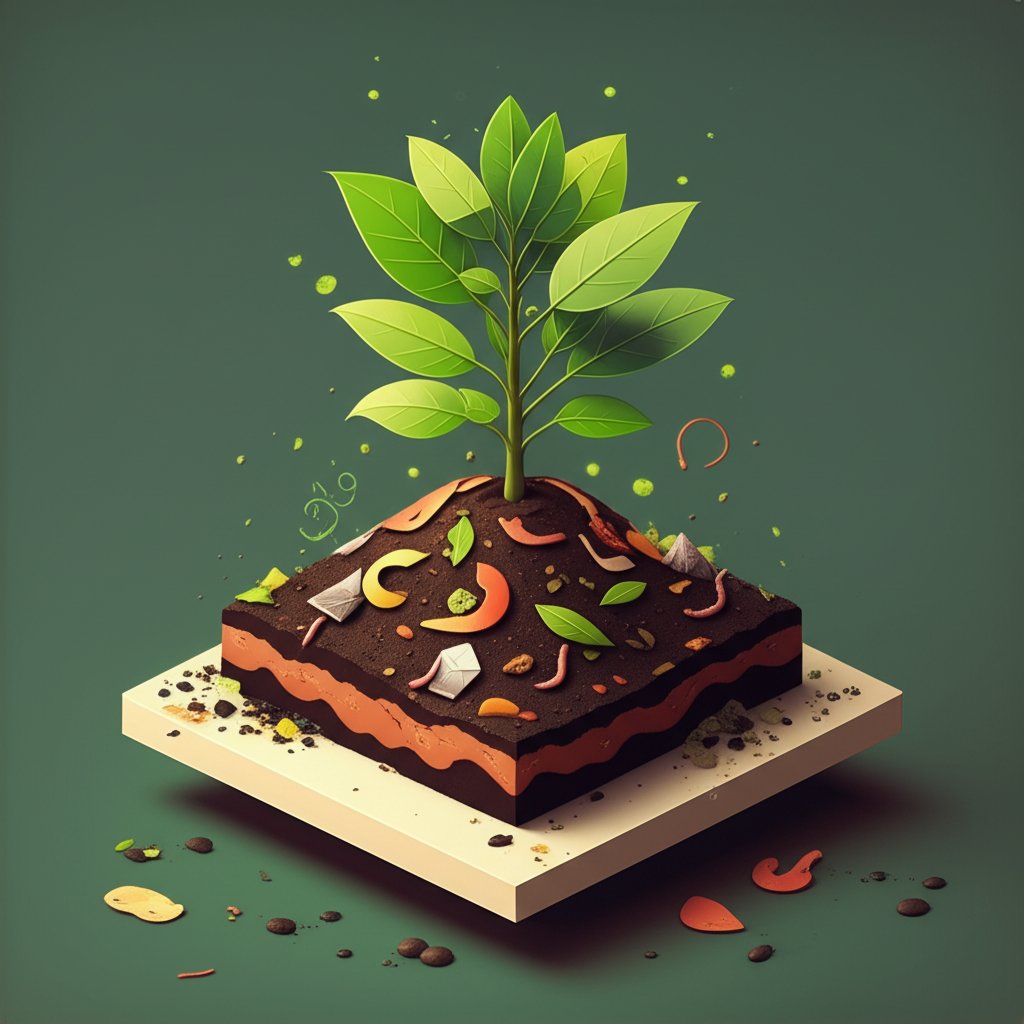
The unassuming word “compost” often brings to mind images of bustling gardens, thriving plants, and a rich, earthy aroma. But have you ever paused to consider the journey of this term, or the profound power encapsulated within it? Far more than just decomposed organic matter, compost represents a timeless cycle of renewal, a testament to nature’s ingenuity, and a cornerstone of sustainable living. For those who seek vibrant landscapes, nutrient-dense produce, and a healthier planet, understanding compost – from its very name to its magical ability to transform soil – is an essential first step. Join us as we dig deep into the origins of compost and unveil its remarkable role in soil enrichment and ecological balance.
Unearthing the Origins of Compost: A Lexical Journey

The story of why compost is called compost is rooted in ancient languages, reflecting humanity’s long-standing relationship with organic matter and agriculture. To truly grasp its name, we must travel back through history to its linguistic beginnings.
Understanding the history behind why compost is called compost is a great start, but to truly become a composting pro, dive into practical guidance and composting food facts to optimize your soil enrichment efforts.
From Latin Roots: “Componere” and “Compostum”
The word “compost” traces its lineage directly to Latin. Its primary ancestor is the Latin verb “componere,” which means “to put together,” “to arrange,” or “to combine.” This perfectly encapsulates the fundamental act of composting: gathering various organic materials – leaves, food scraps, grass clippings – and combining them into a heap or pile.
From “componere” evolved the Latin noun “compostum” (or sometimes “compositum”), which literally referred to “that which is put together” or “a mixture.” In an agricultural context, “compostum” would have denoted a blend of organic substances prepared to improve the soil. This etymological foundation highlights that the very name of compost is descriptive of its creation process, a mixture formed by combining diverse organic elements.
Historical Echoes: Early Mentions and Practices
While the specific term “compost” in its modern English form became widespread later, the practice of using decomposed organic matter to enhance soil fertility is as old as agriculture itself. Ancient civilizations across the globe, including those in Mesopotamia, Egypt, China, and the Roman Empire, intuitively understood the value of returning organic waste to the earth.
- Ancient Rome: Roman agricultural writers like Cato the Elder and Pliny the Elder described methods of collecting and incorporating manure, crop residues, and other organic materials into fields – a clear precursor to modern composting. Their practices laid the groundwork for the concept that a “mixture” of decomposed elements significantly boosts plant growth.
- Early China: Historical records from ancient China detail sophisticated composting techniques, including layering different organic materials and even using human waste (night soil) to fertilize fields. These methods demonstrated an advanced understanding of nutrient recycling long before the English term “compost” existed.
These historical examples show that the concept of putting together organic materials for soil enrichment existed for millennia, and the Latin roots aptly describe this universal agricultural wisdom.
Evolution of the Term in English
The word “compost” entered the English language around the 14th century, initially referring more broadly to “a mixture” or “a composition” of various things. Over time, its meaning narrowed, especially in agricultural contexts, to specifically denote a mixture of decayed organic matter used as a fertilizer or soil amendment. By the 17th century, the term was firmly established in English with its current horticultural meaning, directly linking the word to the practice of composting. The journey of the word, therefore, mirrors the evolution of the practice itself, becoming increasingly refined and recognized for its specific purpose.
What Exactly is Compost? Decoding Nature’s Recycler
Now that we’ve unearthed the origins of compost’s name, let’s delve into what this powerful substance truly is and how it comes to be. Compost is more than just rotting waste; it’s a meticulously crafted (by nature or human effort) miracle product.
The Core Process of Composting
Composting is an aerobic (oxygen-requiring) process of decomposing organic matter by microorganisms into a dark, crumbly, nutrient-rich material known as compost. It’s fundamentally an accelerated version of the natural decomposition that occurs on forest floors.
The key players and ingredients in composting include:
- Organic Materials (Feedstocks): These are broadly categorized into “browns” and “greens.”
- Browns (Carbon-rich): Dead leaves, woody stems, shredded paper, cardboard, sawdust. These provide energy for microorganisms.
- Greens (Nitrogen-rich): Food scraps (fruit and vegetable peels, coffee grounds), grass clippings, fresh plant trimmings, manure. These provide proteins and nitrogen for microbial growth.
- Microorganisms: Bacteria, fungi, actinomycetes, and other microscopic organisms are the unsung heroes of composting. They consume the organic materials, breaking them down into simpler compounds.
- Water: Essential for microbial activity. The pile should be consistently moist, like a wrung-out sponge.
- Air (Oxygen): Crucial for aerobic decomposition. Turning the compost pile regularly ensures good aeration, preventing anaerobic (oxygen-lacking) conditions that can lead to foul odors.
- Temperature: As microorganisms work, they generate heat. A well-managed compost pile will heat up significantly, which helps kill pathogens and weed seeds.
The Transformation: From Waste to “Black Gold”
The magic of composting lies in this transformation. What starts as a pile of diverse organic refuse – kitchen scraps, yard waste – undergoes a dramatic structural and chemical change. Over weeks or months, the original materials become unrecognizable, converting into a homogenous, dark, earthy-smelling substance. This is the fabled “black gold” that gardeners and farmers prize. It’s stable, full of beneficial microbes, and ready to enrich any soil it touches.
Compost vs. Fertilizer: A Clarification
While compost is often referred to as a “natural fertilizer,” it’s more accurately described as a soil amendment with fertilizing properties. The distinction is important:
- Synthetic Fertilizers: Typically provide concentrated, readily available doses of specific nutrients (NPK – Nitrogen, Phosphorus, Potassium) directly to plants. They often lack organic matter and can, over time, degrade soil structure and microbial life if used exclusively.
- Compost: Provides a broader spectrum of macro- and micronutrients in a slow-release form, feeding the soil first, which then nourishes the plants. Crucially, compost also vastly improves the physical, chemical, and biological properties of the soil, making it much more than just a nutrient provider. It literally builds healthy soil.
The Profound Significance of Compost in Modern Times
The importance of compost extends far beyond simply growing bigger tomatoes. In an era marked by environmental concerns, composting emerges as a powerful tool for sustainability and ecological health. The significance of compost is multifaceted, addressing critical issues from waste management to climate change.
Environmental Stewardship and Waste Reduction
One of the most immediate impacts of composting is its role in reducing waste. Organic materials, primarily food scraps and yard waste, constitute a significant portion (often 20-30%) of what ends up in landfills.
- Diverting Landfill Waste: By diverting these materials through
compostingprograms, we drastically reduce the volume of waste sent to overflowing landfills. This extends landfill lifespans and reduces the need for new ones. - Mitigating Methane Emissions: When organic matter breaks down in anaerobic (oxygen-free) landfill conditions, it produces methane, a potent greenhouse gas 25 times more effective at trapping heat than carbon dioxide over a 100-year period.
Composting, being an aerobic process, produces significantly less methane. - Closing the Loop: Composting embodies the principles of a circular economy, transforming what was once considered waste into a valuable resource, thus closing the nutrient loop and mimicking nature’s own recycling system.
Combating Climate Change
The climate benefits of composting are substantial and often underestimated.
- Carbon Sequestration: Adding compost to soil increases its organic carbon content, effectively sequestering atmospheric carbon dioxide. Healthy soil acts as a carbon sink, helping to mitigate global warming.
- Reduced Need for Chemical Inputs: By improving soil fertility naturally, compost reduces the demand for synthetic fertilizers, which are energy-intensive to produce and transport, further lowering agriculture’s carbon footprint.
- Water Conservation:
Compost-enrichedsoil holds water more efficiently, reducing the need for irrigation and conserving a precious resource, especially in drought-prone regions.
Supporting Biodiversity and Soil Health
Compost is a living material, teeming with beneficial microorganisms and microfauna. When added to soil, it inoculates it with this life, fostering a healthy soil ecosystem.
- Habitat for Microbes: Compost provides a rich and diverse habitat for bacteria, fungi, protozoa, nematodes, and other microscopic organisms that are vital for nutrient cycling and plant health.
- Enhanced Soil Structure:
Compostimproves soil aggregation, creating a crumbly structure that allows for better aeration, water infiltration, and root penetration. - Increased Water Retention: The organic matter in
compostacts like a sponge, significantly increasing the soil’s capacity to hold water, making plants more resilient to dry spells.
Soil Enrichment: The Magic of Compost for Thriving Gardens & Farms
This is where the true “magic” of compost comes alive – its unparalleled ability to transform lifeless dirt into vibrant, fertile soil. The term “soil enrichment” perfectly encapsulates the comprehensive benefits compost brings to any growing environment.
Nutrient Delivery System
Compost is a slow-release, balanced provider of essential plant nutrients. Unlike synthetic fertilizers that deliver a sudden burst, compost offers a steady diet.
- Macro- and Micronutrients: It contains a wide array of nitrogen, phosphorus, potassium, calcium, magnesium, and trace elements (like iron, zinc, copper, manganese) vital for plant growth. These nutrients are released gradually as microorganisms continue their work, minimizing nutrient runoff and maximizing plant uptake.
- Balanced Feeding: This slow, steady release prevents over-fertilization and nutrient imbalances, promoting healthier, more stable plant development.
Enhancing Soil Structure and Water Retention
The physical improvements compost imparts to soil are foundational to its fertility.
- Improved Aggregation: Compost helps bind tiny soil particles into larger aggregates, creating a loose, well-aerated structure. This is crucial for both sandy soils (which gain body and water retention) and clay soils (which become less compacted and drain better).
- Increased Water Holding Capacity: The spongy organic matter in
compostcan hold many times its weight in water, making water available to plant roots for longer periods. This reduces irrigation needs and helps plants withstand drought stress. - Better Drainage and Aeration: In heavy clay soils,
compostopens up the soil structure, preventing waterlogging and ensuring roots have access to much-needed oxygen.
Boosting Plant Health and Disease Resistance
A healthy soil ecosystem, fueled by compost, directly translates to healthier, more resilient plants.
- Disease Suppression: The diverse microbial community in compost can actively suppress plant diseases by outcompeting harmful pathogens for resources and even producing compounds that inhibit disease organisms. This natural defense mechanism reduces the need for chemical fungicides.
- Stronger Root Development: Improved soil structure and nutrient availability encourage a robust root system, allowing plants to access water and nutrients more efficiently and anchor themselves more firmly.
- Increased Stress Tolerance: Plants grown in
compost-enrichedsoil are better equipped to handle environmental stresses such as drought, heat, and pest pressure.
Reducing Reliance on Chemical Inputs
By integrating compost into gardening and farming practices, we can significantly lessen our dependence on synthetic chemicals.
- Natural Fertilizer Replacement: With consistent compost application, the need for chemical fertilizers can be greatly reduced or even eliminated.
- Pest and Disease Management: The natural disease-suppressing qualities of
compostand the overall health it promotes in plants can decrease the reliance on chemical pesticides and herbicides. - Sustainable Agriculture: This shift away from synthetic inputs fosters more sustainable and environmentally friendly agricultural systems, protecting water quality, biodiversity, and human health.
Beyond the Backyard: Community Composting and Large-Scale Impact
While backyard composting is a fantastic individual effort, the significance of compost truly scales when embraced by communities and large agricultural operations, demonstrating its potential for widespread positive change.
Municipal Programs and Curbside Collection
Many progressive cities and towns are now implementing large-scale composting initiatives, making it easier for residents to participate.
- Curbside Organic Waste Collection: Similar to recycling, some municipalities offer curbside pick-up of food scraps and yard waste, which are then processed at commercial
compostingfacilities. This dramatically increases waste diversion rates. - Food Scraps Drop-Off Sites: For those without curbside service, community drop-off locations, often at farmers’ markets or transfer stations, provide a convenient way to keep organic waste out of landfills.
- Educational Initiatives: These programs often come with robust educational campaigns that help residents understand what can be
compostedand the enormous benefits.
Agricultural Applications for Food Security
On a larger scale, compost is a critical component of regenerative agriculture, a farming approach focused on soil enrichment and ecosystem health.
- Large-Scale Farm Fertility: Farmers are using
compostto restore degraded soils, improve crop yields, and build long-term farm resilience. This is particularly vital for food security as it ensures the productivity of agricultural land for future generations. - Restoring Degraded Lands: Compost application can revitalize barren or chemically depleted soils, bringing them back to life and making them productive again.
- Reduced Erosion:
Compost-richsoil is more stable and less prone to erosion by wind and water, protecting precious topsoil.
Innovations in Composting Technology
The field of composting is continually evolving, with new technologies making the process more efficient and accessible.
- Industrial Composting Facilities: These large-scale operations use advanced techniques, sometimes employing enclosed systems or massive windrows, to process vast quantities of organic waste quickly and efficiently.
- Vermicomposting (Worm Composting): A popular method for small spaces, vermicomposting uses specific types of worms (like red wigglers) to break down food scraps into nutrient-rich vermicast, a highly beneficial form of compost.
- Composting Toilets: As mentioned in competitive research, composting toilets are engineered systems that treat human waste through a biological process, safely transforming it into a soil-like material. While specific guidelines and regulations vary by region for their use in gardens (often restricted to ornamental plants due to pathogen concerns), they represent an innovative approach to waste management and resource recovery. These systems are carefully designed to ensure high temperatures or long retention times necessary for pathogen destruction, unlike typical backyard compost piles.
Conclusion: The Enduring Magic of Compost
From ancient Latin roots describing the simple act of “putting together” to its modern-day role as a powerful agent of soil enrichment and environmental healing, the journey of compost is truly remarkable. Its name, “compost,” perfectly encapsulates its essence: a harmonious mixture of organic elements, transformed by nature’s wisdom into something profoundly valuable.
The origins of compost reveal a timeless practice, while its significance of compost in the 21st century has never been greater. By embracing composting, whether in our backyards or through community initiatives, we actively participate in a virtuous cycle that reduces waste, combats climate change, and nurtures the very foundation of life: our soil.
So, why is compost called compost? Because it is the ultimate composition, nature’s ingenious blend, turning waste into the “soil magic” that sustains our planet and allows life to flourish. Let us all become stewards of this simple yet profound practice, contributing to a greener, more fertile future, one handful of compost at a time.
FAQ

Q: What is compost?
A: Compost is decayed organic matter that results from a controlled decomposition process. It is a dark, crumbly, nutrient-rich material used to improve soil fertility and structure. It’s often referred to as “black gold” due to its incredible benefits for plants and soil.
Q: How does composting work?
A: Composting involves gathering organic materials (like food scraps, leaves, and grass clippings) and providing the right conditions (moisture, air, and a balance of “brown” carbon-rich materials and “green” nitrogen-rich materials) for microorganisms like bacteria and fungi to break them down. This aerobic process transforms the waste into stable compost.
Q: What are the key benefits of using compost?
A: The significance of compost is immense. It enriches soil with essential nutrients, improves soil structure (making it more porous for air and water), increases water retention, suppresses plant diseases, reduces the need for chemical fertilizers, and helps mitigate climate change by diverting waste from landfills and sequestering carbon.
Q: How is compost different from synthetic fertilizer?
A: While both provide nutrients, compost is a holistic soil enrichment agent. It provides a slow-release, broad spectrum of nutrients, and crucially, it improves the physical, chemical, and biological properties of the soil itself. Synthetic fertilizers, conversely, typically offer concentrated, immediate doses of specific nutrients directly to plants and do not add organic matter to improve soil structure.
Q: What materials can be composted at home?
A: Most plant-based kitchen scraps (fruit and vegetable peels, coffee grounds, tea bags), yard waste (leaves, grass clippings, small twigs), and shredded paper/cardboard are excellent composting materials. Avoid meat, dairy, oily foods, diseased plants, and pet waste in home compost piles to prevent pests and pathogens.
Q: Can human waste be safely composted?
A: Specialized composting toilets are designed to treat human waste through biological processes, turning it into a compost-like material. However, composting human waste in a typical home backyard pile is generally not recommended due to the risk of pathogens. Commercial and engineered systems achieve the necessary high temperatures and controlled conditions to safely neutralize harmful microorganisms, but this is usually not possible in a domestic setting.
Q: What is the ideal “brown-to-green” ratio for a compost pile?
A: A good rule of thumb for successful composting is a ratio of roughly 2-3 parts “brown” (carbon-rich) materials to 1 part “green” (nitrogen-rich) materials. This balance ensures microorganisms have enough energy (carbon) and protein (nitrogen) to efficiently break down the organic matter.
Q: Does compost really help combat climate change?
A: Yes, composting plays a vital role in combating climate change. By diverting organic waste from landfills, it significantly reduces methane emissions, a potent greenhouse gas. Furthermore, applying compost to soil increases its carbon sequestration capacity, effectively drawing carbon dioxide out of the atmosphere and storing it in the soil, contributing to a healthier climate.










