
Chairs. They are ubiquitous, found in every corner of human existence, from the simplest stool to the most elaborate throne. Yet, despite their constant presence, the act of describing chairs in a way that truly captures their essence remains a refined art. Beyond mere utility, each chair embodies a story of form, function, and artistic intent. For designers, marketers, writers, or anyone with an appreciation for furniture design, mastering the nuances of conveying a chair’s character is paramount. This comprehensive guide will unlock the essential design secrets to articulate the unique qualities that make each chair design remarkable, transforming a simple observation into a compelling narrative.
The Core Elements: What Makes a Chair a Chair?
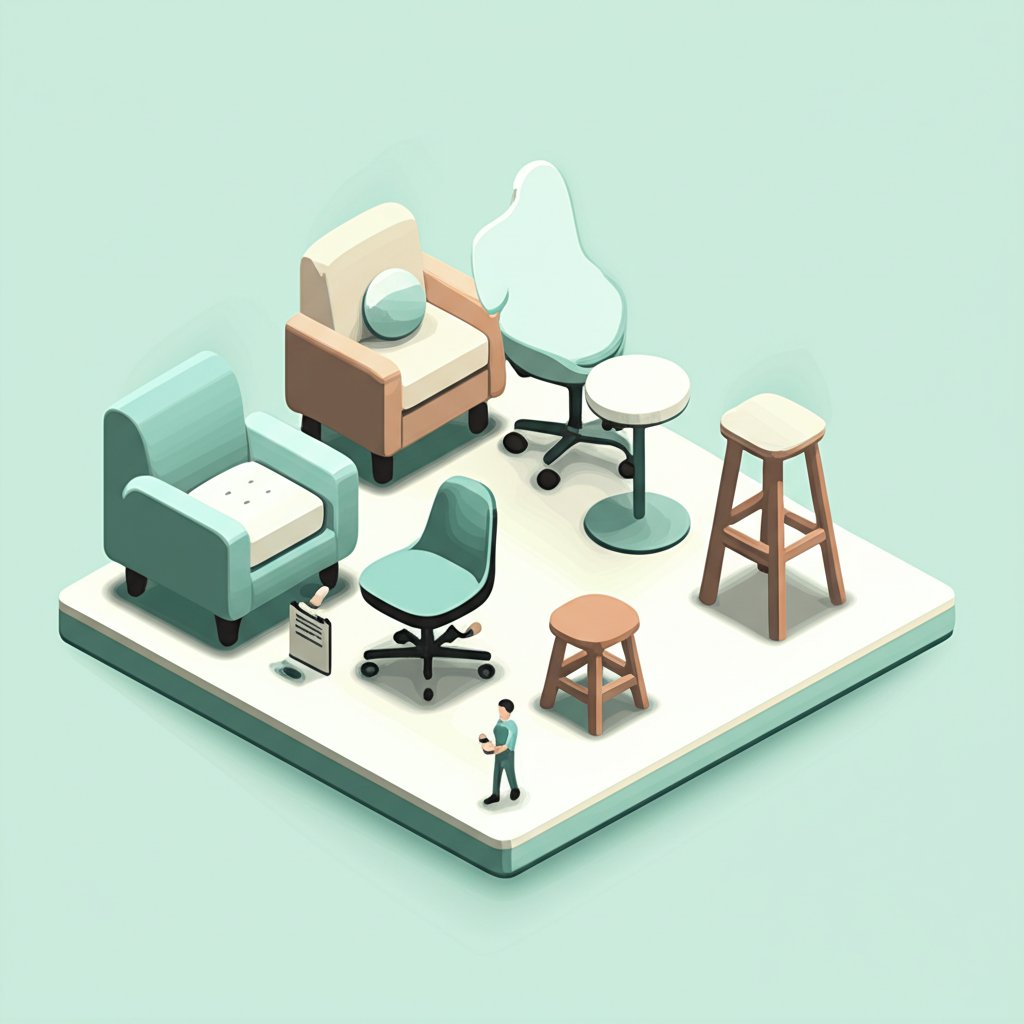
To truly describe a chair, one must first understand its foundational components and inherent purpose. These core elements serve as the building blocks for any vivid and accurate chair description.
Form and Aesthetics: The Visual Language of Chair Design
The visual appeal of a chair is often the first thing that captivates. Its form speaks volumes, communicating style, era, and even a hint of its intended use.
Sometimes, the wrong chair can feel like an awkward bulwark in room, disrupting the flow and aesthetics you’re trying to achieve, making careful consideration of form and function essential.
- Shape and Silhouette: Is it angular and geometric, or fluid and organic? Does it present a commanding presence with sharp edges or an inviting softness with rounded curves? Consider the interplay of positive and negative space.
- Lines and Structure: The dominant lines—vertical, horizontal, diagonal, curved—dictate dynamism or stability. A minimalist chair might feature clean, unadorned lines, while a traditional piece could boast intricate carvings and ornate detailing.
- Proportions and Scale: How does each part relate to the whole? Is the backrest tall and imposing, or low and discreet? Are the armrests slender or robust? The overall scale dictates whether it feels grand, intimate, or purely functional within a space.
- Style and Era: Categorizing a chair by its style (e.g., Mid-Century Modern, Rococo, Industrial, Scandinavian, Contemporary) immediately sets a context. This allows for a shared understanding of its aesthetic language and historical influences.
Function and Ergonomics: The Science of Seating
A chair’s primary role is to provide a place to sit, but the way it fulfills this role, and its impact on the human body, is crucial to its design and description.
- Intended Purpose: Is it a dining chair, a lounge chair, an office chair, an accent piece, or a specialized task chair? Its function dictates many design choices.
- Comfort Profile: This is subjective but describable. Factors include:
- Padding and Upholstery: Is it plush and yielding, or firm and supportive?
- Back and Lumbar Support: Does it offer a gentle recline, an upright posture, or adjustable lumbar contouring?
- Adjustability: For office or task chairs, features like seat height adjustment, tilt mechanisms, and armrest articulation are critical for customization and extended use.
- User Experience: How does the chair invite interaction? Does it offer an “enveloping embrace” or “alert, poised seating”? Is it easy to get in and out of? Does it promote relaxation, focus, or social interaction?
Materials and Construction: The Foundation of Furniture Design
The choice of materials is central to a chair’s durability, aesthetic, and tactile experience. The quality and type of construction further underscore its value and character.
- Frame Materials:
- Wood: Hardwoods (oak, walnut, teak, mahogany) convey strength, warmth, and natural beauty. Softwoods (pine) offer a lighter, often more rustic feel. Descriptions can include “rich grain,” “honeyed tones,” “distressed finish,” or “sleek polished surface.”
- Metal: Steel, aluminum, iron, and brass can evoke industrial, modern, or classic aesthetics. Terms like “gleaming chrome,” “powder-coated steel,” “forged iron,” or “patinated brass” can be used.
- Plastic/Composite: Molds into diverse forms, often lightweight and versatile. Consider “smooth matte finish,” “translucent acrylic,” or “reinforced polypropylene.”
- Rattan/Wicker: Natural, woven materials that suggest lightness, breathability, and often a casual, bohemian, or tropical vibe.
- Upholstery:
- Fabric Types: Velvet (luxurious, soft, rich sheen), linen (crisp, natural, breathable), cotton (comfortable, versatile), boucle (textured, cozy), chenille (soft, durable), polyester (fade-resistant, practical), leather (durable, prestigious, develops patina).
- Texture and Pattern: Is it smooth, nubby, woven, tufted, patterned (floral, geometric, striped), or solid?
- Color: The hue plays a significant role in its overall impact.
- Joinery and Craftsmanship: The method of assembly, whether traditional mortise and tenon or modern welded joints, speaks to the quality and longevity of the piece. Look for details like “seamless joints,” “exposed dowels,” or “precision-milled components.”
Dimensions and Space: Practical Considerations
Quantitative details help define a chair’s practicality and suitability for a given environment.
- Overall Footprint: Its general size and how much space it occupies.
- Seat Height, Depth, and Width: Crucial for comfort and ergonomic fit, especially in relation to tables or other furniture.
- Backrest Height: Affects posture, visual impact, and support (low-back, mid-back, high-back, wingback).
- Armrest Height: Important for comfort and fitting under tables.
Beyond Adjectives: How to Truly Describe a Chair
Moving past a simple list of attributes requires engaging the reader’s imagination and senses. The goal is to paint a picture that allows them to experience the chair through your words.
Activating the Senses: A Multi-Sensory Approach
Great chair descriptions transcend the visual, appealing to touch, and even hinting at other sensory experiences.
- Sight (Visual Impact):
- Instead of: “Black leather chair.”
- Try: “A sleek, obsidian leather club chair, its polished surface reflecting ambient light, anchors the room with its executive presence.”
- Focus on how light plays on surfaces, the vibrancy or subtlety of colors, and the overall visual drama or tranquility.
- Touch (Tactile Experience):
- Instead of: “Soft fabric chair.”
- Try: “The generous cushions are upholstered in an inviting, cloud-like boucle, promising a soft landing and inviting touch.”
- Describe the texture: “Rough-hewn oak,” “velvety soft upholstery,” “cool, smooth steel,” “crisp, breathable linen.”
- Sound (Subtle Auditory Cues):
- Instead of: “Old wooden chair.”
- Try: “A gentle, reassuring creak accompanies any shift in weight, a testament to its artisanal, aged timber construction.”
- While subtle for chairs, consider the faint sounds of movement, the quiet rustle of fabric, or the satisfying click of an adjustment mechanism in a high-tech office chair.
- Feel (Comfort and Support):
- Instead of: “Comfortable chair.”
- Try: “Designed for ultimate repose, the chair’s ergonomic contours cradle the body, offering firm lumbar support that melts away daily tension.”
- Convey the sensation of sitting: “Sink-in comfort,” “buoyant support,” “enveloping embrace,” “posture-perfect alignment.”
Evoking Emotion and Story: The Narrative Power of Chair Descriptions
A truly compelling description imbues the chair with personality, suggesting the emotions it might evoke and the life it could inhabit.
- Personality and Mood: Does the chair feel “bold and contemporary,” “timeless and elegant,” “playful and quirky,” or “sturdy and dependable”? Does it project “sophistication,” “coziness,” or “professionalism”?
- Context and Ambiance: Where does this chair belong? “A commanding presence in a minimalist executive office,” “the inviting focal point of a cozy reading nook,” “a statement piece in a chic urban loft.”
- Metaphors and Similes: Use figurative language to create a more imaginative connection. “Its backrest rises like a protective shield,” “the arms curve gracefully, like outstretched branches,” “a design as timeless as a well-worn leather journal.”
Structuring Your Description: A Step-by-Step Guide
To ensure your chair descriptions are comprehensive and engaging, follow a logical flow:
- Start with a Hook (Overall Impression): Begin with a statement that captures the chair’s most striking feature or overarching style. (e.g., “This sculptural accent chair redefines modern minimalism…”)
- Broad Strokes (Style & Purpose): Immediately follow with its general style, era, and primary function. (e.g., “…a striking piece that marries Scandinavian simplicity with urban chic, designed for both aesthetic appeal and comfortable lounging.”)
- Drill Down (Materials & Key Features): Detail the materials, construction, and key design elements. Be specific. (e.g., “Crafted from solid bleached ash, its frame presents clean, tapered lines that flow effortlessly into gently scooped armrests. The seat and back are generously proportioned, upholstered in a resilient yet soft charcoal woven fabric, offering subtle texture without visual clutter.”)
- Sensory & Experiential Details: Describe what it feels like to interact with it, incorporating sensory language and emotional resonance. (e.g., “The firm cushioning provides an unexpected depth of comfort, inviting long conversations or quiet contemplation. Its open silhouette ensures it feels airy, never imposing, making it ideal for smaller sophisticated spaces.”)
- Conclusion (Refined Impact): Summarize its overall impact or unique selling proposition. (e.g., “More than just seating, this chair is a testament to thoughtful furniture design, a quiet icon promising both visual delight and enduring comfort.”)
- Throughout, use strong verbs and vary sentence structure to maintain reader engagement.
Case Studies: Applying Description Techniques
Let’s put these principles into practice with examples of diverse chair designs.
The Mid-Century Modern Lounge Chair: An Icon Reimagined
Imagine a low-slung lounge chair inspired by the design principles of Charles and Ray Eames or Arne Jacobsen.
- Description: “This iconic chair design is a homage to Mid-Century Modern elegance, featuring a gracefully curved shell crafted from multiple layers of dark, richly grained rosewood veneer. Its form, a harmonious blend of organic contours and engineering precision, cradles the sitter in an almost sculptural embrace. The deep, plush cushions, upholstered in buttery-soft black aniline leather, invite immediate relaxation, contrasting sumptuously with the warm wood tones. Supported by a five-star cast aluminum base, the chair offers a smooth swivel, affirming its status as a timeless piece of furniture design where form and function merge seamlessly for refined leisure.”
The Rustic Farmhouse Dining Chair: Enduring Simplicity
Consider a sturdy, unpretentious dining chair, perfect for a family kitchen or casual dining area.
- Description: “Evoking the unpretentious charm of a rural homestead, this rustic farmhouse dining chair is a testament to enduring simplicity. Constructed from solid, naturally distressed acacia wood, each chair showcases a unique grain pattern and a hand-applied, weathered grey wash that speaks of storied antiquity. Its classic ladder-back design offers ample support, while the broad, subtly contoured seat ensures comfort during extended meals. The robust, turned legs are steadfast, promising years of gatherings around the table. This chair design isn’t merely functional; it’s a foundational piece that grounds a room in warmth and authentic character, a true anchor in any furniture design scheme.”
The Ergonomic Office Task Chair: Precision Performance
Visualize a high-performance office chair designed for maximum productivity and comfort.
- Description: “Engineered for peak performance and sustained well-being, this ergonomic office task chair is the epitome of modern furniture design for the professional workspace. Its dynamic frame, precision-crafted from polished aluminum and high-strength polymer, supports a breathable, tension-knit mesh backrest that adapts to the spine’s natural curve, promoting optimal posture. Every element is meticulously adjustable: from the synchronized tilt mechanism and multi-directional armrests to the pneumatic seat height and adaptive lumbar support. The waterfall seat edge, upholstered in a durable, stain-resistant charcoal fabric, alleviates pressure points, ensuring comfort during long hours. This sophisticated chair design is not just a place to sit; it’s a productivity enhancer, a silent partner in achieving focus and maintaining health, proving that to describe a chair means to detail its precision and thoughtful engineering.”
Conclusion
The art of describing chairs extends far beyond simply listing their parts. It involves understanding the intricate interplay of chair design, material choices, ergonomic principles, and the emotional resonance each piece carries. By adopting a multi-sensory approach, weaving narrative and personality into your chair descriptions, and appreciating the broader scope of furniture design, you can elevate your language from mere identification to truly captivating articulation. Whether for a professional portfolio, a sales pitch, or simply to deepen your own appreciation, mastering this skill unlocks the hidden stories within these everyday objects and enables others to perceive their true, remarkable essence.
FAQ Section
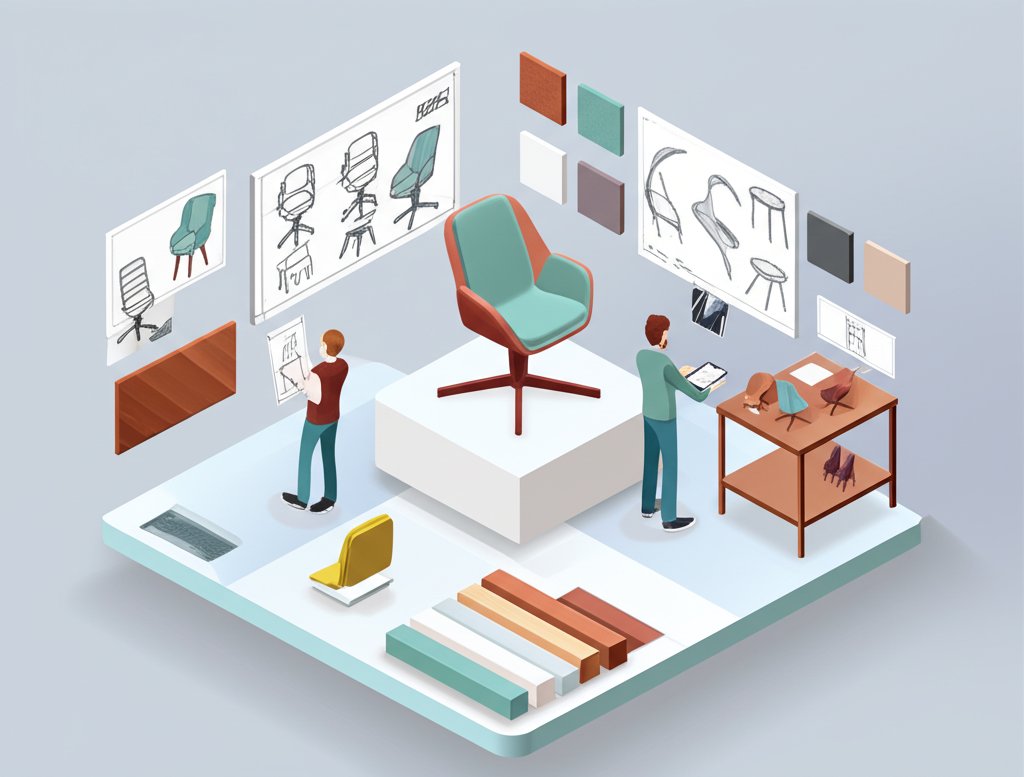
Q1: What are the most important aspects when describing chairs for sale?
A1: When describing chairs for sale, prioritize functionality (comfort, adjustability), materials (durability, aesthetic appeal), dimensions (fit for space), style (matching decor), and any unique features (e.g., storage, massage, recline options). Always highlight benefits for the potential buyer.
Q2: How do you convey comfort in a chair description without just saying “comfortable”?
A2: Instead of just “comfortable,” use sensory language and detail specific features: “plush, sink-in cushions,” “ergonomic lumbar support that cradles the spine,” “generous proportions that invite relaxation,” “soft, tactile upholstery,” or “a gentle recline mechanism designed for effortless repose.”
Q3: What are common styles in chair design today?
A3: Popular chair design styles include Mid-Century Modern (clean lines, organic curves, wood & metal), Scandinavian (minimalist, functional, light wood, natural fabrics), Industrial (raw materials like metal, distressed wood), Contemporary (current trends, often fluid forms, mixed materials), Traditional (ornate details, classic silhouettes), and Transitional (a blend of traditional and contemporary).
Q4: How can I improve my furniture design vocabulary?
A4: To enhance your furniture design vocabulary, actively read design magazines, blogs, and product descriptions from high-end furniture retailers. Pay attention to specific terms used for materials, construction, and aesthetic styles. Observe different chair types and mentally articulate their features using new words.
Q5: What’s the difference between an accent chair and a lounge chair?
A5: An accent chair is primarily a decorative piece, used to add visual interest, a pop of color, or a contrasting style to a room. While it can be comfortable, its main role is aesthetic. A lounge chair, on the other hand, is specifically designed for extended relaxation and comfort, often featuring deeper seats, recline functions, or ottomans, and prioritizing comfort over pure decorative intent.










