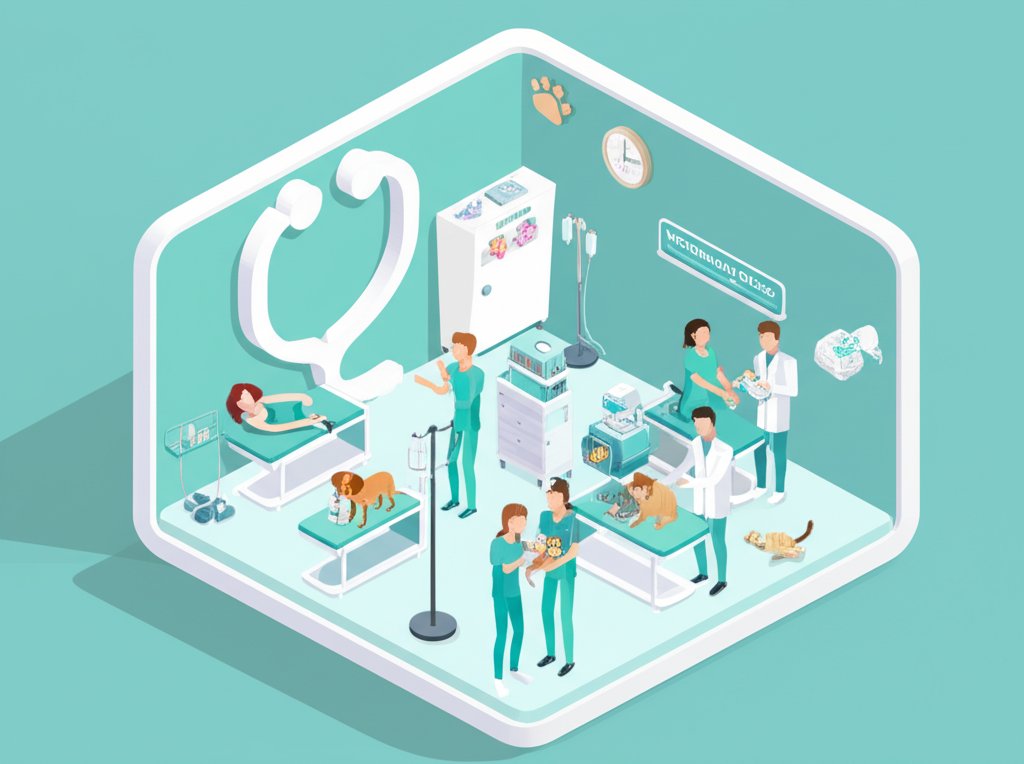
For many, the image of a kind doctor tending to a beloved pet comes to mind when thinking about veterinarians. While this picture is certainly accurate, it barely scratches the surface of the profound and diverse responsibilities held by these highly skilled veterinary professionals. Far more than just animal doctors, veterinarians are guardians of animal health, champions of animal welfare, public health advocates, and scientific innovators. They perform a vast array of veterinary services that impact not only individual animals but also entire communities and ecosystems.
In an increasingly complex world where the bond between humans and animals deepens, the expertise of veterinarians has never been more critical. From the smallest hamster to the largest livestock, from endangered species in the wild to the food on our tables, these dedicated individuals work tirelessly behind the scenes. This comprehensive article aims to dissect the multifaceted world of veterinary medicine, exploring the breadth of their roles, the rigorous journey they undertake, and the indispensable impact they have on our world.
To truly appreciate their dedication and impact, understanding the daily realities of a veterinary professional, including both the challenges and rewards, is key, and resources like this one explaining the secrets of veterinarians can offer valuable insights.
Who Are Veterinarians? More Than Just Animal Doctors
At its core, a veterinarian (also known as a veterinary professional or veterinary surgeon) is a medical doctor trained to diagnose, treat, and prevent illnesses and injuries in animals. However, this definition, while accurate, vastly undersells the complexity and scope of their work. They are scientists, surgeons, diagnosticians, educators, and compassionate caregivers, all rolled into one. Their patients range from domestic pets to livestock, exotic animals, zoo inhabitants, and even wildlife.
Defining the Modern Veterinary Professional
The modern veterinary professional operates at the intersection of science, compassion, and public health. They leverage a deep understanding of animal anatomy, physiology, pathology, and pharmacology to deliver comprehensive care. Unlike human doctors who often specialize early, many general practice veterinarians are equipped to handle a wide array of conditions across various species, showcasing an incredible breadth of knowledge. Their unique perspective on health extends beyond individual treatment, considering the animal’s environment, behavior, and the human-animal bond.
A Legacy of Care: The Evolution of Veterinary Medicine
The history of veterinary medicine is as old as the domestication of animals. Early civilizations already recognized the importance of keeping their livestock healthy, with evidence of animal doctors dating back to ancient Egypt and India. Over centuries, this field evolved from rudimentary practices to a sophisticated science. The 20th and 21st centuries have seen an explosion in veterinary services, driven by advanced research, technological innovation, and a growing societal emphasis on animal welfare. Today’s veterinarians benefit from cutting-edge tools and knowledge, allowing for more precise diagnostics, effective treatments, and proactive preventative care than ever before. This continuous evolution means that veterinary professionals are lifelong learners, constantly adapting to new discoveries and techniques to safeguard animal health.
The Multifaceted World of Veterinary Services
The array of veterinary services offered is astonishingly broad, catering to the unique needs of different species and situations. These services are designed not only to react to illness but, crucially, to proactively promote and maintain robust animal health.
Comprehensive Clinical Care: Diagnostics, Treatment, and Surgery
At the heart of private practice, veterinarians provide extensive clinical care. This includes:
- Routine Health Check-ups and Wellness Exams: Essential for early detection of potential issues, these check-ups involve thorough physical examinations, health assessments, and discussions about nutrition, exercise, and behavior.
- Vaccinations: A cornerstone of preventative animal health, vaccinations protect against a multitude of infectious diseases, significantly reducing suffering and mortality.
- Diagnostic Imaging: Utilizing X-rays, ultrasound, CT scans, and MRI, veterinarians can visualize internal structures to pinpoint issues ranging from fractures to organ diseases.
- Laboratory Services: In-house or external labs analyze blood, urine, tissue samples, and other bodily fluids to diagnose infections, assess organ function, and detect abnormalities.
- Surgical Procedures: From routine spaying and neutering to complex orthopedic surgeries, tumor removals, and emergency interventions, veterinary professionals perform a wide range of surgical operations.
- Dental Care: Dental health is paramount for overall well-being. Veterinarians provide professional cleanings, extractions, and treatment for periodontal disease.
- Internal Medicine: Managing chronic conditions like diabetes, kidney disease, and heart conditions requires ongoing care, medication, and lifestyle adjustments, all overseen by veterinarians.
Preventive Animal Health Strategies
Proactive care is often the most effective path to sustained animal health. Veterinarians play a critical role in educating owners and implementing preventative measures:
- Parasite Control: Recommending and administering treatments for fleas, ticks, heartworm, and intestinal worms, which are vital for both animal and human health.
- Nutrition Counseling: Guiding owners on appropriate diets for their animals’ age, breed, and health status, addressing issues like obesity or dietary sensitivities.
- Behavioral Consultations: Addressing behavioral problems that can impact an animal’s quality of life and the human-animal bond, often collaborating with certified animal behaviorists.
- Microchipping: Providing permanent identification to help reunite lost pets with their families.
Emergency and Critical Care
Accidents and sudden illnesses can strike without warning. Emergency veterinarians and critical care specialists provide life-saving interventions around the clock. These highly stressful environments demand rapid diagnosis, swift action, and advanced medical expertise to stabilize critically ill or injured animals. From trauma care to treating acute poisonings, their dedication ensures animals have the best chance of recovery.
Specializations in Veterinary Medicine
Just like human medicine, veterinary medicine has become increasingly specialized. After their general veterinary degree, many veterinary professionals undertake additional rigorous training and certification in specific fields. Some common specializations include:
- Small Animal Practice: Focusing on common companion animals like dogs, cats, and sometimes pocket pets.
- Large Animal Practice: Specializing in livestock such such as cattle, horses, sheep, and pigs, often involving farm visits and herd health management.
- Equine Veterinary Medicine: Dedicated to the unique health needs of horses, from performance issues to complex lameness.
- Exotic and Zoological Medicine: Working with non-traditional pets (reptiles, birds, small mammals) and animals in zoos or wildlife parks.
- Public Health: Focusing on zoonotic diseases (transferable between animals and humans), food safety, and epidemiology.
- Research: Advancing veterinary medicine through scientific discovery in universities, pharmaceutical companies, or government agencies.
- Specialty Disciplines: Such as veterinary ophthalmology, dermatology, oncology, cardiology, internal medicine, surgery, anesthesiology, and pathology, offering advanced care for complex conditions.
Beyond the Clinic: Veterinary Professionals and Animal Welfare
The commitment of veterinary professionals extends far beyond clinical treatment. They are vital advocates for animal welfare, playing crucial roles in public health, conservation, and ethical standards across various industries.
Guardians of Ethical Treatment
Veterinarians are often the first line of defense against animal cruelty and neglect. They assess animal living conditions, identify signs of abuse, and provide expert testimony in legal cases. They also help shape policies and regulations that protect animals, ensuring humane treatment in agriculture, research, and companion animal ownership. Their ethical framework guides decisions that prioritize an animal’s quality of life and minimize suffering. This dedication to animal welfare is a fundamental pillar of the veterinary profession.
Public Health Defenders: Zoonotic Disease Prevention
One of the most critical, yet often unseen, roles of veterinarians is in public health. Many diseases are zoonotic, meaning they can spread between animals and humans (e.g., rabies, Lyme disease, avian flu). Veterinarians are on the front lines of preventing these outbreaks by:
- Disease Surveillance: Monitoring animal populations for emerging diseases.
- Vaccination Programs: Protecting pets and livestock from diseases that could spread to humans.
- Education: Informing the public about safe animal handling and disease prevention.
- Collaboration: Working with human health organizations to implement “One Health” initiatives that recognize the interconnectedness of human, animal, and environmental health.
This proactive work by veterinary professionals directly safeguards human communities and global animal health.
Conservation and Wildlife Rehabilitation
In an era of biodiversity loss, veterinarians are critical players in conservation efforts. They work with endangered species in zoos, wildlife sanctuaries, and in the field, providing medical care, assisting with breeding programs, and researching diseases that threaten wild populations. Wildlife veterinary professionals also rehabilitate injured or orphaned native animals, aiming to return them to their natural habitats. Their expertise in wildlife animal health is indispensable for preserving our planet’s natural heritage.
Agricultural Animal Health and Food Safety
Veterinarians specializing in large animal or food animal medicine are essential for ensuring a safe and abundant food supply. They work with farmers to maintain the health and welfare of livestock, leading to higher quality products for consumers. Their contributions include:
- Herd Health Management: Developing preventative health programs for large groups of animals.
- Disease Control: Diagnosing and treating illnesses to prevent widespread outbreaks that could devastate farms and impact food production.
- Food Safety: Ensuring animals intended for consumption are healthy and that agricultural practices meet strict safety standards.
- Antibiotic Stewardship: Promoting responsible use of antibiotics to prevent antimicrobial resistance, a critical global health concern.
The Rigorous Journey to Becoming a Veterinarian
Becoming a veterinarian is a testament to immense dedication, intelligence, and resilience. The path is long, competitive, and demanding, requiring years of intensive academic and practical training.
Education and Training: Years of Dedication
The journey typically begins with a bachelor’s degree, often in a science-related field such as biology, chemistry, or animal science, followed by acceptance into an accredited veterinary medical college. This Doctor of Veterinary Medicine (DVM or VMD) program usually spans four intense years, covering a vast curriculum including:
- Basic Sciences: Anatomy, physiology, biochemistry, pharmacology.
- Clinical Sciences: Pathology, microbiology, immunology, parasitology.
- Clinical Rotations: Hands-on experience across various specialties like surgery, internal medicine, emergency, and large animal practice.
Upon graduation, veterinary professionals must pass a national licensing examination (like the North American Veterinary Licensing Examination – NAVLE in the US and Canada) and often state-specific exams to practice legally. Many also pursue internships and residencies for further specialization, adding several more years of training.
Essential Skills and Qualities of Veterinary Professionals
Beyond scientific knowledge, successful veterinary professionals possess a unique blend of personal attributes:
- Compassion and Empathy: A genuine love for animals and understanding of their suffering is paramount.
- Problem-Solving and Critical Thinking: Diagnosing animals who cannot speak requires keen observational skills and logical deduction.
- Manual Dexterity: For surgical procedures and delicate examinations.
- Communication Skills: Effectively interacting with animal owners, explaining complex medical conditions, and providing clear instructions.
- Emotional Resilience: Dealing with difficult cases, euthanasia, and owner grief requires significant emotional strength.
- Business Acumen: Many veterinarians own or manage their practices, requiring business and leadership skills.
Continuing Education and Professional Development
The field of veterinary medicine is constantly evolving. To maintain their licenses and stay at the forefront of animal health care, veterinarians are required to participate in ongoing continuing education. This includes attending conferences, workshops, and online courses to learn about new treatments, technologies, and research findings. This commitment to lifelong learning ensures that veterinary professionals can always provide the best possible veterinary services.
Partnering with Your Veterinarian for Optimal Animal Health

For pet owners, partnering effectively with your veterinarian is crucial for ensuring the best possible animal health outcomes. This relationship is built on trust, communication, and a shared commitment to your animal’s well-being.
Communicating Effectively with Your Veterinary Professional
Open and honest communication is key. When you visit your veterinarian:
- Be Prepared: Note down your animal’s symptoms, changes in behavior, diet, and any questions you have.
- Be Honest: Provide full details about your animal’s history, even if it feels embarrassing (e.g., dietary indiscretions).
- Ask Questions: Don’t hesitate to ask for clarification if you don’t understand a diagnosis or treatment plan.
- Follow Instructions: Adhere to medication schedules and follow-up recommendations diligently.
- Provide Feedback: Let your vet know how your animal is responding to treatment.
This collaboration empowers your veterinarian to provide the most tailored and effective veterinary services.
Understanding Veterinary Services and Costs
High-quality veterinary services often involve advanced diagnostics, specialized treatments, and dedicated professional time, which can incur significant costs. It’s important to:
- Discuss Costs Upfront: Don’t be afraid to ask for estimates before procedures.
- Explore Options: Your veterinarian can often discuss various treatment options and payment plans.
- Consider Pet Insurance: Pet insurance can help manage unexpected animal health expenses.
- Invest in Preventative Care: Regular check-ups and vaccinations are often more cost-effective in the long run than treating advanced diseases.
Advocating for Animal Welfare at Home
Your role in animal welfare extends beyond clinical visits. By providing a safe, enriching environment, proper nutrition, regular exercise, and ample affection, you contribute significantly to your animal’s overall health and welfare. Remember, your veterinary professional is your partner in this journey, offering guidance and support every step of the way.
The Future of Veterinary Medicine

The field of veterinary medicine is on the cusp of exciting advancements, promising even greater improvements in animal health and animal welfare.
Advancements in Technology and Treatment
Innovation continues to revolutionize veterinary services. We are seeing:
- Advanced Diagnostics: More sophisticated imaging, genetic testing, and rapid disease detection tools.
- Personalized Medicine: Tailoring treatments based on an individual animal’s genetic makeup and specific health markers.
- Regenerative Therapies: Using stem cells and other biological approaches to heal injuries and diseases.
- Minimally Invasive Surgery: Endoscopic and laparoscopic techniques leading to faster recovery times.
- New Pharmaceutical Developments: Targeted medications for specific animal diseases.
Telemedicine and Accessibility
The rise of telemedicine is making veterinary services more accessible, especially for routine consultations, follow-ups, and behavioral advice. While not replacing in-person examinations for critical cases, virtual platforms can improve convenience, reduce travel, and extend the reach of veterinary professionals to remote areas, enhancing animal health access for many.
Growing Role in Global Animal Health
As global interconnectedness increases, so does the risk of transboundary animal diseases. Veterinarians will play an even more prominent role in international collaborations, disease surveillance, and disaster response, addressing global animal health challenges that impact economies, ecosystems, and human populations worldwide. Their expertise will be vital in safeguarding the health of animals on a planetary scale.
Conclusion
The role of veterinarians is undeniably vital, stretching far beyond the immediate care of sick pets. They are indispensable veterinary professionals dedicated to sustaining and enhancing animal health and championing animal welfare across countless species and environments. Through their comprehensive veterinary services—from cutting-edge clinical treatments to crucial public health initiatives and conservation efforts—they impact the lives of animals, humans, and the planet in profound ways.
The rigorous education, unwavering compassion, and scientific acumen required to be a veterinarian underscore the immense value they bring. As we continue to deepen our understanding and appreciation for the animal kingdom, the work of these tireless heroes will only grow in importance. Let us recognize, support, and honor the veterinarians who work diligently every day to unveil and uphold the vital role they play in animal health.
FAQ
What exactly is a veterinarian?
A veterinarian is a highly trained medical professional who specializes in the diagnosis, treatment, and prevention of diseases and injuries in animals. They provide a wide range of medical, surgical, and dental care, and often play crucial public health roles.
What are the different types of veterinary professionals?
Veterinary professionals can specialize in many areas, including small animal medicine (dogs, cats), large animal medicine (livestock), equine medicine (horses), exotic and zoo animal medicine, public health, research, and various specialized clinical fields like surgery, oncology, or dermatology.
How do veterinarians contribute to animal health?
Veterinarians contribute to animal health through preventative care (vaccinations, parasite control), diagnostic testing, surgical interventions, medical treatments, nutritional guidance, and emergency care. They aim to prevent illness, treat existing conditions, and improve animals’ overall quality of life.
What veterinary services are typically offered?
Common veterinary services include routine check-ups, vaccinations, spaying/neutering, dental cleanings, diagnostic imaging (X-rays, ultrasound), blood tests, surgical procedures, emergency care, and consultations on nutrition and behavior. Many clinics also offer specialized services depending on their expertise.
How important is animal welfare to the veterinary profession?
Animal welfare is a core principle of the veterinary profession. Veterinarians are advocates for humane treatment, working to minimize suffering, promote ethical animal care standards, and educate owners on responsible animal ownership. They play a key role in identifying and addressing animal neglect or abuse.
How long does it take to become a veterinarian?
Becoming a veterinarian typically requires 8 or more years of higher education: a 4-year bachelor’s degree followed by a 4-year Doctor of Veterinary Medicine (DVM) program at an accredited veterinary school. Many also pursue additional internships and residencies for specialization.
Can veterinarians work with wildlife or farm animals?
Yes, absolutely. Many veterinarians specialize in treating farm animals (livestock, poultry) to ensure their health and welfare and maintain food safety. Others dedicate their careers to wildlife, working in conservation, rehabilitation centers, or zoos to protect and treat wild species.










