
Are you ready to truly understand the world of beauty? Beyond the surface glamour lies a rich tapestry of history, science, and profound human connection. Many perceive cosmetology as merely styling hair or applying makeup, but these cosmetology facts will shatter those misconceptions and reveal secrets that transform how you view this dynamic industry. From ancient rituals to cutting-edge science, the field of cosmetology is far more intricate and impactful than often assumed. Get ready to have your mind blown as we uncover five essential secrets that illuminate the true essence of this captivating profession.
The Ancient Roots of Modern Beauty: Deeper Than You Think
When we talk about facts about cosmetology, one of the most astonishing is its profound and ancient lineage, stretching back thousands of years. The desire to enhance one’s appearance is not a modern fad but a timeless human endeavor, deeply embedded in culture, ritual, and status.
Beyond Egyptian Kohl: A Global Chronology
While ancient Egyptians are often credited with originating cosmetics, their practices were incredibly sophisticated and reflect a global trend. They used kohl for both eyeliner and as a protective measure against sun glare and eye infections, deriving it from galena. Malachite was used for eyeshadow, and red ochre for lips and cheeks. But the story doesn’t end there:
- Mesopotamia (c. 3000 BCE): Sumerians were known to crush gemstones to create shimmering eye makeup.
- Ancient Greece (c. 800 BCE): While valuing natural beauty, Greek women used white lead and chalk to lighten skin, and vegetable dyes for lips and cheeks. Early forms of hair dyes, often made from plant extracts, were also common.
- Ancient Rome (c. 500 BCE – 500 CE): Roman women employed extensive beauty routines. They used lead for whitening, charcoal for eyes, and even an early form of depilatory crème. Roman poetry even hints at precursors to hot curling irons! Wigs were prevalent, crafted from human hair and often dyed blonde or red.
- Ancient China (c. 3000 BCE): Nail staining with plant-based dyes like henna and beeswax was a status symbol, with specific colors reserved for royalty. They also developed elaborate skincare routines and created intricate hairstyling using adornments.
These fun facts about cosmetology illustrate that beauty practices were not just aesthetic but often intertwined with social hierarchy, religious beliefs, and even medicinal purposes, showcasing a complex understanding of appearance and well-being.
To delve deeper into the historical timeline and discover even more surprising insights, explore these fascinating facts about cosmetology and its evolution.
The Origin of the Word “Cosmetology”
The word “cosmetology” itself is derived from the Greek word “kosmetikos,” meaning “skilled in adornment” or “beautifying.” This etymology encapsulates the profession’s core purpose: to enhance and celebrate the inherent beauty within each individual. Understanding these deep historical roots provides context for how modern cosmetology has evolved, building upon centuries of innovation and human desire for self-expression.
Cosmetology is a Deep Science, Not Just Art
Many see cosmetology as a purely artistic endeavor, focused on aesthetics and creativity. While artistry is undeniably crucial, one of the most surprising cosmetology facts is the profound scientific foundation underpinning every treatment and product. This isn’t just about making things look good; it’s about understanding the intricate biology and chemistry that make beauty possible.
The Chemistry of Hair, Skin, and Nails
Behind every perfect hair color, flawless facial, or durable nail extension lies a deep understanding of scientific principles:
- Hair Chemistry: Hair colorists are essentially chemists. They must understand the pH balance of products, the molecular structure of hair (keratin, melanin), and how various chemicals interact to deposit, lift, or neutralize color without damaging the hair shaft. Perms and relaxers involve breaking and reforming disulfide bonds in the hair.
- Skin Biology and Anatomy: Estheticians are knowledgeable in dermatological science. They study the layers of the skin (epidermis, dermis, hypodermis), cell turnover rates, common skin conditions (acne, rosacea, hyperpigmentation), and the mechanisms of various skincare ingredients (AHAs, BHAs, retinoids, antioxidants). They select products and perform treatments based on a client’s specific skin type and concerns, often dealing with the skin’s protective barrier and its microbiome.
- Nail Science: Nail technicians understand the anatomy of the nail plate, nail bed, and surrounding skin. They work with complex polymers in gels and acrylics, ensuring proper adhesion, curing, and removal to maintain nail health and prevent fungal infections. Sterilization and sanitation protocols are critical, rooted in microbiology and public health.
These detailed facts about cosmetology highlight that practitioners are not just artists but skilled technicians who apply scientific knowledge to achieve safe and effective results.
Product Development and Innovation
The beauty industry is a multi-billion dollar sector driven by continuous scientific innovation. Cosmetologists often work with or recommend products developed through extensive research in chemistry, biology, and even physics. Understanding ingredients lists, active compounds, and how products interact is a core competency, ensuring clients receive the best and safest care. This scientific literacy is what truly elevates the profession beyond mere application.
The Psychological Impact & Wellness Connection is Profound
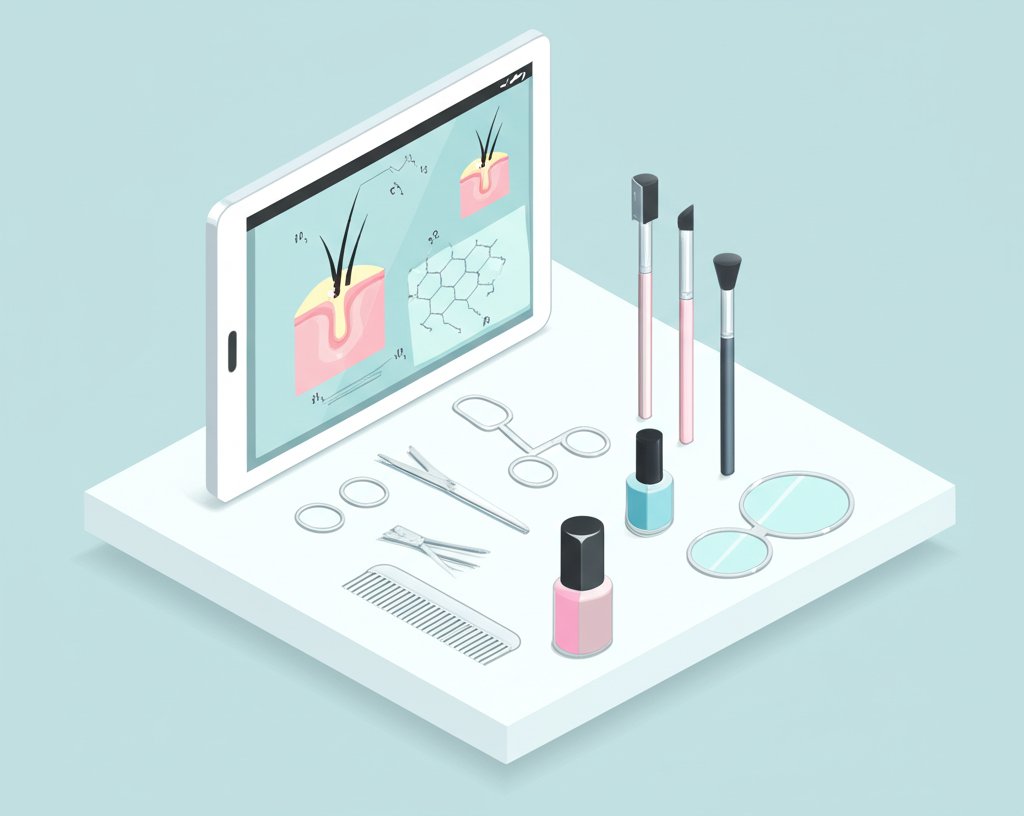
Beyond the superficial, another compelling truth among cosmetology facts is its significant psychological and emotional impact on clients. Cosmetology isn’t just about external transformation; it’s about fostering self-esteem, promoting mental well-being, and providing a space for therapeutic interaction.
Boosting Confidence and Self-Esteem
The power of a new haircut, a refreshing facial, or a perfectly sculpted set of nails extends far beyond physical appearance. For many, these services are a powerful tool for self-expression and confidence:
- Identity Reinforcement: A new look can help individuals express their personality, adapt to life changes, or even re-establish a sense of self after a difficult period.
- Feel-Good Factor: The act of being pampered and taken care of can significantly reduce stress, providing a much-needed mental break and a boost in mood.
- Professional Impact: Looking and feeling good can even translate into increased confidence in professional settings, affecting job interviews, workplace interactions, and overall career progression.
These fun facts about cosmetology underscore that the intangible benefits often outweigh the tangible results, making the profession deeply rewarding for both practitioner and client.
A Sanctuary for Self-Care and Connection
Cosmetology services often provide a unique, intimate setting for clients to relax, recharge, and even confide in their cosmetologists. The salon or spa chair often doubles as a therapeutic space:
- Stress Reduction: Facials, massages, and even shampooing can induce relaxation, lowering stress hormones and promoting a sense of calm.
- Human Connection: For many, regular visits to a cosmetologist are a consistent source of positive social interaction, combating loneliness and fostering a sense of community.
- Empowerment: Cosmetologists empower clients by teaching them how to care for their hair, skin, and nails, providing knowledge that extends the benefits of their services into daily life.
This deep wellness connection highlights that cosmetologists are not just beauty providers but often trusted confidantes and pillars of support in their clients’ self-care journeys.
A Multi-Specialty Ecosystem: Beyond Hair & Makeup
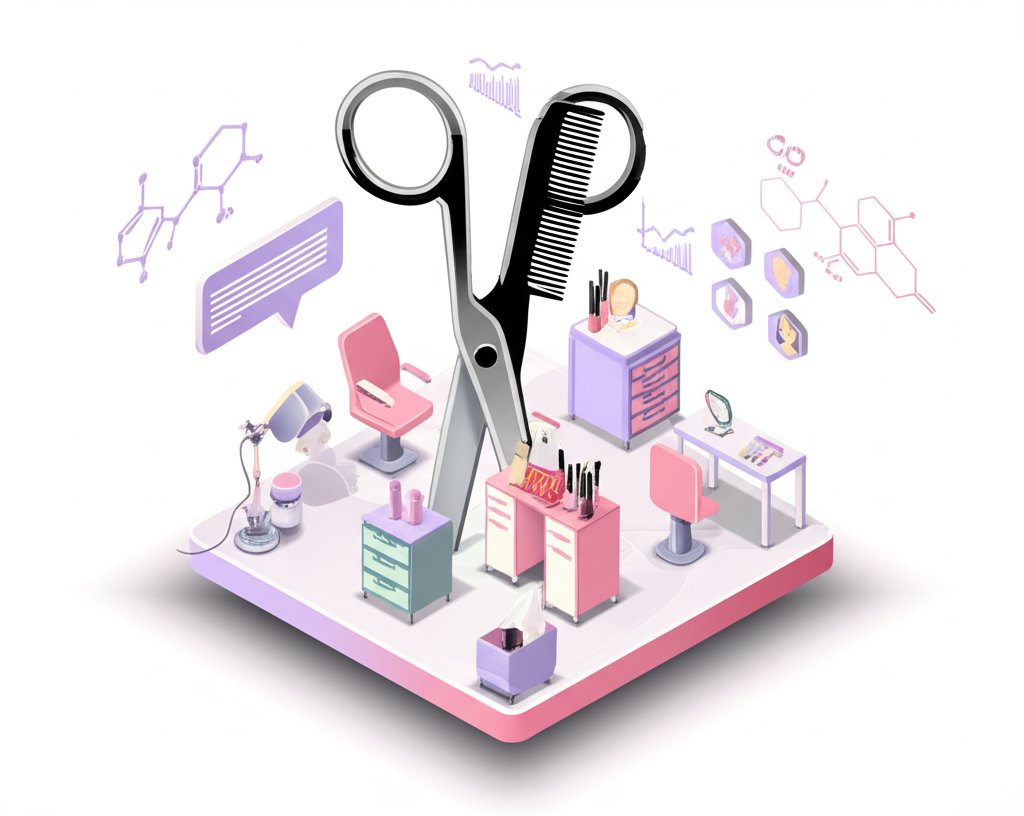
When most people think of cosmetology, they envision a hairstylist or a makeup artist. However, one of the most important facts about cosmetology is its incredibly diverse and specialized nature. The industry is a vast ecosystem of distinct disciplines, each requiring unique skills, knowledge, and certifications.
The Myriad of Specializations
Cosmetology is an umbrella term encompassing a wide array of beauty arts. Attending cosmetology school is a gateway to versatility, allowing professionals to specialize in:
- Hairstyling and Hairdressing: This core area includes cutting, coloring, perming, relaxing, extensions, and intricate styling for various occasions.
- Esthetics (Skincare): Estheticians focus on skin health, offering facials, peels, microdermabrasion, waxing, body treatments, and advanced skincare analysis. This field often bridges with medical aesthetics, working alongside dermatologists.
- Nail Technology: Nail technicians specialize in manicures, pedicures, artificial nail applications (acrylics, gels, dips), and intricate nail art, prioritizing nail health and sanitation.
- Makeup Artistry: While often part of general cosmetology, some specialize solely in makeup for bridal, fashion, film, theater, or special effects.
- Barbering: A distinct but related field focusing on men’s hair, beard grooming, and straight-razor shaves.
- Electrology & Laser Hair Removal: Specialists in permanent hair reduction techniques using electrolysis or laser technology, requiring advanced training and equipment.
- Permanent Makeup Artistry: Applying cosmetic tattoos for eyebrows, eyeliner, or lip color.
- Cosmetology Instructor: For those passionate about teaching, becoming an instructor allows them to shape the next generation of beauty professionals.
These specialized cosmetology facts reveal that choosing a career in beauty offers an unparalleled range of paths, allowing individuals to hone specific skills and become true experts in their niche.
Interdisciplinary Collaboration
The beauty ecosystem also thrives on collaboration. A client might see a hairstylist for color, an esthetician for a chemical peel, and a nail technician for a manicure, all potentially within the same salon or spa. This interdisciplinary approach provides comprehensive care and demonstrates the holistic nature of modern beauty. The ability to complete cosmetology school in a relatively short period (often around one year for foundational training) provides a robust skill set, with further specialization often pursued through advanced certifications.
Diverse Paths & Unconventional Niches: The Future is Bright
Beyond traditional salon and spa settings, the beauty industry offers a wealth of surprising and unconventional career opportunities. This is one of the more exciting fun facts about cosmetology, showcasing the true adaptability and expansive nature of the field.
Beyond the Salon: Unleashing Creativity and Impact
The skills acquired in cosmetology school are highly transferable and open doors to a multitude of creative and impactful roles:
- Film, Television, & Theater: Cosmetologists are vital behind the scenes, creating historically accurate or fantastical looks for actors, managing wigs, and applying special effects makeup.
- Fashion & Editorial: Working on photoshoots, runway shows, and magazine spreads, setting trends and defining aesthetics.
- Product Development & Education: Many cosmetologists transition into roles with beauty brands, contributing to new product formulations, sales, or providing education and training to other professionals.
- Medical Aesthetics: Working in clinics alongside doctors, assisting with pre- and post-operative skincare, scar camouflage, or specialized treatments for conditions like alopecia.
- Travel & Cruise Ships: Offering services to clients globally, combining passion for beauty with wanderlust.
- Entrepreneurship: Many cosmetologists open their own salons, spas, or freelance businesses, becoming independent artists and business owners.
- Forensic Cosmetology: A niche field involving restoring the appearance of deceased individuals for open-casket viewings, requiring immense skill and sensitivity.
- Cosmecaregivers: Providing in-home beauty and skincare services for those who are homebound or have limited mobility, blending care with beautification.
These cosmetology fun facts illustrate that the industry is constantly evolving, encouraging professionals to push boundaries, innovate, and find unique ways to apply their talents. From the glitz of Hollywood to the quiet care of a homebound client, the impact of a cosmetologist is far-reaching and deeply personal. The income potential also varies widely, from entry-level positions to highly specialized roles, demonstrating a broad spectrum of financial opportunities depending on skill, specialization, and location.
Conclusion: The Enduring Power of Cosmetology
The world of cosmetology is far more complex, scientific, and impactful than its glamorous facade suggests. We’ve journeyed from its ancient, sophisticated origins across diverse cultures to its modern scientific underpinnings, exploring its profound psychological benefits, its vast specializations, and the exciting, unconventional career paths it offers. These mind-blowing cosmetology facts reveal a profession that seamlessly blends art and science, history and innovation, personal care and profound human connection.
No longer just about vanity, cosmetology is a powerful force for self-expression, confidence, and well-being. Whether you’re considering a career in this dynamic field or simply appreciate the beauty services you receive, understanding the depth and breadth of cosmetology allows for a greater appreciation of the skilled professionals who bring art and science to life. The secrets revealed here underscore that cosmetology is an essential, ever-evolving industry vital to human culture and personal flourishing.
FAQ: Your Top Questions About Cosmetology Answered
Q1: What does the word “cosmetology” mean, and where does it come from?
A: The word “cosmetology” is derived from the ancient Greek word “kosmetikos,” which means “skilled in adornment” or “beautifying.” It perfectly captures the essence of enhancing and celebrating beauty.
Q2: Did ancient civilizations truly practice cosmetology?
A: Absolutely! Ancient Egyptians used kohl and malachite, Romans had intricate beauty routines including early hot curlers, and Chinese civilizations used vegetable dyes for nails and elaborate hair adornments. These practices often held cultural, social, and even medicinal significance, making them fascinating fun facts about cosmetology.
Q3: Is cosmetology purely an artistic field, or does it involve science?
A: Cosmetology is a profound blend of both art and science. Practitioners must understand the chemistry of hair and skin, ingredient interactions, anatomy, and microbiology to perform services safely and effectively. This scientific foundation is one of the most critical facts about cosmetology.
Q4: What are some less common specializations within cosmetology?
A: Beyond traditional hairdressing and makeup, specializations include medical aesthetics (working in clinical settings), electrology (permanent hair removal), permanent makeup artistry, product development, teaching, and even forensic cosmetology or cosmecaregiving services for homebound clients. These diverse roles highlight many unique cosmetology facts.
Q5: How long does it typically take to complete cosmetology school?
A: The duration of cosmetology school can vary by region and program, but foundational training often takes around one year for full-time students. This equips graduates with versatile skills across various beauty services, making it a relatively quick entry point into a rewarding career.
Q6: How does cosmetology impact a person’s well-being beyond appearance?
A: Cosmetology plays a significant role in mental and emotional well-being. Services can boost self-esteem, reduce stress, provide a sense of relaxation, and foster positive human connection, offering a therapeutic experience that goes far beyond just a physical change. These are important facts about cosmetology that underscore its deeper value.
Q7: Are there opportunities for cosmetologists in the entertainment industry?
A: Yes, many cosmetologists thrive in the entertainment industry, working on film sets, television productions, theatrical stages, and fashion photoshoots. They create character looks, manage wigs, and apply special effects makeup, showcasing the extensive range of roles available.
Q8: What kind of income can a cosmetologist expect?
A: Income for cosmetologists can vary widely based on specialization, experience, location, and whether they are employed by a salon/spa or are self-employed. Entry-level positions might start lower, while highly skilled specialists, entrepreneurs, or those in niche fields like film and TV can earn significantly more.










