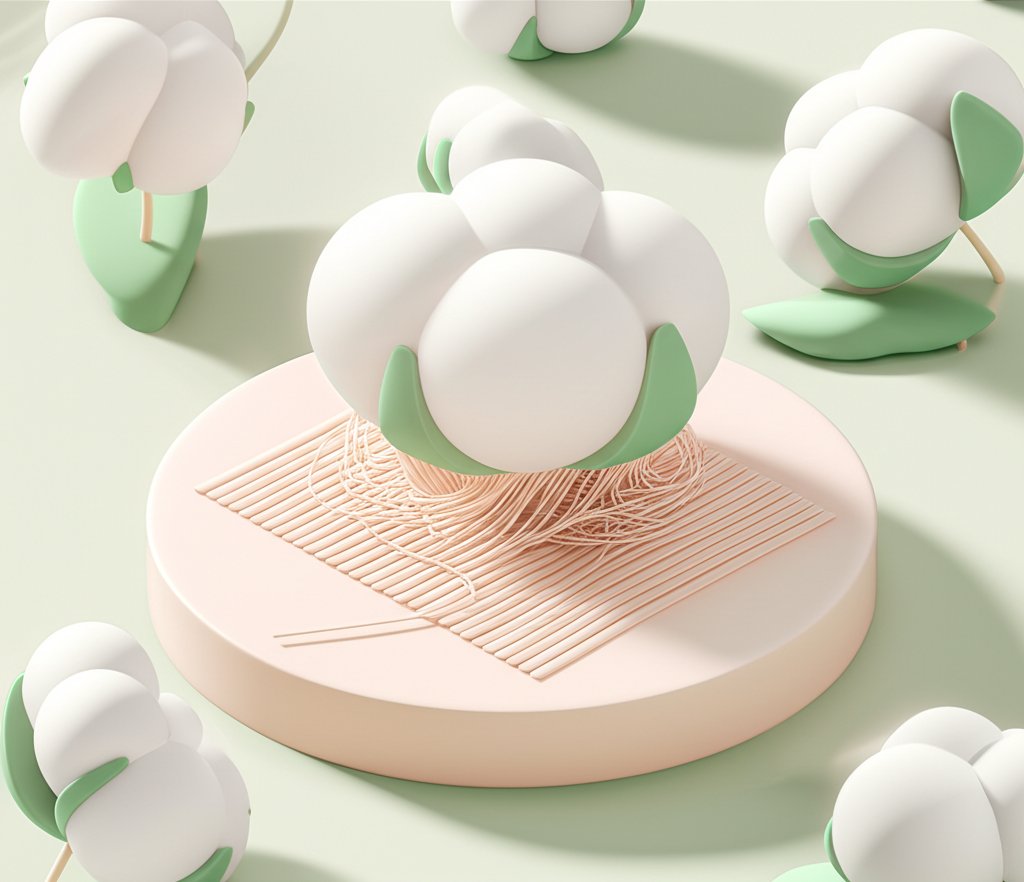
Welcome to the definitive guide on cotton fabric, a textile marvel that has clothed humanity for millennia. If you’ve ever wondered what makes cotton such a universally beloved material, from your softest t-shirt to the most durable denim, you’re about to uncover its secrets. As a fabric that balances unparalleled comfort with surprising strength, understanding its inherent cotton properties is key to appreciating its widespread use and enduring appeal.
This expert guide will delve deep into the world of cotton, exploring its rich history, the scientific marvel behind its unique characteristics, its diverse applications, and how to best care for this remarkable textile. Prepare to uncover why cotton fabric truly reigns supreme and how its distinct qualities continue to shape our daily lives.
The Enduring Legacy of Cotton: A Global Textile Powerhouse

The story of cotton is interwoven with human civilization itself. More than just a simple fiber, cotton represents a millennia-old partnership between nature and human ingenuity, culminating in the ubiquitous fabric we know today. Its journey from a fluffy boll to a finished textile highlights a legacy of innovation and adaptation.
A Brief History of Cotton Cultivation
Archaeological evidence suggests that cotton was independently domesticated in both the Old and New Worlds as far back as 6,000 BCE in the Indus Valley and 5,000 BCE in Mexico. Ancient civilizations recognized the potential of its soft, spinnable fibers. From the elaborate textiles of ancient Egypt to the vibrant patterns of pre-Columbian South America, cotton fabric has always been a cornerstone of human attire and comfort. The Industrial Revolution dramatically accelerated its processing and global trade, cementing its status as a primary textile commodity. Today, billions worldwide rely on cotton for its comfort and utility.
Cotton’s Economic and Cultural Significance
Beyond its historical roots, cotton remains a pivotal player in the global economy. It supports countless livelihoods, from farmers to factory workers to fashion designers. Culturally, cotton fabric is often associated with comfort, purity, and everyday wear. It has inspired countless artists, artisans, and innovators, demonstrating its profound impact as more than just a raw material—it’s a symbol of human connection to nature and ingenuity.
Beyond its economic impact, the story of cotton’s rise is deeply connected to the history of dressmaking and garment production worldwide, as explored further in this look at the history of dressmaking.
Unpacking the Core Cotton Properties: What Makes It Unique?

The true magic of cotton fabric lies within its microscopic structure and the distinctive cotton properties that emerge from it. These characteristics make it stand out among other textiles and fabrics, influencing everything from its feel to its performance.
The Microscopic Marvel: Cotton Fiber Structure
Each cotton fiber is essentially a flattened, twisted tube made almost entirely of cellulose. This unique structure, particularly the natural twists (called convolutions), allows fibers to interlock securely when spun into yarn, contributing directly to the strength and durability of cotton fabric. The hollow core (lumen) also plays a crucial role in its celebrated absorbency and breathability. The maturity and length of these fibers, often categorized into short, medium, long, and extra-long staple (like Sea Island cotton), significantly influence the quality and luxuriousness of the resulting textile.
Key Physical and Chemical Characteristics of Cotton Fabric
The combination of its cellular structure and chemical composition (pure cellulose) bestows cotton with a suite of highly desirable properties:
- Exceptional Breathability: The natural gaps between cotton fibers and within its cellular structure allow air to circulate freely. This makes cotton fabric incredibly breathable, helping to dissipate heat and moisture, keeping the wearer cool and comfortable in warm climates.
- Superior Absorbency and Moisture Management: Cotton fibers are highly hydrophilic, meaning they readily absorb water. This property makes cotton an excellent choice for towels, bathrobes, and sportswear where moisture absorption is crucial. While it absorbs moisture well, it can also feel heavy when saturated and may take longer to dry compared to some synthetic wicking fabrics. However, its natural ability to draw moisture away from the skin contributes to comfort.
- Remarkable Softness and Comfort: The natural softness of cotton against the skin is legendary. Its smooth, gentle surface minimizes irritation, making cotton fabric a preferred choice for sensitive skin and baby clothing. This intrinsic comfort is a primary driver of its popularity.
- High Durability and Longevity: Despite its soft feel, cotton boasts impressive tensile strength, especially when wet (it can be 20-25% stronger when wet!). This means cotton fabric can withstand frequent washing and wear, making garments and home textiles made from cotton incredibly long-lasting. Its ability to retain shape and color through numerous cycles further underscores its durability.
- Hypoallergenic Nature: As a natural fiber, cotton is generally well-tolerated by individuals with allergies or skin sensitivities. It is less likely to cause irritation compared to synthetic fabrics or wool, making it a safe and comfortable option for a wide range of users.
- Excellent Dyeability: The cellular structure of cotton allows dyes to penetrate deeply and evenly, resulting in vibrant, long-lasting colors. This versatility in coloration is a significant advantage for the fashion and home décor industries, enabling an endless array of aesthetic possibilities for any fabric.
- Ease of Care: Cotton fabric is relatively easy to wash, dry, and iron, contributing to its everyday practicality. While prone to wrinkling if not properly managed, its overall low-maintenance nature makes it a household favorite.
Mercerization and Other Enhancements for Cotton Fabric
To further enhance specific cotton properties, various treatments are applied. Mercerized cotton, for instance, undergoes a treatment with a caustic solution (typically sodium hydroxide) under tension. This process swells the fibers, increasing their strength, luster, and dye uptake, and reducing shrinkage. The result is a stronger, shinier, more vibrant cotton fabric that handles dye better. Other treatments might include brushing for extra softness (flannel), calendering for a smoother finish, or sanforization to minimize shrinkage. These processes demonstrate the adaptability of cotton as a textile fiber, allowing it to be engineered for specialized uses.
Beyond Comfort: Diverse Applications of Cotton Fabric
The unique cotton properties extend its utility far beyond basic attire. From high-fashion garments to critical medical supplies, cotton fabric demonstrates unparalleled versatility across numerous industries.
Fashion & Apparel: From Everyday Wear to High Fashion
Cotton is the undisputed king of casual wear. Think of your favorite pair of jeans (cotton denim), a comfortable t-shirt (cotton jersey), or a crisp button-down shirt (cotton poplin or broadcloth). Its breathability, softness, and durability make it ideal for everyday clothing. However, its adaptability also allows it to grace high-fashion runways. Fine cotton sateen or lawn can be crafted into elegant dresses, while specialized weaves create sophisticated textures. The ability of cotton to blend with other fibers, like silk (creating a luxurious Cotton Silk), further expands its aesthetic and functional range in clothing.
Home Textiles: Comfort and Practicality
In the home, cotton fabric provides a foundation of comfort and practicality. Bedding made from cotton (percale, sateen, flannel) is prized for its breathability and softness, ensuring a comfortable night’s sleep. Towels leverage cotton’s superior absorbency. Upholstery fabrics, curtains, and rugs often feature cotton for its durability, dye retention, and ease of cleaning. Whether it’s a cozy throw blanket or a sturdy slipcover, cotton transforms living spaces with its natural charm and resilience.
Industrial & Specialized Uses
The strength and absorbency of cotton make it invaluable in industrial and medical contexts. From canvas for tents and tarpaulins to strong twill fabrics for workwear, cotton’s robust nature shines. In the medical field, sterile cotton gauze, bandages, and swabs are essential due to their absorbency, softness, and non-irritating nature. Even in niche applications like bookbinding or fishing nets, processed cotton plays a vital role, truly showcasing the breadth of this incredible textile’s capabilities.
Caring for Your Cotton: Maintaining Longevity and Performance
While cotton fabric is known for its durability and ease of care, understanding best practices can significantly extend the life and maintain the aesthetic appeal of your cotton items. Proper care ensures that the unique cotton properties you cherish endure.
Washing and Drying Best Practices
- Separate by Color and Weight: Wash white cotton separately from colors to prevent dye transfer. Group similar fabric weights together to ensure even cleaning and drying.
- Cold or Warm Water: For most cotton fabric items, cold or warm water is sufficient and helps prevent shrinking and fading, especially for colored items. Hot water can be used for whites or heavily soiled items, but be mindful of potential shrinkage.
- Gentle Cycle: A gentle cycle is often best to protect the fibers, particularly for finer cotton weaves.
- Avoid Overloading: Give your cotton items room to move in the washer for a thorough clean.
- Low Heat Drying: High heat can cause cotton to shrink and can weaken fibers over time. Tumble dry on low heat or air dry/line dry to preserve the fabric’s integrity and prevent wrinkles. Remove items promptly from the dryer.
Ironing and Storage Tips
- Damp Ironing: Cotton is easiest to iron when slightly damp. Use a medium to high heat setting with steam.
- Inside Out for Dark Colors: Iron dark-colored cotton fabric inside out to prevent shine marks.
- Proper Storage: Store clean, dry cotton items in a cool, dry place. Fold or hang appropriately to prevent wrinkles. Avoid prolonged exposure to direct sunlight, which can fade colors.
Addressing Common Cotton Concerns
- Shrinking: Cotton has a natural tendency to shrink, especially with the first wash and if exposed to high heat. Look for pre-shrunk cotton or blends to minimize this. Always follow care labels.
- Wrinkling: Due to its cellulose structure, cotton fabric is prone to wrinkling. Prompt removal from the dryer, air drying, and gentle ironing can mitigate this. Blends with synthetics can also reduce wrinkling.
- Fading: While cotton dyes well, prolonged exposure to harsh detergents, bleach, or direct sunlight can cause colors to fade over time. Use color-safe detergents and wash colors separately.
Cotton vs. The World: Comparative Textile Analysis
To truly appreciate the unique cotton properties, it’s helpful to compare it against other popular textiles and fabrics. Understanding these differences highlights why cotton remains a global favorite despite the emergence of new materials.
Natural Fiber Showdown: Cotton vs. Linen, Wool, Silk
- Cotton vs. Linen: Both are natural plant-based fabrics. Linen (from flax) is generally stronger, more absorbent, and dries faster than cotton. It has a distinct crisp, sometimes coarser feel and wrinkles more easily. Cotton is softer, more elastic, and less prone to creasing, offering a different kind of comfort and drape.
- Cotton vs. Wool: Wool (from animals like sheep or alpaca, and includes fibers like Vicuña and Yak) is renowned for warmth, elasticity, and natural moisture-wicking without feeling wet. It’s also naturally wrinkle-resistant. Cotton offers superior breathability and a softer feel for direct skin contact, and is generally more affordable and easier to care for than most wools. Cotton is also hypoallergenic, whereas wool can sometimes cause irritation.
- Cotton vs. Silk: Silk (from silkworms) is a luxurious protein fiber known for its smooth texture, natural sheen, and excellent drape. It’s lightweight, strong, and a natural temperature regulator. Cotton is much more robust, breathable for everyday wear, significantly less expensive, and easier to clean. While silk offers unmatched elegance, cotton provides practical, everyday comfort and durability.
Synthetic Rivals: Cotton vs. Polyester, Rayon
- Cotton vs. Polyester: Polyester is a synthetic fiber known for its exceptional durability, wrinkle resistance, rapid drying, and resistance to shrinking and stretching. However, it is less breathable than cotton and can feel less natural against the skin. Cotton excels in breathability, absorbency, and comfort, making it preferable for those seeking natural fibers, while polyester often wins on low-maintenance and moisture-resistance.
- Cotton vs. Rayon (Viscose): Rayon is a semi-synthetic fiber made from regenerated cellulose (often wood pulp), so it shares some properties with cotton, such as softness and absorbency. However, rayon is typically weaker when wet than cotton and can wrinkle more easily. Cotton offers greater overall resilience, especially when wet, and is generally more durable and less prone to stretching out of shape.
Conclusion: Cotton Fabric – The Unrivaled Textile Champion
From its ancient origins to its indispensable role in the modern world, cotton fabric undeniably stands as a pillar of the textile industry. Its remarkable blend of unique cotton properties—including unparalleled breathability, comforting softness, robust durability, and incredible absorbency—solidifies its position as a truly superior fabric.
This “Expert Guide” has illuminated not just the science behind cotton’s enduring appeal, but also its vast applications across fashion, home, and specialized industries, alongside essential care practices. When you choose cotton, you’re selecting a material that offers comfort, reliability, and a history rich with innovation. Embrace the timeless favorite; experience the unmatched quality of cotton fabric,










