The year 1997 was far more than just a collection of dates; it was a crucible where global identities, political landscapes, and even our collective sense of humanity were profoundly reshaped. The seismic shockwaves from Princess Diana’s tragic death and the symbolic return of Hong Kong to China reverberated through every corner of the planet, making 1997 world events a touchstone for understanding the era’s complexities and contradictions. These weren’t isolated incidents but rather critical junctures that exposed societal fault lines, challenged established norms, and set new precedents for media, diplomacy, and public life.
Understanding these pivotal moments isn’t just about revisiting history; it’s about discerning the origins of today’s geopolitical dynamics and cultural conversations. By examining the immediate aftermath and long-term implications of these specific 1997 world events, we gain a clearer perspective on how power shifts, collective grief, and media scrutiny continue to influence our world.
At a Glance: Key Insights from 1997’s Defining Moments
- Geopolitical Rebalancing: Understand how Hong Kong’s handover signaled a significant shift in global power dynamics, challenging Western hegemony and marking China’s ascendancy.
- Media and Monarchy Under Scrutiny: Learn how Princess Diana’s death ignited intense debates about media ethics, the role of royalty, and public grief’s unprecedented scale.
- Long-Term Impact on Diplomacy: Recognize how foundational decisions made in 1997, like the Kyoto Protocol, continue to shape international environmental and political discourse.
- Technological and Cultural Foreshadowing: See how the year’s innovations, from Google’s registration to the cloning of Dolly the sheep, laid groundwork for the digital age and ethical dilemmas.
- Interconnectedness of Global Events: Appreciate how seemingly disparate events, from cult suicides to sporting triumphs, collectively painted a picture of a world in rapid transition.
The Global Stage Transforms: Hong Kong’s Handover and the New World Order
On June 30, 1997, a meticulously choreographed ceremony marked the end of 156 years of British colonial rule as Hong Kong was returned to China. This wasn’t merely a flag-changing exercise; it was a monumental 1997 world event that symbolized a broader rebalancing of global power, signaling a nascent shift from a purely Western-centric order. The moment encapsulated complex negotiations and deeply held anxieties about Hong Kong’s future autonomy.
The “One Country, Two Systems” principle, enshrined in the Basic Law, promised Hong Kong a high degree of autonomy, its own currency, legal system, and freedoms for 50 years. This arrangement was groundbreaking, designed to reconcile two vastly different political and economic ideologies. For China, it was a profound assertion of sovereignty and a historical redress of past humiliations. For Britain, it was the final chapter of a vast empire, managed with an eye toward ensuring stability and preserving Hong Kong’s unique identity.
Navigating Sovereignty: The “One Country, Two Systems” Experiment
The promise of “One Country, Two Systems” was viewed by many as a fragile but necessary compromise. It sought to integrate Hong Kong economically while theoretically shielding its distinct way of life and democratic aspirations. However, from day one, questions lingered about how Beijing would interpret and apply this principle in practice. The handover set the stage for a long-term experiment in co-existence, watched closely by international observers.
Consider this: businesses and residents in Hong Kong, for generations accustomed to British common law and open markets, suddenly found themselves under the governance of a Communist Party-led state. This transition required immense political dexterity and created a climate of uncertainty, particularly for those whose futures depended on the integrity of Hong Kong’s independent institutions. The immediate impact saw a surge in emigration leading up to the handover, as some citizens sought assurances of their freedoms elsewhere, highlighting the palpable anxieties despite the official reassurances.
A World United in Grief: The Untimely Death of Princess Diana
Just two months after the Hong Kong handover, on August 31, 1997, another 1997 world event sent shockwaves across the globe: the death of Diana, Princess of Wales, in a Paris car crash. Her passing, at just 36, triggered an unprecedented outpouring of public grief, fundamentally challenging perceptions of royalty, celebrity, and media intrusion. It was a collective moment of mourning that transcended national borders and social divides, a phenomenon previously unseen in the modern era.
Diana had captivated the world with her humanitarian work, particularly her high-profile campaign against landmines, and her candid approach to life in the royal spotlight. Her personal struggles and public vulnerability resonated deeply with millions. Her death, alongside Dodi Fayed and their driver Henri Paul, under circumstances widely attributed to a high-speed chase by paparazzi, sparked a global inquest into the ethics of tabloid journalism and the relentless pursuit of celebrity.
The Media’s Reckoning and the Monarchy’s Modernization
The days following Diana’s death saw an extraordinary public reaction, characterized by rivers of flowers outside Kensington Palace and Buckingham Palace, and an outpouring of emotional tributes. The sheer scale and intensity of grief caught many, including the British royal family, by surprise. The Queen initially faced criticism for her perceived detachment, prompting a swift, visible response to acknowledge the public’s sorrow and adapt to a changing public mood.
This 1997 world event forced a significant reckoning for both the media and the monarchy. News organizations were compelled to re-evaluate their practices regarding celebrity privacy and aggressive reporting. For the Royal Family, Diana’s death initiated a period of introspection and gradual modernization, as they sought to connect more authentically with a public that increasingly demanded emotional resonance and transparency. Her legacy continues to shape charitable endeavors and conversations around mental health, demonstrating her enduring influence beyond her royal title.
If you’re looking to understand the full scope of 1997’s global impact, including the broader context of these pivotal moments, you’ll find more details that highlight the year’s significant transformations. Explore 1997’s essential facts to gain a comprehensive overview.
Undercurrents of Change: Political and Social Earthquakes
Beyond these two monumental events, 1997 was punctuated by a series of political and social shifts that underlined a world in flux. These 1997 world events collectively painted a picture of changing leadership, evolving international priorities, and moments of profound social tension.
In the UK, Tony Blair’s Labour Party swept to power in May, ending 18 years of Conservative rule. This landslide victory signaled a new era of “New Labour” politics and a significant ideological shift in British governance. On the global environmental stage, the Kyoto Protocol was adopted in December, marking a historic international effort to combat climate change by setting targets for greenhouse gas emission reductions. While its ratification and implementation faced challenges, it laid critical groundwork for future climate action.
Navigating Conflict and Progress: Diverse Political & Social Currents
The year also saw moments of deep tragedy and important progress. Mother Teresa, the beloved Nobel Peace Prize laureate, passed away in September, leaving behind a legacy of selfless service to the poor. Conversely, incidents like the Heaven’s Gate cult mass suicide in California in March served as stark reminders of societal vulnerabilities and the darker fringes of belief.
Politically, the Middle East peace process experienced setbacks, notably with Israel’s approval of a new Jewish settlement in East Jerusalem in February, following the Hebron agreement in January which had seen Israel hand over a large part of the West Bank city. In the United States, Bill Clinton began his second term as President, while Madeleine Albright became the first female U.S. Secretary of State, breaking a significant barrier in American diplomacy. Meanwhile, tragedies like the Albanian anarchy in March, triggered by widespread pyramid scheme failures, highlighted the fragility of emerging economies and governance.
Technological Leaps and Cultural Waves
Amidst the political and social transformations, 1997 world events also showcased remarkable advancements in technology and significant shifts in popular culture. These developments weren’t just background noise; they actively shaped how we would live, interact, and entertain ourselves in the decades to come.
In the scientific realm, IBM’s DeepBlue computer famously defeated world chess champion Garry Kasparov, a watershed moment for artificial intelligence and human-computer interaction. NASA’s Mars Pathfinder mission successfully landed on the red planet in July, sending back unprecedented data and images, captivating audiences and furthering our understanding of space. Crucially, the domain name Google.com was registered, an unassuming 1997 world event that would soon lead to a revolution in information access. The announcement of Dolly the sheep, the first successfully cloned mammal, sparked global ethical debates and pushed the boundaries of biological science.
Shaping Our Future: From Digital Pets to Blockbuster Hits
Culturally, 1997 was a vibrant year. James Cameron’s “Titanic” premiered, becoming an immediate cinematic phenomenon and the highest-grossing film of its time, capturing hearts worldwide. J.K. Rowling’s “Harry Potter and the Philosopher’s Stone” introduced readers to a magical world that would soon become a global obsession. The Spice Girls continued their global dominance, and Elton John’s “Candle in the Wind 1997” became one of the best-selling singles ever, a poignant tribute to Princess Diana.
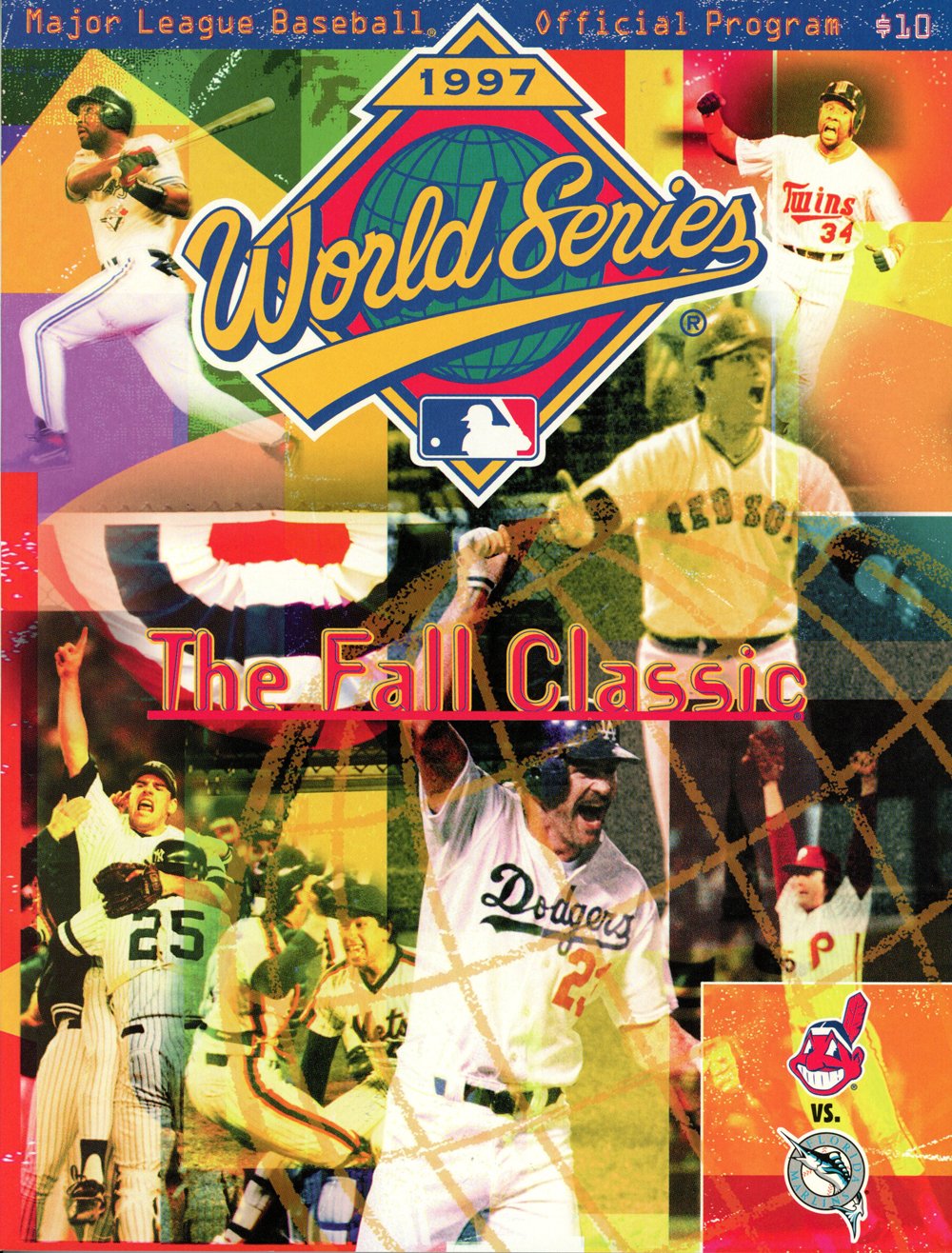
The Tamagotchi digital pet became a global craze, illustrating the burgeoning fascination with interactive technology. In sports, Tiger Woods, at just 21, won his first Masters Tournament, signaling a new era for golf, while the Chicago Bulls continued their dynasty, securing their fifth NBA Championship. These diverse developments, from cutting-edge science to global entertainment, collectively underscore how 1997 world events laid much of the groundwork for the 21st century.
Navigating Historical Impact: A Practical Playbook
Understanding 1997 isn’t just about memorizing facts; it’s about recognizing how these 1997 world events catalyzed change and set precedents. For anyone analyzing historical shifts or anticipating future trends, grasping this pivotal year offers critical insights.
Analyzing Long-Term Ripples: Beyond the Headlines
When examining any historical event, look beyond the immediate headline to identify its “ripples.” For example, the Hong Kong handover was more than a transfer of sovereignty; it was a blueprint for how future geopolitical integrations (or disengagements) might be negotiated. It provided a real-world case study in the challenges of maintaining distinct systems under a unified sovereign. Consider how countries now negotiate trade deals or political alliances with China—the Hong Kong precedent is often a silent backdrop.
Similarly, Diana’s death prompted a re-evaluation of the compact between the public, the media, and figures in the public eye. This wasn’t a one-off event; it shaped subsequent discussions about privacy laws, the responsibilities of journalists, and even how public figures manage their image in the digital age. When you see a celebrity’s carefully curated social media presence today, it’s partly a response to the intense scrutiny and potential pitfalls highlighted by 1997 world events like Diana’s tragedy.
The Power of Narrative: Shaping Perception and Policy
The narratives constructed around 1997 world events significantly influenced public perception and, in turn, policy. The global outpouring for Diana highlighted the power of emotional connection over formal protocol, subtly urging institutions like the monarchy to become more relatable. This shift towards greater transparency and emotional engagement is a direct echo from 1997.
In the environmental sphere, the adoption of the Kyoto Protocol, despite its limitations, created a powerful narrative around international cooperation on climate change. It cemented the idea that environmental problems required global solutions, a foundational concept that continues to drive climate policy and activism today. Understanding how these narratives formed and evolved helps predict how current events might influence future public opinion and policy decisions.
Identifying Precedent-Setting Moments: Where Did New Rules Emerge?
1997 world events introduced new rules or significantly altered existing ones. The “One Country, Two Systems” model for Hong Kong was a novel approach to sovereignty, one that subsequent international agreements or territorial disputes might reference. Although its application has proven contentious, the model itself remains a significant point of reference in international law and political science.
Technologically, DeepBlue’s victory over Kasparov established a new benchmark for artificial intelligence, fueling investment and research into advanced computing. It changed the conversation from “if” computers could rival human intellect in certain domains to “when” and “how far.” Observing these precedent-setting moments from 1997 allows us to trace the origins of today’s technological frontiers and anticipate the ethical dilemmas they continue to pose.
Quick Answers: Your 1997 World Events FAQ
Was Hong Kong’s handover truly peaceful?
Yes, the handover ceremony itself was peaceful and orderly, a testament to months of intricate diplomatic planning. However, beneath the surface, there were deep anxieties among many Hong Kong citizens about their future freedoms and autonomy under Chinese rule, anxieties that have sadly proven to be well-founded in subsequent years.
How did Princess Diana’s death specifically impact the British monarchy?
Diana’s death forced the monarchy to become more visibly engaged with public emotion and to modernize its image. The initial perceived aloofness from the Royal Family drew significant criticism, prompting the Queen to make a public address and lower the royal standard, signaling a shift towards greater public empathy and accessibility that continues to evolve.
What was the long-term significance of the Kyoto Protocol from 1997?
The Kyoto Protocol was the first major international treaty to set legally binding targets for reducing greenhouse gas emissions. While its implementation faced challenges (e.g., the U.S. never ratified it), it was a critical 1997 world event that established the framework for global climate negotiations and influenced subsequent agreements like the Paris Agreement. It fundamentally shaped the international discourse around climate change accountability.
Why was Google.com’s registration in 1997 a significant event?
While not widely noticed at the time, the registration of Google.com in September 1997 marked the formal beginning of a company that would revolutionize how we access information. It was a foundational step for the search engine that would eventually dominate the internet, profoundly impacting commerce, communication, and daily life globally. Its understated nature highlights how truly pivotal 1997 world events weren’t always the most sensational at the moment.
How did the DeepBlue vs. Kasparov match change the perception of AI?
DeepBlue’s victory was a symbolic turning point. It demonstrated that a machine could defeat a human world champion in a complex intellectual game, a feat once thought impossible for computers. This 1997 world event spurred greater investment and research into artificial intelligence, fundamentally altering public and scientific perceptions of AI’s potential and laying the groundwork for many of today’s AI advancements.
Shaping the Future from the Past: Concrete Takeaways
The tapestry of 1997 world events reveals a year of profound transitions and defining moments. From geopolitical power shifts to deeply personal grief, from scientific breakthroughs to cultural phenomena, the year served as a powerful predictor of the future. The handover of Hong Kong underscored the shifting global balance, while Princess Diana’s death highlighted the immense power of public sentiment and the evolving relationship between celebrity, media, and institutions.
To truly grasp the significance of 1997, consider it a year of active foundations being laid—foundations for new global alignments, new ethical debates around technology, and new expectations for public figures and governing bodies. The decisions and reactions to these 1997 world events continue to echo today, offering invaluable lessons for navigating our complex, interconnected world. Look back at 1997 not just as history, but as a blueprint for understanding the present.










