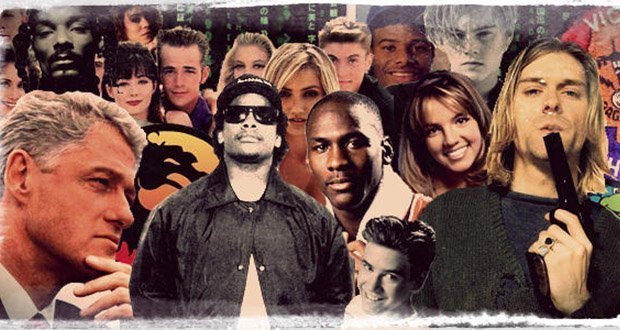
The 1990s often feel like a bridge between the analog past and the digital future, a decade brimming with unique energies, cultural touchstones, and groundbreaking shifts. Diving into the 1990s interesting facts isn’t just a trip down memory lane; it’s an exploration of how the foundations of our modern world were laid, sometimes with neon colors and dial-up static, sometimes with profound global policy shifts. This era, remembered for its relative peace and burgeoning prosperity, saw the internet emerge from academic obscurity into everyday life, while pop culture exploded into diverse, defining movements.
At a Glance: Unpacking the 90s
- Digital Dawn: Witness the birth and early growth of the World Wide Web and personal computing.
- Culture Craze: From grunge music to iconic TV shows and must-have toys, explore what defined a generation’s leisure.
- Global Realignments: Understand pivotal political events that reshaped the world map and international relations.
- Tech Takes Over: See how seemingly minor innovations like pagers and early cell phones started a communication revolution.
- Environmental Awakening: Grasp the renewed focus on climate change and conservation efforts that took root.
- Economic Undercurrents: Recognize the economic shifts, including recessions and the rise of tech titans.
The Digital Frontier: How the 90s Wired the World
The 1990s weren’t just about fashion and catchy tunes; they were about a quiet revolution happening in homes and offices worldwide. It was the decade where the internet transformed from an obscure academic tool into a potential mainstream staple, fundamentally altering how we connect and consume information.
From Dial-Up Tones to the World Wide Web
Imagine a world where accessing information online meant listening to a series of electronic squawks and static before connecting, often tying up your phone line in the process. This was the reality of dial-up internet in the early 90s. Yet, within this seemingly slow pace, monumental shifts occurred. In 1990, Tim Berners-Lee unveiled the World Wide Web, creating the first web browser and server. This innovation wasn’t just a technical achievement; it was the seed that would blossom into the interconnected global network we know today, making information universally accessible.
Microsoft Windows 3.0, released in May 1990, played a crucial role in making personal computing more user-friendly. Its graphical interface was a commercial success, demystifying computers for the average person. Information storage evolved rapidly, too. We moved from bulky floppy disks, which required multiple units to load a single game or save an essay, to CD-ROMs, then eventually to the promise of USBs and cloud storage by the decade’s end. Pagers, once a ubiquitous status symbol by 1994 with 61 million users, offered a glimpse into mobile communication before giving way to cell phones.
The internet’s reach grew, giving rise to key players. AltaVista launched in 1995, becoming a dominant search engine with over 83 million hits daily. eBay, initially AuctionWeb, also began in 1995, proving the viability of online marketplaces by selling its first item—a broken laser pointer—for $14.83. By 1997, AOL Instant Messenger (AIM) made online chat rooms a social phenomenon, quickly amassing 53 million users. The decade culminated with the launch of the Google search engine in 1998, a platform that would soon redefine how we find information, and the Nokia 3210 phone in 1999, which sold over 150 million units, signaling the era of mass-market mobile communication. Even file-sharing took off, with Napster, active from 1999-2001, captivating 26.4 million users and jumpstarting the MP3 revolution.
Gaming’s Golden Era and Personal Tech Boom
The 90s were also a stellar decade for gaming, cementing its place in mainstream culture. Nintendo’s Game Boy, released in 1989 but skyrocketing in popularity by 1990, single-handedly defined portable gaming. Its simple design and addictive titles like Tetris made it a global phenomenon. A national survey even found children more readily identified Nintendo’s Mario than Mickey Mouse, thanks to smash hits like Super Mario World, Super Mario 64, and Mario Kart.
The arrival of the Sony PlayStation (PS1) in 1995 marked a pivotal moment for home consoles, rapidly becoming an international obsession. PC gaming also made huge strides, with titles like DOOM (1993) becoming one of the first popular first-person shooters and, remarkably, the most installed software at one point, even surpassing Windows 95. These developments weren’t just about entertainment; they showed how interactive technology was becoming an indispensable part of daily life, preparing users for more complex digital interactions in the future.
Pop Culture Powerhouses: Shaping a Generation’s Entertainment
The 1990s were a vibrant tapestry of pop culture, weaving together groundbreaking television, unforgettable movies, diverse music genres, and iconic fashion trends. This decade didn’t just entertain; it set new standards for media consumption and personal expression.
TV, Movies, and Music that Defined the Vibe
Television in the 90s was a cultural cornerstone. “The Simpsons” aired its first full season in 1990, quickly becoming a cultural institution with its sharp wit and relatable humor. “Beverly Hills, 90210” premiered the same year, defining teen drama and setting fashion trends. Later in the decade, “Baywatch” captivated audiences with its iconic slow-motion sequences, becoming a global hit.
The silver screen also saw enduring classics. “Home Alone” (1990) became the highest-grossing live-action comedy of its time, while the first live-action “Teenage Mutant Ninja Turtles” movie was a box office hit. Pixar’s “Toy Story” in 1995 pioneered CG animation, forever changing the landscape of animated films. VHS tapes remained king, with “Aladdin” selling over $1 billion worth of cassettes. The O.J. Simpson trial in 1995 was a media spectacle, captivating 95 million Americans during its final verdict, showcasing the power of live television.
Music was incredibly diverse, from the chart-topping “U Can’t Touch This” by MC Hammer, which influenced fashion with its iconic parachute pants, to the rise of grunge music. Bands like Nirvana and Pearl Jam, emerging in the early 90s, gave voice to a generation with their raw sound and introspective lyrics. Nirvana’s MTV Unplugged concert in 1993 remains a legendary performance. Later, “Macarena” became an international dance craze, while pop groups like the Spice Girls and the Backstreet Boys became best-selling artists, proving that girl power and boy bands were here to stay.
Toys, Trends, and Literary Landmarks
Beyond screens and headphones, the 90s gave us unforgettable fads and influential stories. Tight choker necklaces and slap bracelets became ubiquitous fashion accessories. For toys, the handheld digital pet Tamagotchi sold around 76 million units worldwide, teaching a generation about digital responsibility (or neglect). Later in the decade, the “Tickle Me Elmo” doll, launched in October 1996, sparked frenzied holiday shopping, largely propelled by its appearance on Rosie O’Donnell’s show. By 1999, the Barbie Dream House was a best-selling toy, while the Furby became so popular—and controversial—it was even banned by the NSA as a potential international threat due to its perceived listening capabilities.
Literature also offered a significant contribution. The first three “Harry Potter” novels were released, enchanting readers and beginning a global phenomenon. Paulo Coelho’s “The Alchemist” was translated into English in 1993, becoming a New York Times bestseller for over 300 weeks and a touchstone for many seeking inspiration. These cultural touchstones, from grunge fashion to digital pets, painted a vibrant picture of a decade finding its identity.
Global Shifts and Societal Milestones
The 1990s were marked by profound geopolitical shifts and significant strides in social justice and scientific understanding, shaping the world as we know it today. It was a decade where the echoes of the Cold War faded, making way for new global challenges and opportunities.
Political Transformation and Humanitarian Triumphs
The year 1990 itself was particularly pivotal. Nelson Mandela was released from prison on February 11th after 27 years, a momentous step towards ending apartheid in South Africa. Just months later, East and West Germany officially reunified on October 3rd, symbolizing the definitive end of the Cold War and a new era for Europe. The United States, Canada, and Mexico began negotiations for NAFTA, signaling a push towards greater economic integration across North America.
Mandela’s journey culminated in 1994 when he became South Africa’s first democratically elected president in the country’s first multi-racial elections, cementing the end of apartheid. The decade also saw the rise of female leadership, with Madeleine Albright appointed as the first female U.S. Secretary of State in 1997. The tragic death of Princess Diana later that year, and her subsequent funeral, became one of the most-watched TV events in history, highlighting her global impact. Even political scandals, such as Bill Clinton’s impeachment proceedings in 1998, showed the resilience of democratic institutions, with his approval ratings remaining high throughout. To truly appreciate the full scope of 1990’s groundbreaking events, from geopolitical shifts to technological breakthroughs, you can Discover key facts about 1990.
Scientific Leaps and Environmental Awareness
The 90s also ushered in a new era of scientific discovery and environmental consciousness. In 1990, NASA launched the Hubble Space Telescope, which has since delivered breathtaking images and revolutionized our understanding of the universe. The Human Genome Project, also launched in 1990, aimed to map the entire human genome, paving the way for unprecedented advancements in genetics and medicine.
Environmental concerns gained significant traction. The Intergovernmental Panel on Climate Change (IPCC) released its first assessment report in 1990, clearly highlighting the human impact on global warming. The 20th anniversary of Earth Day that year was celebrated by millions worldwide, galvanizing efforts for environmental protection. In the U.S., amendments to the Clean Air Act were passed, aiming to reduce air pollution significantly. These scientific and environmental initiatives laid crucial groundwork for addressing global challenges in the decades that followed.
The Nineties Playbook: Lessons from a Defining Decade
The 1990s weren’t just a collection of events; they presented a dynamic case study in rapid change, cultural evolution, and technological adoption. Understanding this decade offers insights into how new ideas take hold and shape society.
From Dial-Up to Digital Dominance: A Blueprint for Innovation
The journey from slow dial-up to emerging internet giants like Google and eBay illustrates a critical innovation pathway: iterative development. Technology didn’t arrive fully formed; it evolved through successive, accessible steps. The shift from floppy disks to CD-ROMs, and from clunky pagers to streamlined mobile phones like the Nokia 3210, showed that making technology incrementally faster, more convenient, and user-friendly is key to mass adoption. For anyone observing new tech today, the 90s provide a playbook: small, consistent improvements often lead to revolutionary outcomes.
Decoding Pop Culture’s Enduring Appeal
What made “The Simpsons” an enduring classic, while other shows faded? Why did Nirvana’s music resonate for decades? The 90s demonstrated that cultural longevity isn’t just about initial popularity, but about tapping into deeper human truths, excellent craftsmanship, or a unique aesthetic. “Jurassic Park’s” iconic T-Rex roar, surprisingly created from the sound of a Jack Russell Terrier, highlights creative problem-solving that cemented lasting impressions. The success of Mario and PlayStation showed that engaging gameplay and innovative platforms could create global phenomena, transcending mere fads. To assess a cultural phenomenon’s true significance, consider if it merely trends or if it introduces novel ideas, evokes strong emotions, or reflects a generational mood that endures.
Quick Answers: Unpacking Common 90s Curiosities
Let’s address some common questions about this intriguing decade.
Q: Was the 1990s truly a “peaceful” decade?
A: While no decade is entirely without conflict, the 1990s are often remembered as “relatively peaceful” for many parts of the world, particularly following the formal end of the Cold War. Major proxy conflicts diminished, and economic growth was strong in many Western nations. However, it also saw significant regional conflicts and humanitarian crises, such as the Rwandan genocide and conflicts in the Balkans, so peace was not universal.
Q: What was the most significant technological invention of the 90s?
A: While the decade produced many innovations, the creation of the World Wide Web by Tim Berners-Lee in 1990 stands out as the most transformative. It fundamentally changed how information is shared and accessed, laying the groundwork for virtually all subsequent digital advancements and shaping the information age.
Q: Did everyone really use pagers in the 90s?
A: Pagers were extremely popular and a common piece of tech, especially mid-decade (around 61 million users by 1994). They served as an essential communication tool before the widespread adoption of cell phones. However, their reign was relatively short-lived; as mobile phones became more affordable and compact towards the end of the decade, pagers rapidly faded from mainstream use, though they still exist in niche environments like hospitals.
Q: How did the internet change daily life for people then, compared to now?
A: In the early to mid-90s, the internet was primarily accessed via slow dial-up connections and was less integrated into daily life than it is today. It was used mainly for email, academic research, and rudimentary browsing. Online shopping and social media as we know them were nascent or non-existent. It was a novel tool, often a luxury, rather than an indispensable utility, and required patience—a stark contrast to our always-on, instant-access present.
More Than Nostalgia: The Enduring Legacy of the 90s
The 1990s stand as a testament to humanity’s capacity for innovation, cultural expression, and political transformation. It was a decade that navigated the receding tides of old geopolitical orders while simultaneously launching the rocket ship of the digital age. From the global impact of Nelson Mandela’s leadership to the everyday magic of a Nokia phone or a Tamagotchi, the facts of the 90s show us a world in dynamic transition. This era didn’t just pass by; it actively shaped the challenges and opportunities that define our present, proving that the roots of our modern lives are deeply embedded in its fascinating history.










