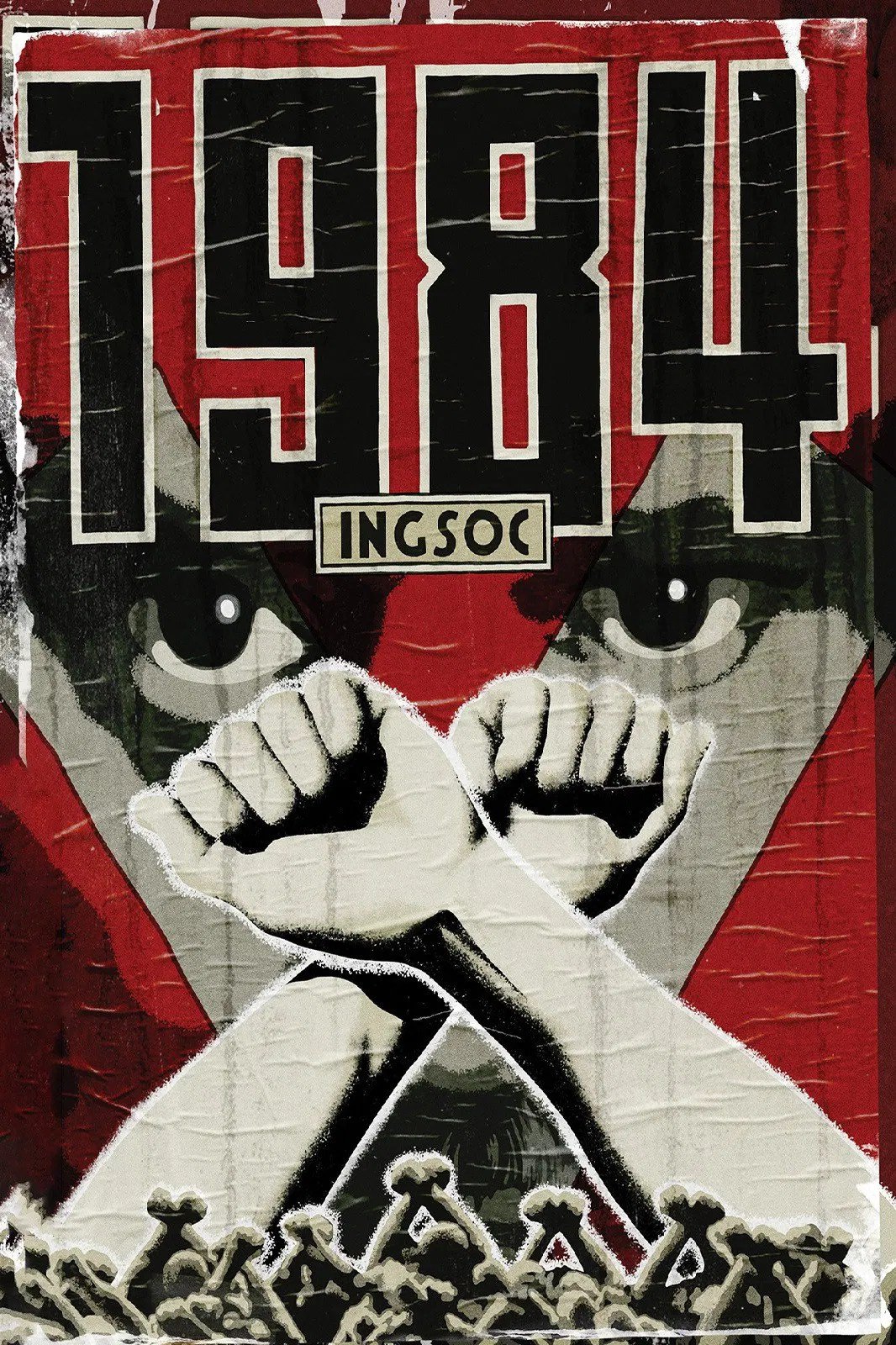
The year 1984 wasn’t just a number on the calendar; it was a fulcrum, a point where trajectories in technology, geopolitics, and socioeconomics pivoted sharply, shaping the world we navigate today. Diving deep into the 1984 year in review reveals a complex interplay of innovation and upheaval, a period defined by both the promise of a digital future and the harsh realities of global conflict and industrial disaster. Understanding this pivotal year isn’t just an academic exercise; it’s about discerning the foundational shifts that underpin contemporary challenges and opportunities.
At a Glance: Unpacking 1984’s Enduring Legacy
- Tech’s Big Bang: Witness the birth of consumer-friendly computing with the Macintosh and the dawn of mobile communication.
- Political Power Plays: Observe how Reagan’s re-election solidified conservative economic policy and Cold War dynamics.
- Global Fault Lines: Grasp the human toll of industrial accidents, famine, and political assassinations that reverberated worldwide.
- Media’s Evolution: Understand the shift in content consumption through VCRs, cable, and new movie ratings.
- Economic Seeds Sown: Identify the roots of the S&L crisis amidst deregulation and economic growth.
The Backdrop: A World on the Brink of Transformation
Before we dissect the specifics, let’s set the scene. 1984 unfolded against a geopolitical tableau dominated by the lingering Cold War. The United States, under Ronald Reagan, pursued an assertive anti-Soviet stance, while internal economic policies, dubbed “Reaganomics,” promised prosperity through deregulation and tax cuts. Yet, beneath this veneer of growth, fissures were forming—particularly in financial sectors. Globally, the human condition remained starkly varied: technological marvels coexisted with devastating famines, and political ambitions often led to violent consequences. This year wasn’t just about events; it was about the concurrent emergence of interconnected forces, laying groundwork that still influences our present reality.
The Digital Revolution Takes Hold: More Than Just a Mac
When we look back at the 1984 year in review, technological advancements stand out not just for their novelty but for their foundational impact. These weren’t incremental changes; they were paradigm shifts that democratized access to information and reshaped personal communication.
Macintosh: Computing for the Rest of Us
On January 4th, Apple Computer released the Macintosh Personal Computer. Priced at $2,500, it wasn’t just another machine; it was an invitation to a new way of interacting with technology. Its iconic “1984” commercial, aired during Super Bowl XVIII, positioned the Mac as a liberator from the IBM “big brother” paradigm. What made the Macintosh revolutionary was its graphical user interface (GUI) and mouse—a departure from command-line interfaces. This wasn’t merely cosmetic; it made computing intuitive, accessible to non-programmers, and directly influenced future operating systems, notably Microsoft Windows. The Mac’s success underscored a crucial insight: technology adoption hinges on user experience, not just raw power.
The Dawn of Mobile: Connectivity Untethered
Another quieter, yet equally profound, technological leap was the launch of the first commercial cellular networks in the U.S. using analog AMPS technology. While initial mobile phones were bulky, expensive, and primarily status symbols for business elites, 1984 marked the true beginning of the mobile phone era. This infrastructure laid the groundwork for ubiquitous personal communication, foreshadowing a future where connectivity would become an extension of ourselves. It was a clear signal that the world was moving towards an “always-on” state, fundamentally altering how we connect, work, and interact.
Media Consumption Reimagined: The Viewer in Control
Beyond personal computing and mobile, 1984 accelerated shifts in media consumption. The proliferation of Video Cassette Recorders (VCRs) meant viewers were no longer tethered to broadcast schedules. This “time-shifting” capability, affirmed by the “Betamax case” (which established fair use for recording TV programs for later viewing), empowered audiences and fragmented viewership. Simultaneously, the expansion of cable television networks offered an unprecedented array of channels, further diversifying media choices.
The Motion Picture Association of America (MPAA) also introduced the PG-13 movie rating in July, a direct response to public concerns over violence in films like “Indiana Jones and the Temple of Doom.” The action thriller “Red Dawn,” released on August 10th, became the first movie under this new classification, illustrating Hollywood’s attempt to navigate evolving social sensibilities while catering to wider audiences. These changes, from VCRs to ratings, reflected a growing sophistication in how content was created, distributed, and consumed, making the 1984 year in review essential for media historians.
Political Chessboard: Reagan, Re-election, and Global Tensions
The political landscape of 1984 was dominated by Ronald Reagan’s landslide re-election, a clear affirmation of his conservative agenda and a defining moment in American politics. This victory further entrenched “Reaganomics,” which, while credited with fostering economic growth, also widened income inequality and planted the seeds for future financial instability.
American Politics: A Resounding Mandate
Reagan’s triumph over Walter F. Mondale in November, winning 49 states, wasn’t just a personal victory; it was a powerful endorsement of his vision for America: smaller government, strong national defense, and a robust, market-driven economy. This mandate solidified the conservative movement’s hold, setting the tone for the remainder of the decade and beyond. Walter Mondale’s historic choice of Geraldine Ferraro as his running mate—the first female vice presidential candidate for a major political party—represented a significant step for women in politics, even in defeat.
To truly understand the multifaceted impacts of these shifts across technology, politics, and economy, it’s helpful to gain a broader perspective. Discover 1984’s pivotal convergence to see how these forces intertwined.
Cold War Maneuvers and Proxy Conflicts
Beyond American borders, the Cold War continued its tense dance. February saw Konstantin Chernenko become General Secretary of the Soviet Communist Party, continuing a rapid succession of aging leaders. The Soviet Union announced its boycott of the 1984 Summer Olympic Games in Los Angeles in May, a retaliatory move for the U.S. boycott of the 1980 Moscow games, showcasing the persistent political weaponization of sports. President Reagan’s visit to China in April highlighted evolving diplomatic strategies, while his controversial off-the-cuff remark about bombing Russia during an August mic test underscored the era’s underlying anxieties.
Conflict flared in other regions. In March, Iraq was accused of using chemical weapons against Iran, a grim escalation in the Iran-Iraq War. The British coal miners’ year-long strike against Margaret Thatcher’s government, beginning in March, epitomized the fierce ideological battles over labor and economic policy in the UK. Tragically, the kidnapping and later death of CIA station chief William Francis Buckley in Beirut in March, and the car bombing of the U.S. Embassy annex there in September, served as stark reminders of the volatile Middle East.
Economic Undercurrents and Global Disruptions
While Reaganomics promised prosperity, 1984 also laid bare the vulnerabilities within global economic and industrial systems. The seeds of the Savings and Loan (S&L) crisis were sown due to deregulation, leading to risky investments and fraud that would later require a massive taxpayer bailout—a cautionary tale of unchecked financial freedom.
Financial Milestones and Mounting Pressures
January 3rd saw the introduction of the FTSE 100, the Financial Times Stock Exchange Index, which would become a benchmark for the UK stock market. This signaled a globalizing financial landscape, even as domestic economic policies were setting the stage for future crises. The Agent Orange settlement in May, where seven chemical companies agreed to pay $180 million to Vietnam veterans, highlighted the long-term human and financial costs of war and industrial chemicals. These events, juxtaposed, paint a picture of an economy growing in some areas but burdened by legacy issues and emergent instabilities.
Industrial Disasters and Humanitarian Crises
Perhaps no events in 1984 underscored global vulnerabilities more starkly than the human-made and natural disasters. The explosion at a Mitsui Miike coal mine in Japan in January killed 83 workers, a tragic reminder of industrial hazards. But it was the Bhopal industrial disaster on December 3rd that remains a stark stain on the 1984 year in review. An explosion at a Union Carbide pesticide plant in Bhopal, India, exposed over half a million people to toxic gas, resulting in at least 5,000 immediate deaths and an estimated 20,000 over time, making it the worst industrial accident in history. This catastrophe brought to the fore urgent questions about corporate accountability, industrial safety, and environmental justice in developing nations.
Meanwhile, a humanitarian crisis unfolded in Ethiopia. BBC News reported on the devastating famine in October, prompting worldwide charity efforts. This led to Bob Geldof forming the Band Aid supergroup, which recorded “Do They Know It’s Christmas?” in November, releasing it in December. This global outpouring of musical talent for charity set a precedent for future philanthropic endeavors, demonstrating the power of media and collective action to address humanitarian crises.
Cultural Echoes and Social Crossroads
Beyond politics and technology, 1984 was a vibrant year for culture and witnessed significant social debates.
Sporting Achievements and Boycotts
The XIV Olympic Winter Games in Sarajevo, Yugoslavia, in February, and the Summer Olympic Games in Los Angeles, California, in July, showcased athletic prowess and geopolitical tensions. Sarajevo saw a record 49 nations participate, while Los Angeles, despite the Soviet boycott, welcomed a record 140 nations. Milestones included American Bill Johnson winning Olympic gold in downhill skiing and Mary Lou Retton’s historic two perfect ’10s’ to win Olympic All-Around Gold in women’s gymnastics. These events provided moments of national pride and unity amidst global friction.
Music, Film, and Emerging Sensibilities
The year was a blockbuster for music. Bruce Springsteen’s “Born in the U.S.A.” and Prince’s “Purple Rain” albums were released in June, becoming cultural touchstones and commercial behemoths. “Ghostbusters” hit theaters, cementing its place as a comedy classic.
Social issues also came to the fore. The National Minimum Drinking Age Act was passed in America in July, setting the legal drinking age at 21, reflecting a national effort to address public health concerns. The McMartin Preschool trial in California, with charges of Satanic ritual abuse later dropped, highlighted the moral panics and challenges in legal proceedings involving child testimony. The tragic case of Bernhard Goetz, who shot four young Black men on the New York City subway in December after they asked for money, ignited a national debate on self-defense, racial prejudice, and urban vigilantism.
Quick Answers: Common Questions About 1984
Why is 1984 considered such a pivotal year for technology?
1984 marked a fundamental shift from computing as a specialized, command-line activity to a more accessible, graphical user interface (GUI) experience with the Apple Macintosh. This, combined with the commercial launch of cellular networks and the widespread adoption of VCRs, democratized access to information and laid the essential groundwork for modern personal computing and mobile communication.
How did Reagan’s re-election impact the U.S. economy long-term?
Reagan’s landslide re-election solidified “Reaganomics,” which promoted deregulation, lower taxes, and reduced government spending. While it contributed to economic growth, it also accelerated a trend of widening income inequality and, crucially, led to deregulation in the financial sector that directly contributed to the Savings and Loan (S&L) crisis of the late 1980s and early 1990s, requiring massive taxpayer bailouts.
What was the significance of the Bhopal disaster beyond the immediate tragedy?
The Bhopal industrial disaster highlighted critical global issues regarding corporate accountability, environmental safety regulations in developing countries, and the long-term health impacts of industrial pollution. It served as a stark warning about the dangers of rapid industrialization without adequate safety protocols and ignited a global conversation about corporate responsibility across borders.
How did media consumption habits change in 1984?
The proliferation of VCRs in 1984 significantly empowered viewers by allowing “time-shifting”—recording TV programs to watch later, freeing them from broadcast schedules. This, coupled with the expansion of cable television, fragmented audiences and gave rise to more diverse content options, fundamentally altering the broadcast television model and giving viewers unprecedented control over their media diets.
Was 1984’s geopolitical landscape entirely shaped by the Cold War?
While the Cold War heavily influenced major events like the Olympic boycotts and superpower rhetoric (e.g., Reagan’s China visit vs. his Russia comment), 1984 also saw significant regional conflicts and humanitarian crises that were not solely Cold War driven. The Iran-Iraq War, the Indian army’s storming of the Golden Temple, the assassination of Indira Gandhi, and the Ethiopian famine showcased complex, multi-faceted global challenges beyond the bipolar U.S.-Soviet dynamic.
Enduring Lessons from a Transformative Year
The 1984 year in review is far more than a collection of historical facts; it’s a profound case study in the interconnectedness of human endeavor. The technological leaps of the Macintosh and cellular phones weren’t just about faster computing or clearer calls; they were about fundamentally reshaping how individuals interacted with information and each other, laying the architectural blueprints for the digital age. Politically, Reagan’s sweeping victory underscored a shift in conservative power that would resonate for decades, while global conflicts and humanitarian crises reminded us of the ever-present fragility of peace and prosperity.
Economically, the decisions of 1984, particularly regarding deregulation, illustrate the double-edged sword of liberalization—fostering growth but also breeding instability that could manifest years later. The tragic Bhopal disaster serves as an enduring, painful reminder that innovation must be tempered with stringent ethical oversight and safety protocols. As specialists, recognizing these convergent forces and their long-term implications allows us to better anticipate and navigate the complexities of our own rapidly evolving world. The echoes of 1984 are still audible, guiding our understanding of technology’s promise, politics’ power, and economy’s intricate dance with human well-being.










