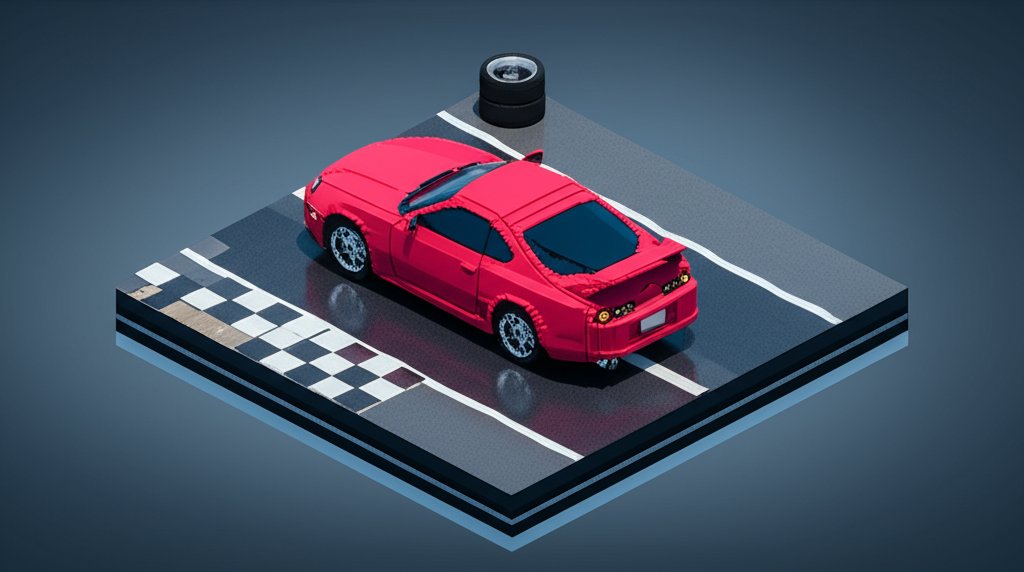
Few names in the automotive world ignite as much passion and reverence as the Toyota Supra. More than just a car, it’s a legend – a testament to raw power, breathtaking design, and a tuning potential that has become the stuff of myth. From its origins as a high-performance variant to its modern, technologically advanced resurrection, the Toyota Supra has consistently pushed boundaries, cementing its status as a world-class sports car. This article dives deep into the definitive Supra facts and hidden secrets, offering an unparalleled look at its rich heritage and the engineering marvels that make it an enduring icon. Buckle up as we explore every facet of this legendary machine, ready to captivate enthusiasts and dominate search results.
The Genesis of a Legend: Tracing the Toyota Supra’s Roots
The story of the Toyota Supra is one of ambitious evolution, groundbreaking innovation, and a relentless pursuit of automotive performance. Its journey began not as a standalone model but as a more powerful, luxurious iteration of another popular Toyota. Understanding these origins is crucial to appreciating the global phenomenon it would become.
From Celica XX to Standalone Icon: MKI (A40/A50) & MKII (A60)
The very first glimpse of what would become the Toyota Supra arrived in 1978 (for the 1979 model year) as the Toyota Celica Supra in North America, and the Celica XX in Japan. This initial model, known as the A40/A50 generation, was essentially a stretched and widened Celica liftback, engineered to comfortably house Toyota’s larger, more potent inline-six engine. While borrowing heavily from the Celica’s styling, its extended hood and unique grille hinted at its grand touring aspirations. It featured a 2.6-liter (and later a 2.8-liter) SOHC inline-six engine, a significant upgrade over the Celica’s four-cylinder, immediately positioning it as a distinct, premium sports car within the Toyota lineup.
The second generation, the A60 (produced from 1981 to 1986), further solidified its burgeoning independent identity. Still officially branded as the Celica Supra, this model showcased a far more aggressive and distinctive design, famously adopting pop-up headlights – an undeniable signature of 1980s sports car aesthetics. Equipped with a 2.8-liter DOHC inline-six, it delivered enhanced performance and superior handling, quickly establishing a reputation as a formidable grand tourer. This generation was a vanguard of automotive technology, incorporating features like electronic fuel injection and advanced independent suspension systems. This transitional period unequivocally demonstrated Toyota’s intent to evolve the Supra beyond its Celica roots into a truly standalone, high-performance vehicle.
Breaking Free: The MKIII (A70) Era and the Pursuit of Performance
A pivotal moment arrived in 1986 when the Supra finally shed the “Celica” prefix, emerging as the standalone Toyota Supra A70. This marked its official separation and Toyota’s clear intention to position it as a flagship performance machine. The A70 introduced a completely new platform, meticulously engineered for driver engagement and raw power.
The MKIII Supra offered several inline-six engine options, most notably the 3.0-liter 7M-GE naturally aspirated engine and the highly coveted 7M-GTE turbocharged variant. The turbocharged model churned out a robust 230 hp (in its initial iteration), making it a serious contender among its rivals. This generation also pushed technological envelopes with advancements like an optional electronically controlled TEMS (Toyota Electronic Modulated Suspension) system and anti-lock brakes (ABS), further enhancing its capabilities as a high-performance sports car. The A70 refined the Supra’s signature blend of luxury, technological sophistication, and brute force, laying crucial groundwork for the iconic model that would follow. These early Supra facts are essential to understanding its continuous pursuit of excellence.
The Zenith of Performance: Unpacking the Legendary MKIV (A80) Toyota Supra
When enthusiasts globally speak of the “legendary Supra,” they are almost invariably referring to the fourth-generation model, the A80 (1993-2002). This car transcended its status as a mere sports car to become a global phenomenon, revered for its groundbreaking performance, timeless design, and tuning potential that remains unmatched in the automotive world.
The Heart of the Beast: Engineering Marvel of the 2JZ-GTE Engine
At the very core of the MKIV Supra’s enduring legend lies its extraordinary engine: the phenomenally robust 2JZ-GTE. This 3.0-liter, twin-turbocharged inline-six engine was an absolute engineering masterpiece from Toyota. In its stock, US-market configuration, it produced an impressive 320 horsepower and 315 lb-ft of torque, enabling the Supra to rocket from 0-60 mph in under 5 seconds – a figure that made it one of the fastest production cars of its era.
However, the true “hidden secret” and the most celebrated of all Supra facts about the 2JZ-GTE was its profound over-engineering. Its cast-iron block and internal components were designed to handle immense stresses, allowing for astonishing power levels with minimal modifications. Tuners worldwide quickly uncovered this potential, famously pushing outputs well past 600 hp, 800 hp, and even exceeding 1,000 hp with relative ease. This made the Toyota Supra an undisputed king in the aftermarket tuning scene, solidifying its reputation as a performance powerhouse and creating a lasting legacy for the Toyota brand in high-performance automotive circles.
From Silver Screen to Global Race Tracks: Cultural and Motorsport Domination
The MKIV Supra’s influence extended far beyond its technical specifications. It ascended to the status of a cultural icon, particularly after its unforgettable starring role in the original “The Fast and the Furious” movie. Brian O’Conner’s iconic orange Supra indelibly etched its image into popular culture as the ultimate street racing machine, introducing it to a massive new generation of fans worldwide and solidifying many of the prevailing Supra facts in public consciousness.
Beyond Hollywood’s glare, the Toyota Supra proved its formidable capabilities on the track. It competed with considerable success in various demanding motorsport disciplines, including the highly competitive Japanese Grand Touring Car Championship (JGTC) and the American IMSA series. Its perfectly balanced chassis, immensely powerful engine, and aerodynamically optimized design made it a potent competitor, further cementing its credibility as a true sports car. These real-world and cinematic appearances elevated the Supra from a niche automotive delight to a mainstream symbol of speed, performance, and undeniable cool.
Why the MKIV Remains a Collector’s Automotive Goldmine
Today, the MKIV Toyota Supra commands exorbitant prices in the collector market, with pristine, well-maintained examples regularly fetching six-figure sums. Several key Supra facts contribute to this remarkable phenomenon and its status as an automotive goldmine:
- Rarity: Relatively low production numbers, particularly in the critical US market (approximately 11,000 units), contribute significantly to its exclusivity.
- Enduring Performance: Its capabilities continue to impress, even when benchmarked against many modern sports car contenders.
- Unparalleled Tunability: The legendary 2JZ-GTE engine’s unmatched capacity for immense, reliable power output.
- Profound Cultural Impact: Its iconic roles in “The Fast and the Furious” and numerous video games (e.g., Gran Turismo, Need for Speed) firmly cemented its pop culture status and desirability.
- Timeless Design: Its sleek, aerodynamic lines and aggressive stance have aged with remarkable grace, remaining visually striking decades later.
These multifaceted factors combine to make the MKIV Supra not merely a car, but a highly coveted investment, a definitive piece of automotive history, and an absolute legend for Toyota.
Modern Powerhouse: The GR Supra (A90/A91) and its Evolution
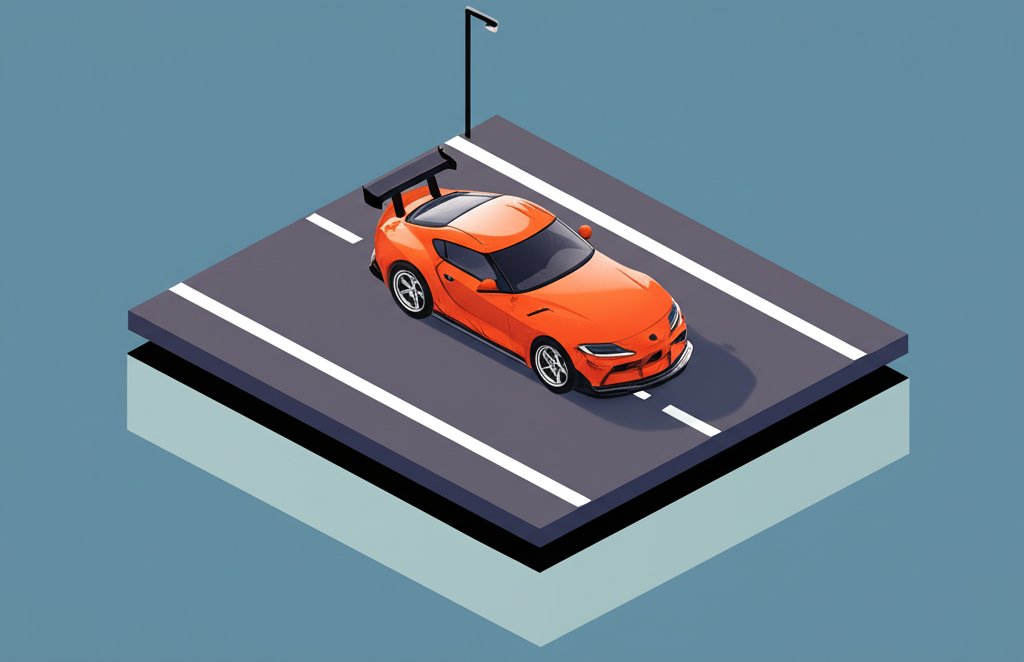
After a significant 17-year hiatus, the Toyota Supra made its highly anticipated return in 2019 with the fifth-generation A90/A91 model, officially dubbed the GR Supra under the banner of Toyota Gazoo Racing. This revival was met with immense excitement, though also with a degree of intense debate among purists within the automotive community.
A Bold Revival: Collaboration and Design Philosophy
To bring the Supra back to life, Toyota embarked on a strategic collaboration with BMW, sharing platforms and powertrains with the BMW Z4. This decision, while fiscally pragmatic for a low-volume sports car in a challenging market, initially sparked controversy. However, Toyota’s engineering teams meticulously worked to imbue the GR Supra with a distinct Toyota-specific feel, focusing on unique tuning for its handling dynamics, steering feedback, and overall driver engagement.
The GR Supra’s design is a deliberate and reverent homage to the iconic MKIV, featuring its characteristic long hood, powerfully sculpted rear haunches, and signature double-bubble roofline, all seamlessly integrated with contemporary automotive styling cues. It was a bold move to revive such an iconic nameplate, and Toyota aimed to skillfully balance a deep respect for its heritage with the demanding performance requirements of the modern era.
Performance and Technology in the New Era
The GR Supra is powered by BMW’s acclaimed B58 turbocharged 3.0-liter inline-six engine. Initially producing 335 hp, this output was significantly boosted to 382 hp for the 2021 model year, delivering thrilling acceleration and a distinctive inline-six soundtrack. A 2.0-liter turbocharged four-cylinder engine was also introduced in some markets, offering a lighter, more agile, and fuel-efficient option. Both engines were initially paired with an incredibly responsive 8-speed automatic transmission. Much to the delight of sports car enthusiasts and purists, a manual transmission option was enthusiastically introduced for the 2023 model year, reaffirming Toyota’s commitment to driver connection.
Beyond raw power, the GR Supra boasts a near-perfect 50/50 weight distribution, an exceptionally low center of gravity, and a highly rigid chassis, all translating to outstanding handling and immediate responsiveness. It incorporates a suite of advanced driver-assistance systems, including Full-Speed Dynamic Radar Cruise Control (for AT models), Blind Spot Monitor, Rear Cross-Traffic Alert, Speed Limit Information, and Parking Sensors with Emergency Braking Function. Modern connectivity features are also paramount, with a 12-speaker 500-watt JBL Premium Audio System, wireless Apple CarPlay compatibility (with full-screen capability for iOS), Navigation, and trials for Toyota Supra Connect services (Remote Services, Remote Maintenance, Automatic Emergency Call, Real Time Traffic Information, Stolen Vehicle Recovery, and Map Updates). These advanced Supra facts highlight its blend of raw performance with contemporary comfort and cutting-edge automotive technology.
The Future of the Toyota Supra: Manuals, Special Editions, and What’s Next
With the GR Supra firmly re-establishing itself in the sports car market, the future of this iconic nameplate looks exceedingly bright. Toyota’s unwavering commitment to performance, prominently showcased by its Gazoo Racing division, strongly suggests continued evolution and innovation. Speculation in the automotive world includes potential hybrid or even electric powertrains, reflecting broader industry trends and Toyota’s own pioneering work in electrification. Regardless of future propulsion methods, the core spirit of the Toyota Supra — that of an exhilarating, driver-focused sports car — is expected to endure. Recent news and forum discussions even hint at special “Final Edition” models for the current generation (as seen in competitor intelligence referring to a 2026 model), and even the possibility of a GR Supra Convertible, making these contemporary developments vital Supra facts for collectors and enthusiasts to monitor closely.
Beyond the Horsepower: Unveiling Intricate Supra Facts & Secrets

Beyond the generational overview and headline performance figures, there are countless intriguing Supra facts and hidden details that underscore its singular position in the pantheon of automotive legends.
The Supra’s Engine Lineage: A Legacy of Inline-Six Prowess
The Toyota Supra’s engine lineage is a story of continuous refinement and a steadfast commitment to the inline-six configuration, culminating in some of the most revered powerplants in history. This specific engine architecture is a defining characteristic and a key among many Supra facts:
- M-Series (MKI-MKII): Early Supras, like the Celica Supra, utilized the smooth and reliable M-series inline-six engines (2.6L and 2.8L), setting the foundation for its performance identity.
- 7M-GE/7M-GTE (MKIII): The 7M-GTE was a landmark for Toyota, being their first mass-produced turbocharged engine in a passenger car, a clear demonstration of their engineering prowess in the automotive performance realm.
- 1JZ-GTE (MKIII Japan): Towards the end of the MKIII’s production run, the Japanese domestic market received the renowned 2.5-liter twin-turbo 1JZ-GTE engine, a slightly smaller yet equally potent sibling to the later 2JZ.
- 2JZ-GE/2JZ-GTE (MKIV): The legend itself. The naturally aspirated 2JZ-GE was a capable engine, but the twin-turbo 2JZ-GTE became synonymous with extreme performance and unparalleled tunability, establishing an enduring benchmark for inline-six engines globally. It is perhaps the most famous of all Supra facts.
- B58 (GR Supra): While a BMW-sourced engine, Toyota engineers extensively tuned it specifically for the GR Supra, ensuring it delivered the expected performance, character, and responsiveness demanded by the Supra legacy.
These engine developments are vital Supra facts in understanding the Toyota Supra’s enduring appeal and its consistent position as a top-tier sports car.
Aerodynamics and Aesthetics: A Design Story
The Supra’s design has always been a masterful blend of functional aerodynamics and captivating aesthetics. Each generation offered distinct styling cues, yet consistently maintained a core identity that powerfully resonated with sports car enthusiasts:
- MKI-MKII: Began with strong stylistic ties to the Celica, but progressively asserted its own identity with an increasingly longer and wider, more aggressive stance.
- MKIII: Adopted a more angular, muscular, and overtly 1980s design language, emphasizing its powerful presence and advanced technological aspirations.
- MKIV: Defined by its iconic flowing lines, dramatically wide rear fenders, and the instantly recognizable, often optional, massive rear wing. This design wasn’t just for show; every curve and vent was meticulously crafted for optimal aerodynamic stability and downforce at high speeds. Its design is arguably the most celebrated aspect among all Toyota Supra facts.
- GR Supra: A thoroughly modern interpretation, skillfully blending historical cues – such as the distinctive double-bubble roof and long hood – with contemporary, aggressive styling and advanced aerodynamic elements.
Every meticulously crafted curve, vent, and spoiler contributes not only to the Supra’s automotive performance but also to its profound visual drama, making it instantly recognizable as a Toyota sports car legend.
Dispelling Myths: The NHTSA “Ban” and Other Legends
One persistent and pervasive myth surrounding the MKIV Supra is the notion that it was banned by the National Highway Traffic Safety Administration (NHTSA) due due to its extreme performance capabilities. This is unequivocally false. The Toyota Supra was never banned by the NHTSA in the United States. This myth likely originated from its incredible speed, the burgeoning street racing culture it inspired, and perhaps confusion with unrelated import restrictions or safety regulations applied to other vehicles. While it certainly adds to the car’s mystique, it remains a fascinating piece of Supra facts folklore that needs to be clarified.
Another frequently debated topic is the origin and meaning of the name “Supra.” It is derived from the Latin prefix meaning “above,” “to surpass,” or “to go beyond,” perfectly encapsulating Toyota’s ambitious vision for this high-performance vehicle and its ultimate goal to be a superior sports car.
The Toyota Supra’s Enduring Global Automotive Impact
The Toyota Supra has achieved remarkable global recognition, particularly within the passionate JDM (Japanese Domestic Market) tuning scene and among American muscle car enthusiasts who appreciate its raw power and robust engineering. Its remarkable adaptability for diverse forms of racing – from blisteringly fast drag strips to technically challenging road courses – stands as a powerful testament to its fundamental engineering excellence. The sheer volume of aftermarket parts, the vibrant online communities, and the dedicated fan clubs worldwide are tangible Supra facts of its profound and lasting impact on automotive culture.
This extraordinary sports car has transcended geographical boundaries, becoming a universal symbol of performance, customization, and automotive passion for an entire generation of enthusiasts and collectors alike.
Understanding Toyota’s Vision: The Supra’s Place in Automotive History
The Supra is far more than just a collection of impressive Supra facts; it represents a significant and pioneering chapter in automotive history, powerfully showcasing Toyota’s engineering prowess and design capabilities far beyond its reputation for economical family cars.
To fully appreciate the Supra’s place in automotive history, it’s helpful to consider its manufacturer and parent company, Toyota, whose history and impact are further explored in these Toyota car facts.
A Legacy of Innovation in Sports Car Manufacturing
From its advanced electronic fuel injection (EFI) systems in the 1980s to the sophisticated sequential twin-turbochargers of the 1990s, the Toyota Supra consistently pushed the boundaries of automotive technology. Toyota strategically utilized the Supra as a premier platform to demonstrate its cutting-edge engineering prowess, often incorporating innovative features that would eventually trickle down to other models in its lineup. This unwavering commitment to technological innovation is a defining hallmark of the Supra’s enduring legacy, firmly solidifying its place as a groundbreaking sports car. Many specific Supra facts regarding its engineering highlight Toyota’s pioneering and forward-thinking spirit.
The Supra as a Benchmark for Performance and Tunability
For decades, the Toyota Supra (especially the iconic MKIV) has served as a benchmark against which other high-performance vehicles are rigorously measured. Its exceptional blend of raw power, legendary reliability, and unparalleled tunability created a unique and compelling package that few rivals could genuinely match. Even the modern GR Supra, despite its shared platform, has been meticulously tuned and refined by Toyota to deliver a pure, exhilarating driving experience that proudly lives up to its illustrious heritage. Its consistent presence on “fastest cars” lists, in countless drag race videos, and on competitive track days is a powerful testament to these enduring Supra facts.
Investment Value: Why Supras are More Than Just Cars
As previously highlighted, the market value of older Supra models, particularly the highly coveted MKIV, has skyrocketed in recent years. This isn’t merely fleeting hype; it’s a direct reflection of its established status as a legitimate collector’s item and an appreciating asset. For those fortunate enough to own a clean, low-mileage example, it represents not only a thrilling driving experience but also a significant financial asset. The modern GR Supra, while newer, also demonstrates strong value retention, largely benefiting from the powerful halo effect created by its legendary predecessors. These economic Supra facts distinctly position the Toyota Supra as a unique entity within the dynamic automotive market—a sports car that commands respect both on the road and in the investment portfolio.
Conclusion
The Toyota Supra is unequivocally more than just a car; it is a living legend, deeply woven into the very fabric of automotive culture. From its humble yet ambitious beginnings as a powerful Celica variant to its iconic MKIV status and its triumphant modern GR Supra revival, it has consistently delivered a thrilling, compelling, and unforgettable sports car experience. Its powerful inline-six engines, groundbreaking technology, timeless design, and profound cultural impact are irrefutable Supra facts that cannot be overstated.
This comprehensive exploration of Toyota Supra facts and hidden secrets reveals a vehicle that has not only surpassed all expectations but has also, in many ways, defined multiple eras of automotive performance. Whether you are a seasoned enthusiast well-versed in its history or new to its undeniable allure, the Toyota Supra continues to captivate, inspire, and excite. Explore the legend yourself, delve into its rich Toyota heritage, and discover precisely why this automotive marvel truly stands “above” the rest.
FAQ Section
Q1: What does the name “Supra” mean?
A1: The name “Supra” is derived from the Latin prefix meaning “above,” “to surpass,” or “to go beyond,” perfectly reflecting Toyota’s ambition for this high-performance sports car.
Q2: Which Toyota Supra generation is considered the most iconic?
A2: The fourth-generation Toyota Supra, the A80 (1993-2002), is widely considered the most iconic due to its legendary 2JZ-GTE engine, timeless design, and starring roles in popular media like “The Fast and the Furious.” These are crucial Supra facts.
Q3: What engine does the modern GR Supra (A90/A91) use?
A3: The modern GR Supra primarily uses a BMW-sourced B58 turbocharged 3.0-liter inline-six engine, which Toyota engineers specifically tuned for the Supra’s unique driving dynamics. A 2.0-liter turbocharged four-cylinder is also available in some markets.
Q4: Was the Toyota Supra ever banned by the NHTSA?
A4: No, the long-standing myth that the Toyota Supra was banned by the NHTSA (National Highway Traffic Safety Administration) due to its performance capabilities is false. It was never banned in the United States.
Q5: What makes the 2JZ-GTE engine so famous?
A5: The 2JZ-GTE engine, found in the MKIV Supra, is famous for its incredible tunability and durability. Its over-engineered block and internals can reliably handle massive power increases with aftermarket modifications, often exceeding 1,000 horsepower, making it a legendary automotive powerplant.
Q6: How many generations of the Toyota Supra have there been?
A6: There have been five distinct generations of the Toyota Supra: MKI (A40/A50), MKII (A60), MKIII (A70), MKIV (A80), and MKV (A90/A91 GR Supra). Each is a significant chapter in Toyota’s sports car history.
Q7: Why did Toyota discontinue the Supra before its 2019 revival?
A7: The MKIV Supra was discontinued in various markets in the late 1990s and globally by 2002 primarily due to declining sports car sales, increasingly stringent emissions regulations, and the high cost of its specialized production.
Q8: What features does the modern GR Supra offer for connectivity and safety?
A8: The modern GR Supra offers advanced features like a 12-speaker 500-watt JBL Premium Audio System, wireless Apple CarPlay, Full-Speed Dynamic Radar Cruise Control, Blind Spot Monitor, Rear Cross-Traffic Alert, Parking Sensors with Emergency Braking, Navigation, and Toyota Supra Connect services for remote access and emergency calls. These Supra facts highlight its blend of performance with modern luxury.
Q9: Did the Supra always have an inline-six engine?
A9: Yes, throughout its entire history, from the very first Celica Supra to the modern GR Supra, every generation of the Toyota Supra has been powered by an inline-six engine, a key element of its distinct automotive identity and driving character.
Q10: What contributed to the high value of classic Toyota Supras today?
A10: The high value of classic Supra models (especially the MKIV) is due to a combination of factors: rarity, the legendary performance and tunability of the 2JZ-GTE engine, its immense cultural impact from movies and video games, and its timeless automotive design, which has aged remarkably well. These factors make it a unique asset for any Toyota collector.










