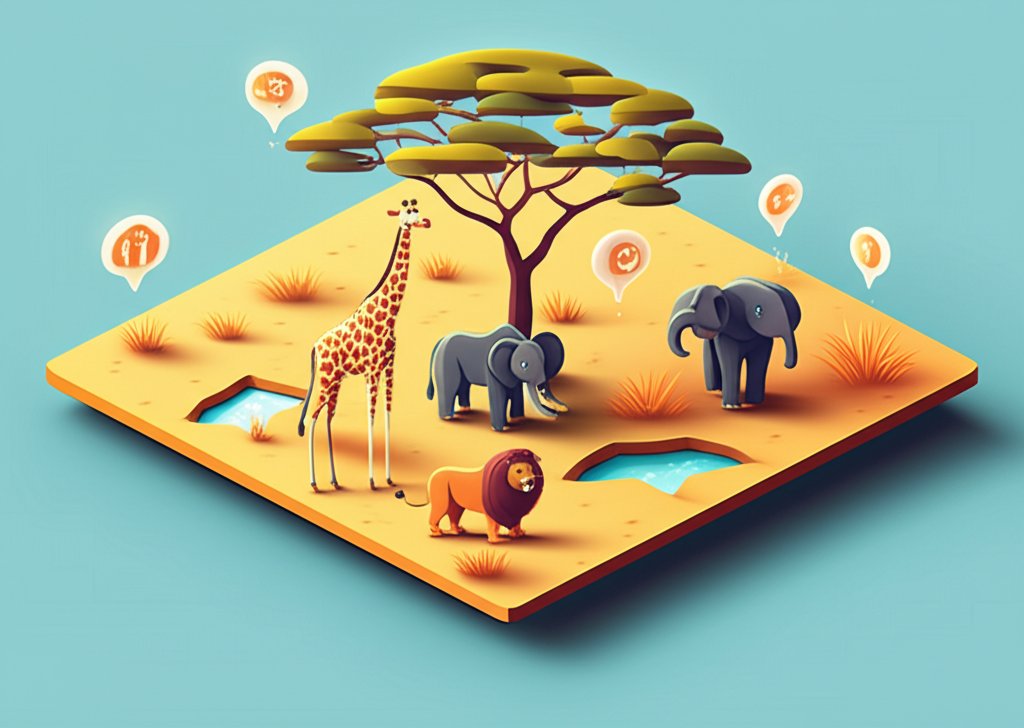
Are you ready to discover the heart-pounding beauty and ancient secrets of one of Earth’s most captivating ecosystems? The African savanna isn’t just a backdrop for wildlife documentaries; it’s a dynamic, living marvel brimming with incredible stories. If you’ve ever wondered about the unique characteristics that make this vast grassland so extraordinary, you’re in for a treat. This article will dive deep into 10 amazing African savanna fun facts that will not only pique your curiosity but also firmly establish why this biome is utterly indispensable. From its sprawling landscapes to its iconic inhabitants, we’ll uncover the truly fascinating facts about the savanna in Africa, guaranteeing you a new appreciation for this majestic realm.
Unveiling the African Savanna: More Than Just Grasslands
The African savanna stretches across vast swathes of the continent, creating an iconic landscape often synonymous with untamed wilderness. It’s a place where life unfolds on a grand scale, driven by ancient rhythms and remarkable adaptations. But what exactly defines this unique environment?
Defining the African Savanna Biome
At its core, the African savanna is a tropical grassland biome characterized by vast expanses of grass interspersed with scattered trees and shrubs. Unlike dense forests, the trees here are widely spaced, allowing ample sunlight to reach the ground, which supports a rich carpet of grasses. This open structure is crucial for the large grazing animals that call it home, providing both food and panoramic views for spotting predators. The climate is distinctly seasonal, with pronounced wet and dry periods dictating the availability of resources and the movements of its inhabitants.
Why “Savanna” and Not Just “Grassland”?
While a savanna is undeniably a type of grassland, the term “savanna” specifically highlights a critical distinction: the presence of scattered trees. True grasslands might be entirely treeless, but savannas have enough woody vegetation to create a unique balance between open plains and sparse woodlands. This mix directly influences biodiversity, supporting animal species that rely on both grass for grazing and trees for browsing, shade, or nesting. It’s this intricate blend that makes the African savanna a powerhouse of life, differing significantly from a desert (too dry, sparse vegetation) or a rainforest (too dense, continuous tree canopy).
10 Amazing African Savanna Fun Facts for Every Explorer
Prepare to be enthralled as we explore 10 amazing African savanna fun facts that showcase its unparalleled wonder and ecological significance. These insights offer a glimpse into the intricate workings of an ecosystem that continues to fascinate scientists and nature lovers alike.
Understanding the savanna biome’s nuances, like its scattered trees and seasonal climate, is only the beginning; to truly appreciate its importance, delve into these savanna important facts and uncover the vital role it plays in our planet’s ecosystem.
Fact 1: The World’s Largest and Oldest Tropical Grassland
Did you know the African savanna isn’t just expansive, but globally significant in its scale and history? It stands as the largest tropical grassland biome on Earth, covering approximately half of Africa’s landmass. But its grandeur isn’t just about size; it’s also incredibly ancient. Geological and ecological evidence suggests that parts of the African savanna, particularly the iconic Serengeti-Mara ecosystem, have existed in their current form for at least two million years, making it an ecological relic that has witnessed countless generations of wildlife. This incredible longevity has allowed for the evolution of the complex interdependencies we observe today.
Fact 2: A Land Ruled by Two Distinct Seasons
Unlike temperate regions with four seasons, the African savanna experiences a dramatic “tale of two seasons”: a wet season and a dry season. These aren’t just minor shifts; they completely transform the landscape and dictate the rhythms of life. The wet season, typically from November to May, brings abundant rainfall, turning the plains lush and green, creating a feast for herbivores. Conversely, the dry season (June to October) sees little to no rain, causing grasses to wither, rivers to shrink, and life to become a challenging quest for survival. This extreme seasonality forces animals and plants to develop incredible adaptations, from migrations to water-saving strategies, making it one of the most compelling fun facts about the African savanna.
Fact 3: The Epic Great Wildebeest Migration
Perhaps the most famous of all African savanna fun facts is the Great Wildebeest Migration, often dubbed the “Greatest Show on Earth.” Each year, over 1.5 million wildebeest, accompanied by hundreds of thousands of zebras and gazelles, embark on a perilous 1,800-mile journey across the Serengeti and Maasai Mara ecosystems. This isn’t a leisure trip; it’s a desperate search for fresh grazing grounds and water, driven purely by the seasonal rains. The migration is a saga of life and death, featuring dramatic river crossings fraught with lurking crocodiles and constant predation from lions, leopards, and hyenas. It’s a powerful testament to the instincts and resilience of savanna wildlife.
Fact 4: Fire: The Ancient Architect of the Savanna Ecosystem
While seemingly destructive, fire is not always a foe in the African savanna; it’s an essential and ancient friend. Periodic natural fires, often ignited by lightning strikes, play a crucial role in maintaining the savanna’s health and biodiversity. These “controlled” burns (whether natural or human-managed) clear out old, woody vegetation and dead grass, preventing the encroachment of forests and promoting the growth of fresh, nutritious grasses. Many savanna plants have evolved to be fire-adapted, with some seeds even requiring heat to germinate. Animals instinctively know how to escape the flames, either by fleeing or burrowing, and quickly return to feast on the revitalized landscape. This dynamic relationship with fire is a fascinating fact about the savanna in Africa.
Fact 5: Specialized Adaptations for Extreme Survival
Life in the African savanna is a continuous challenge, demanding remarkable adaptations from both its flora and fauna. Animals like giraffes have incredibly long necks to reach high leaves, while elephants use their trunks to strip bark and access deep water. Many herbivores, such as zebras, wildebeest, and antelopes, are built for speed to escape predators across the open plains. Plants, too, display ingenuity: acacia trees have thorns to deter browsers, baobab trees store water in their massive trunks, and many grasses have deep root systems to tap into underground moisture during dry spells, or waxy coatings on leaves to reduce water loss. These ingenious survival strategies are key fun facts about the savanna in Africa.
Fact 6: Home to the “Big Five” (and Countless Others!)
The African savanna is synonymous with iconic wildlife. It’s the primary habitat for the “Big Five”: the African lion, leopard, elephant, rhino (black and white), and Cape buffalo. These magnificent creatures represent the ultimate safari experience, but the savanna’s biodiversity extends far beyond them. You’ll find graceful giraffes, swift cheetahs, striped zebras, colossal hippos, cunning hyenas, and a spectacular array of antelope species. This rich tapestry of life, from microscopic organisms to apex predators, demonstrates the incredible ecological productivity of the savanna, making it a hotspot for global biodiversity and a source of endless interesting facts about the African savanna.
Fact 7: Unique Zonation for Herbivores and Carnivores
One particularly insightful fun fact about the African savanna, often overlooked, is how animals strategically position themselves within the biome. The savanna isn’t uniform; it has distinct regions that effectively create “zones” for different species. Herbivorous animals, particularly the large grazing herds, tend to congregate in areas with more abundant grass and readily accessible water sources. Carnivores, conversely, will follow these herds, establishing territories and hunting grounds that overlap with their prey. This natural zonation minimizes direct competition for resources between herbivores and carnivores (though they still interact through predation) and optimizes their survival strategies within the vast landscape.
Fact 8: The Baobab Tree: A Living Water Tower
Among the most iconic and visually striking inhabitants of the African savanna is the majestic baobab tree (Adansonia digitata). Often called the “tree of life” or “upside-down tree,” it’s not just a distinctive silhouette against the sunset; it’s a marvel of adaptation. One of the most amazing fun facts about the African savanna is that the baobab can store thousands of liters of water in its swollen, fibrous trunk during the wet season. This incredible capacity allows it to survive long, intense dry spells, providing a vital water source for many animals and even humans during periods of scarcity. Its long lifespan (some estimate millennia) makes it a living monument to resilience.
Fact 9: The Surprising Expansion of Desert Savannas
While we often think of savannas as stable ecosystems, a crucial and sometimes concerning fact about the savanna in Africa is that some desert savannas are actually expanding. Climate change, coupled with human activities like overgrazing and deforestation, is contributing to a process known as desertification. Regions bordering established deserts, such as the Sahel zone south of the Sahara, are seeing the savanna biome slowly degrade into more desert-like conditions. However, research also shows that other factors, including increased CO2 levels, can sometimes lead to the “greening” of certain arid zones, making the dynamic between savanna and desert boundaries a complex and evolving one, ripe for further scientific study.
Fact 10: Stewards of the Savanna: Indigenous Knowledge & Conservation
Beyond its natural spectacle, the African savanna holds profound cultural significance for the indigenous communities who have coexisted with it for generations. Tribes like the Maasai, Samburu, and Hadzabe possess an intimate understanding of the land, its wildlife, and its delicate balance. Their traditional knowledge and sustainable practices, passed down through oral history, often contribute significantly to the savanna’s conservation. Today, these communities are often on the front lines of protecting the savanna from modern threats like habitat loss, human-wildlife conflict, and poaching. Supporting these local efforts is vital for the preservation of this irreplaceable ecosystem for future generations.
Why These African Savanna Fun Facts Matter
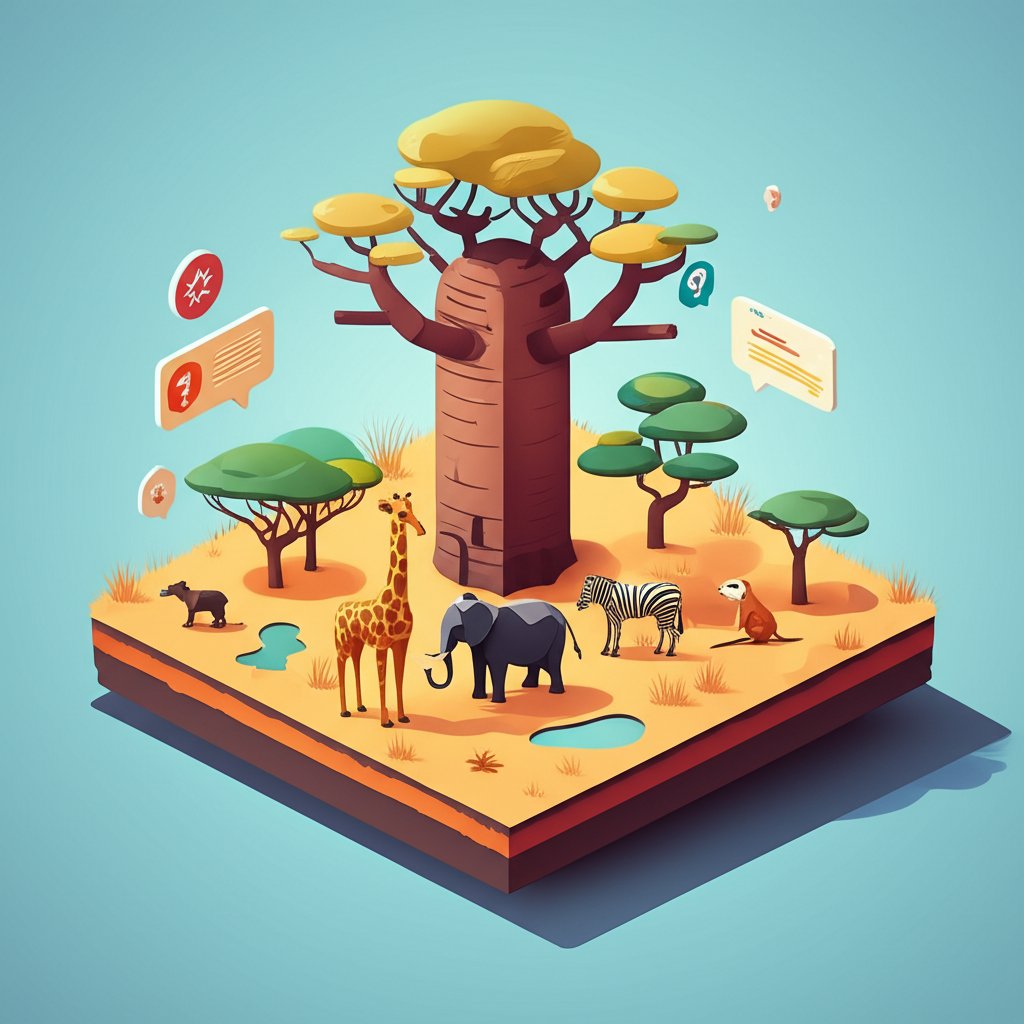
Understanding these fun facts about the African savanna is more than just trivia; it’s about grasping the intricate web of life that sustains one of our planet’s most vital ecosystems. Each fact underscores the savanna’s ecological importance and the urgent need for its protection.
The Importance of Conservation
The African savanna faces numerous threats, including climate change, habitat fragmentation due to agriculture and infrastructure development, and poaching. The unique adaptations and spectacular migrations we’ve discussed are all under pressure. Learning these facts about the savanna in Africa highlights just how much we stand to lose if conservation efforts aren’t prioritized and supported globally. Protecting the savanna means safeguarding not only its iconic wildlife but also the global climate and the livelihoods of millions.
Connecting with Nature
Ultimately, these 10 amazing African savanna fun facts invite us to connect with nature on a deeper level. They inspire awe, curiosity, and a sense of responsibility. Whether you dream of witnessing the Great Migration firsthand or simply appreciating the resilience of a baobab tree, the savanna offers invaluable lessons about interconnectedness, survival, and the enduring beauty of the natural world.
Conclusion
The African savanna is a place of unparalleled wonder, a living masterpiece of evolution and resilience. From its status as the world’s largest and oldest tropical grassland to the epic migrations, the majestic baobabs, and the ancient wisdom of its indigenous guardians, every aspect offers a captivating glimpse into the power and beauty of nature. We’ve explored 10 amazing African savanna fun facts that reveal its intricate climate, incredible biodiversity, and the crucial role fire plays in its very existence.
Understanding these fun facts about the African savanna not only enriches our knowledge but also solidifies the urgent need for its conservation. This extraordinary biome, teeming with fun facts about the savanna in Africa, is a treasure trove that demands our respect, admiration, and unwavering protection. Let these insights inspire you to learn more and advocate for the preservation of this truly magnificent corner of our planet.
FAQ
Q1: What are the most unique characteristics of the African savanna?
A1: The African savanna is uniquely characterized by its pronounced wet and dry seasons, vast expanses of tropical grassland interspersed with scattered trees (differentiating it from pure grasslands or forests), and the incredible diversity of large mammal species, including the “Big Five” and the participants of the Great Migration. It also relies on natural fires as an ecological tool.
Q2: What animals can be found exclusively in the African savanna?
A2: While many species inhabit multiple biomes, the African savanna is the primary habitat for iconic animals such as the African lion, African elephant, giraffe, zebra, wildebeest, cheetah, and various antelope species. The specific populations and large-scale migrations like that of the wildebeest are largely unique to the African savanna.
Q3: How do plants in the African savanna survive the harsh dry season?
A3: Savanna plants have developed remarkable adaptations to survive prolonged dry seasons. Many grasses have deep root systems to access underground water. Trees like the baobab store vast amounts of water in their trunks, while others like acacia trees have small leaves or waxy coatings to reduce water loss. Some plants also become dormant during the dry season, conserving energy.
Q4: Is the African savanna growing or shrinking?
A4: This is a complex phenomenon. While some desert savannas, particularly along the Sahara’s southern edge (the Sahel), are experiencing expansion into more arid conditions due to climate change and human activities (desertification), other areas might experience “greening” due to increased CO2 levels. Overall, many parts of the African savanna are under threat from human encroachment, habitat loss, and climate shifts, leading to shrinking or degradation of healthy savanna ecosystems.
Q5: What is the significance of the “Big Five” in the African savanna?
A5: The “Big Five” (African lion, leopard, African elephant, rhino, and Cape buffalo) were historically named by big-game hunters as the most difficult and dangerous animals to hunt on foot. Today, they represent the most iconic and sought-after animals for wildlife safaris and are considered a symbol of the richness and grandeur of the African savanna’s biodiversity. Their presence is a major draw for tourism and a key indicator of a healthy ecosystem.










