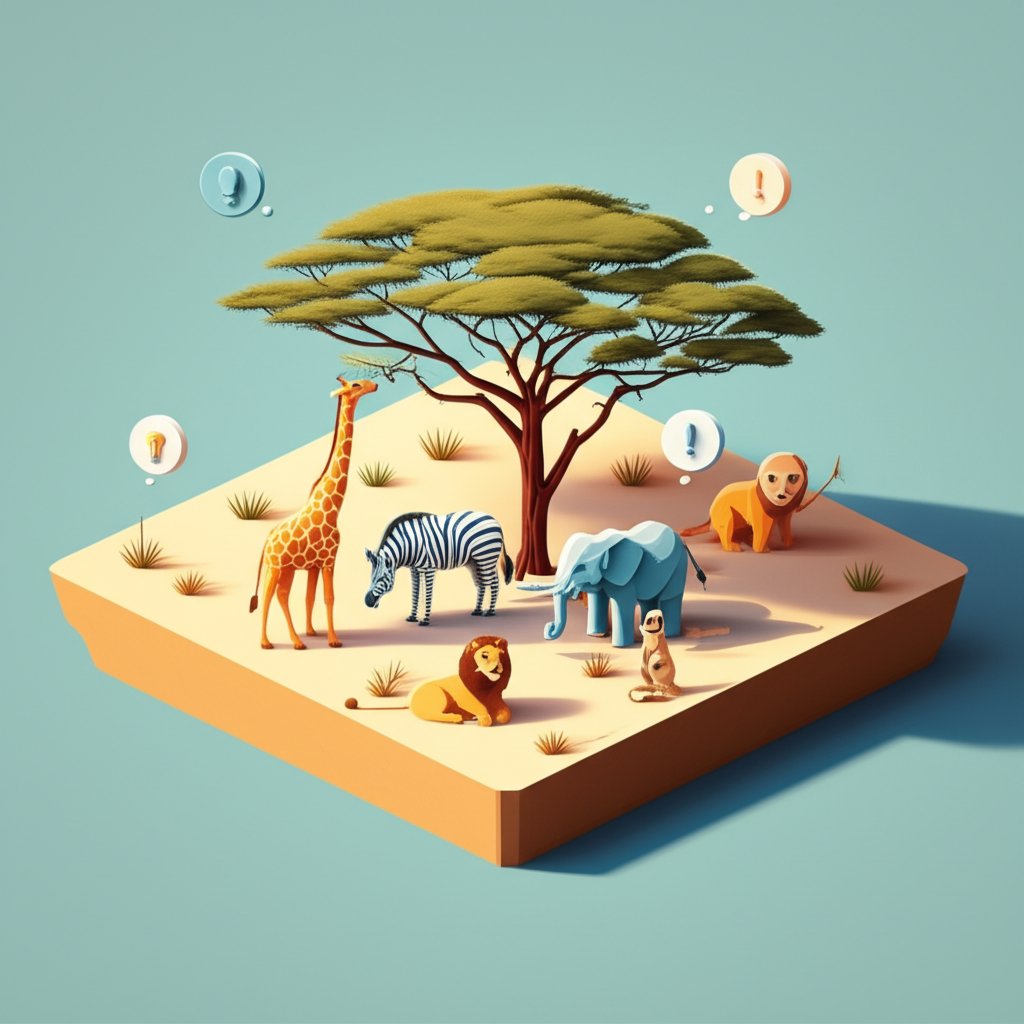
Imagine vast, sun-drenched plains stretching to the horizon, dotted with acacia trees and teeming with incredible wildlife. This iconic landscape, the savanna, holds countless secrets and wonders. While many recognize its breathtaking beauty, few truly grasp the intricate ecosystems and fascinating details that make it so unique. If you’re ready to uncover some truly amazing savanna facts, prepare to be captivated! This article dives deep into 10 Amazing Fun Savanna Facts You Must Know!, offering a comprehensive journey through one of Earth’s most dynamic and vital biomes. Get ready to discover the extraordinary world of savannas, from their global reach to their crucial role in human history and the incredible adaptations of the life they sustain. These fun facts about savannas will not only entertain but also enlighten, providing facts about savannas that paint a vivid picture of this remarkable ecosystem.
Global Giants: Where Savannas Roam the Earth
Contrary to popular belief, savannas aren’t confined to a single continent. These sprawling grasslands, characterized by scattered trees and shrubs, are a global phenomenon, gracing multiple corners of our planet. Understanding their widespread presence is one of the most astonishing savanna facts.
Africa’s Iconic Dominance
When most people think of a savanna, their mind immediately conjures images of the African plains, and for good reason. Africa is home to the largest and most iconic expanses of savanna, particularly the East African savanna, which includes the famous Serengeti. This vast biome blankets approximately 20% of Earth’s land area, with Africa boasting the lion’s share. These immense grasslands are the stage for some of the world’s most spectacular wildlife migrations, featuring millions of wildebeest, zebras, and gazelles traversing the landscape in search of greener pastures. The sheer scale and biodiversity of African savannas make them a natural wonder.
Beyond Africa: A World of Diverse Savannas
While Africa might be the poster child, savannas thrive on other continents too. South America features vast savannas like the Cerrado in Brazil and the Llanos straddling Venezuela and Colombia. Australia has extensive tropical savannas, home to unique marsupial wildlife, while parts of India also host their own savanna ecosystems. These diverse geographical locations underscore the adaptability of the savanna biome to various climates and conditions, making facts about the savanna truly global in scope. Each region showcases a slightly different flavor of savanna, shaped by local climate patterns, soil types, and the unique species that call them home. This global distribution highlights a key fun fact about the savannah – it’s a truly international landscape.
While Africa may be the most well-known, understanding the global distribution is key, and further exploration into these ecosystems reveals why these savanna important facts are so crucial to conservation efforts worldwide.
The Rhythmic Heartbeat: Savanna’s Wet and Dry Seasons
One of the defining characteristics of savannas, and certainly one of the most impactful savanna facts, is the pronounced cycle of wet and dry seasons. This climatic rhythm dictates the entire ecosystem, shaping the lives of every plant and animal within it.
Life’s Adaptation in the Wet Season
During the wet season, savannas are transformed into lush, vibrant landscapes. Abundant rainfall brings forth an explosion of new growth, with grasses shooting up tall and green, and trees bursting with fresh leaves. This period is a time of plenty, supporting a surge in animal populations and reproductive cycles. Herbivores graze freely on the rich vegetation, and water sources are plentiful. The savanna becomes a bustling hub of activity, a stark contrast to its drier counterpart. This seasonal bounty is a crucial fun fact about savannas that drives the entire food web.
Survival Strategies in the Arid Dry Season
As the dry season approaches, the savanna undergoes a dramatic shift. Rainfall diminishes, temperatures rise, and the once-lush grasses turn brown and brittle. Waterholes shrink, and food becomes scarce. This harsh period demands incredible resilience and clever adaptation from its inhabitants. Many animals, particularly large herbivores like wildebeest and zebras, undertake epic migrations, moving hundreds of miles in search of water and palatable vegetation. Predators, too, face challenges as their prey disperses or weakens. Plants also develop strategies, such as deep root systems to tap into underground water or shed leaves to conserve moisture. These remarkable survival tactics are integral facts about the savanna that showcase nature’s ingenuity.
Nature’s Design: Grasslands, Open Canopies, and Fire’s Embrace
The unique physical structure of the savanna—its characteristic mix of grasses and scattered trees—is maintained by a delicate balance of environmental factors, with one element playing a surprisingly vital role: fire. This interconnectedness is a fascinating fun fact about the savannah.
Why Grass Reigns Supreme
In savannas, grasses are the dominant form of vegetation, often growing tall and dense. This prevalence of grass over dense tree cover is a hallmark of the biome. Grasses are incredibly resilient; their growth points are at the base of the plant, allowing them to quickly recover from grazing by herbivores or the passage of fire. They form the primary food source for the vast herds of grazing animals, supporting the incredible biomass of the savanna. This fun fact about savannas underscores the foundational role of these tough, fast-growing plants.
The Open-Air Ecosystem: Sunlight and Scatter
Unlike dense forests where a thick canopy blocks most sunlight, savannas boast an open canopy. Trees are spaced far apart, allowing ample sunlight to reach the ground, which is essential for the growth of grasses. This unique structure creates a mosaic-like landscape—patches of grassland interspersed with individual trees or small clusters. This open-air design is crucial for the diverse array of life, as it provides both grazing areas and strategic cover for animals, showcasing another key savanna fact.
The Phoenix Effect: How Fire Shapes the Savanna
Perhaps one of the most counterintuitive yet essential facts about savannas is the critical role of fire. Natural fires, often sparked by lightning, are not simply destructive but are a fundamental ecological process. Fire helps prevent dense forests from encroaching upon grasslands by burning away young trees and shrubs, thus maintaining the open canopy. It also stimulates new grass growth, clearing old, tough vegetation and releasing nutrients back into the soil, creating richer grazing grounds. Many savanna plants have adapted to fire, with fire-resistant bark or seeds that require heat to germinate. This “phoenix effect” of fire is a powerful fun fact about the savanna, highlighting nature’s regenerative cycles.
A Cradle of Life: Unraveling Savanna’s Incredible Biodiversity
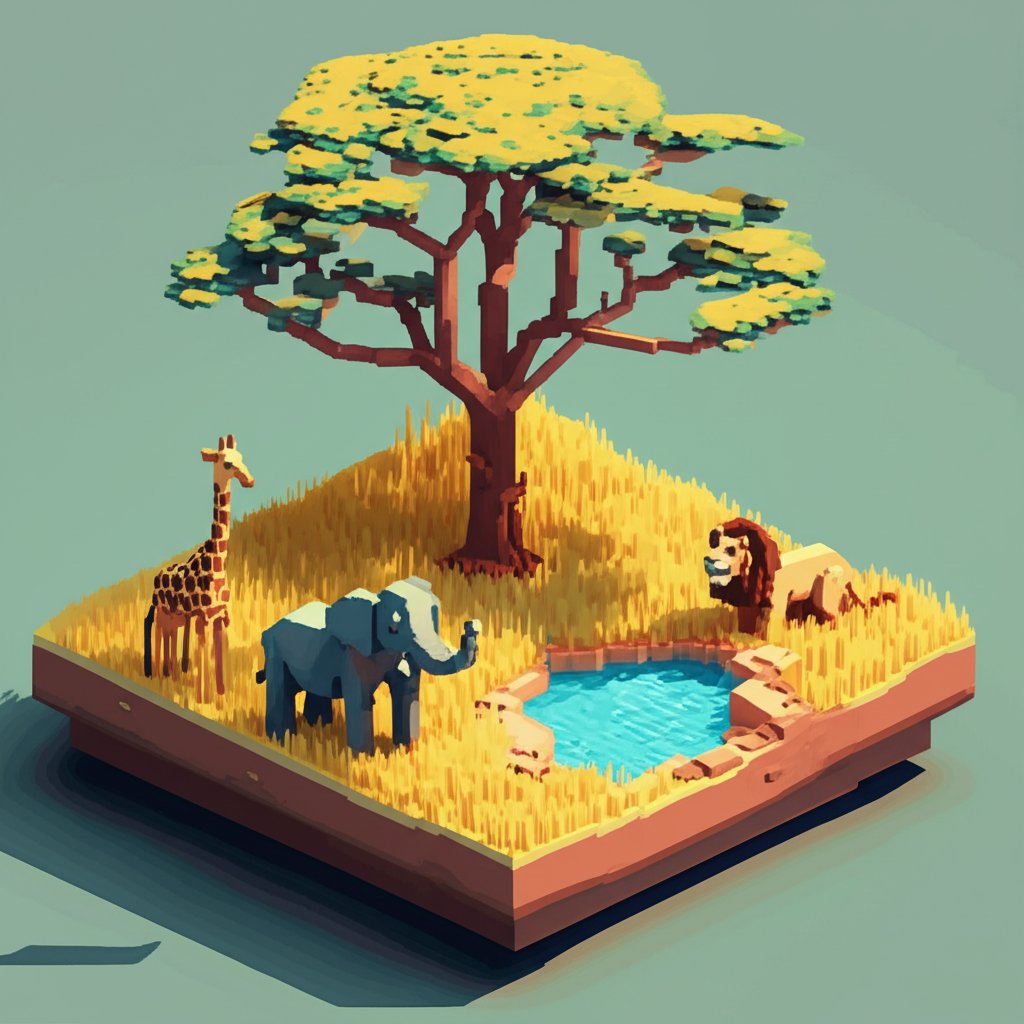
The savanna biome is an ecological wonderland, renowned for its breathtaking diversity of animal and plant life. From the largest land mammals to the most resilient shrubs, life here has evolved astonishing adaptations, making for some truly amazing savanna facts.
Herbivore Heaven: Giants and Graziers
Savannas are synonymous with large herbivorous mammals. It’s truly a “herbivore heaven,” home to the most diverse and abundant populations of grazers and browsers on Earth. Think of majestic elephants, towering giraffes, powerful rhinos, nimble antelopes, and stripe-clad zebras – all depend on the savanna’s vegetation for survival. These animals play a crucial role in shaping the landscape through their grazing patterns, helping to maintain the balance between grasses and trees. This incredible concentration of plant-eaters is a captivating fun fact about savannas.
Predators of the Plains: Apex Hunters and Survival
Where there are abundant herbivores, there are naturally apex predators. Savannas are the hunting grounds for some of the world’s most formidable carnivores, including lions, cheetahs, leopards, and hyenas. These powerful hunters have evolved incredible speed, stealth, and social strategies to track and capture their prey. The dynamic interplay between predator and prey is a constant, dramatic ballet of survival, a fascinating fun fact about the savanna that highlights the raw power of nature. Each species has a niche, contributing to the complex food web of the biome.
Botanical Wonders: Plants Built for Resilience
The plant life of the savanna is as remarkable as its animal inhabitants. Faced with intense heat, periodic droughts, and frequent fires, savanna plants have developed extraordinary adaptations. Many trees, like the iconic Baobab, store water in their trunks. Others, such as acacia trees, have thorns to deter grazers and tiny leaves to minimize water loss. Grasses have deep root systems to access groundwater and grow quickly after being grazed or burned. These ingenious survival mechanisms are critical facts about savannas and showcase evolution at its finest.
Humanity’s Ancient Home: Savannas and Our Story
Beyond its ecological significance, the savanna holds a profound connection to humanity itself. It is widely believed to be the birthplace of our species, making its role in human history one of the most vital savanna facts.
Our Origins: The Cradle of Homo Sapiens
Archaeological evidence strongly suggests that early Homo sapiens first emerged and evolved in the African savannas. The open landscapes provided ample resources, a variety of food sources, and environmental pressures that likely spurred the development of bipedalism (walking upright) for better visibility and tool-making for hunting and defense. The savanna was our ancient home, the setting where our ancestors honed the skills that would eventually lead to the rise of modern humans. This deep historical link is a truly profound fun fact about the savannah.
Modern Human Interaction and Conservation Challenges
Today, human interaction with savannas continues, albeit with new challenges. While many indigenous and pastoralist communities have coexisted with savanna ecosystems for centuries, modern pressures pose significant threats. Deforestation for agriculture, overgrazing, poaching, and the impacts of climate change are leading to habitat loss and fragmentation across savanna regions worldwide. Understanding these facts about the savanna is crucial for developing effective conservation strategies. Protecting these vital ecosystems, which are savanna facts rich in biodiversity and history, is paramount for both wildlife and future generations.
Beyond the Basics: Unique Insights into Savanna Types and Names
To truly appreciate the savanna, it’s helpful to delve into its various classifications and even the origin of its name. These granular details offer more fun facts about savannas that broaden our understanding.
Classifying the Grasslands: Tropical, Temperate, Montane
Savannas aren’t a monolithic entity; they can be categorized into different types based on their climatic characteristics and geographical location, adding another layer to savanna facts.
facts about the savanna.The Origin of “Savanna”: A Name Spanning Continents
Even the name “savanna” has an interesting origin, a linguistic fun fact about the savannah that connects it to early cultural encounters. The word “savanna” is believed to derive from the Taíno word “zabana,” meaning “treeless plain” or “grassy plain.” The Taíno people were indigenous inhabitants of the Caribbean, encountered by Spanish explorers. The term was then adopted and adapted into European languages to describe similar grassland ecosystems elsewhere in the world, particularly in Africa. This linguistic journey adds a unique historical dimension to our collection of fun facts about savannas.
Conclusion
From the vast plains of Africa to the unique ecosystems of Australia and South America, savannas are truly global phenomena, rich with incredible life and dynamic processes. We’ve journeyed through 10 Amazing Fun Savanna Facts You Must Know!, uncovering their defining wet and dry seasons, the crucial role of fire, the breathtaking diversity of their wildlife, and their deep connection to human origins. These savanna facts reveal a biome that is not just beautiful but also complex, resilient, and vital for the planet. Understanding the fun facts about savannas and facts about the savanna helps us appreciate the intricate balance of nature. As we’ve learned, savannas are under increasing threat from human activities, emphasizing the urgent need for conservation efforts. By sharing these fun facts about the savannah, we hope to inspire greater appreciation and protection for these magnificent grasslands for generations to come.
FAQ Section
Q1: What is a savanna biome?
A1: A savanna biome is a grassland ecosystem characterized by a mix of grasses and scattered trees and shrubs. It experiences distinct wet and dry seasons and supports a wide variety of wildlife.
Q2: Where are savannas primarily found?
A2: Savannas are found on multiple continents, including Africa, South America, Australia, and India. Africa hosts the largest and most well-known savannas, such as the Serengeti.
Q3: What makes savannas unique compared to forests or deserts?
A3: Savannas are unique due to their open canopy, allowing abundant sunlight to reach the ground, which supports extensive grass growth. Unlike deserts, they receive significant rainfall during the wet season, and unlike forests, they lack a dense, continuous tree cover.
Q4: What types of animals commonly inhabit savannas?
A4: Savannas are famous for their rich biodiversity, particularly large mammals. Common inhabitants include herbivores like elephants, giraffes, zebras, wildebeest, and antelopes, as well as predators such as lions, cheetahs, leopards, and hyenas.
Q5: How do the wet and dry seasons affect savanna life?
A5: The wet season brings abundant rainfall and lush vegetation, leading to a boom in animal populations and plant growth. The dry season, conversely, is characterized by scarce water and dry grasses, forcing many animals to migrate and plants to employ survival adaptations like deep roots or water storage.
Q6: What role does fire play in savanna ecosystems?
A6: Fire is a crucial natural process in savannas. It helps prevent encroachment by dense forests, promotes new grass growth by clearing old vegetation, and releases nutrients back into the soil. Many savanna plants have evolved adaptations to survive and even thrive after fires.
Q7: What are the main types of savannas?
A7: Savannas are broadly categorized into tropical, temperate, and montane types. Tropical savannas are closest to the equator with year-round warmth, temperate savannas experience more seasonal temperature changes, and montane savannas are found at higher altitudes with cooler climates.
Q8: What is the significance of savannas in human history?
A8: Savannas are believed to be the “cradle of humanity,” where early Homo sapiens first emerged and evolved. The environmental conditions of the savanna likely played a significant role in the development of key human traits and behaviors.










