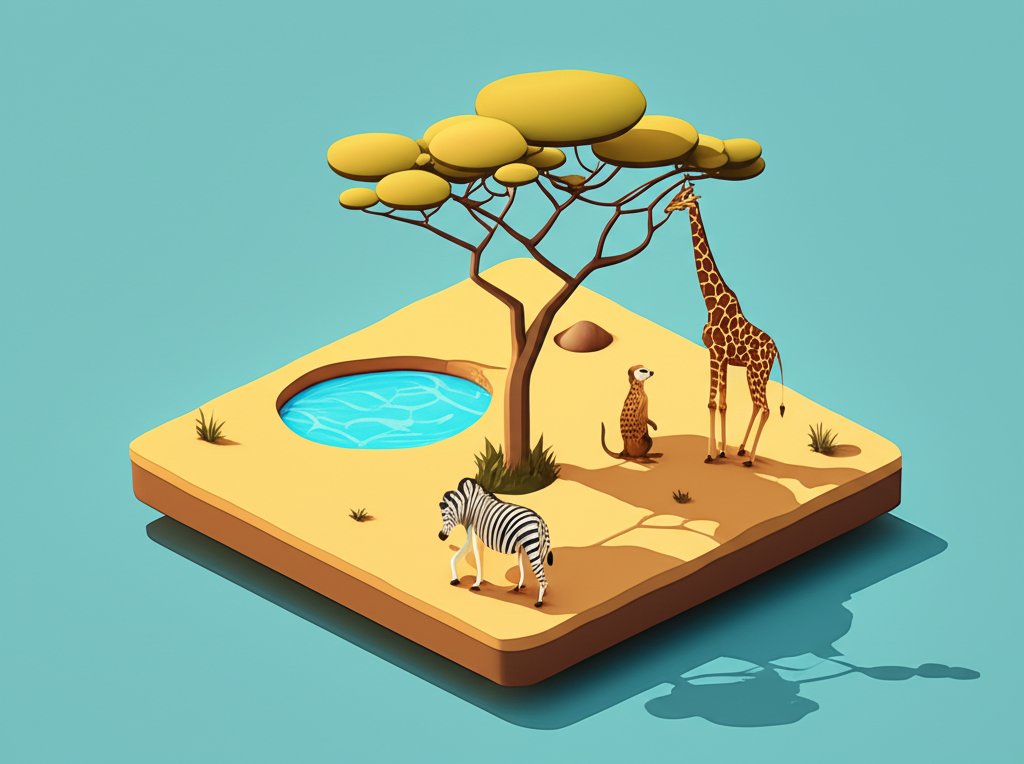
Imagine a landscape where vast grasslands stretch to the horizon, dotted with iconic, flat-topped acacia trees, and teeming with some of the planet’s most majestic wildlife. This is the savanna, a biome of immense beauty, incredible resilience, and surprising secrets. Far from being just a backdrop for nature documentaries, the savanna is a dynamic, complex ecosystem crucial to global biodiversity. If you’re looking for fun facts about the savanna, or want to uncover savanna interesting facts, prepare to have your mind blown. We’re diving deep into the heart of this incredible biome to reveal ten truly astonishing facts that will redefine your understanding of the savanna.
Unveiling the Savanna’s Secrets: Fun Facts About the Savanna Biome
The savanna isn’t just a place; it’s a living, breathing marvel of nature, constantly adapting and surprising. Let’s explore some truly captivating facts about the savanna that highlight its unique character and ecological importance.
1. Expansive Dominance: Savannas Cover One-Fifth of Earth’s Land
Understanding the sheer scale of these ecosystems, as highlighted by other savanna important facts, underscores why their conservation is so critical for the planet’s overall health.
Did you know that savannas are one of the most widespread biomes on Earth? These vast grassy plains, punctuated by scattered trees, encompass an astonishing 20% of the planet’s total land area. To put that into perspective, savannas cover an area larger than countries like Russia, Canada, or China! This immense reach means you can find savannas on five different continents: Africa, South America, Australia, Asia, and even a small part of North America. This colossal presence underscores their vital role in supporting global ecosystems and biodiversity, making them a cornerstone of terrestrial life.
2. The Great Migration: Earth’s Most Epic Wildlife Spectacle
When you think of savanna fun facts, the African savanna often comes to mind, and for good reason. It hosts one of the natural world’s most spectacular phenomena: the Great Migration. Each year, over 1.5 million wildebeest, accompanied by hundreds of thousands of zebras and gazelles, embark on a perilous 1,800-mile journey across the Serengeti and Masai Mara. This isn’t just a walk in the park; it’s a desperate search for fresh grazing lands and water, driven by the changing seasons. It’s a true testament to the savanna’s capacity to sustain massive herbivore populations and the incredible instincts of its inhabitants.
3. The Dirt on Savanna Soil: A Nutrient Desert for Plants
Contrary to the lush appearance after rains, facts about the savanna biome reveal that its soil is often surprisingly poor in nutrients. This isn’t due to overuse but rather a combination of rapid decomposition (nutrients are quickly absorbed or leached away), infrequent but intense rainfall that can carry away topsoil, and high temperatures that don’t allow for rich organic matter buildup. This scarcity presents a constant challenge for plant growth. Yet, over millennia, savanna plants have evolved ingenious strategies, such as developing incredibly deep root systems to tap into underground water and nutrient reserves, or forming symbiotic relationships with fungi to enhance nutrient uptake.
4. Baobabs: The “Upside-Down Trees” and Ancient Water Reservoirs
The baobab tree, a distinctive and often bulbous icon of the African and Australian savannas, truly earns its “mind-blowing” status. Its massive, swollen trunk, often described as an “upside-down tree” with roots reaching for the sky, is actually a colossal water storage unit. A single mature baobab can hold thousands of liters of water during the dry season, acting as a crucial oasis for animals (and sometimes humans) in times of drought. These ancient giants can live for over 1,500 years, providing food, shelter, and water, earning them the local moniker “Tree of Life.”
5. Fire: The Savanna’s Architect and Life-Giver
While often perceived as destructive, fire is a natural and indispensable force in the savanna ecosystem, acting as its primary architect. Many facts about savanna ecology highlight fire’s surprising benefits. Frequent, low-intensity fires prevent the encroachment of dense forests, maintaining the open grasslands that define the savanna. They recycle nutrients quickly back into the soil, stimulate the growth of new, tender grasses (a boon for grazers), and even help control pests and diseases. Many savanna plants have evolved fire-resistant bark or seeds that only germinate after being exposed to heat, demonstrating their profound reliance on this fiery sculptor.
6. The Tree-Grass Dance: A Biome Defined by Dynamic Balance
The savanna isn’t simply “grass and trees”; it’s a delicate and dynamic balance between these two life forms. This continuous “tree-grass dance” is a fascinating savanna interesting facts point. Trees and grasses compete for limited water and nutrients, and their distribution is heavily influenced by factors like rainfall, soil type, fire frequency, and the presence of grazing animals. Too many trees turn it into a forest; too few, and it becomes a desert. This ongoing competition and adaptation create the mosaic-like landscape—the hallmark of the savanna biome—that supports such a rich diversity of life.
7. A Living Library: Savannas Host a Quarter of Earth’s Biodiversity
Despite their often-harsh conditions, savannas are biodiversity hotspots. This is one of the most compelling fun facts about the savanna. They are home to an astonishing 25% of all terrestrial biodiversity! Beyond the famous large mammals like lions, elephants, and giraffes, savannas teem with an incredible array of bird species, reptiles, insects (including over 1,000 species of termites in some regions), and countless types of grasses and wildflowers. This rich tapestry of life, from microscopic organisms to towering megafauna, showcases the savanna’s immense ecological value.
8. Seasonal Rhythms: Extreme Wet and Dry Cycles Shape All Life
The savanna experiences two dramatically distinct seasons: a long, intense dry season and a shorter, but often torrential, wet season. This rhythm deeply impacts every organism. During the dry season, water sources dwindle, grasses turn brown, and life slows down, with many animals migrating or entering dormancy. However, with the arrival of the rains, the savanna undergoes a breathtaking transformation. Parched land greens almost overnight, rivers swell, and life bursts forth with renewed vigor, from the calving of wildebeest to the blooming of wildflowers. This extreme seasonal swing forces incredible adaptations and survival strategies.
9. Termite Towers: Mini-Cities That Engineer the Landscape
Termites in the savanna are not just pests; they are master architects and ecosystem engineers! Their colossal mounds, towering up to 20 feet high and often visible for miles across the plains, are intricate mini-cities with complex ventilation systems, fungus farms, and chambers for millions of inhabitants. These structures are more than just homes; they significantly impact the savanna. Termite mounds enrich the surrounding soil, create microhabitats for other species, and can even influence water flow across the landscape, making them a surprising but crucial factor in the facts about savanna ecology.
10. Master Survivors: Plants with Secret Weapons Against Harsh Conditions
Savanna plants are truly nature’s master survivors, demonstrating incredible adaptations to withstand drought, fire, and grazing. This is an essential point when considering savanna interesting facts. Beyond deep roots (Fact 3) and fire-resistant bark (Fact 5), many grasses employ C4 photosynthesis, a highly efficient method for converting sunlight into energy in hot, dry conditions. Some plants store water in succulent leaves or stems, while others rapidly regrow after being grazed or burned. Trees like acacias develop sharp thorns or produce bitter tannins to deter herbivores, showcasing a botanical arms race against hungry mouths.
Beyond the Horizon: More Fascinating Facts About Savanna Ecosystems
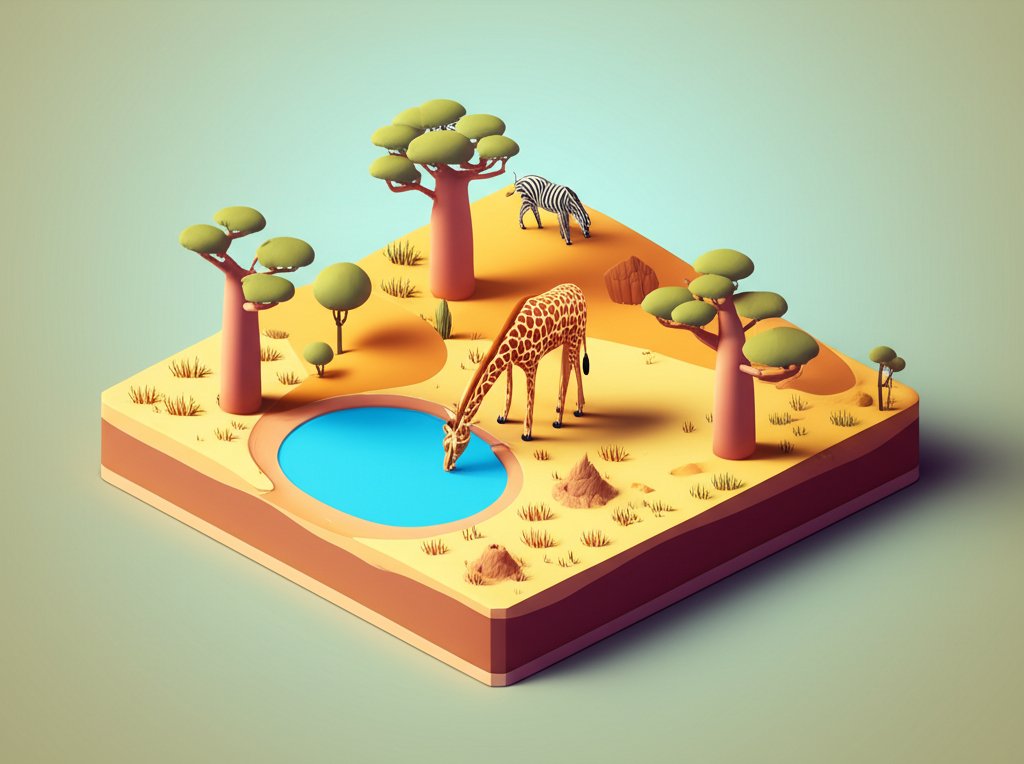
While the “10 Mind-Blowing Fun Facts About the Savanna” provide a stellar introduction, the savanna biome is a wellspring of deeper ecological insights. Let’s delve further into what makes these vast grasslands tick.
Global Reach: Where Else Can You Find Savannas?
While the African savanna is arguably the most famous, these vital grasslands are a global phenomenon. South America boasts the Cerrado, a vast savanna ecosystem in Brazil, home to unique species like the maned wolf and giant anteater. In Australia, the tropical savannas cover significant portions of the northern continent, providing habitat for kangaroos, wallabies, and diverse birdlife. Even parts of India, like the Terai-Duar savanna, and regions of Southeast Asia exhibit savanna characteristics, proving that the facts about the savanna biome span far beyond a single continent. Each regional savanna, while sharing core features, has evolved its own distinct flora and fauna.
Grazers vs. Browsers: The Savanna’s Dietary Divisions
The incredible diversity of herbivores in the savanna is a testament to the biome’s varying vegetation types. This leads to distinct feeding strategies: grazers and browsers. Grazers, like wildebeest and zebra, specialize in eating grasses, often having wide muzzles and flat teeth suited for cropping. Browsers, such as giraffes and kudus, prefer leaves, twigs, and fruits from trees and shrubs, possessing narrower muzzles and prehensile tongues. This dietary division minimizes competition for food resources, allowing a greater number of species to coexist and thrive within the same savanna ecosystem. This intricate partitioning of resources is another captivating aspect of the facts about savanna life.
Predator-Prey Dynamics: A Delicate Balance
The savanna is the ultimate stage for the eternal dance between predator and prey. Lions, leopards, cheetahs, and hyenas are apex predators, while herbivores like antelopes, zebras, and buffalo form the primary food source. This relationship is not simply about survival; it’s a powerful force that shapes the entire ecosystem. Predators keep herbivore populations in check, preventing overgrazing that could degrade the land. Conversely, the speed and vigilance of prey animals drive the evolution of stealth and power in their hunters. It’s a brutal yet beautiful balance, constantly adapting, and a key element of any savanna interesting facts discussion.
Preserving the Plains: The Importance of Savanna Conservation
Understanding these fun facts about the savanna isn’t just for curiosity; it highlights the critical need for conservation. These vital ecosystems face growing threats, jeopardizing their incredible biodiversity and the ecological services they provide.
Threats to the Savanna: Why These Landscapes are At Risk
Despite their resilience, savannas are increasingly vulnerable. Key threats include:
- Habitat Loss: Conversion of savanna lands for agriculture (e.g., cattle ranching, crop cultivation) is a major driver of degradation, particularly in South America’s Cerrado.
- Climate Change: Shifting rainfall patterns, increased frequency of extreme droughts, and altered fire regimes (too much or too little fire) disrupt the delicate balance of the savanna, impacting both plants and animals.
- Poaching: Illegal hunting continues to decimate iconic species like elephants, rhinos, and lions, severely impacting the savanna’s food web and tourism potential.
- Human Encroachment: Growing human populations near savanna areas lead to increased conflict over resources, overgrazing by domestic livestock, and infrastructure development.
- Invasive Species: Non-native plants and animals can outcompete native species, altering the ecosystem’s structure and function.
These challenges underscore why the facts about the savanna biome must be shared widely – to inspire action and protection.
What You Can Do: Supporting Savanna Preservation
Protecting these magnificent landscapes requires global and local efforts. Here are ways to contribute to savanna conservation:
- Support Conservation Organizations: Donate to reputable organizations working on the ground in savanna regions, focusing on anti-poaching, habitat restoration, and community-based conservation.
- Promote Sustainable Tourism: Choose eco-tourism operators who prioritize ethical wildlife viewing and contribute directly to local communities and conservation efforts.
- Educate Others: Share these savanna fun facts and the importance of this biome with friends, family, and social networks. Awareness is the first step toward action.
- Make Conscious Consumer Choices: Support products that are sustainably sourced and do not contribute to deforestation or habitat destruction in savanna regions.
- Advocate for Policy Changes: Support policies that promote protected areas, sustainable land management, and combat illegal wildlife trade.
Every effort, big or small, contributes to safeguarding the savanna’s future and ensuring these incredible savanna interesting facts remain a vibrant reality for generations to come.
Conclusion
The savanna is far more than just a grassland; it’s a testament to nature’s ingenuity, resilience, and breathtaking beauty. From its colossal geographic footprint to the dramatic spectacle of the Great Migration, the life-giving role of fire, the ancient wisdom of baobab trees, and the intricate ecosystems engineered by termites, these 10 mind-blowing fun facts about the savanna Scratch merely the surface of its wonders. Understanding these facts about the savanna biome reveals an interconnected world where every plant and animal plays a crucial role. As we appreciate the unique characteristics and remarkable adaptations that define this magnificent biome, we are reminded of our shared responsibility to protect it. Let these insights inspire you to marvel at, and advocate for, the continued preservation of the world’s savannas, ensuring their secrets and spectacles continue to unfold for future generations.
FAQ
Q1: What makes a savanna different from a prairie or a forest?
A1: A savanna is characterized by a mix of tall grasses and scattered trees, which are typically found in tropical or subtropical regions with distinct wet and dry seasons. Prairies are primarily grasslands with very few trees, often found in temperate zones. Forests, in contrast, have a dense canopy of trees that cover most of the land. The unique balance of trees and grasses, often maintained by fire and grazing, defines the savanna.
Q2: How do animals survive the intense dry season in the savanna?
A2: Savanna animals employ various survival strategies during the dry season. Many, like wildebeest and zebra, undertake long migrations to find water and greener pastures. Others, like elephants, can dig for water. Some animals might enter a state of dormancy (aestivation) or become less active. Predators, in turn, rely on the weakened state of herbivores, sometimes ambushing them at dwindling waterholes.
Q3: Are all savannas tropical?
A3: Predominantly, yes, most savannas are found in tropical or subtropical regions, characterized by warm temperatures year-round and distinct wet and dry seasons. However, there are also “temperate savannas” (often called grasslands or prairies) in cooler climates, though they exhibit different plant and animal communities and seasonal patterns than their tropical counterparts. Our focus here is on the quintessential tropical savanna.
Q4: What are the main types of plants found in the savanna?
A4: The savanna biome is dominated by various grasses, often tall and coarse, such as Rhodes grass, lemon grass, and big bluestem. Trees are scattered and typically have adaptations to drought and fire, like thick bark and deep roots. Common tree species include acacias (e.g., umbrella thorn acacia), baobabs, and eucalyptus (in Australian savannas). These plants have evolved to thrive in nutrient-poor soils and withstand grazing pressure.
Q5: Is the African savanna the only one with large wildlife?
A5: While the African savanna is world-renowned for its “Big Five” and spectacular migrations, other savannas around the globe also host unique and large wildlife. For example, the Australian savanna is home to kangaroos, wallabies, and emus. South America’s Cerrado savanna features large species like the giant anteater, maned wolf, and jaguars. However, the sheer density and diversity of megafauna in the African savanna is indeed unparalleled globally.










