
Step into a world where artistry meets ecological intelligence – the captivating realm of landscape architecture. Far more than just planting pretty flowers, this dynamic field is an intricate dance between human creativity and the principles of nature, meticulously shaping our surroundings to foster beauty, functionality, and enduring environmental health. If you’ve ever wondered how stunning urban parks come to life, or how a bustling city can still feel connected to its natural roots, you’re about to uncover the profound landscape architecture secrets that make it all possible.
In an age where environmental consciousness is paramount, sustainable design has become the beating heart of modern landscape architecture. This article will not only reveal fascinating landscape architecture facts but also guide you through the core tenets of creating truly sustainable outdoor spaces, showcasing how thoughtful environmental design can transform our world. Prepare to journey through the past, present, and future of a profession that is quietly, yet powerfully, designing a more harmonious planet.
What is Landscape Architecture? Redefining Outdoor Spaces
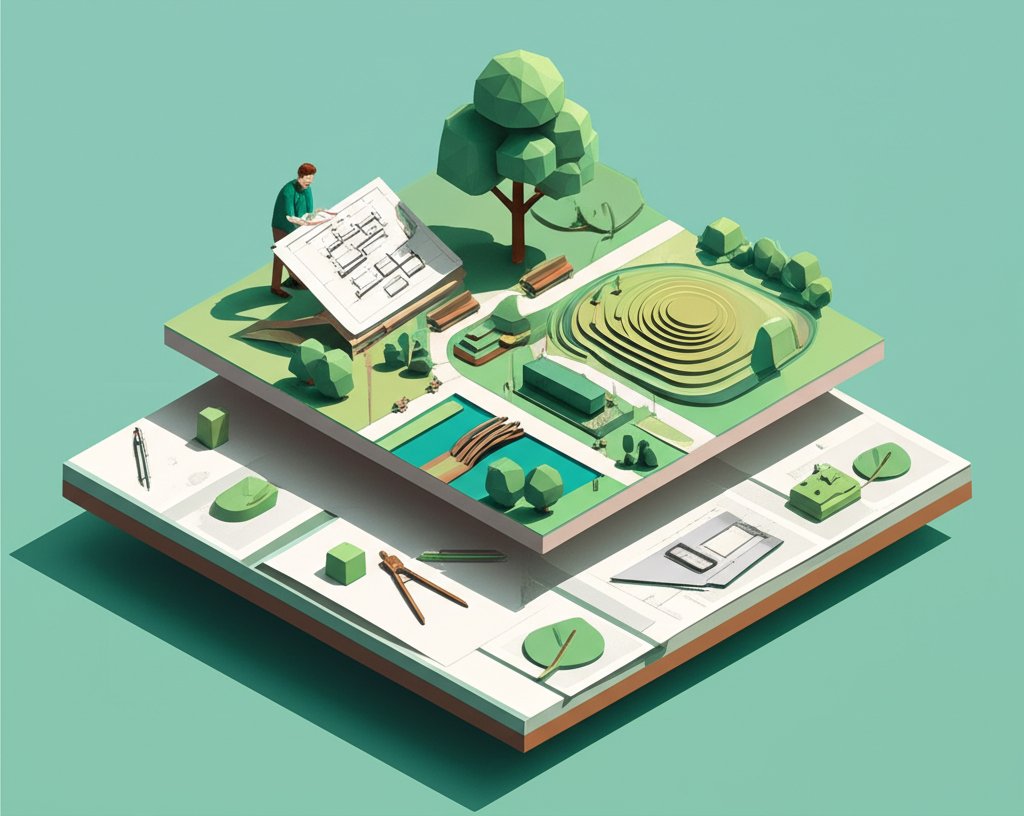
At its core, landscape architecture is the professional discipline concerned with the design, planning, management, and stewardship of the built and natural environment. It’s about crafting the outdoor areas around us – from the grandest public parks to the most tranquil residential gardens – to achieve meaningful environmental, social-behavioral, and aesthetic outcomes. It’s the art and science of connecting people with nature and integrating structures seamlessly into their surroundings, enhancing both.
Beyond Gardens: A Multi-Disciplinary Fusion
One of the most compelling landscape architecture facts is its inherently multi-disciplinary nature. Landscape architects are not just horticulturists; they are master collaborators, drawing on an expansive knowledge base that includes:
Urban Design: Shaping the public realm of cities requires a deep understanding of spatial dynamics, something also highlighted in these fascinating facts about landscaping.
- Urban Design: Shaping the public realm of cities, including plazas, streetscapes, and mixed-use developments.
- Architecture & Civil Engineering: Understanding how buildings interface with the land, managing grading, drainage, and infrastructure.
- Ecology & Botany: Deep knowledge of plant systems, biodiversity, soil sciences, and natural processes.
- Geography & Environmental Psychology: Analyzing site context, climate, and how human behavior is influenced by designed spaces.
- Fine Arts: An aesthetic sensibility for form, color, texture, and light that brings landscapes to life.
This fusion of disciplines allows landscape architects to tackle complex challenges, creating spaces that are not only visually striking but also ecologically sound, socially equitable, and built to last.
The Landscape Architect’s Canvas: From Urban Icons to Intimate Settings
The scope of landscape architecture is incredibly broad, impacting nearly every aspect of our lives. Their work encompasses:
- Public Parks and Recreation Areas: Designing spaces for relaxation, play, and community gathering, like New York City’s iconic Central Park, designed by Frederick Law Olmsted, often called the “father of American landscape architecture.”
- Green Infrastructure: Integrating natural systems into urban environments, such as stormwater management parks, green roofs, and permeable pavements.
- Corporate Campuses & Healthcare Facilities: Creating restorative outdoor spaces that boost productivity and facilitate healing.
- Residential Estates & Gardens: Crafting personalized landscapes that reflect individual tastes while optimizing environmental performance.
- Large-Scale Master Planning: Guiding the development of entire communities, regions, or even post-industrial reclamation sites.
Every project under the umbrella of landscape architecture aims to enhance the relationship between people and their environment, fostering a deeper appreciation for the outdoors.
The Pillars of Sustainable Design in Landscape Architecture
In today’s world, sustainable design is not merely a trend; it’s an imperative. For landscape architects, it means creating outdoor spaces that minimize negative environmental impact, conserve resources, support biodiversity, and promote human well-being, all while being economically viable. It’s about designing for the present without compromising the ability of future generations to meet their own needs.
Harmonizing with Nature: Ecological Principles
At the heart of sustainable design is a profound respect for natural systems. Landscape architects employ environmental design principles that ensure their creations integrate with, rather than overpower, existing ecosystems:
- Site Analysis & Hydrology: Understanding existing soil conditions, water flow, and microclimates to inform design decisions, minimizing runoff and maximizing water infiltration.
- Native Plant Palettes: Prioritizing indigenous flora that are adapted to the local climate, requiring less water, fertilizer, and pest control, thereby supporting local wildlife.
- Biodiversity Enhancement: Designing habitats that attract pollinators, birds, and other beneficial species, fostering ecological richness even in urban settings.
- Erosion Control: Utilizing natural grading, terracing, and vegetative cover to stabilize slopes and protect soil integrity.
By working with nature, instead of against it, landscape architects create resilient landscapes that require less maintenance and contribute positively to the environment.
Resource Efficiency: Water, Energy, and Materials
Sustainable design extends to a thoughtful approach to resource consumption. Every element in an outdoor space is considered for its life cycle:
- Water Conservation: Implementing smart irrigation systems, rainwater harvesting, greywater recycling, and drought-tolerant plantings.
- Energy Reduction: Strategic tree planting for shade can reduce urban heat island effects and lower energy consumption for adjacent buildings. Permeable surfaces reduce reflective heat.
- Material Selection: Specifying recycled, locally sourced, durable, and low-impact materials. This includes using reclaimed timber, recycled aggregate for pathways, or locally quarried stone, reducing embodied energy and transportation costs.
- Waste Management: Designing for construction waste reduction and promoting composting in maintained landscapes.
These considerations ensure that the creation and ongoing management of a landscape contribute to a smaller ecological footprint.
Social Sustainability: Designing for Community Well-being
A truly sustainable landscape is one that serves its community. Environmental design in this context focuses on human needs and interactions:
- Accessibility & Inclusivity: Designing spaces that are usable and welcoming for people of all ages and abilities.
- Public Health: Creating opportunities for physical activity, stress reduction, and connection with nature, which have proven health benefits.
- Community Engagement: Involving local residents in the design process to ensure the creation of spaces that reflect their values and needs, fostering stewardship.
- Cultural & Historical Preservation: Integrating and respecting the cultural heritage and historical context of a site, giving places a stronger sense of identity.
Outdoor spaces designed with social sustainability in mind become vibrant hubs that strengthen community bonds and improve quality of life.
Resilience and Adaptability: Preparing for Tomorrow
Climate change and urbanization present ongoing challenges. Sustainable design through landscape architecture builds resilience:
- Climate Change Adaptation: Designing for increased rainfall (e.g., rain gardens, bioswales), prolonged droughts, and rising temperatures (e.g., extensive tree canopy, cool paving materials).
- Future-Proofing: Creating flexible spaces that can adapt to changing uses, technologies, and environmental conditions over time.
- Disaster Mitigation: Using natural systems to lessen the impact of floods, wildfires, or other extreme weather events.
By embracing adaptability, landscape architects ensure that their designs remain relevant and functional for generations to come.
Unearthing Fascinating Landscape Architecture Facts & Its Rich History

The profession of landscape architecture has a rich and often surprising history, filled with innovative thinkers and world-changing projects. Beyond its modern applications, understanding its origins reveals its enduring influence.
The Surprising Origin of a Term
While the practice of shaping land is ancient, the term “landscape architecture” itself is relatively modern. It was first coined in English by John Claudius Loudon in his 1828 book, “An Encyclopaedia of Gardening.” Loudon applied the term to describe the art of arranging and designing outdoor spaces for aesthetic and functional purposes, drawing inspiration from landscape painters of the era. This artistic genesis highlights the deep-seated aesthetic sensibilities that continue to define the field.
Global Influence: Pioneers and Iconic Achievements
Throughout history, visionaries have transformed natural and built environments, leaving a legacy of remarkable landscape architecture facts:
- Ancient Wonders: From the Hanging Gardens of Babylon to the intricate Zen gardens of Japan, early civilizations demonstrated sophisticated principles of environmental design.
- European Grandeur: The formal gardens of Versailles in France (André Le Nôtre) and the picturesque English landscape parks like Stourhead (Henry Hoare) set benchmarks for scale and artistic expression.
- American Innovation: Frederick Law Olmsted and Calvert Vaux’s design of Central Park (New York City) in the mid-19th century revolutionized urban park design, demonstrating the power of public outdoor spaces for social good.
- Australian Excellence: Australia is globally recognized as a hotbed of innovative and sustainable landscape architecture, with iconic projects such as the Sydney Opera House Forecourt and Melbourne’s Royal Botanic Gardens showcasing cutting-edge design and a deep connection to the unique Australian landscape.
- Educational Hubs: The United States and the United Kingdom continue to be considered premier destinations for studying landscape architecture, offering comprehensive programs that emphasize global challenges and sustainable design principles.
These examples underscore the profession’s enduring impact across cultures and centuries.
A Profession on the Rise: Why Landscape Architects are Essential
The US Bureau of Labor Statistics consistently identifies landscape architecture as an above-average growth profession, highlighting its increasing importance. Why? Because landscape architects possess a unique skill set crucial for addressing contemporary challenges:
- Climate Change Mitigators: They design for flood resilience, urban heat island reduction, and carbon sequestration.
- Community Builders: They create vibrant, accessible public spaces that foster social interaction and improve urban liveability.
- Ecological Stewards: They protect and restore natural habitats, integrate green infrastructure, and promote biodiversity.
- Economic Catalysts: Well-designed outdoor spaces can increase property values, attract tourism, and stimulate local economies.
Their holistic approach makes them indispensable in creating a more livable and sustainable future for all.
Mastering Outdoor Spaces: Practical Environmental Design Strategies
The transition from concept to creation in landscape architecture involves a series of strategic steps rooted in sound environmental design and sustainable practices. Understanding these strategies can illuminate the “how-to” of crafting truly impactful outdoor spaces.
Site Analysis: The Foundation of Responsible Design
Before any design begins, landscape architects undertake a systematic investigation of existing site conditions. This thorough environmental design practice involves:
- Ecological Assessment: Analyzing existing vegetation, wildlife habitats, soil composition, hydrology, and microclimates.
- Social & Cultural Mapping: Understanding human uses, historical significance, community needs, and cultural values associated with the site.
- Contextual Understanding: Evaluating surrounding structures, circulation patterns, views, and noise levels.
This comprehensive analysis identifies both opportunities (e.g., existing mature trees, natural water features) and constraints (e.g., contaminated soils, flood zones), ensuring designs are responsive, responsible, and truly sustainable.
Integrating Green Infrastructure & Biodiversity
A key strategy in modern landscape architecture is the integration of green infrastructure – a network of natural and semi-natural areas designed to provide environmental benefits.
- Stormwater Management: Rain gardens, bioswales, and permeable pavements naturally filter pollutants, reduce urban flooding, and replenish groundwater. This is a prime example of functional environmental design.
- Urban Forests: Strategic tree planting cools cities, improves air quality, and provides habitat, significantly enhancing outdoor spaces.
- Wildlife Corridors: Designing connections between fragmented natural areas allows wildlife to move safely, boosting urban biodiversity.
- Pollinator Gardens: Creating specific plantings that support bees, butterflies, and other pollinators, essential for ecosystem health.
These elements aren’t just aesthetic; they perform vital ecological services, making cities healthier and more resilient.
Crafting Engaging & Functional Public and Private Realms
Whether a sprawling park or a compact courtyard, the goal is always to create functional and inviting outdoor spaces.
- Zoning and Programming: Carefully defining areas for different activities (e.g., active recreation, quiet contemplation, dining) to maximize utility and user experience.
- Circulation Design: Creating intuitive and accessible pathways, considering user flow, safety, and integration with the surrounding environment.
- Materiality & Sensory Experience: Thoughtful selection of hardscapes (paving, walls) and softscapes (plants) to create varied textures, colors, and sounds, appealing to all senses.
- Lighting & Furnishings: Integrating appropriate lighting for safety and ambiance, and selecting comfortable, durable furnishings that enhance the usability of the space.
From the grand gestures to the smallest details, every element is considered to create a harmonious and engaging experience within the designed environment.
The Future Landscape: Innovations in Environmental Design
The field of landscape architecture is continuously evolving, driven by technological advancements, pressing global challenges, and a deepening understanding of ecological principles. The future of environmental design promises even more integrated, intelligent, and regenerative outdoor spaces.
Climate Change Adaptation & Mitigation
As climate change intensifies, landscape architects are at the forefront of designing solutions:
- Coastal Resilience: Creating living shorelines, dune restoration, and elevated public spaces to protect coastal communities from rising sea levels and storm surges.
- Fire-Resistant Landscapes: Utilizing strategic plant selection and zoning in fire-prone regions to reduce fuel loads and create defensible spaces.
- Carbon Sequestration: Designing landscapes, especially urban forests and green roofs, that actively absorb and store carbon dioxide from the atmosphere, contributing to climate mitigation.
These interventions are critical for building adaptive capacity in our changing world.
Technology’s Role: Smart Landscapes & Precision Planning
Technological innovations are revolutionizing how landscape architects design and manage outdoor spaces:
- GIS & Remote Sensing: Advanced mapping and data analysis tools provide intricate details about site conditions, informing highly precise designs.
- 3D Modeling & Virtual Reality: Immersive visualizations allow clients and communities to experience designs before they’re built, fostering better collaboration and understanding.
- Smart Irrigation & Monitoring Systems: Sensors and AI-driven systems optimize water use, detect plant stress, and monitor environmental performance, enhancing sustainable design efforts.
- Digital Fabrication: Utilizing advanced manufacturing techniques to create custom landscape elements with greater efficiency and less waste.
These tools empower landscape architects to create more intelligent, efficient, and responsive designs.
Regenerative Design: Net Positive Impacts
Moving beyond merely “sustainable,” the aspirational goal of environmental design in landscape architecture is regenerative design. This approach aims not just to minimize harm, but to create systems that actively restore and improve ecological health and social well-being.
- Restoring Degraded Ecosystems: Transforming brownfields into thriving parks or reintroducing native species to barren areas.
- Closed-Loop Systems: Designing landscapes that recycle all their water and nutrients, mimicking natural cycles.
- Biodiversity Net Gain: Projects that demonstrably increase local biodiversity above pre-existing levels.
Regenerative landscape architecture seeks to leave the environment and communities in a better state than they were found, embodying the ultimate expression of sustainable design.
Conclusion
The “secrets” of landscape architecture are, in essence, the profound principles of thoughtful design, ecological stewardship, and human-centered planning. From the intriguing landscape architecture facts that trace its artistic origins to the cutting-edge environmental design innovations driving its future, this profession is indispensable in crafting the outdoor spaces that nourish our lives and sustain our planet.
Embracing sustainable design means creating landscapes that are beautiful, functional, resilient, and deeply connected to their natural and social contexts. As we navigate an increasingly complex world, the vision and expertise of landscape architecture will continue to be vital, shaping our cities, protecting our ecosystems, and inspiring a harmonious coexistence between humanity and the living world. The next time you step into a thoughtfully designed green space, remember the intricate blend of art, science, and commitment required to bring such vital outdoor realms to life.
FAQ
Question: What is the primary focus of landscape architecture?
Answer: The primary focus of landscape architecture is the comprehensive design, planning, and management of outdoor spaces to achieve environmental, social-behavioral, and aesthetic benefits. This includes integrating natural systems with built environments to create functional, beautiful, and sustainable places for people.
Question: How does landscape architecture incorporate sustainable design?
Answer: Landscape architecture incorporates sustainable design by prioritizing ecological principles, resource efficiency, social equity, and resilience. This means using native plants, conserving water, selecting recycled materials, enhancing biodiversity, designing for community well-being, and planning for climate change adaptation.
Question: Can you give an example of an intriguing landscape architecture fact?
Answer: An intriguing landscape architecture fact is that the term “landscape architecture” was initially coined in the early 19th century, drawing inspiration from the artistic practice of landscape painting, highlighting the profession’s deep roots in aesthetic composition.
Question: What types of outdoor spaces do landscape architects design?
Answer: Landscape architects design a vast array of outdoor spaces, including public parks, urban plazas, streetscapes, residential gardens, corporate campuses, educational institutions, green infrastructure projects (like rain gardens and bioswales), regional master plans, and ecological restoration sites.
Question: What is the role of environmental design in current landscape architecture projects?
Answer: Environmental design is crucial in current landscape architecture projects, focusing on creating spaces that are ecologically sound and contribute positively to the environment. This involves systematic site investigation, integrating green infrastructure, enhancing biodiversity, managing stormwater naturally, and mitigating the effects of climate change.
Question: Is landscape architecture a growing profession?
Answer: Yes, landscape architecture is recognized as a growing profession. With increasing global awareness of climate change, urban development, and the importance of green infrastructure, the demand for skilled landscape architects who can create sustainable design solutions for outdoor spaces continues to rise.
Question: What are some key principles of good outdoor space design?
Answer: Key principles of good outdoor space design involve thorough site analysis, intuitive circulation, appropriate material selection, thoughtful plant palettes (especially native species), consideration of human scale and comfort, and integration of sustainable design and environmental design practices to ensure functionality, beauty, and ecological health.










