
Have you ever walked through a breathtaking park, felt a profound sense of calm in a public square, or found inspiration in a meticulously designed garden, and wondered about the magic behind it? It’s more than just planting trees and laying paths; it’s an intricate dance of art, science, and human understanding. Welcome to the captivating world of landscape architecture, a discipline that shapes our outdoor environments, often in ways we don’t consciously perceive.
This article embarks on an unparalleled journey to reveal the hidden gems and profound principles that define this vital field. We’ll delve into intriguing facts about landscape architecture, dissect the art of landscape design, uncover the subtle architecture secrets that transform ordinary plots into extraordinary experiences, and provide insights into mastering outdoor space design. Prepare to see the world’s green spaces and urban oases through an entirely new lens, understanding the creativity, expertise, and vision that turn natural elements into functional, beautiful, and sustainable living canvases.
To further appreciate the scope of this field, exploring some fascinating facts about landscaping reveals its broad influence and importance in shaping our environment.
What is Landscape Architecture? Beyond Gardens and Parks
At its core, landscape architecture is a multidisciplinary profession dedicated to the design of outdoor areas, landmarks, and structures to achieve environmental, social-behavioral, and aesthetic outcomes. It’s the art and science of connecting people with nature and the built environment, creating spaces that are not only visually stunning but also functional, resilient, and enriching for communities. Far from being just about decorative planting, it encompasses everything from vast regional park systems to intimate residential gardens, urban plazas, green infrastructure, and even the reclamation of post-industrial sites.
A Rich History: From Ancient Gardens to Modern Metropolises
The roots of landscape architecture stretch back millennia, echoing in the Hanging Gardens of Babylon, the sacred groves of ancient Greece, and the meticulously planned imperial gardens of China and Japan. Early forms focused on control, symbolism, and aesthetic pleasure for the elite. The formalization of the term “landscape architecture” itself is relatively recent, coined in the 19th century by John Claudius Loudon, drawing inspiration from picturesque landscape paintings.
However, it was visionaries like Frederick Law Olmsted, often hailed as the “father of American landscape architecture,” who truly elevated the profession. His groundbreaking work on Central Park in New York City demonstrated how thoughtfully designed public spaces could positively impact urban life, offering respite, promoting health, and fostering social interaction. From these foundational principles, the discipline has evolved, continuously adapting to new environmental challenges, technological advancements, and societal needs.
The Multidisciplinary Symphony: Art, Science, and Engineering
One of the most profound aspects of landscape architecture is its inherently multidisciplinary nature. It’s a field where creativity meets pragmatism, and artistic vision collaborates with scientific rigor. Landscape architects are fluent in a diverse array of subjects, seamlessly integrating knowledge from:
- Art & Design: Principles of aesthetics, composition, form, color, and texture.
- Horticulture & Botany: Deep understanding of plants, soil science, ecology, and sustainable planting.
- Urban Design & City Planning: Shaping public spaces, pedestrian flows, and the interaction between built and natural environments.
- Civil & Structural Engineering: Site grading, drainage, construction techniques, and infrastructure design.
- Environmental Psychology: How spaces affect human behavior, well-being, and perception.
- Geography & Ecology: Understanding natural systems, watersheds, climate, and biodiversity.
This comprehensive knowledge allows landscape architects to address complex challenges, from managing stormwater and mitigating urban heat islands to creating accessible public spaces and preserving endangered ecosystems.
Core Principles: Functionality, Aesthetics, and Sustainability
Every successful landscape architecture project is built upon a foundation of key principles. These aren’t just guidelines; they are the bedrock upon which effective outdoor space design is constructed:
- Functionality: Does the space serve its intended purpose? Is it accessible, safe, and easy to navigate? Consideration of user needs, circulation patterns, and programmatic requirements is paramount.
- Aesthetics: Is the space beautiful, engaging, and inspiring? This involves careful attention to visual harmony, proportion, scale, and the creation of memorable views and experiences.
- Sustainability: Does the design minimize environmental impact, conserve resources, and promote ecological health? This includes permeable paving, native plant palettes, water harvesting, and support for local biodiversity.
- Durability & Maintainability: Can the design withstand the test of time and climate? Is it practical to maintain over its lifespan?
- Context: Does the design respond sensitively to its site, cultural heritage, and surrounding environment?
By balancing these principles, landscape architects craft spaces that are not only beautiful but also perform crucial ecological and social functions, becoming vital assets to the communities they serve.
Unearthing the Fascinating Facts About Landscape Architecture
Beyond the broad definitions, a closer look at the profession reveals some truly intriguing facts about landscape architecture that underscore its unique position and profound impact. These tidbits often highlight the unexpected origins, global influence, and human-centric focus of the field.
Surprising Origins: A Term Coined from Art
While the practice of shaping land is ancient, the very term “landscape architecture” emerged from a rather artistic context. In 1828, the English author John Claudius Loudon first used the phrase in his book, “An Encyclopaedia of Gardening.” He applied it to describe the art of arranging and designing outdoor spaces, drawing explicit inspiration from the picturesque landscape paintings prevalent at the time. This initial connection to fine art highlights the aesthetic sensibilities that remain crucial to the profession today.
Global Influence: Pioneers and Iconic Projects
The impact of landscape architecture is evident across the globe, with diverse regions contributing to its rich tapestry:
- Australia’s Innovative Edge: Often recognized for its stunning and innovative designs, Australia has made significant contributions to landscape architecture. Australian landscape architects are renowned for their ability to seamlessly integrate diverse natural landscapes with built environments, creating sustainable and visually compelling spaces that respond to unique ecological challenges.
- The American Legacy: Frederick Law Olmsted’s designs for New York City’s Central Park and Boston’s Emerald Necklace exemplify how large-scale urban green spaces can serve as the “lungs” and social hubs of densely populated areas. The American Society of Landscape Architects (ASLA) continues this legacy, advocating for and advancing the profession.
- European Grandeur: From the geometric precision of French formal gardens like Versailles to the sweeping, naturalistic beauty of English landscape gardens such as Stourhead and the Royal Botanic Gardens, Kew, Europe boasts centuries of landscape design mastery.
These examples reveal how professionals worldwide have shaped our public and private realms, demonstrating the universal desire for beautiful, functional, and meaningful outdoor spaces.
The Human Connection: Shaping Experience and Well-being
Perhaps one of the most compelling facts about landscape architecture is its direct influence on human health and happiness. Landscape architects design for:
- Healing Environments: Therapeutic gardens in hospitals and care facilities that aid recovery and reduce stress.
- Community Building: Public squares, parks, and waterfronts that foster social interaction, recreation, and cultural events.
- Education and Play: Schoolyards and playgrounds that encourage learning through nature and stimulate physical activity.
- Mindfulness and Reflection: Serene gardens and contemplative spaces that offer opportunities for peace and introspection.
By intelligently manipulating space, light, vegetation, and water, landscape architects craft environments that resonate with our innate need for connection to nature, significantly enhancing our quality of life.
Mastering Landscape Design: Crafting Your Ideal Outdoor Space
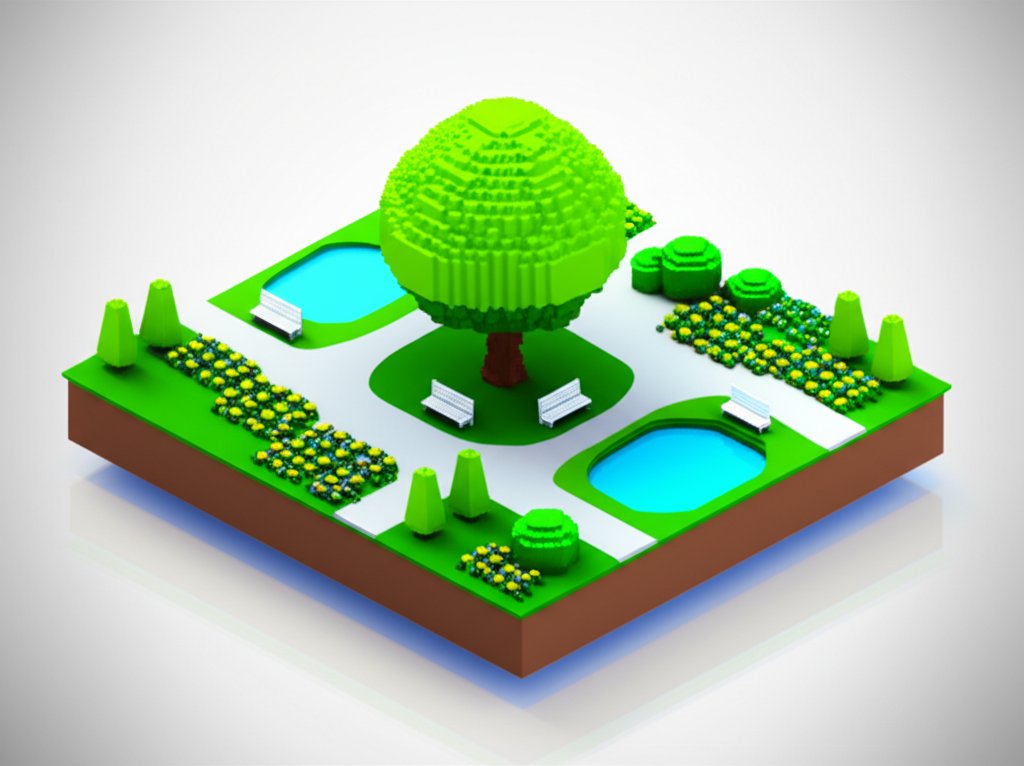
Whether you’re envisioning a sprawling public park or a cozy backyard patio, effective landscape design is the blueprint for creating outdoor environments that are both appealing and purposeful. It’s about transforming a blank canvas into a living, breathing extension of your lifestyle or community needs.
The Design Process: From Concept to Creation
A successful landscape project typically follows a structured design process, ensuring all aspects are considered from initial vision to final implementation:
- Site Analysis & Inventory: Understanding the existing conditions – sun exposure, drainage, soil type, existing vegetation, views, microclimates, and grading. This also includes assessing the client’s needs, desires, and budget.
- Conceptual Design: Brainstorming ideas, developing overarching themes, and creating preliminary sketches that explore different layouts and relationships between elements. This is where the big ideas are formed, and the “story” of the landscape begins to take shape.
- Schematic Design: Refining concepts, developing functional zones (e.g., dining area, play area, quiet retreat), and selecting major materials and plant palettes. This stage often involves more detailed drawings and 3D models.
- Design Development: Expanding on the schematic design with specific dimensions, material specifications, planting plans, lighting layouts, and irrigation systems. This is where the technical details are worked out.
- Construction Documentation: Producing detailed plans, sections, elevations, and specifications necessary for contractors to price and build the project accurately.
- Construction Administration: Overseeing the building process to ensure the design intent is realized and addressing any unforeseen challenges.
This systematic approach ensures that every aspect of outdoor space design is thoughtfully addressed, leading to cohesive and well-executed projects.
Key Elements of Outdoor Space Design: Hardscape & Softscape
Effective landscape design harmonizes two primary categories of elements:
- Hardscape: These are the non-living, built features that provide structure and permanence to a space. Examples include:
- Patios and Decks: Defined areas for gathering, dining, or relaxation.
- Pathways and Walls: Guiding movement, creating boundaries, and adding architectural interest.
- Water Features: Fountains, ponds, and streams that introduce sound, movement, and visual appeal.
- Outdoor Kitchens & Fire Pits: Enhancing functionality and entertainment.
- Pergolas and Arbors: Offering shade, defining spaces, and supporting climbing plants.
- Softscape: These are the living elements that bring dynamism, texture, and color to the landscape. They include:
- Trees: Providing shade, screening, and vertical interest.
- Shrubs: Forming hedges, mass plantings, and structural layers.
- Perennials and Annuals: Adding seasonal color, texture, and attracting pollinators.
- Groundcovers and Lawns: Creating cohesive surfaces and reducing erosion.
The interplay between hardscape and softscape is crucial for creating balanced, inviting, and resilient outdoor environments.
Principles of Effective Landscape Design: Unity, Balance, Proportion
To create truly compelling landscapes, designers adhere to fundamental artistic principles:
- Unity: Achieving a cohesive look and feel through repetition of elements, consistent material choices, and a harmonious color palette.
- Balance: Creating visual equilibrium, whether through symmetrical arrangements (formal) or asymmetrical compositions that still feel stable (informal).
- Proportion and Scale: Ensuring that all elements relate appropriately to each other and to the human body, avoiding features that feel too large, too small, or out of place. This also ensures comfortable human interaction within the space.
- Emphasis: Creating focal points or areas of interest that draw the eye, using unique features, vibrant plantings, or sculptural elements.
- Transition: Guiding the eye and movement smoothly from one area to another, often using gradual changes in height, texture, or color.
- Rhythm and Repetition: Introducing elements that repeat in a predictable or varied pattern to create movement and interest.
Applying these principles transforms a collection of individual elements into a unified, engaging, and purposeful outdoor experience.
Diverse Landscape Styles: Finding Your Aesthetic
Just as with interior design, landscape design boasts a variety of styles, each with its own aesthetic and philosophy:
- Formal: Characterized by symmetry, straight lines, geometric shapes, and meticulously pruned plants (e.g., French gardens).
- Informal/Naturalistic: Emphasizes flowing lines, organic shapes, native plants, and a sense of wildness (e.g., English landscape gardens).
- Modern: Defined by clean lines, minimalist plantings, bold forms, and often incorporates innovative materials and large open spaces.
- Mediterranean: Features drought-tolerant plants, terracotta, stucco, and elements like courtyards and olive trees.
- Japanese: Focuses on serenity, symbolism, and natural elements arranged to evoke a miniature landscape, often with rocks, water, and carefully pruned trees.
- Contemporary: Blends modern aesthetics with sustainable practices, often incorporating reclaimed materials and smart technology.
Understanding these styles helps both designers and clients articulate their preferences and achieve a cohesive vision for their outdoor space design.
The Hidden Architecture Secrets of Transformative Outdoor Spaces

Beyond the visible elements and stated principles, there are subtle, almost invisible, architecture secrets that truly elevate a landscape from merely pleasant to profoundly impactful. These are the nuances that seasoned landscape architects master to create spaces that resonate on an emotional and sensory level.
Subtlety in Scale and Perspective
One of the deepest architecture secrets in landscape design lies in the manipulation of scale and perspective. A skilled designer doesn’t just place objects; they craft an experience of space:
- Forcing Perspective: Using receding elements that get smaller (or appear to) can make a path seem longer, drawing visitors deeper into a landscape. Conversely, elements that expand can make a small space feel grander.
- Serial Vision: Guiding a visitor through a sequence of spaces, revealing views incrementally rather than all at once. This creates anticipation and a narrative as one moves through the landscape, much like walking through a series of rooms in a building.
- Human Scale: Ensuring benches, pergolas, and pedestrian routes are dimensioned comfortably for the human body, fostering a sense of embrace and security, or even awe in larger spaces.
These subtle plays on perception create an emotional journey, making a space feel larger, more intimate, or more dramatic than its physical dimensions suggest.
Manipulating Light, Shadow, and Sound
The sensory experience of a landscape is paramount, and master designers expertly manipulate environmental conditions:
- The Dance of Light and Shadow: Understanding how sunlight moves throughout the day and year allows for strategic tree planting for shade, the creation of dramatic shadows that define form, or the placement of reflective surfaces to bounce light. Evening lighting design extends usability and creates entirely different moods.
- Acoustic Landscapes: Incorporating water features not just for visual appeal but for their soothing sounds that can mask urban noise. Strategic planting can absorb sound, creating quiet havens. Conversely, open plazas might be designed to amplify sounds for public gatherings.
- Scent and Tactility: Choosing fragrant plants, incorporating diverse textures in paving and plantings, and allowing for interactive elements (like moving water) engage senses beyond sight, creating a richer, more immersive experience.
These often-overlooked elements contribute immensely to the overall atmosphere and emotional impact of an outdoor space design.
The Power of Narrative and Emotional Connection
Great landscape architecture often tells a story or evokes a specific emotion. This is one of the profound architecture secrets that sets truly memorable spaces apart:
- Sense of Place: Designs that draw from the local history, ecology, or culture create a deep connection to the site, fostering a unique identity that cannot be replicated elsewhere. This might involve using local materials, reflecting historical land use, or celebrating indigenous plant communities.
- Emotional Resilience: Spaces designed for healing, contemplation, or memorialization require a deep understanding of human psychology, crafting environments that support emotional processing and provide comfort.
- Surprise and Discovery: Intentionally placed hidden nooks, unexpected vistas, or subtle shifts in path direction create moments of delight and encourage exploration, making the visitor an active participant in the landscape’s narrative.
By weaving these narratives into the very fabric of the design, landscape architects create spaces that are not merely functional but profoundly meaningful.
Climate Adaptation and Ecosystem Integration
In an era of climate change, a critical architecture secret for future-proof landscapes is the deep integration of ecological principles:
- Living Systems: Moving beyond decorative planting to creating self-sustaining ecosystems that support biodiversity, manage stormwater naturally (e.g., rain gardens, bioswales), and purify air.
- Passive Climate Control: Using natural elements to cool urban areas (tree canopy, permeable surfaces), reduce wind, and control sun exposure, making outdoor spaces more comfortable and reducing energy consumption in adjacent buildings.
- Resilience Design: Creating landscapes that can adapt to extreme weather events, fire, and changes in water availability, ensuring their long-term viability and ecological health.
These advanced strategies represent the cutting edge of landscape architecture, ensuring our outdoor spaces are not just beautiful, but also vital for environmental health and human survival.
Career & Education in Landscape Architecture: A Path to Impact
Given its profound impact and multidisciplinary nature, it’s no surprise that landscape architecture is an increasingly sought-after and influential profession. The U.S. Bureau of Labor Statistics has identified it as an above-average growth profession, and it has consistently been listed among the “Best Jobs to Have” by U.S. News & World Report.
Why Landscape Architecture is a Growing Field
The demand for skilled landscape architects is rising due to several global trends:
- Urbanization: As cities grow, there’s an increased need for well-designed public spaces, green infrastructure, and sustainable urban planning to improve livability and address environmental challenges.
- Climate Change: Landscape architects are at the forefront of designing resilient landscapes that mitigate climate impacts, manage water, and promote biodiversity.
- Focus on Well-being: A greater appreciation for the mental and physical health benefits of nature-rich environments in both public and private settings.
- Sustainable Development: The push for environmentally responsible development across all scales, from residential projects to large-scale infrastructure.
This makes it an exciting and impactful career path for those passionate about design, environment, and community.
Top Destinations for Studying Landscape Architecture
For aspiring landscape architects, choosing the right educational institution is paramount. The United States and the United Kingdom are particularly renowned for their comprehensive programs in landscape architecture, offering a blend of theoretical knowledge and practical application. Universities in these regions, and increasingly others globally, provide students with:
- Robust Curricula: Covering site analysis, sustainable design, urban planning, horticulture, ecology, and environmental psychology. (As mentioned in the original article, these countries are considered top places to study.)
- Studio-Based Learning: Hands-on design projects that mimic real-world scenarios.
- Expert Faculty: Many programs are taught by leading professionals in the field.
- Research Opportunities: Engagement with cutting-edge research in environmental design and planning.
A strong educational foundation equips students with the skills and knowledge to tackle the complex challenges of modern landscape architecture.
The Essential Role of Sketching and Digital Tools
While technology has revolutionized the field, the core principles of design thinking often begin with the most fundamental tool: the sketch. Renowned landscape architect Thorbjörn Andersson emphasizes the irreplaceable value of hand-drawn sketches. He considers them “a pure and fragile representation of the initial ideas,” a critical “test bed” that allows for exploration and consideration of various alternatives far more fluidly than starting directly with computer-aided design (CAD).
Many professionals, including Andersson’s team, still rely on freehand drawings in the early stages because they are more intimately connected to the generation of ideas and allow for greater freedom of expression. Sketching isn’t just about drawing; it’s about thinking visually, rapidly iterating, and communicating nascent concepts.
Beyond conceptual ideation, digital tools like CAD, SketchUp, GIS (Geographic Information Systems), and advanced rendering software are indispensable for:
- Precision and Documentation: Creating accurate construction drawings and detailed plans.
- Visualization: Producing realistic 3D models and renderings to communicate design intent to clients and stakeholders.
- Analysis: Performing complex site analyses, environmental modeling, and data visualization.
- Collaboration: Facilitating seamless teamwork on large-scale projects.
The most effective landscape architects seamlessly integrate both traditional sketching techniques and advanced digital tools, leveraging the strengths of each to bring their visions to life. As Andersson states, “History has proved that these two things can combine and exist side by side. They both have their right of existence,” underscoring the enduring power of creative exploration alongside technical precision.
Conclusion
The world of landscape architecture is a captivating realm where human ingenuity and natural beauty converge to reshape our environments. We’ve journeyed through its rich history, uncovered intriguing facts about landscape architecture, explored the meticulous process of landscape design, and peered into the subtle architecture secrets that imbue outdoor spaces with profound meaning and functionality. From the grand scale of urban planning to the intimate details of a private garden, the discipline of outdoor space design is constantly evolving, driven by a deep understanding of ecological principles, human psychology, and artistic vision.
The next time you stroll through a park, admire a vibrant plaza, or simply enjoy your own backyard, take a moment to appreciate the thought, skill, and expertise that went into its creation. It’s a testament to the power of design to enrich our lives, foster community, and create a more sustainable and beautiful world. The untold secrets of landscape architecture are, in essence, the profound ways we connect with and shape the living world around us.
FAQ
What exactly is landscape architecture?
Landscape architecture is a professional discipline focused on the design, planning, management, and stewardship of the built and natural environment. It involves creating functional, aesthetically pleasing, and sustainable outdoor spaces ranging from parks and public plazas to residential gardens and large-scale regional planning.
How does landscape architecture differ from landscaping?
While often used interchangeably, landscape architecture is a licensed profession that involves complex design, planning, and environmental considerations for both public and private spaces. Landscaping typically refers to the practical act of installing and maintaining plants and features in a garden or yard, often based on a landscape architect’s or designer’s plan.
What are some famous examples of landscape architecture?
Iconic examples include Central Park in New York City (designed by Frederick Law Olmsted and Calvert Vaux), the Royal Botanic Gardens at Kew in London, the High Line urban park also in NYC, and the Gardens of Versailles in France. Australia also boasts many innovative landscape designs seamlessly integrating nature with urban environments.
Why is sustainability important in landscape architecture?
Sustainability is crucial because landscape architects design with natural systems. Sustainable practices help manage stormwater, conserve water, reduce urban heat island effects, promote biodiversity, and create healthier environments. This makes landscapes more resilient and beneficial in the face of climate change.
What academic background is required to become a landscape architect?
To become a professional landscape architect, one typically needs a bachelor’s or master’s degree in landscape architecture from an accredited program. These programs cover a broad range of subjects including design studios, horticulture, ecology, history, construction, and urban planning.
What role does technology play in modern landscape architecture?
Technology plays a vital role, from using Geographic Information Systems (GIS) for site analysis and environmental modeling to computer-aided design (CAD) for precise documentation and 3D modeling/rendering software for visualization. These tools enhance efficiency, precision, and communication in the design process.
Can landscape architecture improve human well-being?
Absolutely. Thoughtfully designed outdoor spaces can reduce stress, encourage physical activity, foster social interaction, provide opportunities for relaxation and contemplation, and improve air quality. Healing gardens, community parks, and accessible public spaces are direct examples of this impact.










