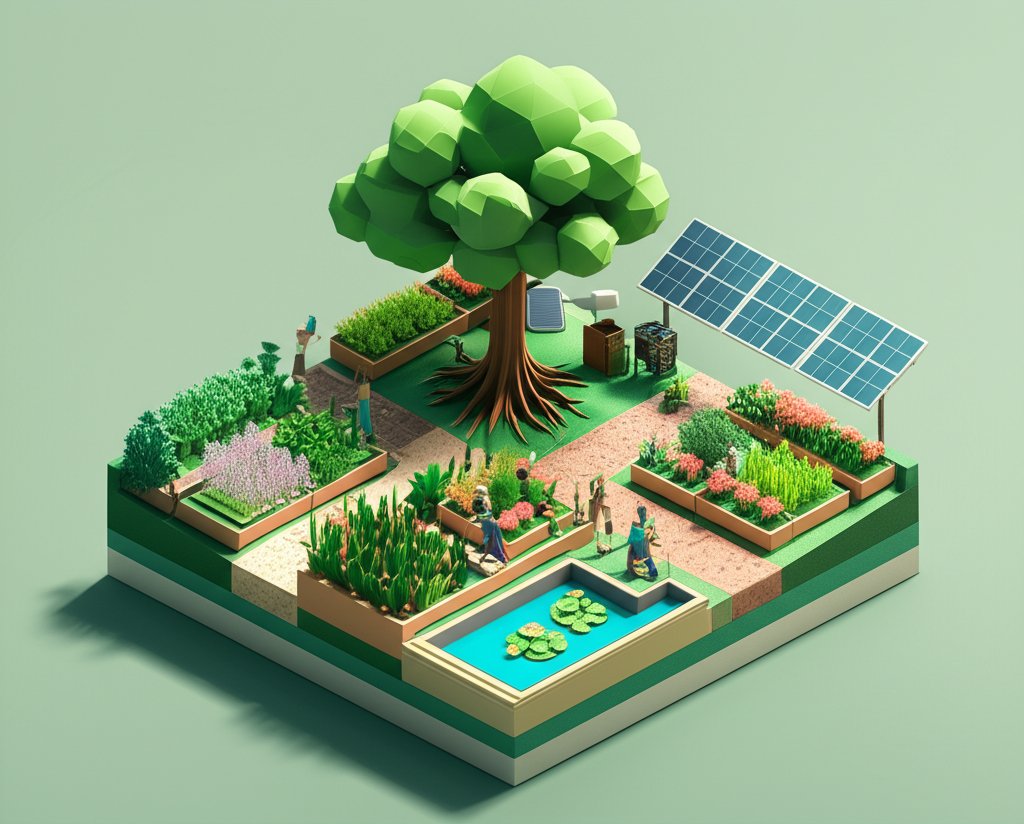
Step into the extraordinary world of landscaping, a realm where nature’s beauty intertwines with human ingenuity to craft breathtaking, functional outdoor spaces. Beyond mere aesthetics, landscaping is a dynamic force shaping our environment, boosting property values, and profoundly impacting our well-being. But what truly makes a landscape not just beautiful, but also enduring and beneficial? The answer lies in understanding the core landscaping facts and embracing the principles of sustainable landscaping.
This comprehensive article will take you on an illuminating journey, revealing the fascinating secrets behind effective landscape design, the pivotal role of a visionary landscape architect, and the revolutionary power of sustainability. Prepare to uncover astonishing insights and practical wisdom that will transform your understanding of the green spaces around us.
To truly appreciate the scale and impact of the industry, delve into these fascinating landscaping facts highlighting its economic significance and environmental contributions.
The Transformative Power of Landscaping: Beyond Greenery and Gardens
Landscaping is far more than planting flowers; it’s an intricate blend of art, science, and environmental stewardship that crafts living art. From intimate backyard retreats to sprawling urban parks, the impact of meticulously planned outdoor spaces is undeniable.
A Multi-Billion Dollar Industry Shaping Our World
Did you know the landscaping industry is a colossal force? In the United States alone, this thriving sector generates over $100 billion in annual revenue, making it one of the fastest-growing industries. With over 500,000 businesses employing millions, it offers diverse opportunities for everyone from skilled gardeners to innovative landscape architect professionals. This economic powerhouse continually evolves, driven by a collective appreciation for nature’s beauty and its ability to enhance our quality of life. The sheer scale underscores the profound value society places on well-designed outdoor environments.
Landscaping as an Investment: Boosting Property Value
Investing in quality landscaping isn’t just about personal enjoyment; it’s a smart financial move. Numerous studies consistently show that a well-designed and immaculately maintained landscape can increase a home’s resale value by as much as 10% to 20%. This isn’t just about curb appeal; it speaks to the perceived quality of life, the functionality of the outdoor space, and the overall maintenance of the property. For potential buyers, a beautiful yard translates into less work and more enjoyment, making it a highly attractive feature.
The Hidden Health Benefits of Thoughtful Landscape Design
Beyond financial gains, landscape design plays a crucial role in human health and well-being. Access to green spaces has been linked to reduced stress, improved mood, and enhanced cognitive function. Thoughtfully designed landscapes encourage physical activity, provide opportunities for social interaction, and even help in faster recovery from illness. From the calming rustle of leaves to the vibrant colors of blooming flora, nature’s embrace, carefully curated by a landscape architect, is a powerful antidote to modern-day stressors, making these spaces essential for holistic health.
The Visionary Behind the Scenery: What a Landscape Architect Does
Behind every iconic park, inviting urban plaza, or stunning residential garden, there’s often the guiding hand of a landscape architect. These professionals are the masterminds who blend creativity with scientific knowledge to sculpt our outdoor world.
More Than Just Gardeners: The Scope of a Landscape Architect’s Work
A landscape architect is a highly trained professional with a diverse skill set, encompassing environmental science, art, engineering, and horticulture. Their work extends far beyond simple gardening. They are involved in:
- Urban Planning: Designing public parks, waterfronts, streetscapes, and entire city districts to improve livability and sustainability.
- Residential Design: Creating custom outdoor living spaces, gardens, and master plans for private properties.
- Ecological Restoration: Rehabilitating damaged ecosystems, wetlands, and natural habitats.
- Site Planning: Solving complex challenges related to grading, drainage, accessibility, and environmental impact for new developments.
- Master Planning: Developing long-term visions for campuses, corporate parks, and large-scale recreational areas.
They deal with complex issues like stormwater management, soil erosion, and plant pathology, ensuring that designs are not only beautiful but also functional and resilient.
The Art and Science of Landscape Design
Landscape design is an intricate discipline that harmonizes aesthetic principles with ecological integrity. A skilled landscape architect considers elements such as:
- Form and Line: Creating structure and guiding the eye through the space.
- Color and Texture: Using plants and materials to evoke mood and visual interest.
- Scale and Proportion: Ensuring all elements relate harmoniously to each other and to the human experience.
- Balance and Rhythm: Achieving visual stability and a sense of movement.
- Unity and Variety: Creating cohesion while introducing interesting contrasts.
This is coupled with a deep understanding of sun paths, wind patterns, soil composition, and water flow to create environments that thrive naturally and serve their intended purpose.
Collaborating for Success: The Landscape Architect’s Role in Development
The landscape architect rarely works alone. They are integral members of multidisciplinary project teams, collaborating closely with architects, urban planners, civil engineers, environmental scientists, and contractors. Their ability to bridge the gap between human needs and natural systems is invaluable, ensuring that outdoor spaces are seamlessly integrated into larger developments. This collaborative approach is essential for large-scale projects, ensuring that the landscape design is both innovative and implementable.
Sustainable Landscaping: Designing for a Greener Tomorrow
In an era of increasing environmental awareness, sustainable landscaping has emerged as a critical approach to creating outdoor spaces that are not only beautiful but also ecologically responsible and resource-efficient. This is more than a trend; it’s a fundamental shift in landscape design philosophy.
Why Sustainable Landscaping is No Longer Optional
Traditional landscaping practices often rely heavily on resource-intensive methods: excessive watering, chemical fertilizers and pesticides, and high-energy equipment. These practices contribute to:
- Water Scarcity: Depleting precious fresh water resources.
- Pollution: Runoff of chemicals contaminating waterways and harming wildlife.
- Loss of Biodiversity: Replacing native habitats with non-native, high-maintenance species.
- Climate Change: Energy consumption from maintenance equipment and the carbon footprint of imported materials.
Sustainable landscaping offers a powerful solution, creating resilient, low-impact environments that support ecological health, conserve resources, and reduce maintenance needs in the long run.
Core Principles of Sustainable Landscape Design
For a landscape architect focused on sustainability, several key principles guide their landscape design:
- Water Conservation: Implementing xeriscaping, smart irrigation systems, and rainwater harvesting to drastically reduce water use.
- Native Plant Selection: Choosing plants indigenous to the region, which are adapted to local climate and soil, requiring less water, fertilizer, and pest control. These also support local wildlife.
- Soil Health: Prioritizing healthy soil through composting, mulching, and minimizing compaction, which improves water retention and nutrient cycling.
- Minimizing Chemical Use: Opting for organic pest control and natural fertilizers to protect ecosystems and human health.
- Promoting Biodiversity: Designing landscapes that provide habitat, food, and shelter for local flora and fauna.
- Energy Efficiency: Strategic planting of trees for shade and windbreaks to reduce heating and cooling costs for adjacent buildings.
- Waste Reduction: Reusing and recycling materials, and composting yard waste.
Practical Sustainable Design Secrets for Your Landscape
Implementing sustainable landscaping practices in your own garden can be both rewarding and impactful. Here are some actionable sustainable design secrets:
- Minimize Lawn Areas: Lawns are often water-intensive monocultures. Replace some turf with native ground covers, wildflower meadows, or permeable hardscapes.
- Incorporate Rain Gardens and Permeable Pavers: Design depressions in your yard (rain gardens) filled with native plants to capture and filter stormwater runoff. Use permeable pavers for driveways and patios to allow water to soak into the ground, reducing runoff and replenishing groundwater.
- Choose Drought-Tolerant, Native Plants: Research plants that thrive in your local climate without excessive watering. They will be more resilient, require less care, and provide essential support for local wildlife.
- Utilize Composting and Organic Mulch: Start a compost pile for kitchen scraps and yard waste to create nutrient-rich soil amendments. Apply organic mulch (wood chips, straw) around plants to conserve moisture, suppress weeds, and regulate soil temperature.
- Embrace Recycled and Local Materials: For hardscaping features like patios, retaining walls, or garden paths, consider using reclaimed bricks, recycled concrete, or locally sourced stone. This reduces environmental impact and often adds unique character.
- Consider Green Roofs and Living Walls: For urban environments or smaller spaces, green roofs and living walls offer excellent insulation, improve air quality, manage stormwater, and create new habitats.
- Install Smart Irrigation Systems: Upgrade to systems with rain sensors or weather-based controllers that automatically adjust watering schedules based on real-time conditions, preventing overwatering.
Intriguing Landscaping Facts You Never Knew
The world of landscaping is full of delightful surprises and profound impacts that often go unnoticed. Here are some fascinating landscaping facts that will deepen your appreciation for the green spaces around us.
Nature’s Air Purifiers and Sound Barriers
Plants are truly nature’s silent heroes. Through photosynthesis, they absorb carbon dioxide and release life-sustaining oxygen. But that’s not all – certain “air purifying plants” actively remove harmful pollutants like formaldehyde and benzene from the air, making our environments healthier.
Moreover, trees are incredibly effective natural sound barriers. Their leaves, branches, and trunks absorb, scatter, and deflect sound waves, significantly reducing noise pollution. Whether masking urban clamor or simply providing a serene backdrop, a dense planting of trees can transform a noisy area into a peaceful sanctuary. This acoustic landscape design is a crucial element in creating tranquil spaces.
The Wonders Beneath Our Feet: Earthworms and Soil Health
While not as glamorous as blooming flowers, the humble earthworm is a superstar of landscaping facts. Did you know the largest earthworms call Australia home, growing up to 10 feet long? These subterranean giants, along with their smaller counterparts worldwide, are indispensable. They aerate the soil, improve drainage, and enrich it with nutrient-rich castings, fostering a healthier foundation for plant life. A thriving earthworm population is a strong indicator of excellent soil health, a cornerstone of successful and sustainable landscaping.
Ancient Roots: Landscaping Through History
Landscaping has a rich and ancient history, dating back millennia. From the Hanging Gardens of Babylon, one of the Seven Wonders of the Ancient World, to the meticulously planned gardens of ancient Egypt, Persia, and Rome, humans have always sought to shape their surroundings. The formal gardens of Versailles, the contemplative Zen gardens of Japan, and the picturesque English landscapes all represent distinct philosophies of landscape design. This long lineage underscores the enduring human desire to connect with and beautify nature, evolving into the diverse practices we see today.
Mastering Landscape Design: Aesthetics, Function, and Flow
Successful landscape design is an art that balances visual appeal with practical functionality and ecological responsibility. It’s about creating outdoor spaces that not only look good but also serve a purpose and feel harmonious.
Key Elements of Effective Landscape Design
A well-executed landscape design thoughtfully integrates several key elements:
- Hardscapes vs. Softscapes: Hardscapes include non-living elements like patios, walkways, retaining walls, and outdoor kitchens. Softscapes consist of living elements like plants, trees, shrubs, and ground covers. The interplay between these two defines the structure and feel of a space.
- Focal Points: Every well-designed landscape benefits from a focal point – a feature that draws the eye, such as a striking sculpture, a mature tree, a water feature, or a vibrant planting.
- Circulation: This refers to how people move through the space. Paths, steps, and transitions should be clear, inviting, and safe, guiding visitors through the landscape efficiently and pleasantly.
- Zoning and Functionality: Dividing the landscape into distinct “rooms” or zones, each with a specific purpose (e.g., dining area, relaxation zone, play area, utility space), maximizes utility and enhances the user experience.
Planning Your Dream Space: A Step-by-Step Approach to Landscape Design
Whether you’re embarking on a DIY project or working with a landscape architect, a structured approach is crucial for successful landscape design:
- Site Analysis: Understand your site’s unique characteristics: sun exposure, soil type, existing vegetation, drainage patterns, views (good and bad), and how it relates to your home.
- Needs Assessment & Vision: Define your goals, desires, and budget. How do you want to use the space? What style do you prefer? What are your maintenance expectations?
- Conceptualization: Sketch out ideas. Consider different layouts, zones, and potential features. This is where creative problem-solving comes into play, blending your vision with site realities.
- Detailed Design & Material Selection: Refine your concepts into detailed plans, specifying plant species, hardscape materials, lighting, and irrigation systems. Prioritize sustainable landscaping choices.
- Implementation & Installation: This is where the plans come to life. Whether you hire professionals or do it yourself, careful execution is key.
- Maintenance & Evolution: Landscapes are living entities; they require ongoing care and will evolve over time. Plan for regular maintenance to ensure your space thrives.
The Role of Technology in Modern Landscape Design
Technology has revolutionized landscape design. Landscape architect professionals now utilize advanced software for everything from 3D rendering and virtual walk-throughs to precise grading and drainage calculations. CAD (Computer-Aided Design) allows for rapid revisions and accurate documentation. Smart irrigation systems use sensors and weather data to optimize water usage, a core component of sustainable landscaping. Drones are used for site mapping and progress monitoring. These tools streamline the design process, improve accuracy, and allow for more innovative and efficient solutions.
Conclusion: Cultivating a Greener Future, One Landscape at a Time
The world of landscaping is rich with captivating landscaping facts, presenting endless opportunities for beauty, functionality, and crucial environmental impact. From the significant economic contributions of the industry to the profound health benefits of green spaces, and the visionary work of a landscape architect, every aspect speaks to the importance of our outdoor environments.
Crucially, the principles of sustainable landscaping are no longer just a niche interest but a necessity. By embracing thoughtful landscape design that prioritizes water conservation, native plants, and eco-friendly materials, we can create resilient, beautiful spaces that nurture both people and the planet. We’ve explored the secrets to building landscapes that not only delight the eye but also contribute to a healthier, more sustainable future.
Now, armed with these insights, we encourage you to look at your own outdoor spaces with new eyes. Consider how you can apply these sustainable design secrets to craft a landscape that is not only personal and inviting but also a testament to responsible environmental stewardship. The journey to a greener future begins in our own backyards, one deliberate landscape design choice at a time.
FAQ Section
Q: What is the primary role of a landscape architect?
A: A landscape architect is a highly skilled professional who designs and plans outdoor spaces, ranging from private gardens to large-scale urban parks, campuses, and ecological restoration projects. They integrate art, science, and environmental knowledge to create functional, aesthetically pleasing, and sustainable outdoor environments.
Q: How does sustainable landscaping benefit homeowners and the environment?
A: Sustainable landscaping benefits homeowners by reducing water usage, lowering maintenance needs, decreasing utility bills (through strategic planting), and increasing property value. Environmentally, it conserves water, supports biodiversity, reduces pollution from chemicals, improves soil health, and contributes to climate change mitigation by reducing carbon footprint.
Q: What are some surprising landscaping facts about plants and trees?
A: Some surprising landscaping facts include: 1) Trees strategically placed can reduce home cooling costs by up to 20-50% by providing shade. 2) Certain plants act as natural air purifiers, removing harmful toxins from the air. 3) Dense plantings of trees and shrubs can significantly reduce noise pollution, acting as natural sound barriers. 4) The industry as a whole is a multi-billion dollar sector, far larger than many realize.
Q: Can landscape design significantly increase home value?
A: Absolutely. Well-executed landscape design and maintenance can substantially increase a home’s resale value, with studies showing an increase of 10% to 20% or more. High-quality landscaping enhances curb appeal, creates desirable outdoor living spaces, and suggests overall property care to potential buyers, yielding a strong return on investment.
Q: What’s the main difference between a landscaper and a landscape architect?
A: A landscape architect is a licensed professional with a university degree in landscape design and planning, focusing on complex creative and technical design, environmental analysis, and site planning. A “landscaper” (or landscape contractor) typically implements these designs, focusing on installation, construction, and ongoing maintenance (like mowing, planting, and hardscape construction). While there can be overlap in smaller projects, the architect is the designer and planner, while the contractor is the builder and maintainer.
Q: How can I start implementing sustainable practices in my own garden?
A: You can start by choosing native and drought-tolerant plants suited to your climate, minimizing your lawn area, using organic mulch and compost to improve soil health, and installing a smart irrigation system or reducing watering frequency. Incorporating rain gardens, using recycled materials, and avoiding chemical pesticides and fertilizers are also excellent steps toward sustainable landscaping.










