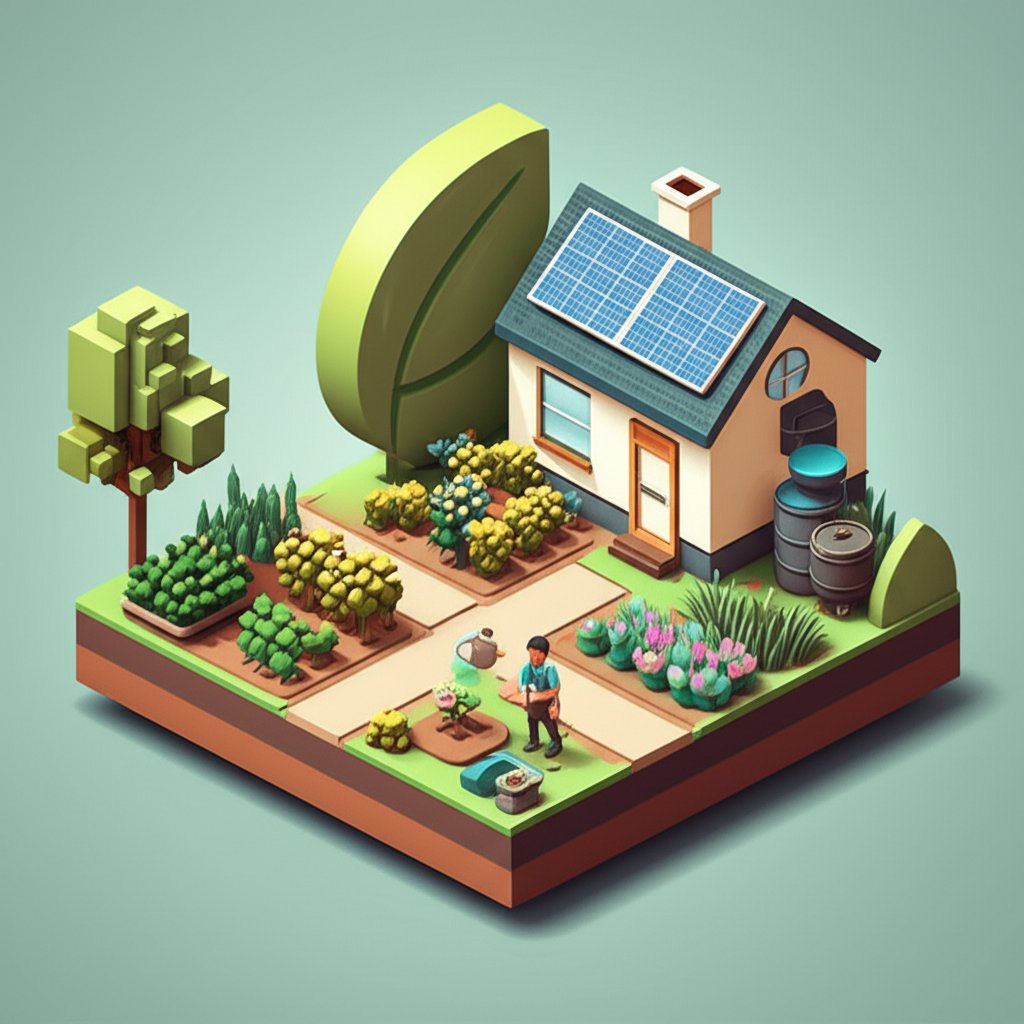
Are you dreaming of a vibrant, beautiful yard that thrives without demanding endless resources or harming the planet? Traditional landscaping often relies on excessive water, chemical fertilizers, and a cycle of high-maintenance practices. It’s time to move beyond the conventional and embrace a greener, smarter approach. Welcome to the world of sustainable landscaping, where stunning aesthetics meet ecological responsibility, transforming your outdoor spaces into self-sustaining havens.
This comprehensive guide will equip you with the knowledge and tools to implement cutting-edge sustainable landscaping practices. We’ll explore everything from innovative water-wise irrigation systems and native plant selections to intelligent eco-friendly design principles that not only enhance the beauty of your property but also contribute to a healthier environment. Get ready to embark on a journey that will revolutionize your yard, making it a source of pride, savings, and ecological harmony.
Beyond the practical benefits, understanding the history and impact of landscaping can further motivate eco-conscious decisions, so explore these fascinating landscaping facts to deepen your appreciation.
The Foundation of Sustainable Landscaping: Why Go Green?
The shift towards sustainable landscaping is more than a trend; it’s a vital commitment to ecological health and resource conservation. It’s about creating outdoor spaces that are resilient, beautiful, and require less input over time.
Defining Sustainable Landscaping Practices: A Holistic Approach
At its core, sustainable landscaping practices involve designing, installing, and managing landscapes to minimize environmental impact, conserve natural resources, and support local ecosystems. It means intentionally choosing methods and materials that work with nature, not against it. This holistic approach considers water usage, soil health, biodiversity, energy consumption, and the lifecycle of materials used in your outdoor environment. It’s about long-term thinking for long-term beauty and health.
The Environmental and Economic Imperative
Embracing sustainable landscaping offers a multitude of benefits, both for the planet and your pocketbook. Environmentally, it leads to:
Economically, homeowners see advantages such as:
Beyond Aesthetics: A Healthier Planet and Home
Your outdoor spaces are an extension of your home, and their health directly impacts yours. Eco-friendly design contributes to cleaner air, reduced urban heat island effect, and a more peaceful, natural environment for relaxation and recreation. By adopting sustainable landscaping practices, you’re not just creating a pretty yard; you’re cultivating a healthier microclimate for your family, supporting local wildlife, and playing a tangible role in global environmental stewardship.
Designing Your Eco-Friendly Oasis: Principles of Eco-Friendly Design for Outdoor Spaces
The journey to a truly green yard begins with thoughtful eco-friendly design. This phase is crucial for establishing a landscape that thrives with minimal intervention. It’s about envisioning your outdoor spaces as integrated ecosystems.
Site Analysis: Understanding Your Unique Landscape
Before breaking ground, a comprehensive site analysis is paramount. This involves:
Understanding these factors allows for an eco-friendly design that works with your site’s natural characteristics, reducing the need for extensive modifications or resource-intensive solutions later.
Zoning for Efficiency and Enjoyment in Your Outdoor Spaces
Divide your yard into different functional zones based on their water needs, usage, and required maintenance. This is a cornerstone of sustainable landscaping practices:
This strategic zoning optimizes water-wise irrigation and maintenance efforts, ensuring resources are allocated where they are most needed.
Prioritizing Native and Drought-Tolerant Plants
The single most impactful choice in eco-friendly design is plant selection. Native plants are indigenous to your region and have evolved to thrive in local climate conditions, soil types, and rainfall patterns.
The Art of Permeable Surfaces
Traditional concrete or asphalt driveways and patios prevent rainwater from soaking into the ground, leading to runoff, erosion, and depleted groundwater. Eco-friendly design champions permeable surfaces.
Integrating permeable surfaces is a key sustainable landscaping practice that enhances your yard’s natural water cycle.
Mastering Water Efficiency: Cutting-Edge Water-Wise Irrigation & Conservation
Water is a precious resource, and efficient management is paramount in sustainable landscaping. Embracing water-wise irrigation strategies can dramatically reduce your household’s water footprint while maintaining a healthy, beautiful landscape.
The Core of Water-Wise Irrigation: Why Every Drop Counts
Conventional sprinkler systems often waste significant amounts of water through evaporation, runoff, and overspray. Water-wise irrigation focuses on delivering water precisely where and when it’s needed, minimizing waste and ensuring plants receive optimal hydration. Given increasing drought conditions and the cost of water, this is not just an environmental choice but an economic necessity. It’s a fundamental pillar of all sustainable landscaping practices.
Smart Systems and Drip Technology
Modern technology offers sophisticated solutions for truly water-wise irrigation:
Implementing these systems moves you beyond basic watering towards truly intelligent sustainable landscaping practices.
Rainwater Harvesting and Greywater Recycling
Beyond efficient delivery, harvesting and reusing water are essential sustainable landscaping practices:
Soil Health: Your Natural Water Reservoir
Healthy soil is the unsung hero of water-wise irrigation. Soil enriched with organic matter acts like a sponge, retaining moisture and releasing it slowly to plant roots.
By focusing on soil health, you create a self-regulating system that makes your water-wise irrigation efforts even more effective.
Cultivating Biodiversity: Native Plants and Natural Pest Control
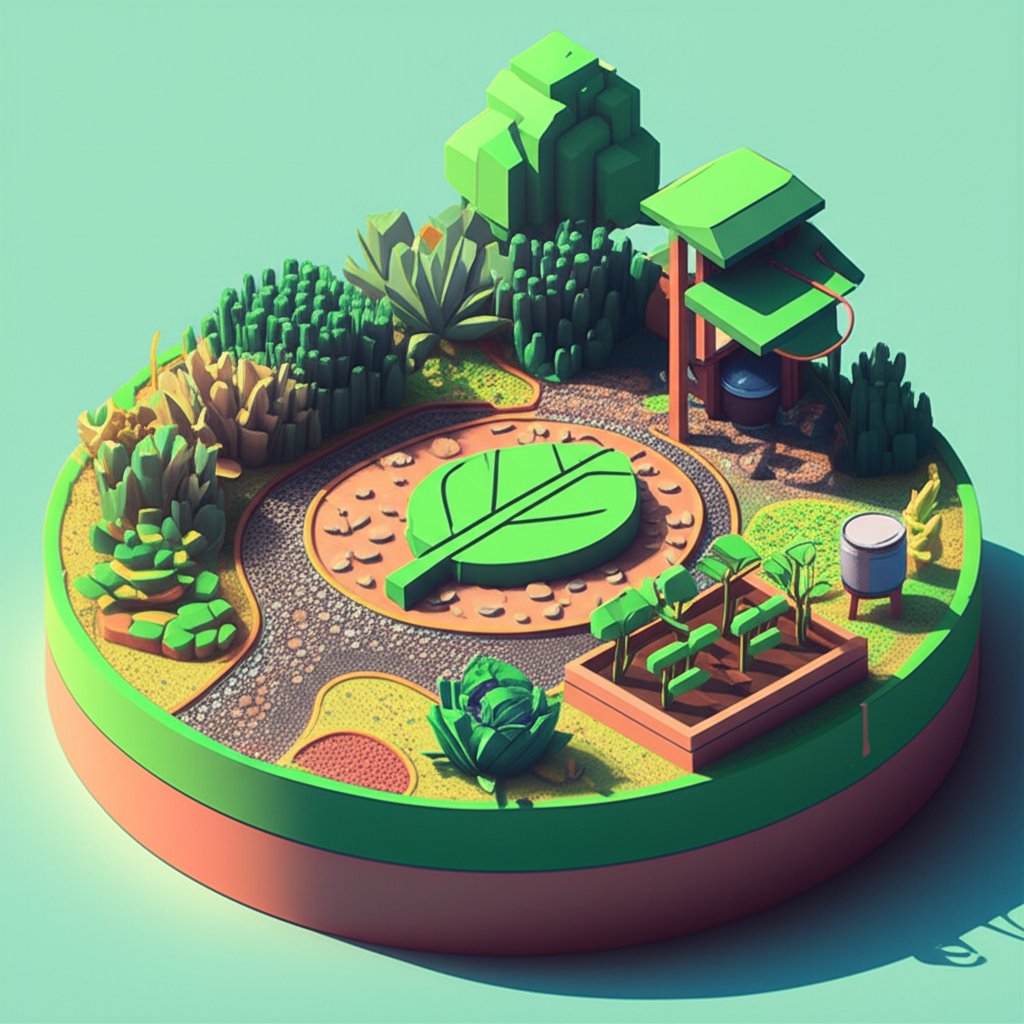
A truly sustainable landscaping embraces and enhances the natural world. This means creating a thriving ecosystem in your outdoor spaces that supports a variety of life, from microscopic soil organisms to birds and beneficial insects.
Embracing Local Flora: The Power of Native Plants
As discussed, native plants are cornerstones of eco-friendly design. Let’s delve deeper into their myriad benefits:
Researching and selecting native plants tailored to your specific zone, light conditions, and soil type is a rewarding step in your sustainable landscaping journey.
Attracting Beneficial Wildlife
Beyond native plants, you can actively design your outdoor spaces to welcome beneficial creatures that contribute to a healthy ecosystem.
A thriving ecosystem means natural pest control is already at work.
Integrated Pest Management (IPM): Beyond Chemical Sprays
Sustainable landscaping practices reject the heavy use of synthetic pesticides, which harm beneficial insects, pollute water, and pose risks to human and pet health. Integrated Pest Management (IPM) is a multi-faceted approach:
IPM prioritizes ecological balance, making it a cornerstone of sustainable landscaping.
Composting and Soil Enrichment: The Living Soil
Healthy soil is the foundation of a resilient garden. It’s teeming with microorganisms that break down organic matter, making nutrients available to plants and improving water retention.
By nurturing your soil, you reduce the need for synthetic fertilizers and create a more self-sufficient, sustainable landscape.
Sustainable Hardscapes and Materials: Building for Longevity and Low Impact
Sustainable landscaping extends beyond plants and water to the materials used in constructing pathways, patios, decks, and other features of your outdoor spaces. Thoughtful material selection is key to achieving true eco-friendly design.
Sourcing Smarter: Local, Recycled, and Renewable Materials
Making mindful choices about hardscape materials drastically reduces your environmental footprint:
Reclaimed Brick or Stone: Perfect for patios, pathways, or retaining walls, offering unique character.
Recycled Concrete (Crushed Aggregate): Can be used as a base for permeable surfaces or as an aggregate in new concrete mixes.
Recycled Rubber Mulch: While not organic, it’s a durable option for play areas or low-maintenance beds.
Recycled Plastic Lumber: An alternative to wood for decking or raised beds, known for its durability and resistance to rot.
These choices reflect a commitment to sustainable landscaping practices that considers the entire lifecycle of a product.
Designing Durable and Permeable Pathways & Patios
The functionality and environmental impact of hardscapes are intrinsically linked to their design.
Green Roofs and Living Walls: Vertical Outdoor Spaces
For urban environments or limited outdoor spaces, innovative vertical eco-friendly design elements offer remarkable benefits:
outdoor spaces.These features push the boundaries of traditional sustainable landscaping and offer creative solutions for denser areas.
Reducing Waste in Landscaping Projects
Even during the construction or renovation phases, sustainable landscaping practices emphasize waste reduction:
By integrating these practices, you ensure that your eco-friendly design is sustained throughout the entire project lifecycle.
Your Step-by-Step Guide to a Sustainable Landscape Transformation

Ready to turn your vision into a living, breathing sustainable landscape? Follow these actionable steps to transform your outdoor spaces with eco-friendly design and water-wise irrigation.
Phase 1: Assessment and Planning (The Blueprint for Green)
Conduct a Thorough Site Analysis:
- Sketch your property, noting sunlight exposure (morning, midday, afternoon shade/sun), prevailing winds, slopes, and existing drainage patterns.
- Perform a soil test to understand its composition and nutrient levels.
- Identify existing plants – which are healthy natives, which are struggling, and which are invasive?
- Determine how you currently use your outdoor spaces and how you want to use them.
Define Your Goals and Vision:
- What are your priorities? Water savings, attracting wildlife, reducing maintenance, growing food, aesthetic appeal?
- Research native plants appropriate for your climate and soil.
- Look for local examples of sustainable landscaping you admire.
Create a Master Plan:
- Draw a detailed plan, incorporating zoning for different uses and water needs.
- Mark areas for water-wise irrigation (drip lines, smart sprinklers) and rainwater harvesting.
- Design hardscape elements (patios, paths) using permeable and sustainable materials.
- Specify plant choices, considering mature size, light, and water requirements. This is your eco-friendly design blueprint.
Phase 2: Implementation (Bringing Your Eco-Friendly Design to Life)
Prepare the Site:
- Remove invasive plants. If removing lawn, consider solarization or sheet mulching rather than chemical herbicides.
- Amend soil with organic compost based on your soil test results.
- Address any major drainage issues or necessary grading.
Install Hardscapes and Infrastructure:
- Construct patios, pathways, and retaining walls using your chosen sustainable materials and permeable methods.
- Install your water-wise irrigation system (drip lines, smart controllers, rain sensors).
- Set up rainwater harvesting barrels or cisterns.
- Begin planting your native and drought-tolerant trees, shrubs, and perennials according to your eco-friendly design plan.
- Group plants with similar water needs together (hydrozoning) to maximize water-wise irrigation efficiency.
- Water newly planted elements thoroughly.
Apply Mulch:
- Once planting is complete, apply a generous layer (2-4 inches) of organic mulch over all bare soil in planting beds. This is a critical sustainable landscaping practice for moisture retention and weed suppression.
Phase 3: Maintenance (Nurturing Your Sustainable Landscape)
Water Wisely:
- Monitor your water-wise irrigation system regularly. Adjust schedules based on weather and plant needs.
- Water deeply and infrequently to encourage deep root growth.
- Hand water only as needed during establishment, then rely on natural rainfall and your efficient system.
Weed Control:
- Regularly pull weeds by hand, especially when they are small. Your mulch layer will significantly reduce weed pressure.
- Avoid chemical herbicides.
- Prune plants only as needed for health, structure, or aesthetic purposes.
- Follow natural growth habits. Over-pruning can stress plants.
Organic Fertilization and Pest Management:
- Top-dress beds with compost annually to replenish nutrients. Avoid synthetic fertilizers.
- Implement Integrated Pest Management (IPM) techniques: monitor for pests, encourage beneficial insects, and resort to organic solutions only when necessary.
Continuous Improvement and Learning
Sustainable landscaping practices are an ongoing journey of observation and adaptation.
Conclusion
Transforming your yard into an Eco-Friendly Yard: Master Sustainable Landscaping Now! is a rewarding endeavor that offers profound benefits. By embracing sustainable landscaping practices, you move beyond merely maintaining a lawn to actively cultivating a vibrant, resilient ecosystem. From implementing intelligent water-wise irrigation systems and thoughtfully selecting native plants, to incorporating durable, low-impact materials, every choice contributes to a more sustainable future.
Your outdoor spaces can become more than just a backdrop – they can be a testament to your commitment to environmental stewardship. An eco-friendly design not only enhances the beauty and value of your home but also provides a healthy habitat for local wildlife, conserves precious resources, and reduces your ecological footprint. Start your journey today, and witness the incredible power of a truly sustainable landscape – a beautiful, thriving haven for you and the planet.
FAQ
Question: What is sustainable landscaping?
Answer: Sustainable landscaping refers to the practice of designing, installing, and maintaining outdoor spaces in a way that minimizes negative environmental impact, conserves natural resources like water, supports local biodiversity, and reduces the need for chemicals and intensive maintenance. It integrates eco-friendly design principles and sustainable landscaping practices to create long-term ecological balance and aesthetic appeal.
Question: How does water-wise irrigation help minimize water usage?
Answer: Water-wise irrigation systems are designed to deliver water precisely and efficiently, significantly minimizing waste. Techniques include drip irrigation, which delivers water directly to plant roots, and smart controllers that adjust watering schedules based on real-time weather and soil moisture conditions. Incorporating rainwater harvesting and focusing on soil health (through composting and mulching) further reduces reliance on conventional watering, making these crucial sustainable landscaping practices.
Question: Why are native plants important for sustainable landscaping?
Answer: Native plants are vital for sustainable landscaping because they are inherently adapted to the local climate, soil conditions, and rainfall patterns. This means they require less supplemental water, fertilizer, and pesticides to thrive. Crucially, they also provide essential food and habitat for local wildlife, such as pollinators and birds, thereby increasing biodiversity in your outdoor spaces and supporting the regional ecosystem.
Question: Can eco-friendly design truly increase property value?
Answer: Yes, eco-friendly design can absolutely increase property value. Properties with well-executed sustainable landscaping are increasingly desirable to homebuyers. They offer lower utility bills (due to reduced water and energy consumption), require less maintenance, and present a unique, attractive aesthetic that demonstrates environmental responsibility. These factors contribute to higher resale values and market appeal for outdoor spaces.
Question: What are some common sustainable landscaping practices for small outdoor spaces?
Answer: For small outdoor spaces, common sustainable landscaping practices include: prioritizing native, compact plant varieties; implementing vertical gardens or living walls; using permeable pavers for any hardscapes; installing micro-drip water-wise irrigation systems; container gardening with drought-tolerant species; and starting a small-scale composting system. Even in limited areas, eco-friendly design can create significant impact.
Question: How can I minimize pest issues in an eco-friendly design?
Answer: Minimizing pest issues in an eco-friendly design involves Integrated Pest Management (IPM). This means choosing pest-resistant native plants, fostering healthy soil with compost, encouraging beneficial insects (like ladybugs) that prey on pests, and regularly monitoring plants for early signs of trouble. You’d also use cultural practices like proper watering and pruning, resorting to organic and low-impact treatments only as a last resort. This is a core tenet of sustainable landscaping practices.
Question: What kind of materials are considered sustainable for outdoor spaces?
Answer: Sustainable materials for outdoor spaces include locally sourced stone and gravel, reclaimed or recycled bricks and concrete, responsibly harvested wood (e.g., FSC-certified), recycled plastic lumber, and permeable pavers. The goal in sustainable landscaping is to choose materials that have a low environmental impact throughout their lifecycle, reduce waste, and allow for natural processes like water infiltration, all part of thoughtful eco-friendly design.










