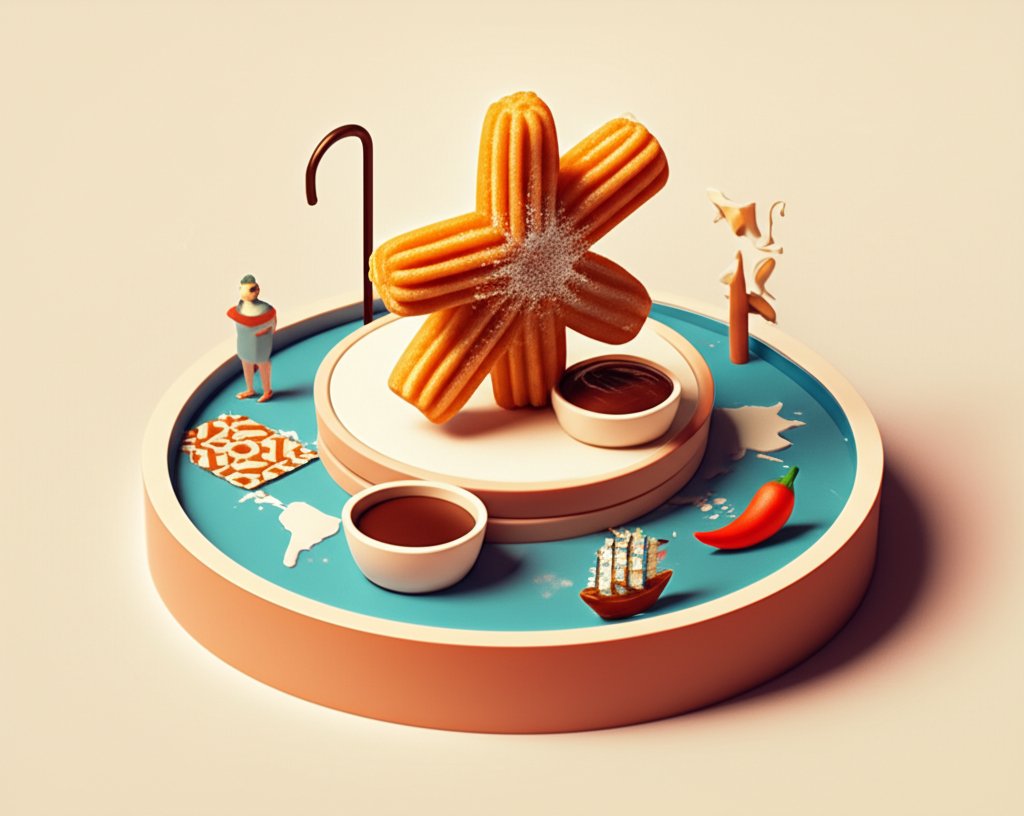
Crispy, golden, and often dusted with sugar and cinnamon, the churro is a universally adored fried dough pastry. Its distinctive ridged shape and utterly irresistible taste have cemented its place at fairs, festivals, and breakfast tables worldwide. But beneath its sweet facade lies a captivating mystery: what is the true origen de los churros? And how has its incredible historia de los churros unfolded across continents?
While many immediately associate churros with Spain, its exact beginnings are far from simple, with compelling theories pointing to humble shepherd life, ancient culinary traditions spanning millennia, and even far-flung Asian influences. This article will embark on an extraordinary journey, peeling back the layers of time to reveal the diverse narratives that shaped this beloved treat. Prepare to discover the unexpected roots of the churro and trace its delicious evolution from a simple necessity to a global culinary icon, proving that its story is as rich and complex as its flavor.
The enduring legend of resourceful Spanish shepherds creating a simple fried dough offers a compelling glimpse into the potential origins of this treat, but the full story, including a detailed look at a possible historia de los churros, is far more nuanced and fascinating.
The Elusive Origen de los Churros: Diving into Ancient Theories

The quest for the definitive origen de los churros transports us back centuries, long before it became the universally recognized snack we cherish today. Unlike many culinary creations with clear historical records, the churro’s birth is attributed to a fascinating mosaic of practical needs, innovative adaptations, and widespread cultural diffusion. This very ambiguity, however, only adds to its allure, inviting us to explore a tapestry of intriguing and often debated theories.
The Spanish Shepherd Legend: A Practical Genesis
One of the most enduring and widely accepted theories firmly places the churro origen in the rugged, mountainous regions of Spain, specifically in the hands of the country’s nomadic shepherds. These individuals, often spending extended periods away from towns and villages, faced unique culinary challenges.
- Necessity as the Mother of Invention: Imagine a shepherd, far from any bakery or conventional oven, needing a hot, satisfying, and easy-to-prepare meal. Baking bread was out of the question. The solution? A simple dough made from flour, water, and salt, which could be quickly mixed and fried over an open fire in a pot of hot oil. This method required minimal equipment and ingredients that were easily portable, making it a perfect, high-energy sustenance for their isolated lifestyle. The churro, in this context, was not a luxury but a crucial, practical food item.
- The Churra Sheep Connection: The very name “churro” lends credence to this pastoral theory. It is widely believed to be derived from the “Churra” breed of sheep, native to the Castile and León regions of Spain. The distinctive ridged shape of the traditional churro is said to strikingly resemble the coiled, prominent horns of these sheep, or perhaps even the texture of their coarse wool. This etymological link firmly grounds the churro in Spain’s agricultural heritage, giving it a tangible, rustic, and distinctly Iberian beginning. This theory paints a picture of ingenuity born from necessity, deeply woven into the fabric of Spanish rural life.
Echoes from the East: The Chinese Youtiao Hypothesis
While the shepherd’s tale is compelling, another intriguing theory suggests a more complex, international churros origen historia, hinting at influences from distant lands and ancient trade routes. This perspective reminds us that culinary traditions rarely develop in isolation but are often products of global exchange.
- Portuguese Traders and Culinary Exchange: Some food historians propose that Portuguese explorers and traders, renowned for their extensive maritime voyages, encountered a strikingly similar fried dough pastry called “youtiao” (油条) during their travels to China. Youtiao, a long, golden-brown, deep-fried strip of dough, has been a staple of Chinese breakfast for centuries, often enjoyed with congee (rice porridge) or soy milk. The theory posits that these traders brought the concept of this “Chinese fried bread” back to the Iberian Peninsula, specifically Portugal, from where it could have easily crossed into Spain.
- Adaptation and Innovation on the Iberian Peninsula: Once introduced, this foreign fried dough would have been adapted by Spanish bakers and cooks. The addition of sugar, a common European sweetening tradition, and the innovative use of a star-shaped nozzle (a
churrera) to extrude the dough into hot oil—creating its signature ridges that help it cook more evenly and provide a greater surface area for crispiness—are considered Spanish innovations. This theory doesn’t necessarily contradict the shepherd’s origin but rather suggests a potential inspiration for the fundamental form factor or the frying method, which the Spanish then transformed into their unique culinary expression.
Mediterranean Ancestry: Frying Dough Through Millennia
Beyond specific origin points, it’s crucial to acknowledge that the concept of frying a simple flour-based dough is not unique to Spain or even China; it’s an ancient and near-universal culinary practice.
- A Shared Culinary Heritage: Food historians, such as Michael Krondl, have noted that the fundamental recipe for a flour and water fritter can be traced back to antiquity. Dishes like the Roman globuli (small fried dough balls, often sweetened with honey and poppy seeds) or various forms of Arabic luqaimat (sweet dumplings) demonstrate that the human desire for crispy, satisfying fried treats has existed across the Mediterranean and Middle East for millennia. Before the advent of ovens, frying was a quick, efficient, and versatile cooking method.
- The Churro’s Place in an Ancient Tree: While these ancient fried doughs are not direct ancestors, they represent a shared culinary heritage that could have fostered the development of similar foods independently or through continuous regional exchange. The churro, with its distinct form and preparation, stands as a refined iteration within this broad, ancient culinary tree. This broader context helps us understand that while its specific origen de los churros remains debated, the underlying concept is deeply ingrained in human gastronomic history, making its widespread appeal almost inevitable.
From Rustic Snack to Urban Icon: The Historia de los Churros in Spain
Regardless of its precise birth, the true historia de los churros truly takes shape as it transitions from a rustic, portable snack for shepherds and the working class to a cherished part of Spanish urban life, cementing its status as a cultural staple before embarking on its global journey. This evolution highlights its remarkable cultural adaptability and enduring appeal.
The Dawn of Churrerías: Street Vendors and Festivals
By the 18th century, churros had firmly established themselves beyond the pastoral fields and began their ascent as an exceedingly popular street food. This period saw the proliferation of churrerías – specialized stalls or shops dedicated solely to making and selling churros.
- Accessibility and Public Appeal: Churros were, and remain, an incredibly affordable and delicious treat, making them popular across all social classes. Their simplicity meant they could be prepared quickly and served hot, appealing to a wide demographic. They became a ubiquitous presence at local fairs, town festivals, and religious celebrations across Spain, where vendors would fry them fresh on demand. The enticing aroma of frying dough filled the air, drawing crowds and solidifying churros as a communal and celebratory food.
- The Mobile
Churrería: Early churrerías were often itinerant, simple setups on street corners or in bustling plazas, operating from portable carts or small sheds. This mobility reflected their simple, adaptable nature and ability to cater to crowds wherever they gathered. The churro-making process itself, involving the rhythmic pressing of dough through a star-tipped extruder directly into bubbling hot oil, became a captivating spectacle, adding to the public experience and making fresh churros an irresistible draw. This period marks a crucial step in the churro origen story, transforming it from a mere sustenance item into a beloved public indulgence.
Madrid’s Culinary Embrace: Churros con Chocolate and Regional Variations
While churros were enjoyed throughout Spain, the capital city of Madrid played a particularly pivotal role in popularizing one of its most iconic pairings: churros con chocolate. This combination elevated the churro from a simple snack to a quintessential Spanish experience.
- A Perfect Union: In the late 19th and early 20th centuries, the tradition of dipping hot, crispy churros into thick, rich hot chocolate gained immense popularity in Madrid. This wasn’t just any hot cocoa; Spanish hot chocolate is a decadent, almost pudding-like concoction, designed specifically for dipping. The crisp, slightly savory churro provided the perfect textural and flavor counterpoint to the intensely sweet and often bittersweet chocolate. This union transformed churros from a simple breakfast item into a deeply satisfying morning ritual or a cherished late-night treat, especially after a night out. Madrid’s chocolaterías became legendary, offering warm, comforting havens for social gatherings.
- The
PorrasandTejeringosVariations: Madrid also played a role in popularizing the porra, a thicker, often smoother, and less ridged version of the churro, which is still a beloved variation in the region, frequently served alongside the classic churro. Further reflecting regional diversity, Andalusia boasts the tejeringos, a thin, irregular spiral of fried dough. These variations demonstrate the localized evolution of fried dough within Spain itself, showcasing how different regions put their unique stamp on the basic concept, further enriching the churros origen historia.
Cultural Significance: Beyond Just a Meal
Today, churros are much more than just a food item in Spain; they are deeply entwined with the nation’s cultural identity and daily rhythms.
- Tradition and Ritual: Eating churros, particularly
churros con chocolate, is a deeply cherished ritual for many Spaniards. It’s a common breakfast or merienda (afternoon snack), a New Year’s Day tradition (especially after a long night of celebration), and a comforting food during colder months. The act of sharing churros reinforces social bonds and evokes a sense of nostalgia, comfort, and home. It’s an integral part of Spanish daily life, a simple pleasure that marks time and connects generations. - The
ChurreríaExperience: Visiting a local churrería is an experience in itself – the bustling atmosphere, the distinctive aroma of frying dough, the clatter of porcelain cups, and the communal enjoyment of a simple yet profound culinary delight. It represents a living connection to Spain’s rich gastronomic past, a place where tradition is not just remembered but actively lived and savored. This cultural integration is a powerful testament to the churro’s journey and impact from its earliest beginnings.
The Churros Origen Historia Goes Global: A Journey Across Continents
The churro’s delicious journey didn’t halt at the borders of Spain. Thanks to significant historical events, intrepid explorers, and ongoing cultural exchange, this delightful fried dough has traveled across continents, adapting and evolving with each new destination, cementing its status as a truly global treat. This expansion is a key chapter in understanding the full churros origen historia.
The Colonial Bridge: Spain’s Influence in Latin America
The most significant chapter in the churro’s global expansion began with Spanish colonization. As the Spanish Empire spread across the Americas, so did its culinary traditions, including the simple yet appealing churro.
- Adaptation and Local Flavor: In Latin American countries like Mexico, Colombia, Peru, Argentina, and beyond, churros found a new home and underwent delightful transformations. While the basic concept of fried dough remained, local ingredients, culinary techniques, and flavor preferences profoundly influenced their evolution. Sugar and cinnamon were often retained, but new fillings and coatings quickly emerged.
- Churros in Mexico: A Symbol of Local Gastronomy: Mexico, in particular, embraced churros wholeheartedly, integrating them deeply into its vibrant street food culture and dessert landscape. Mexican churros are often thicker than their Spanish counterparts, sometimes filled with rich dulce de leche (caramelized milk), decadent chocolate, or luscious cajeta (goat’s milk caramel). They are a beloved street food, a popular dessert in restaurants, and a staple at markets and festivals. The churrería tradition thrives here, with many establishments, like El Moro in Mexico City, having been passed down through generations, becoming iconic landmarks.
- Regional Variations Across Latin America: The adaptability of the churro is evident in its diverse forms across the region. In Argentina, churros are almost universally filled with dulce de leche and generously coated in sugar. In Cuba, they might be thinner and served with guava paste or cream cheese. Each country and even specific regions have imprinted their unique culinary fingerprint on this Spanish import, creating a vibrant array of churro experiences that speak to the dish’s ability to transcend its churro origen and become a part of new cultural identities.
North American Rise: Theme Parks, Food Trucks, and Modern Twists
The churro’s journey continued northward, gaining significant popularity in the United States and Canada, often appearing at theme parks, fairs, and diverse food festivals.
- Theme Parks and Convenience Foods: Iconic locations like Disney parks are famous for their churros, introducing them to millions of visitors from around the globe. This widespread exposure, often accompanied by innovative flavor dustings and dipping sauces, cemented the churro’s image as a fun, celebratory, and easily accessible treat, especially for families and tourists. It became synonymous with leisure and entertainment.
- Food Trucks and Fusion Cuisine: In recent years, churros have become a staple of the gourmet food truck scene and a canvas for culinary innovation. Chefs and bakers experiment with different toppings (from fruity glazes to crushed cookies), unique dips (like matcha or lavender-infused chocolate), and inventive fillings, pushing the boundaries of traditional churro presentation. This modern wave of creativity demonstrates the churro’s versatility and its ability to adapt to contemporary dining trends, far from its initial rustic origen de los churros.
Asian Adaptations and Universal Appeal
Beyond the Americas, churros have also found surprising popularity in parts of Asia, particularly in countries like Japan, South Korea, and the Philippines, where they are often adapted to local tastes and culinary aesthetics.
- Unique Asian Flair: For instance, in Japan and South Korea, churros might be served with green tea-flavored dips, red bean paste fillings, or even savory seasonings. The aesthetic presentation often becomes a focus, with beautifully crafted churros appearing in cafes and dessert shops. In the Philippines, churros are also enjoyed, sometimes with chocolate or even a simple sugar-cinnamon dusting, reflecting the country’s historical ties to Spain. This widespread international recognition and adaptation underscore the churro’s universal appeal as a comforting, delicious, and endlessly adaptable fried indulgence, showcasing its true global reach.
The Delicious Evolution: Classic Pairings and Innovative Churro Origen Creations
The ongoing historia de los churros is one of continuous evolution, from its practical, humble beginnings to its current status as a versatile culinary creation. From the iconic pairing with chocolate to an endless array of modern variations, the churro continues to captivate palates and inspire culinary creativity worldwide, constantly adding new chapters to its rich churros origen historia.
The Enduring Charm of Churros con Chocolate
The partnership between churros and hot chocolate is arguably the most famous and enduring, a culinary marriage made in heaven, celebrated in countless chocolaterías and homes across Spain and beyond.
- A Symphony of Textures and Flavors: The crisp, warm, and slightly salty churro provides a perfect textural counterpoint to the rich, often bittersweet, and characteristically thick Spanish hot chocolate. This is not your average watery cocoa; traditional Spanish hot chocolate is a decadent, almost pudding-like concoction, specifically designed to coat and cling to the churros, creating a deeply satisfying experience.
- Cultural Significance: As previously mentioned, this pairing is deeply ingrained in Spanish culture, representing comfort, tradition, and shared moments. It’s a heartwarming ritual that has transcended generations and borders, becoming an essential part of the global churro identity that originated firmly in Spain.
A World of Variations: Fillings, Coatings, and Forms
The inherent versatility of the churro dough has led to an explosion of variations, each reflecting regional tastes, local ingredients, and boundless culinary creativity.
- Shapes and Sizes: Beyond the classic ridged stick, you’ll encounter porras (thicker, often smoother, sometimes coiled from Madrid), tejeringos (a thin, irregular spiral from Andalusia, typically softer and chewier), and even loop-shaped churros in various parts of the world. These different forms offer subtly varied textures and eating experiences.
- Coatings and Dips: While sugar and cinnamon remain the traditional staples, other coatings include powdered sugar, chocolate sauce, caramel, leche condensada (condensed milk), or even fruit glazes. The dipping options are equally diverse, ranging from various chocolates (dark, milk, white) to coffee, dulce de leche, fruit compotes, or even savory cheese dips in some innovative contexts.
- Stuffed Churros: In many parts of Latin America, particularly Mexico, churros are commonly filled after frying. Popular fillings include dulce de leche, molten chocolate, creamy vanilla custard, or vibrant fruit jellies. This innovation adds another layer of indulgence and transforms the simple fried dough into a more complex dessert, showcasing how the churro origen has paved the way for endless culinary possibilities.
The Churro Reinvented: From Cheesecake to Savory Delights
In the contemporary culinary landscape, the churro has transcended its traditional forms and become a popular ingredient in innovative desserts and fusion dishes, showcasing its remarkable flexibility beyond a simple fried pastry.
- Churro Cheesecake & Ice Cream Sandwiches: These popular desserts exemplify modern creativity. Churro cheesecake often features churro-inspired crusts, crunchy toppings, or layers of cinnamon-sugar flavor, merging the creamy indulgence of cheesecake with the distinct taste of churros. Churro ice cream sandwiches, where crispy churro “buns” sandwich a scoop of ice cream, offer a delightful hot-and-cold contrast, creating a textural and temperature sensation. These modern creations, while far from the
churro origen, demonstrate the pastry’s adaptability to new gastronomic trends and its enduring appeal as a flavor profile. - Savory Churros: Although less common, some avant-garde chefs experiment with savory churros, incorporating ingredients like cheese, herbs, or spices into the dough. These are often served with savory dips such as jalapeño cheese sauce, tomato salsa, or even seasoned cream cheese, demonstrating the pastry’s untapped potential beyond the sweet realm and proving its versatility as a culinary canvas.
Conclusion
The churro origen is a captivating tale, perhaps without a single, universally agreed-upon beginning, but undeniably rich with cultural exchange, culinary ingenuity, and historical adaptation. From the practical needs of Spanish shepherds frying simple dough over open fires to the bustling churrerías of Madrid, and then across vast oceans to become a cherished treat in Latin America and beyond, the churros origen historia is a testament to its universal appeal and adaptability. It’s a food that has journeyed, transformed, and integrated itself into countless cultures, consistently bringing a moment of crunchy, sweet (or sometimes savory) delight to millions.
So, the next time you bite into a warm, crispy churro, remember its delicious truth: a journey that spans centuries and continents, a symbol of culinary evolution, and a timeless indulgence that continues to bring joy to people from all walks of life. This humble fried dough truly outranks expectations, inviting you to discover its rich history and savor its global journey with every unforgettable bite!
FAQ Section
Q1: ¿Cuál es el origen histórico de los churros en España?
The origen histórico de los churros in Spain is primarily attributed to two main theories. The first, and most popular, suggests churros originated with Spanish shepherds in the mountainous regions around the 15th century. They needed a portable, easy-to-cook food that didn’t require an oven, frying a simple flour, water, and salt dough over an open fire. The name “churro” is often linked to the horns or wool of the “Churra” sheep breed. A second theory proposes that the concept of fried dough was brought to the Iberian Peninsula by Portuguese traders who encountered a similar dish, youtiao, in China, which the Spanish then adapted and perfected with their unique star-shaped nozzle and sugar coating.
Q2: ¿Cómo se introdujeron los churros en México y cuál es su historia en ese país?
Churros were introduced to Mexico and other Latin American countries through Spanish colonization. As Spanish settlers established themselves across the Americas, they brought their culinary traditions, including churros. In Mexico, churros quickly became a beloved street food and dessert, adapting to local tastes and available ingredients. Mexican churros are often thicker and are famously filled with dulce de leche (caramelized milk), chocolate, or cajeta (goat’s milk caramel), solidifying their significant place in Mexican gastronomy and building upon the original churros origen historia.
Q3: ¿Existe una historia específica sobre el origen del churro cheesecake?
No, the origen del churro cheesecake is not part of the ancient or traditional history of churros from Spain or even initial adaptations in Latin America. It is a modern culinary creation, a fusion dessert that likely emerged in the United States. It combines the beloved flavors and textures of the Spanish-Mexican churro (cinnamon-sugar, fried dough) with the creamy indulgence of American-style cheesecake, driven by contemporary dessert trends and the desire to blend popular sweet treats.
Q4: ¿En qué momento y cómo se popularizó la combinación de churros con chocolate?
The iconic combination of churros con chocolate gained significant popularity in Madrid, Spain, during the late 19th and early 20th centuries. Chocolaterías (chocolate houses) emerged in the capital, specializing in serving thick, rich hot chocolate specifically for dipping churros. It quickly became a cherished breakfast or late-night snack tradition, deeply ingrained in Spanish culture and social life, a custom that continues to this day.
Q5: ¿Podrías mencionar algunas variantes o recetas tradicionales asociadas a los churros en España o en otras partes del mundo?
Absolutely! In Spain, you’ll find classic ridged churros, as well as porras (from Madrid, which are thicker and often smoother) and tejeringos (from Andalusia, which are thin, irregular spiral-shaped churros). In Latin America, common variations include churros filled with dulce de leche, chocolate, or cajeta. Modern adaptations worldwide are extensive, including churros dusted with various flavored sugars, served with diverse dips beyond chocolate (like caramel, fruit sauces, or even green tea in Asia), or incorporated into gourmet fusion desserts like churro ice cream sandwiches or churro cheesecakes.
Q6: ¿Qué significa la palabra “churro”?
The word “churro” is widely believed to be derived from the “Churra” breed of sheep, which is native to Spain. The distinctive ridges of the churro pastry are said to resemble the prominent, coiled horns of these sheep, or possibly the texture of their coarse wool. This etymological connection links the pastry directly to its proposed pastoral churro origen.
Q7: ¿Son los churros un desayuno o un postre?
Churros are incredibly versatile and can be enjoyed as both a breakfast item and a dessert, depending on the cultural context and personal preference. In Spain, they are a very popular breakfast or merienda (afternoon snack), especially when paired with thick hot chocolate. In many parts of Latin America and other regions, filled churros often serve as a delightful dessert or a sweet treat enjoyed at any time of day, showcasing their adaptability beyond a single meal category.
Q8: ¿Cuáles son los ingredientes básicos de un churro tradicional?
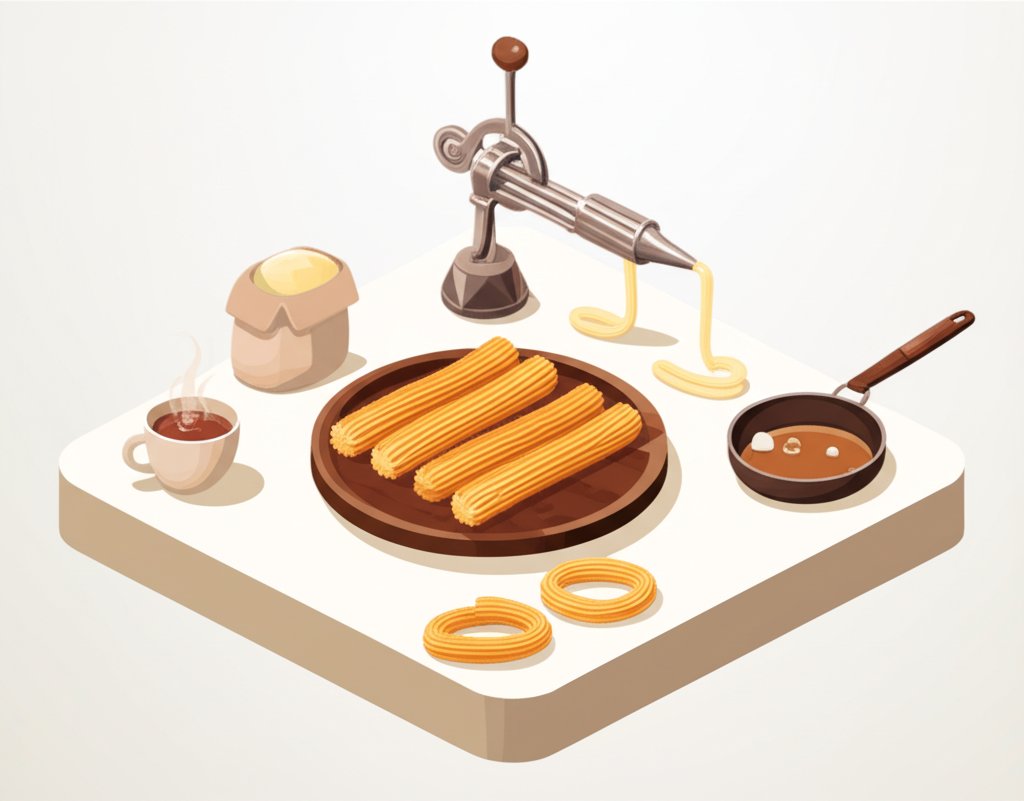
The ingredients for a traditional churro are remarkably simple, reflecting its humble origen de los churros: flour, water, and salt. These are mixed to form a dough, which is then extruded into hot oil for frying. After frying, they are typically dusted with sugar, often mixed with cinnamon, to enhance their flavor. The simplicity of these core ingredients made them accessible to shepherds and later, street vendors across various cultures.
Q9: ¿Se come el churro en otros continentes además de América y Europa?
Yes, churros are also popular in various parts of Asia! Countries like Japan, South Korea, and the Philippines have embraced churros, often adapting them to local tastes. For instance, you might find churros served with green tea-flavored dips or red bean paste fillings in these regions, showcasing the global reach and adaptability of this beloved fried dough, extending its historia de los churros far beyond its Iberian roots.
Q10: ¿Quién trajo los churros a América?
The churros were brought to the Americas by Spanish colonizers. As the Spanish Empire expanded across the New World from the late 15th century onwards, their culinary traditions, including the churro, traveled with them. These were then introduced to the indigenous populations and mixed cultures, leading to the development of unique regional variations found in Latin America today, marking a significant chapter in the churros origen historia.










