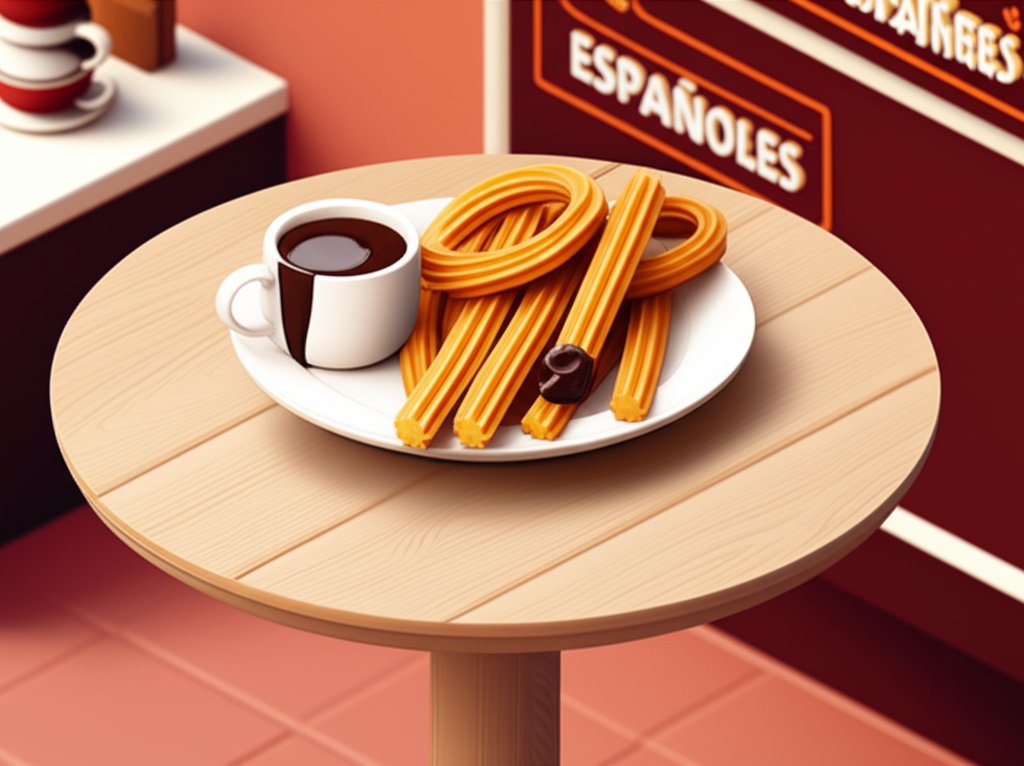
From the bustling streets of Madrid to the serene beaches of Andalusia, an iconic golden tradition has captivated hearts and palates for centuries: the churro. Far more than a simple fried dough pastry, churros españoles are a crispy, golden testament to culinary heritage, a vital thread woven into the very fabric of Spanish life. They represent community, celebration, and pure, unadulterated joy, serving as an edible emblem of Spain’s rich gastronomía española. This article embarks on an immersive journey to uncover the captivating historia de los churros, their vibrant cultural significance, and their undeniable position as a global phenomenon, cementing why churros españoles are not just a cherished legacy, but an essential experience for anyone seeking the heart of Spain. Prepare to delve into the golden embrace of Spain, one delicious churro at a time.
The Heart of Spanish Cuisine: Why Churros Españoles Reign Supreme
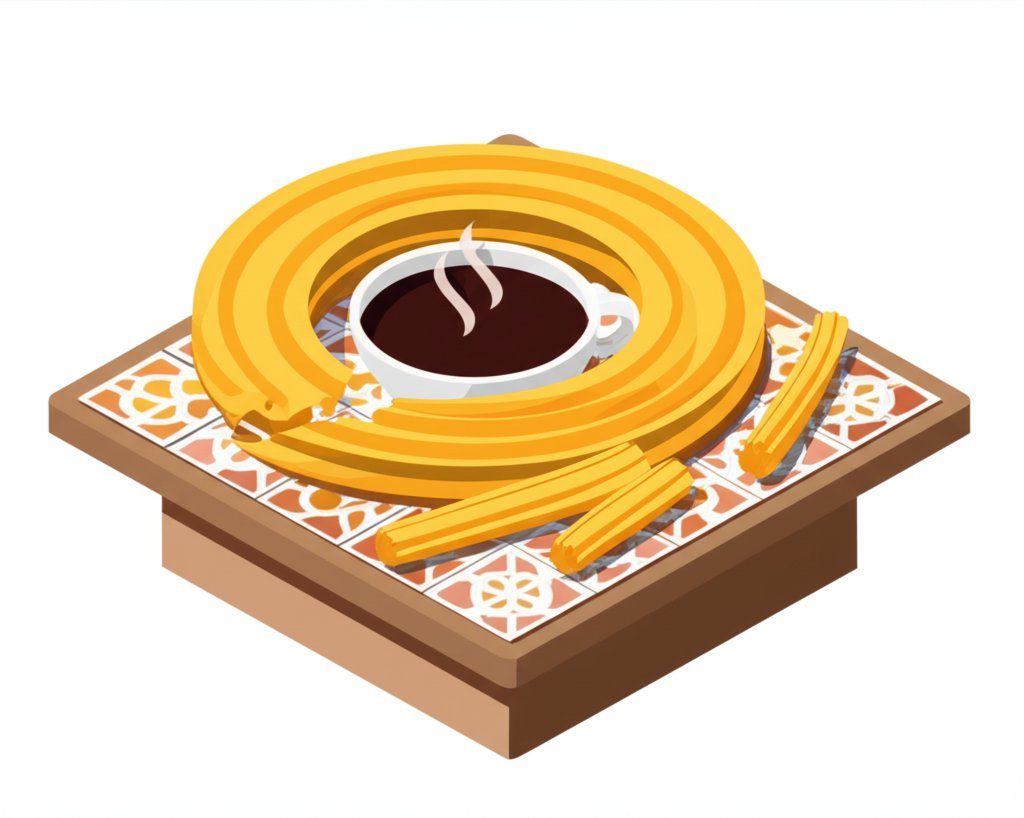
To truly understand Spain, one must savor its food. Among the myriad of culinary delights that define the nation, churros stand out as a beloved symbol of comfort, tradition, and shared moments. These distinctive fried dough pastries, with their characteristic ridged or smooth shapes, are more than just a snack; they embody the warm embrace of Spanish life, offered at dawn, dusk, and every moment in between. They are a quintessential and deeply cherished expression of gastronomía española.
More Than a Snack: A Cultural Emblem of Gastronomía Española
The enduring appeal of churros in Spain lies in their profound ability to evoke comfort, nostalgia, and a sense of belonging. They are the perfect antidote to a chilly morning, a celebratory indulgence after a night out, or a cozy evening treat that brings families together. The golden, crispy exterior gives way to a tender, airy interior, creating a textural delight that perfectly complements the rich, velvety Spanish hot chocolate they are typically paired with. This isn’t merely a taste sensation; it’s a sensory experience deeply embedded in the collective memory and daily routines of Spaniards, a testament to the power of simple, well-made food within gastronomía española.
Beyond the sweet taste, understanding the cultural context of churros helps appreciate how deeply ingrained these treats are in Spanish identity, reflecting broader aspects of their national character, as detailed in our exploration of cultural traits.
To recreate this iconic treat at home and delve deeper into its origins, explore this comprehensive churro recipe and history, unveiling the secrets behind perfect churros españoles.
The Unmistakable Profile of Authentic Churros Españoles
The churro experience in Spain is unique and cherished, setting churros españoles apart from their international counterparts. While often imitated, the authentic Spanish version maintains a distinct character. Typically, churros españoles are thicker and can be shaped into loops, coils (especially in Madrid, known as churros de lazo or porras), or long, straight sticks. They are almost always served plain, perhaps with a very light dusting of sugar, allowing the pure flavor and texture of the fried dough to shine.
The ritual is paramount: dipping a freshly fried, piping-hot churro into a rich, velvety cup of chocolate caliente (hot chocolate) is a non-negotiable, quintessential Spanish experience. This pairing is not just a taste sensation but a cherished tradition, passed down through generations. Spanish hot chocolate is characteristically thick, dark, and notably less sweet than its global counterparts. It is purpose-built to cling to the churro's ridges, delivering an intense burst of deep cocoa flavor with every bite. It’s a moment of pause, reflection, and connection in the midst of daily life – a simple pleasure elevated to an art form within gastronomía española. This dedication to purity and perfect pairing is what makes churros españoles truly unmistakable.
Simplicity, Quality, and Community: Hallmarks of Gastronomía Española
Churros are an integral part of gastronomía española, embodying its spirit of simplicity, quality ingredients, and communal enjoyment. From the bustling churrerías where the irresistible aroma of frying dough fills the air, to the quiet family kitchens, churros are deeply rooted in the country’s culinary identity. They speak to a food culture that values both tradition and subtle innovation, where ancient recipes are meticulously preserved while new ways of enjoying them emerge. This beloved pastry acts as a delicious ambassador, showcasing Spain’s remarkable ability to transform humble ingredients into something extraordinary. Their widespread accessibility—found everywhere from dedicated shops to roadside stalls—underscores their democratic appeal and universal acceptance within the vibrant landscape of Spanish food. This deep integration is why the term Churros Spanyol instantly conjures images of authentic Spanish culinary joy, even for those far from its shores.
Unraveling the Epochal Historia de los Churros: From Shepherds to Spices
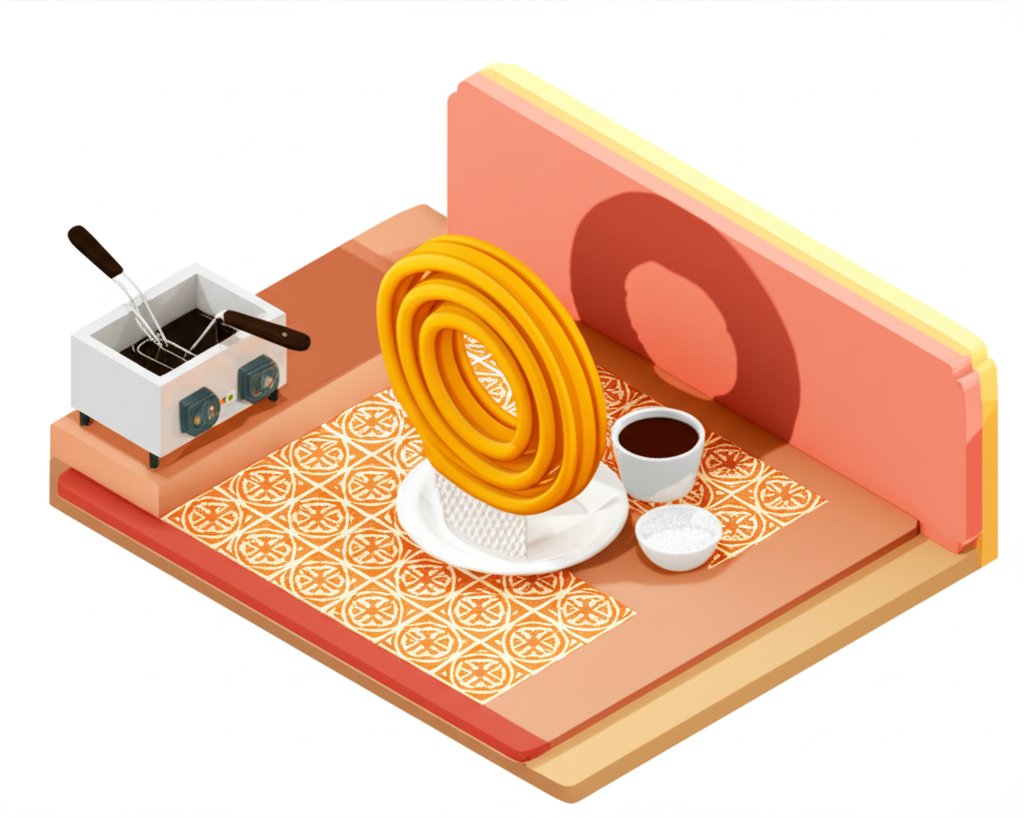
The historia de los churros is a captivating tapestry woven with rich legends and historical theories, reflecting a journey that spans centuries and continents. While its exact genesis is debated, two primary theories offer fascinating insights into this beloved pastry’s past, showcasing its remarkable evolution from a practical necessity to a cherished delicacy. Understanding this history is key to appreciating the profound cultural significance of churros today.
The Enduring Shepherd’s Tale: An Ingenious Origin of Churros
One popular and charming theory suggests that churros originated with Spanish nomadic shepherds in the rugged mountains. Far from permanent bakeries and the comforts of ovens, these ingenious individuals needed a versatile, non-perishable dough that could be easily prepared and cooked over an open fire. Their basic recipe—a simple mixture of flour, water, and salt—when fried, created a convenient and satisfying staple food that could withstand the rigors of mountain life. The distinctive ridged, star shape of many churros is said to have been inspired by the horns of the native “Churra” sheep breed that these shepherds tended, thus giving the pastry its evocative name. Over time, this practical shepherd’s fare made its way down from the remote pastures to the bustling villages and cities, evolving from a basic necessity into a cherished treat enjoyed by all social classes, eventually even gracing the tables of royalty and becoming a staple of urban life within gastronomía española.
The Intriguing Silk Road Connection: A Global Culinary Exchange
Another compelling theory traces the origins of the churro further east, to a Chinese delicacy called “Youtiao,” a savory fried dough stick. It is believed that Portuguese traders, renowned for their extensive maritime routes and their pivotal role in the global spice trade, encountered this dish during their journeys to China. They then brought this concept back to the Iberian Peninsula, specifically introducing it to Spain. The Spanish, with their innate flair for sweetening and their profound love for rich, fried pastries, adapted the recipe. They transformed the savory fried dough into the sugary delight we know today, often served with chocolate. This theory beautifully highlights the interconnectedness of global culinary traditions and how dishes can evolve dramatically as they travel across cultures, absorbing local flavors and preferences along the way. While the exact starting point remains a subject of academic debate, the churro unequivocally represents a fascinating blend of practical need, cultural adaptation, and cross-cultural inspiration, firmly establishing its deep historia de los churros.
Crossing the Atlantic: Churros’ Global Voyage and the Spread of Churros Spanyol
As Spain embarked on its era of exploration and colonization during the 15th and 16th centuries, the churro began its momentous journey across the Atlantic. Spanish conquistadors and settlers introduced their culinary traditions, including churros, to the Americas. This marked a significant moment in the historia de los churros, as the pastry quickly took root in Latin American countries, where it underwent further adaptations and became deeply embedded in local cuisines. From Mexico to Argentina, churros were embraced and transformed, taking on new flavors and forms that reflected the diverse culinary landscapes of their new homes. This global spread cemented its status not just as a Spanish treat, but as a universally loved delicacy that carried a piece of Spanish heritage to distant shores, contributing to the widespread recognition of Churros Spanyol around the world.
Evolution from Humble Beginnings to National Treasure
Regardless of its exact origins, the evolution of the churro into a cornerstone of gastronomía española is undeniable. It showcases a remarkable culinary journey from potential survival food to a revered element of social gatherings, daily rituals, and festive celebrations. Its resilience and adaptability underscore its significant place in the historical narrative of Spanish food, making it a true national treasure that continues to be celebrated and enjoyed across generations. The rich historia de los churros is a testament to the enduring power of simple, delicious food.
The Soul of Spain: Experiencing the Vibrant Cultura de los Churros
The cultura de los churros is vibrant, deeply ingrained, and profoundly reflects Spanish daily life and special occasions. It’s a key element that brings people together, fostering a sense of community, shared heritage, and simple, delicious pleasure. This cultural phenomenon is central to understanding the true spirit of gastronomía española.
Morning Rituals: A Taste of Spanish Life and Churros Españoles
For countless Spaniards, the day begins with churros. There’s a cherished ritual of heading to a local churrería or café in the morning, especially on weekends, holidays, or after a long night out, to enjoy freshly made churros with coffee or, more traditionally, a thick, rich chocolate caliente. This isn’t just breakfast; it’s a quintessential social occasion. Friends, families, and even strangers gather around tables, the air filled with the comforting aroma of frying dough and lively chatter. It’s a moment to catch up, share stories, or simply savor the quiet start to the day. The crisp texture of the warm churro contrasting with the molten chocolate creates a comforting and invigorating experience that kickstarts countless mornings across the country, embodying a collective embrace of tradition and everyday joy that epitomizes churros españoles in daily life.
Festive Flavors: Churros at Spain’s Celebrations
Beyond daily routines, churros become even more prominent and essential during Spain’s numerous festivals and celebrations. They are ubiquitous at local ferias (fairs), bustling street markets, and national festivities, where portable churrerías pop up, serving eager crowds throughout the day and into the night. During solemn religious observances like Semana Santa (Holy Week), churros provide a touch of sweetness and comfort, often enjoyed by families after processions, offering solace and tradition during reflective times. Their pervasive presence at these events underscores their role as a unifying treat, symbolizing joy, togetherness, and the enduring spirit of Spanish celebration. The communal act of sharing churros creates lasting memories and strengthens cultural bonds, making them an indispensable part of Spain’s vibrant festive calendar and a true hallmark of gastronomía española.
Churrerías: Guardians of a Golden Tradition
The churrería itself is a cultural institution in Spain, a vibrant hub where the cultura de los churros truly comes alive. More than just a place to eat, it’s a social nexus, a beacon of tradition, and an enduring testament to the art of making churros. From grand establishments with ornate decor, some dating back over a century like Chocolatería San Ginés in Madrid, to humble, family-run stalls, churrerías meticulously maintain the traditional methods of preparing churros and chocolate caliente. Often, these establishments feature open kitchens where customers can watch the skilled churreros at work, expertly extruding and frying the dough. The atmosphere is always lively, a blend of friendly chatter, clinking cups, and the irresistible scent of freshly fried dough. These spaces serve as culinary anchors in Spanish communities, preserving a beloved culinary art form and continuing to weave churros into the tapestry of daily life.
Churros Spanyol as a Symbol of Hospitality and Shared Moments
In the cultura de los churros, serving these pastries is often a gesture of profound hospitality and friendship. Welcoming guests with a plate of freshly made churros and a steaming cup of chocolate is a warm expression of Spanish generosity, instantly making visitors feel at home. They foster conversation, laughter, and camaraderie, transforming any gathering into a more festive and memorable occasion, whether it’s an impromptu visit or a planned celebration. This simple act reinforces the idea that food, particularly something as universally beloved as churros, is a powerful tool for building and maintaining community ties, connecting people across generations and social circles. It’s a sweet testament to the welcoming spirit of Churros Spanyol.
Mastering the Art: Crafting Authentic Churros Españoles and Their Perfect Pairings
The apparent simplicity of churros españoles belies the skill, precision, and artistry required to make them perfectly. While the core ingredients are few and humble, the technique is what transforms them into the crispy, delightful pastries cherished across Spain and intrinsically linked to gastronomía española. Mastering this craft is a point of pride for any churrero.
The Art of the Churrero: Crafting Perfection in Every Churro
Traditionally, a churro dough consists only of flour, water, and salt. Some modern or regional recipes may add a touch of olive oil or a pinch of sugar, but the fundamental minimalist quality remains, emphasizing purity of flavor. The true magic happens in the precise preparation and frying process. The dough, once mixed to the perfect, firm consistency, is fed into a churrera, a specialized press that extrudes the dough into familiar star-shaped strands or, for porras, a smoother, hollower stick.
This star shape, achieved through a fluted nozzle, is crucial. It significantly increases the surface area, ensuring even cooking and creating the characteristic crispy exterior while keeping the inside tender and slightly chewy. Frying is done in very hot oil, typically high-quality olive oil, or a blend, maintained at an optimal temperature of around 190°C (375°F). The churros are fried until they achieve a beautiful, uniform golden-brown color. A skilled churrero knows precisely when to remove them, creating that coveted balance of crunch and chewiness that is the hallmark of an authentic Spanish churro. This process is a labor of love, requiring learned expertise and quick, practiced hands, often passed down through generations of churreros. The result is a pastry that perfectly embodies the unpretentious excellence of gastronomía española.
The Indispensable Companion: Spanish Chocolate Caliente
No discussion of churros españoles is complete without an ode to their inseparable partner: chocolate caliente. Spanish hot chocolate is distinctively thick, rich, and often less sweet than its international counterparts, making it the ideal dipping sauce for the churros. It’s typically made with high-quality dark chocolate (often 70% cocoa or higher), whole milk, and sometimes a touch of cornstarch or flour (like maizena) to achieve its luxurious, spoon-coating consistency.
The interplay of the slightly salty, impeccably crispy churro with the deeply satisfying, molten chocolate is a culinary masterpiece—a symphony of textures and flavors that defines the authentic Spanish churro experience. The thick chocolate adheres perfectly to the ridged surface of the churro, delivering a decadent and comforting bite every time. It’s a combination that perfectly exemplifies the simple yet profound pleasures found within gastronomía española, a testament to how two humble ingredients can create an extraordinary moment. This pairing is so fundamental that a churro without its chocolate is considered incomplete in Spain.
Beyond the Classic: Regional Churro Variations
While the classic churro and chocolate pairing reigns supreme, regional variations and close relatives do exist within Spain, adding delightful diversity to gastronomía española.
- Porras: In some areas, particularly Madrid, porras are a very popular alternative. Porras are generally thicker, softer, and often have a smoother, slightly more airy interior than traditional
churros, made with a dough that includes a touch of baking soda (bicarbonate). They are fried until lighter in color and offer a different textural experience, often preferred by those who enjoy a softer, doughier bite. - Tejeringos: In Andalusia, especially around Málaga, you might find tejeringos. These are a unique type of
churromade with a syringe-like device (a jeringa), which extrudes the dough into a continuous thin spiral, often cut into individual portions. They are typically lighter and crispier due to their thinner form. - Churros de Rueda: Also found in Andalusia, these are large, thin, continuous spirals of dough fried and then cut into portions. They have a distinct, light crunch.
While not traditionally Spanish, some modern interpretations in other countries might see churros dusted with cinnamon sugar, a common practice in Latin America, or even filled with creams or dulce de leche. However, for the true, unadulterated gastronomía española experience, the simple perfection of plain churros españoles with thick hot chocolate remains the gold standard, celebrated for its authentic taste and texture.
Churros Spanyol Legacy: A Global Journey of Sweet Indulgence
The global influence and widespread adoration of churros stand as a powerful testament to the enduring appeal and remarkable adaptability of gastronomía española. What began as a humble, practical snack in the Spanish mountains has transcended borders, captivated palates worldwide, and adapted to various culinary landscapes, making Churros Spanyol a truly international delight.
Latin American Adaptations: A Sweet Transformation of Churros
Nowhere is the global reach of churros more evident than in Latin America. Introduced centuries ago by Spanish colonizers, churros quickly became a beloved staple, evolving to suit local tastes and culinary traditions. These adaptations moved beyond the traditional simplicity of churros españoles:
- Mexico: Mexican
churrosare frequently covered in generous amounts of cinnamon sugar, offering a sweeter and spiced profile. They are often enjoyed with coffee, atole (a warm masa-based drink), or a thinner hot chocolate, differing significantly from the dense Spanish version. - Argentina: A particularly popular and indulgent variation involves filling the
churroswith luscious dulce de leche (caramelized milk), creating an intensely sweet and rich treat that has become an iconic dessert throughout the country. - Brazil: Churros in Brazil (often called churro) are typically filled with doce de leite or chocolate ganache, and sometimes covered in sugar and cinnamon.
- Cuba: Cuban
churrosare often thinner and longer, sometimes served with guayaba (guava paste) and cream cheese.
Other Latin American countries such as Colombia, Peru, and Chile also have their unique takes, often incorporating local ingredients or preferred flavors. These regional adaptations beautifully showcase how a core Spanish recipe can inspire a diverse array of culinary expressions, yet still retain its recognizable form and connection to its Spanish heritage, further spreading the influence of gastronomía española and the legacy of Churros Spanyol.
A Worldwide Phenomenon: From Street Food to Gourmet
Today, churros can be found in virtually every corner of the world, having achieved true global icon status. From specialized food trucks and vibrant street stalls in major cities like New York, Los Angeles, and London, to bustling markets in Tokyo and Sydney, their popularity continues to soar. Churros have also found their way into more upscale settings, appearing on elegant dessert menus in fine dining establishments, where chefs experiment with innovative glazes, gourmet dipping sauces (like salted caramel or exotic fruit coulis), and creative presentations.
Innovators are constantly pushing the boundaries of what a churro can be, experimenting with different doughs (e.g., potato flour churros for a softer texture), unique flavor infusions (like matcha or lavender), and a myriad of fillings (custards, fruit purees, savory options). Despite these modern interpretations and global adaptations, the essence of the churro as a comforting, celebratory, and shareable delight remains remarkably intact, a sweet reminder of its rich historia de los churros and the enduring legacy of gastronomía española that continues to enchant palates across continents. The universal appeal of Churros Spanyol is undeniable.
Preserving the Gastronomía Española Legacy Abroad
The global proliferation of churros is a powerful demonstration of how a single dish can become a cultural ambassador. Every churrería outside of Spain, whether traditional or modern, contributes to the ongoing narrative of gastronomía española. It introduces new audiences to a piece of Spanish culinary history and culture, inviting them to partake in a tradition that is thousands of miles away from its country of origin. This widespread appreciation ensures that the legacy of churros españoles continues to thrive, celebrated and enjoyed by an ever-growing international community, firmly establishing Churros Spanyol as a beloved global treat.
Conclusion
The journey of the churro is a fascinating narrative, intertwining practical origins with profound cultural significance. From its debated historia de los churros spanning nomadic shepherds, ancient Chinese fried dough, and the Spanish colonial era, to its undeniable modern status as a centerpiece of gastronomía española, this fried pastry embodies resilience, adaptation, and beloved tradition. The cultura de los churros is a living, breathing testament to the Spanish spirit—communal, celebratory, and always served with warmth.
Whether you’re savoring piping hot Churros Españoles dipped in thick chocolate in a bustling Madrid churrería, experiencing their festive presence at a Spanish feria, or enjoying an innovative twist of Churros Spanyol in a distant land, you’re not just tasting a delicious treat; you’re experiencing a piece of Spain’s vibrant soul. The churro is more than food; it’s a shared memory, a cultural bond, and an invitation to immerse yourself in the rich culinary legacy of Spain. So, next time you see a churro, remember the rich cultural tapestry it represents and perhaps, embark on your own culinary journey into the heart of gastronomía española. Dive into the golden tradition, savor the crunch, and let the rich flavors transport you to the sun-drenched plazas of Spain.
FAQ
Q1: What are Churros Españoles and what makes them unique within gastronomía española?
A1: Churros Españoles are a traditional Spanish fried dough pastry, typically made from a simple dough of flour, water, and salt. What makes them unique within gastronomía española is their characteristic thick, often ridged shape (or smooth, hollow porras), and their typical accompaniment: a very thick, dark, and less sweet chocolate caliente designed specifically for dipping. Unlike international versions, authentic churros españoles are usually served plain or with only a light sugar dusting, emphasizing the pure flavor of the dough and the rich chocolate.
Q2: Can you explain the historia de los churros and its main theories?
A2: The historia de los churros is rich with theories. One popular theory suggests churros originated with Spanish nomadic shepherds who needed an easy-to-cook, portable food, with the ridged shape possibly inspired by “Churra” sheep horns. Another theory posits that Portuguese traders brought the concept from China, where a similar savory fried dough called Youtiao existed. The Spanish then adapted this into the sweet version we know today. Both theories highlight a journey from practical necessity to a beloved culinary item.
Q3: How do Churros Spanyol differ from churros found in Latin America or other parts of the world?
A3: Churros Spanyol are typically thicker, less sweet, and primarily served with a very dense, dark chocolate caliente for dipping, rather than being coated heavily in sugar. In contrast, churros in Latin America (like Mexico or Argentina) are often thinner, frequently dusted with cinnamon sugar, and may be filled with dulce de leche or other sweet creams. These variations showcase the global adaptation of the original Spanish concept.
Q4: What is the cultural significance of churros in Spain, also known as cultura de los churros?
A4: The cultura de los churros is deeply ingrained in Spanish daily life. Churros symbolize warmth, community, and celebration. They are a staple for social breakfasts and meriendas (afternoon snacks), especially on weekends, and are indispensable at festivals, fairs (ferias), and even solemn religious observances like Semana Santa. Eating churros with chocolate caliente at a churrería is a cherished social ritual that fosters connections among people.
Q5: How are churros traditionally prepared in Spain, upholding the tenets of gastronomía española?
A5: In Spain, churros are traditionally prepared by extruding a simple dough of flour, water, and salt through a churrera (a specialized press) into star-shaped strands or loops. These are then deep-fried in very hot oil, often high-quality olive oil, until perfectly golden-brown and crispy. The star-shaped nozzle ensures even cooking and creates the characteristic crispy exterior and tender interior, a testament to traditional Spanish culinary craftsmanship and the pursuit of quality in gastronomía española.
Q6: Can churros españoles be eaten without chocolate?
A6: While the quintessential churros españoles experience involves dipping them in thick chocolate caliente, they can certainly be enjoyed plain, perhaps with a light dusting of sugar. Some prefer the pure taste and crisp texture of the freshly fried dough on its own, especially with a cup of coffee. However, for a truly traditional gastronomía española experience, the chocolate is highly recommended as the inseparable companion.










