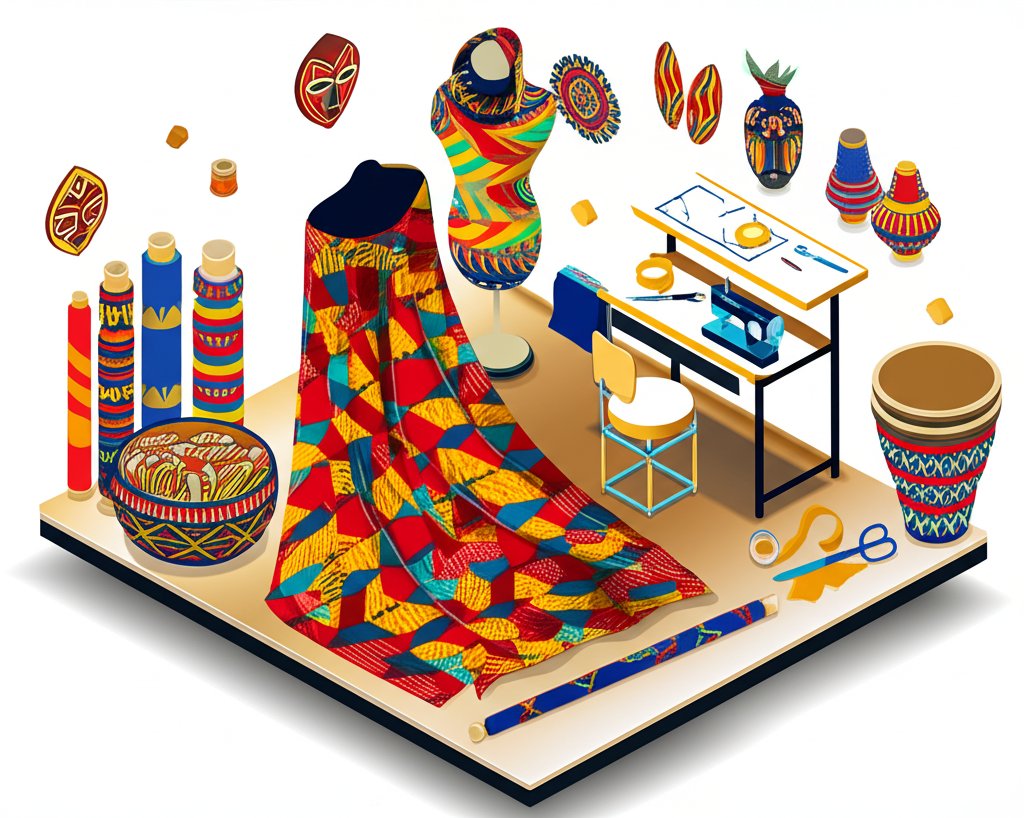
Embark on an extraordinary journey through the vibrant, diverse, and profoundly meaningful world of African clothing. Far more than mere adornment, African clothing is a living tapestry woven with threads of history, identity, and artistic genius. From the ancient robes of pharaohs to the cutting-edge designs gracing international runways, each garment tells a compelling story of resilience, celebration, and unwavering cultural pride. This article delves deep into the history of African clothing, explores its profound role as cultural expressions, and examines how African fashion continues to captivate and influence the global style landscape, leaving an enduring legacy for generations to come.
The Deep Roots of African Clothing: A Historical Journey
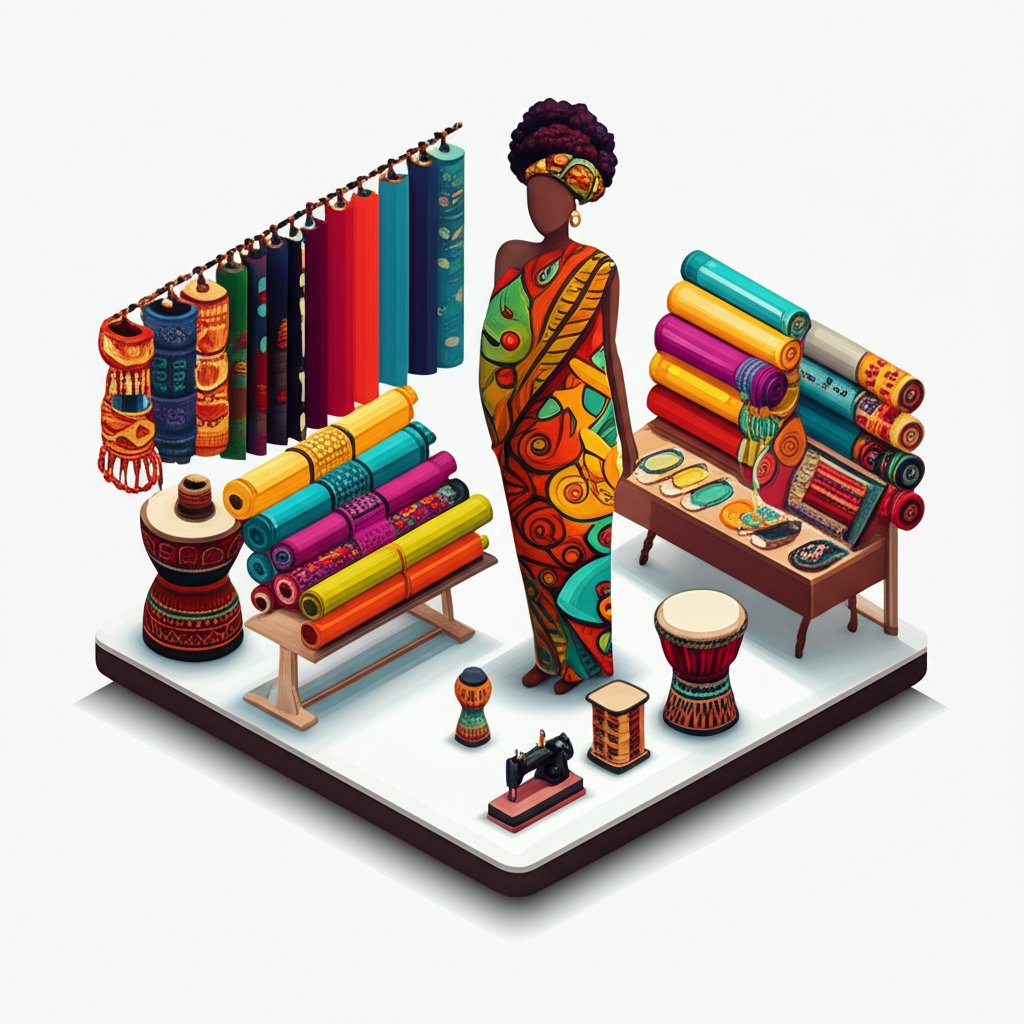
The history of African clothing stretches back millennia, predating written records and echoing through archaeological discoveries and oral traditions. It is a narrative shaped by climate, available resources, spiritual beliefs, and dynamic social structures, evolving continuously while retaining core aspects of identity.
Ancient Origins and Indigenous Materials
In its earliest forms, African clothing was intrinsically linked to the environment. Across the continent, early societies utilized a remarkable array of natural resources:
- Animal Skins and Furs: Particularly in regions with cooler climates or abundant wildlife, skins from animals like antelope, leopard, and goat were meticulously prepared and worn for warmth, protection, and often as symbols of status or hunting prowess.
- Bark Cloth: In forested areas, especially in Central and East Africa (like the famous bark cloth of Uganda, a UNESCO Intangible Cultural Heritage), tree bark was processed through a laborious beating and stretching method to create soft, durable fabric.
- Raffia and Grass Fibers: These fibers were expertly woven into skirts, headwear, and ceremonial attire, particularly in West and Central Africa, offering lightweight and breathable options.
- Cotton: Cultivation of indigenous cotton varieties emerged early in regions like West Africa, leading to the development of sophisticated weaving techniques long before external influences.
These materials were often manipulated using natural dyes extracted from leaves, roots, and minerals, resulting in earthy yet vibrant palettes. Early adornments included shells, beads made from seeds or clay, and intricate body painting, all serving to communicate identity, spiritual beliefs, and social standing.
The ingenuity displayed in crafting these early garments mirrors the skills developed across the world, further enriching the history of dressmaking with unique African techniques.
Trade Routes and External Influences
Africa has always been a continent of dynamic exchange. Over centuries, extensive trade networks profoundly impacted the development of African clothing:
- Trans-Saharan Trade (North and West Africa): Routes spanning the Sahara brought goods and ideas from the Middle East and North Africa. This introduced new textiles like silk and wool, advanced dyeing techniques, and embroidery styles that merged with existing West African traditions, influencing garments like the majestic Boubou and Djellaba.
- East African Maritime Trade (Swahili Coast): Seafaring trade with the Arabian Peninsula, India, and even China introduced fabrics like calico and silk, as well as distinct textile patterns and garment constructions. The development of the Kanga and Kitenge in East Africa, while later influenced by European prints, has historical roots in these early exchanges.
- European Colonization (15th Century onwards): While often disruptive, European contact and colonization introduced factory-produced textiles, new tailoring methods, and Western dress concepts. Initially, these were adopted by elites or for specific occasions, but over time, they were skillfully integrated and indigenized, giving rise to unique hybrid styles. For instance, Dutch Wax prints (Ankara), though European in origin, became profoundly Africanized, with local markets dictating patterns and symbolism, making them quintessential African clothing.
Pre-Colonial Kingdoms and Textile Traditions
Many powerful African kingdoms fostered incredibly rich and specialized textile traditions, where traditional African clothing was a core element of royal power, social stratification, and spiritual practice.
- Ashanti Kente (Ghana): Originating from the Ashanti Kingdom, Kente cloth is perhaps one of the most recognized forms of African clothing. Hand-woven with intricate geometric patterns, each color and design carries deep symbolic meaning, often relating to proverbs, historical events, or social status. Traditionally reserved for royalty and significant ceremonies, it epitomizes Ghanaian heritage.
- Bogolanfini (Mali): Meaning “mud cloth,” this West African textile, primarily from the Bambara people of Mali, is hand-dyed using fermented mud. Its distinctive earthy tones and abstract patterns are not merely decorative; they convey narratives, proverbs, and protective qualities, embodying a unique form of cultural expressions.
- Yoruba Aso-Oke (Nigeria): A hand-woven cloth from the Yoruba people, Aso-Oke is made into elaborate garments like the Iro (wrapper), Buba (blouse), and Gele (headtie) for women, and Agbada for men. Its various patterns and colors denote status, wealth, and occasion, making it a cornerstone of Nigerian traditional African clothing.
- Zulu Beadwork (Southern Africa): While not woven fabric, the elaborate beadwork of the Zulu people in Southern Africa serves as a distinct form of African clothing and adornment. Each color and pattern in the intricate beadwork communicates complex messages about the wearer’s age, marital status, and social position, acting as a visual language.
Traditional African Clothing as Cultural Expressions
Traditional African clothing transcends functionality; it is a profound medium for cultural expressions, a visual language that communicates identity, values, and a deep connection to heritage. Every stitch, dye, and embellishment contributes to a narrative understood within its specific cultural context.
Symbolism Woven into Every Thread
The symbolism embedded in traditional African clothing is rich and multifaceted, turning garments into intricate stories:
- Colors: Colors are rarely chosen arbitrarily. Red might signify passion, sacrifice, or bloodshed (e.g., Maasai shukas), while white often represents purity, spirituality, or mourning. Blue can symbolize peace or the sky, and green, fertility or prosperity.
- Patterns and Motifs: Geometric shapes, animal imagery, and abstract designs frequently carry specific meanings. For example, some Kente patterns represent wisdom, royalty, or bravery. Bogolanfini patterns often offer protection from evil or signify healing. Adinkra symbols from Ghana, printed on cloth, are visual proverbs and aphorisms, each conveying a moral lesson or historical truth.
- Fabric Choice: The material itself can convey status. Silk might be reserved for royalty, while certain locally woven cloths are strictly for ceremonial use. The quality of the fabric, the complexity of its weave, and the rarity of its dyes all contribute to its symbolic value.
- Embellishments: Beads, cowrie shells, metal adornments, and embroidery are not just decorative. Cowrie shells, once currency, signify wealth and fertility. Specific bead patterns on Zulu or Ndebele attire can denote a woman’s marital status, the number of children she has, or her family’s lineage.
Regional Diversity in Traditional Attire
Africa’s immense geographical and ethnic diversity is nowhere more apparent than in its traditional African clothing. Each region, and often each ethnic group within a region, boasts distinctive styles:
- West Africa: A kaleidoscope of textiles. Beyond Kente, Aso-Oke, and Bogolanfini, we find:
- Dashiki: A loose, colorful tunic with intricate embroidery around the neck and cuffs, popular across West Africa and a symbol of Pan-African identity.
- Boubou/Agbada: A flowing, wide-sleeved robe worn by men, often elaborately embroidered, signifying status and elegance. Women’s versions are also common. The Agbada, specifically, is a large, flowing garment, typically worn over a shirt and trousers by Yoruba men.
- Iro and Buba: A quintessential Nigerian women’s outfit from the Yoruba people, comprising a wrapper (iro), a loose-fitting blouse (buba), a headwrap (gele), and sometimes a shoulder sash (iborun).
- Toghu (Cameroon): A richly embroidered black velvet fabric, traditionally worn by royalty and for significant ceremonies among the Bamileke people of Cameroon.
- North Africa: Strongly influenced by Islamic and Mediterranean cultures:
- Djellaba and Caftan: Loose-fitting, hooded robes worn by both men and women, often made from wool or cotton, and varying in intricacy from simple everyday wear to highly embellished ceremonial attire. The Caftan, specifically, is known for its elegant embroidery and flowing silhouette.
- Jelabiya (Egypt/Sudan): A long, loose-fitting tunic, often embroidered, reflecting a blend of indigenous and Middle Eastern influences.
- East Africa: Characterized by vibrant wraps and distinctive adornments:
- Kanga and Kitenge: Brightly colored printed cotton fabrics worn as wrappers, dresses, or headscarves, often featuring Swahili proverbs. While Kitenge is used for tailoring, Kanga is usually unbound.
- Maasai Shuka: The iconic red-checked blanket worn by the Maasai people of Kenya and Tanzania. Red symbolizes bravery and strength, and the Shuka allows freedom of movement for their pastoral lifestyle.
- Southern Africa: A blend of traditional artistry and historical adaptation:
- Ndebele Traditional Dress: Celebrated for its vibrant geometric patterns in homes and clothing, often incorporating colorful beaded apolitical (apron-like garments) and copper rings (idzilla) that signify marital status.
- Xhosa Traditional Attire: Features distinctive blue and white fabrics, often draped, with elaborately beaded accessories and specific headwear indicating age and marital status.
From Daily Wear to Ritual Significance
African clothing serves diverse purposes, from the practicalities of daily life to the sanctity of spiritual rituals. Everyday attire is often functional, made from durable, breathable fabrics suitable for local climates. However, almost all cultures have specific garments reserved for:
- Ceremonial Occasions: Weddings, funerals, initiation rites, and festivals demand elaborate, specially crafted attire that reflects the gravity and joy of the event. These garments are often passed down through generations.
- Rites of Passage: Clothing marks transitions in life, such as coming-of-age ceremonies where specific patterns or garments signify a new social status.
- Social Status and Age: The richness of fabric, the complexity of design, and the quantity of adornments often indicate the wearer’s wealth, influence, or position within the community. Elders might wear specific styles denoting wisdom and experience, while intricate hairstyles and headwear also hold deep meaning.
- Religious and Spiritual Practices: Certain garments are worn during religious ceremonies, by spiritual leaders, or as protective charms, imbued with sacred significance.
African Fashion: A Dynamic Global Force
In the 21st century, African fashion has transcended its traditional roots to become a vibrant, influential force on the global stage. It is characterized by its dynamic fusion of heritage and modernity, attracting international acclaim and inspiring designers worldwide.
The Evolution of Modern African Fashion
The journey from traditional garments to contemporary high fashion has been significant:
- Post-Colonial Identity: Following independence, many African nations saw a resurgence of interest in indigenous styles as a conscious assertion of identity, moving away from colonial influences.
- Rise of Local Designers: The mid to late 20th century witnessed the emergence of pioneering African designers who began to reimagine traditional textiles and silhouettes for a modern audience, often inspired by Pan-African movements. The Dashiki, for example, became a unifying symbol across the diaspora.
- Contemporary Trends: Modern African fashion designers are at the forefront of innovation, blending traditional fabrics like Ankara (Dutch Wax print), Kente, and Aso-Oke with contemporary cuts, tailoring, and global aesthetics. They experiment with sustainable materials, upcycling, and gender-fluid designs while staying true to their cultural heritage. This leads to unique garments that are both culturally authentic and globally appealing.
Impact on the Global Fashion Stage
The influence of African fashion extends far beyond the continent’s borders:
- Inspiration for International Designers: Major fashion houses regularly draw inspiration from African prints, silhouettes, and textile techniques. While this has sometimes led to debates about cultural appropriation, it also highlights the undeniable aesthetic power of African design.
- African Designers Gaining Recognition: Talented designers like Duro Olowu, Lisa Folawiyo, Thebe Magugu, and Laduma Ngxokolo (MaXhosa Africa) are showcasing their collections at major fashion weeks in Paris, Milan, and New York, earning critical acclaim and commercial success. Their work emphasizes ethical production, intricate craftsmanship, and storytelling.
- Ethical and Sustainable Fashion: Many African designers and artisans prioritize sustainable practices, using locally sourced materials, traditional handcrafting techniques, and fair labor practices. This aligns perfectly with the global shift towards more conscious fashion.
- Celebrity Endorsement: Global celebrities and influencers increasingly sport African-inspired outfits and designs from African labels, amplifying their visibility and desirability worldwide.
Key Elements Defining Modern African Fashion
Several elements consistently define the allure and distinctiveness of contemporary African fashion:
- Vibrant Prints: While Dutch Wax prints (Ankara) are not African in origin, they have been so thoroughly adopted, adapted, and imbued with local meaning that they are now synonymous with modern African clothing. These bold, colorful patterns are a signature element.
- Bold Colors: An inherent characteristic, African designs often feature rich, saturated hues that evoke energy, joy, and vitality.
- Unique Silhouettes: From flowing kaftans and voluminous sleeves to structured tailored pieces that incorporate traditional drapes, African designers offer a refreshing alternative to mainstream Western silhouettes.
- Storytelling Through Design: Modern African designers continue the ancient tradition of embedding narratives, cultural references, and personal expressions into their collections, ensuring their work is not just aesthetically pleasing but also deeply meaningful.
- Handcraftsmanship and Artisanal Techniques: A strong emphasis on traditional skills like weaving, dyeing, embroidery, and beadwork adds a layer of authenticity and luxury to modern African garments.
Preserving and Innovating: The Enduring Legacy
The legacy of African clothing is one of continuous evolution, a delicate balance between honoring ancestral traditions and boldly forging new paths in the world of African fashion. This enduring legacy is sustained through dedicated preservation efforts and vibrant innovation.
Safeguarding Heritage Through Craftsmanship
The heartbeat of traditional African clothing lies in the hands of its artisans. Preserving these invaluable skills is paramount:
- Role of Artisans: Weavers, dyers, embroiderers, and beadworkers are the custodians of cultural knowledge. Their expertise, often passed down through generations, ensures that intricate techniques and symbolic meanings are not lost.
- Passing Down Knowledge: Initiatives focus on creating apprenticeships and training programs to ensure younger generations learn the complex crafts, from identifying natural dye sources to mastering specific weaving patterns.
- Challenges: The rise of fast fashion, cheap imports, and a dwindling interest among youth in labor-intensive traditional crafts pose significant threats. Counterfeiting of popular African fashion prints also undermines local producers.
Education, Entrepreneurship, and Digital Platforms
The African fashion industry is dynamic, fueled by education and entrepreneurial spirit:
- Fashion Schools and Design Incubators: Institutions across Africa are nurturing new talent, providing formal training that blends traditional knowledge with modern design principles and business acumen. This creates a fertile ground for the next generation of designers to elevate African fashion.
- E-commerce and Global Market Access: Digital platforms have revolutionized how African designers reach wider audiences. Online stores and social media enable direct-to-consumer sales, bypassing traditional barriers to international markets and showcasing the diversity of African clothing to the world.
- Museums and Cultural Institutions: These play a crucial role in documenting, researching, and exhibiting the history of African clothing, ensuring historical records are maintained and the significance of various garments is understood and appreciated globally. Festivals and fashion weeks dedicated to African design further promote this heritage.
The Future of African Clothing
The future of African clothing is bright, poised at the intersection of tradition and innovation:
- Sustainability and Ethical Production: African designers are increasingly positioned as leaders in sustainable fashion, leveraging natural fibers, minimizing waste, and ensuring fair labor practices—values deeply embedded in many traditional African craft economies.
- Continued Innovation and Global Appeal: Expect to see more experimental designs, cross-cultural collaborations, and the integration of new technologies with traditional artisanal methods. African fashion will continue to expand its global footprint, influencing trends and offering unique perspectives.
- Maintaining Authenticity: The ongoing challenge and triumph will be to evolve while safeguarding the authenticity and deep cultural significance that makes African clothing so distinctive and powerful. It’s about celebrating the legacy while writing new chapters.
Conclusion
The journey through the world of African clothing reveals a narrative as rich and diverse as the continent itself. From its ancient origins rooted in indigenous materials and shaped by millennia of trade, to its role as profound cultural expressions through intricate symbolism and regional variations, African clothing is truly extraordinary. Today, African fashion is a global powerhouse, celebrating heritage while boldly innovating, influencing style worldwide, and ensuring its enduring legacy. To wear African clothing is to embrace a piece of history, to honor a culture, and to celebrate a future defined by creativity, identity, and unparalleled style.
FAQ: Unraveling the World of African Clothing
Q1: What are the main types of African clothing widely recognized today?
A1: While there’s immense diversity, some widely recognized types of African clothing include the Dashiki (a colorful tunic), Boubou (a flowing robe), Kente cloth (hand-woven fabric from Ghana), Bogolanfini (Mali’s mud cloth), Aso-Oke (Yoruba ceremonial cloth), Kanga and Kitenge (printed wraps from East Africa), and the Djellaba/Caftan (North African robes). Modern African fashion often incorporates these traditional textiles into contemporary designs.
Q2: How do regional differences influence traditional African clothing?
A2: Regional differences profoundly shape traditional African clothing. West Africa is known for its vibrant, intricately woven and printed fabrics like Kente and Aso-Oke. North Africa features flowing, often embroidered, garments like Djellabas, reflecting Islamic and Mediterranean influences. East Africa is characterized by colorful printed wraps such as the Kanga and Kitenge, and unique items like the Maasai Shuka. Southern Africa boasts rich beadwork and distinct patterns from groups like the Zulu and Ndebele. Each region’s climate, available resources, and cultural exchanges contribute to its unique styles.
Q3: What symbolism is found in African clothing?
A3: African clothing is rich in symbolism. Colors often convey mood or meaning (e.g., red for passion, white for purity). Patterns and motifs can represent proverbs, historical events, social status, or protective charms. Fabric choice, embellishments like beads or cowrie shells, and even the way a garment is draped can communicate the wearer’s age, marital status, wealth, or spiritual beliefs, making it a powerful form of cultural expressions.
Q4: How has African fashion impacted global trends?
A4: African fashion has had a significant impact on global trends. Its vibrant colors, bold prints, unique silhouettes, and high-quality craftsmanship inspire international designers and major fashion houses. African designers are increasingly showcasing their collections on global runways, bringing authentic African aesthetics to a worldwide audience. This influence promotes cultural exchange and a greater appreciation for the continent’s diverse design heritage, contributing to more ethical and sustainable fashion movements.
Q5: What challenges and opportunities exist for the African fashion industry?
A5: The African fashion industry faces challenges such as limited access to funding, infrastructure, and intellectual property protection against counterfeiting. However, it also presents immense opportunities. There’s a growing global demand for unique, authentic, and ethically produced goods. The rise of e-commerce, increased investment in fashion education, and a strong emphasis on sustainability position African designers to lead in innovation, job creation, and cultural representation on the world stage.
Q6: What is the history of African clothing in terms of early materials?
A6: The history of African clothing began with indigenous materials dictated by local environments. Early Africans utilized animal skins and furs for warmth and protection, particularly in cooler regions. In forested areas, bark cloth was processed from tree fibers. Raffia and other plant fibers were woven into garments, while indigenous cotton cultivation also emerged early. These natural materials were colored with dyes derived from local plants and minerals, showcasing early forms of textile artistry.










